
Outdoor living spaces have evolved far beyond simple patios and decks. Today’s homeowners treat their backyards, rooftops, and pool areas as extensions of their indoor entertainment zones—complete with grills, fire pits, sound systems, and yes, outdoor TVs. But if you live in a windy region—whether it’s coastal California, the Great Plains, mountain foothills, or hurricane-prone Gulf Coast areas—installing an outdoor TV isn’t just about picture quality or brightness. It’s about survival. High winds can turn a poorly mounted or inadequately built TV into a dangerous projectile or a costly repair job.
That’s why choosing the right outdoor TV for windy areas requires more than just checking weather resistance ratings. You need to consider structural integrity, mounting solutions, material durability, and even how the TV behaves under dynamic wind loads. This guide is designed specifically for homeowners, contractors, and outdoor entertainment enthusiasts who refuse to compromise on safety, performance, or longevity—even when Mother Nature throws her worst at them. By the end of this comprehensive buying guide, you’ll know exactly what to look for, what to avoid, and how to make a smart investment that lasts through seasons of gusts, storms, and salty air.
The market for outdoor TVs has exploded in recent years, with brands like Samsung, Sony, LG, SunBriteTV, Seura, and Furrion offering models ranging from basic weatherproof displays to fully ruggedized 4K HDR systems with built-in heaters and anti-glare screens. However, not all “outdoor” TVs are created equal—especially when wind resistance is a factor. Many consumer-grade outdoor TVs assume a sheltered installation (like under a covered pergola), but if your setup is exposed to open skies and frequent 30–50 mph winds, you need specialized engineering. This guide cuts through the marketing noise and delivers expert-level insights tailored to high-wind environments, ensuring your outdoor TV doesn’t just look great—it stays put, performs reliably, and protects your investment for years to come.

What to Look for When Buying Buying Guide
1. Wind Resistance & Structural Design
When shopping for an outdoor TV in a windy area, the first and most critical factor is how well the TV’s design resists wind forces. Unlike indoor TVs, outdoor models must withstand not only constant airflow but also sudden gusts that can create lift, vibration, and torsional stress on the unit and its mount. Look for TVs engineered with aerodynamics in mind—slim profiles, rounded edges, and low center-of-gravity designs reduce wind catch. Some premium models feature reinforced chassis frames made from aluminum or powder-coated steel, which add rigidity without excessive weight.
More importantly, check whether the manufacturer provides wind load specifications. Reputable brands will publish data such as “rated for 90 mph winds when properly mounted” or “tested to ASTM D4788 standards for wind-driven rain and uplift.” Avoid vague claims like “weather-resistant” without supporting engineering data. Also, consider the TV’s weight: heavier units (typically 30+ lbs for 55-inch models) are less prone to swaying, but they require stronger mounts. A balance between robust construction and manageable weight is ideal.
2. Mounting System & Installation Method
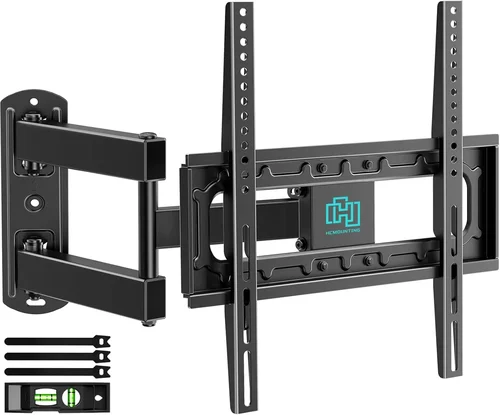
Even the sturdiest outdoor TV will fail in high winds if it’s mounted incorrectly. The mounting system is arguably more important than the TV itself in windy conditions. Opt for heavy-duty, corrosion-resistant mounts rated for outdoor use—preferably marine-grade stainless steel or galvanized hardware. Full-motion articulating arms may offer flexibility, but they increase leverage and wind exposure; fixed or tilt-only mounts are far more stable.
Wall-mounted installations are generally safer than ceiling or post mounts in high-wind areas, as walls provide better lateral support. However, ensure the wall structure (studs, masonry, or concrete) can handle the load. For freestanding setups, consider in-ground pole mounts anchored with concrete footings—these offer superior stability but require professional installation. Always use lag bolts or concrete anchors rated for dynamic loads, not standard screws.
Additionally, look for TVs that include pre-drilled VESA patterns compatible with heavy-duty outdoor mounts. Some manufacturers sell proprietary mounting kits designed specifically for their models—these often undergo rigorous wind testing and are worth the extra cost in exposed locations.
3. Weatherproofing & Environmental Protection
While wind is your primary concern, it rarely acts alone. Wind-driven rain, salt spray, UV exposure, and temperature swings all degrade electronics over time. Your outdoor TV must carry an IP (Ingress Protection) rating of at least IP55, meaning it’s protected against dust and low-pressure water jets from any direction. For coastal or storm-prone areas, IP65 or higher is recommended.
Beyond the IP rating, examine the internal components. Premium outdoor TVs feature sealed cooling systems (no fans), conformal-coated circuit boards, and hydrophobic screen coatings to repel moisture. Look for models with built-in thermal management—such as passive heat sinks or optional heaters—for extreme cold or heat. Avoid TVs that rely on ventilation grilles, as these can allow wind-driven debris or moisture to enter.
Also, verify the operating temperature range. Most outdoor TVs function between -30°F and 120°F, but confirm this aligns with your local climate extremes. In desert regions, afternoon sun can push surface temperatures well above ambient air temps, so a TV rated for 120°F may still overheat if mounted in direct sunlight without shade.
4. Screen Brightness & Anti-Glare Technology
Brightness matters more outdoors than indoors. Sunlight washes out standard TV screens, making content unwatchable during daytime. For windy areas—which are often open, unshaded spaces—you need a TV with high nits (brightness) output. Aim for at least 700 nits, but 1,000–2,000 nits is ideal for full sun exposure.
Equally important is anti-glare or anti-reflective coating. Matte-finish screens diffuse sunlight rather than reflecting it, preserving image clarity. Some models use optically bonded glass, which eliminates the air gap between the LCD panel and outer glass, reducing internal reflections and improving contrast in bright conditions. Avoid glossy screens—they turn into mirrors under direct sun.
Consider the TV’s viewing angle too. Wide-angle IPS panels maintain color accuracy even when viewed from the side—a must for group gatherings where people sit at various angles relative to the screen. OLEDs offer excellent contrast but are less common in outdoor models due to cost and burn-in risks in static content scenarios.
5. Build Quality & Material Durability
The physical construction of the TV determines how well it endures years of environmental stress. Start with the cabinet material: powder-coated aluminum is lightweight, rust-proof, and resilient to impacts. Avoid plastic enclosures—they become brittle under UV exposure and crack in freezing temperatures.
Check hinge points, input covers, and control buttons. These are common failure points. Look for silicone-sealed ports, magnetic or screw-down cable covers, and tactile buttons that won’t degrade from moisture. Internally, solid-state components (like SSD storage instead of mechanical drives) handle vibration better—important in windy areas where constant shaking can loosen connections.
Brand matters here. Companies like SunBriteTV and Seura specialize in outdoor displays and use military-grade materials and testing protocols. Consumer brands may offer “outdoor” versions of indoor TVs with added weather shields, but these are often retrofitted solutions not built from the ground up for harsh conditions.
6. Connectivity & Smart Features
Modern outdoor TVs aren’t just dumb screens—they’re smart hubs. Ensure your model supports Wi-Fi 6 or Ethernet for stable streaming in areas where signal strength may fluctuate due to weather. HDMI 2.1 ports allow for future-proofing with gaming consoles or 8K sources, while USB-C or wireless casting (AirPlay, Chromecast built-in) adds convenience.
However, don’t sacrifice durability for features. Some smart TVs include microphones for voice assistants, which can fail in humid or salty air. If you don’t need Alexa or Google Assistant, opt for a model without internal mics to reduce potential entry points for moisture.
Also, consider cable management. Integrated channels or rear covers keep wires organized and protected from wind whipping and animal chewing. Look for models with rear-access panels for easy servicing without disassembling the entire unit.
7. Warranty & Customer Support
Outdoor TVs are significant investments—typically $1,500 to $5,000+—so warranty coverage is non-negotiable. Standard indoor TV warranties often void coverage if used outdoors. You need a manufacturer-backed outdoor-specific warranty that covers both parts and labor for at least 2–3 years.
Read the fine print: Does it include damage from wind, salt corrosion, or power surges? Is on-site service available? Brands like Furrion and Seura offer extended service plans and regional technician networks, which is invaluable if your TV fails mid-summer. Avoid brands with only mail-in repair policies—shipping a large outdoor TV is risky and costly.
Customer support responsiveness matters too. Test their helpline before buying: Can they answer technical questions about wind ratings or mounting compatibility? A knowledgeable support team signals a company that stands behind its products.
8. Size & Viewing Distance
Finally, choose the right screen size for your space. In open, windy areas, viewers may be farther from the TV due to seating arrangements or safety buffers. Use the 1.5x rule: multiply your viewing distance (in inches) by 1.5 to get the ideal screen diagonal. For example, 10 feet (120 inches) away calls for an 80-inch TV.
But larger screens catch more wind. A 75-inch TV has nearly double the surface area of a 55-inch model, increasing wind load significantly. Ensure your mount and wall structure can handle the added force. In extremely exposed locations, consider two smaller TVs angled toward seating zones instead of one massive screen.
Different Types of Buying Guide
Common Buying Mistakes to Avoid
❌ Mistake: Assuming All “Outdoor” TVs Are Wind-Resistant
Why it’s bad: Many retailers market TVs as “outdoor-ready” simply because they come with a weather shield. These are often indoor TVs in a plastic shell—fine for light rain but disastrous in 40+ mph winds. The internal components aren’t designed for constant vibration or thermal cycling, leading to premature failure.
What to do instead: Demand engineering specs. Ask for wind load ratings, material certifications (e.g., MIL-STD-810G), and third-party test reports. If the seller can’t provide them, walk away.
❌ Mistake: Using Indoor Mounts Outdoors
Why it’s bad: Standard wall mounts corrode quickly in humid or salty air. Their lightweight construction can’t handle wind-induced torque, causing the TV to detach during a storm. We’ve seen cases where a $30 mount failed, destroying a $3,000 TV.
What to do instead: Invest in a mount specifically rated for outdoor use. Look for stainless steel hardware, rust-proof coatings, and load ratings at least 2x the TV’s weight.
❌ Mistake: Ignoring Local Climate Extremes
Why it’s bad: A TV rated for “outdoor use” in Florida may not survive a Colorado winter. Freeze-thaw cycles crack seals, and desert UV degrades plastics. Wind amplifies these effects by driving moisture into tiny gaps.
What to do instead: Match the TV to your microclimate. Coastal? Prioritize salt corrosion resistance. Mountainous? Ensure cold-weather operation down to -20°F. Desert? Verify UV-stable materials.
❌ Mistake: Overlooking Cable Management
Why it’s bad: Exposed cables whip in the wind, straining ports and creating tripping hazards. Water pools in loose wire bundles, causing shorts. Insects and rodents chew through unprotected cords.
What to do instead: Use conduit raceways, zip-tie anchors, and waterproof junction boxes. Route cables through the wall or mount channel whenever possible.
❌ Mistake: Skipping Professional Installation
Why it’s bad: DIY installs often miss critical steps: improper anchoring, incorrect torque on bolts, or ignoring electrical grounding. One misplaced stud can turn your TV into a pendulum.
What to do instead: Hire a certified outdoor AV installer. They’ll assess wind exposure, structural integrity, and code compliance—saving you thousands in potential damage.
❌ Mistake: Prioritizing Price Over Longevity
Why it’s bad: A $1,200 “outdoor” TV might save money upfront but fail in 2 years, requiring replacement. Meanwhile, a $3,500 ruggedized model lasts 8–10 years with minimal maintenance.
What to do instead: Calculate cost per year of use. Factor in warranty, repair likelihood, and resale value. Often, mid-to-premium models offer the best long-term value.
❌ Mistake: Neglecting Surge Protection
Why it’s bad: Windstorms bring lightning. Without proper surge protection, a single strike can fry your TV’s power supply and HDMI ports—even if it’s unplugged.
What to do instead: Install a whole-house surge protector and use outdoor-rated power conditioners with Ethernet/coaxial protection. Never rely on basic power strips.
Budget Guidelines: How Much Should You Spend?
Entry-Level ($800 – $1,800): This tier includes indoor TVs with third-party outdoor enclosures or basic “weather-resistant” models from mainstream brands. Expect lower brightness (500–700 nits), limited temperature ranges, and minimal wind resistance. Best for covered patios with light wind exposure. Brands: TCL, Hisense (with enclosures), some LG OLEDs in protective cases.
Mid-Range ($1,800 – $3,500): The sweet spot for most homeowners in moderately windy areas. These are purpose-built outdoor TVs with IP55+ ratings, 1,000+ nits brightness, and reinforced mounts. Models from SunBriteTV (Veranda series) and Seura (Standard series) dominate here. They offer reliable performance, 2–3 year warranties, and good smart features.
Premium ($3,500 – $6,000): For exposed locations, coastal homes, or commercial use. Expect IP65 ratings, 1,500–2,000 nits, military-grade materials, and advanced thermal systems. SunBriteTV Pro Series, Furrion Aurora, and Samsung The Terrace fall here. Includes extended warranties, on-site service, and wind load certifications.
Luxury ($6,000+): Top-tier solutions for extreme environments or high-end aesthetics. Think transparent OLEDs, mirror TVs, or custom-built displays with integrated heating/cooling. Used in luxury resorts, yacht decks, or architectural installations. Brands: Seura Luxury, LG Signature OLED R (outdoor variants), custom integrators.

Expert Tips for Getting the Best Deal
– Buy in Off-Season: Outdoor TV sales peak in spring/summer. Shop in late fall or winter (November–February) for discounts up to 25%. Retailers clear inventory before new models arrive.
– Bundle with Accessories: Many brands offer package deals including mounts, surge protectors, and cable kits. These save 10–15% versus buying separately.
– Check Manufacturer Rebates: SunBriteTV and Seura often run seasonal rebates ($100–$300 off). Sign up for newsletters to get alerts.
– Consider Refurbished Units: Certified refurbished outdoor TVs from the manufacturer come with full warranties and cost 20–30% less. Ideal for budget-conscious buyers in low-risk areas.
– Negotiate with Installers: Some AV companies offer discounts if you bundle TV purchase with installation. Ask for package pricing.
– Verify Return Policies: Ensure you can return the TV if wind performance doesn’t meet expectations. Some retailers offer 30-day trials for outdoor gear.
– Join Owner Forums: Communities like AVS Forum or Reddit’s r/outdoortv share real-world wind performance data and deal alerts.
– Inspect Before Final Mounting: Test the TV indoors first to verify functionality. Once mounted outdoors, returns become difficult.

Frequently Asked Questions
Q: Can I use a regular TV outdoors in a windy area if I cover it?
A: Technically yes, but it’s risky and often voids the warranty. Indoor TVs lack proper sealing, thermal management, and structural reinforcement. Wind-driven rain can seep through gaps, and constant vibration damages internal components. For anything beyond light, occasional use, invest in a true outdoor model.
Q: How do I calculate wind load for my TV?
A: Wind load (in pounds) = 0.00256 × (wind speed in mph)² × (surface area in sq ft) × drag coefficient. For a 65-inch TV (approx. 2.5 sq ft) in 50 mph winds, that’s ~16 lbs of force. Multiply by a safety factor of 2–3 for gusts. Your mount must handle this dynamic load.
Q: Are outdoor TVs safe during hurricanes?
A: Only if permanently anchored and rated for hurricane-force winds (100+ mph). Even then, experts recommend removing portable units or covering fixed installations with storm shutters. Never rely solely on the TV’s build—local building codes may require additional bracing.
Q: Do outdoor TVs need special power outlets?
A: They use standard 120V outlets, but you should install a GFCI (ground fault circuit interrupter) outlet for safety, especially in wet locations. Use outdoor-rated extension cords if needed.
Q: Can I leave my outdoor TV on during windy nights?
A: Yes, but ensure it’s in a low-power mode or sleep state. Avoid leaving it displaying static images (risk of burn-in on OLEDs). Most modern outdoor TVs have auto-shutoff timers.
Q: How often should I inspect my outdoor TV in windy areas?
A: Every 3–6 months. Check mount tightness, cable integrity, seal condition, and screen for scratches. After major storms, inspect immediately for loosened hardware or water ingress.
Q: Are there solar-powered outdoor TV options?
A: Not mainstream yet, but possible with large solar arrays and battery banks. Most outdoor TVs draw 100–300W, requiring significant off-grid infrastructure. Better suited for temporary setups than permanent installations.
Q: What’s the lifespan of an outdoor TV in high-wind zones?
A: With proper installation and maintenance, 7–10 years is typical. Coastal or extreme-wind areas may see 5–7 years due to corrosion and fatigue. Premium models with replaceable parts can last longer.
Q: Can I mount an outdoor TV on a freestanding pole?
A: Yes, but the pole must be anchored in concrete (minimum 24″ depth) and rated for the combined weight and wind load. Use cross-bracing or guy wires for added stability in exposed areas.
Q: Do outdoor TVs come with built-in speakers?
A: Many do, but sound quality is often limited. For windy areas, consider external weatherproof speakers placed closer to seating—they’ll deliver clearer audio despite ambient noise.
Our Final Recommendations
Best for Budget-Conscious Buyers: SunBriteTV Veranda Series (55″) – At around $2,200, it offers excellent brightness (1,000 nits), IP55 rating, and reliable performance for semi-covered patios with moderate wind. Includes a 2-year warranty and compatible with heavy-duty mounts.
Best Overall Value: Seura Standard Outdoor TV (65″) – Priced at $3,100, this model balances price, durability, and features. It boasts 1,200 nits, anti-glare glass, and a sleek design that resists wind catch. Ideal for open decks in 30–40 mph wind zones.
Best Premium Option: Furrion Aurora 4K Outdoor TV (75″) – At $4,800, it’s built like a tank with IP65 rating, 1,500 nits, and integrated surge protection. Engineered for coastal and mountain environments, it includes a 3-year warranty and on-site service.
Best for Beginners: LG OLED G3 with Outdoor Enclosure Kit – For those wanting stunning picture quality on a covered porch, this $1,600 combo (TV + enclosure) is user-friendly and easy to install. Not for high-wind exposure, but perfect for sheltered beginners.
Best for Advanced Users: SunBriteTV Pro Series with Custom Mounting – At $5,500+, this is for serious outdoor enthusiasts. Features 2,000 nits, heated screen, and wind-tested to 110 mph. Pair with a concrete-anchored pole mount for ultimate stability.
Conclusion: Making the Right Choice
Choosing an outdoor TV for windy areas isn’t just about picking the shiniest screen or the biggest brand. It’s a holistic decision that balances engineering, environment, and economics. From understanding wind load dynamics to selecting corrosion-resistant mounts, every detail matters when your entertainment center faces the full force of nature. Remember: a TV that survives a storm is worth more than one that delivers perfect blacks on a calm afternoon.
Prioritize your specific needs—whether it’s hurricane resistance, salt-air durability, or simply enjoying game day without worrying about your investment flying away. Use the factors, comparisons, and tips in this guide to cut through the hype and make a confident, informed purchase. And when in doubt, consult a professional installer who understands local wind patterns and building codes.
Your outdoor space deserves more than a temporary fix. With the right TV, properly installed and maintained, you’ll enjoy years of reliable, high-quality viewing—rain, shine, or gale-force winds. Now go forth, mount wisely, and watch the world unfold from the comfort of your weatherproof sanctuary.

