
Outdoor living spaces have evolved dramatically over the past decade. No longer just patios with a grill and a few chairs, today’s backyards are full-fledged entertainment zones—complete with fire pits, outdoor kitchens, and yes, even televisions. But if you live in a windy area—whether it’s a coastal home, a mountain property, or a flatland region prone to gusty weather—installing an outdoor TV isn’t as simple as mounting a regular screen on the wall and calling it a day. Wind can wreak havoc on improperly secured electronics, leading to damaged screens, fallen mounts, or worse: safety hazards.
That’s why choosing the right backyard TV for windy areas requires careful consideration. It’s not just about picture quality or smart features—it’s about durability, secure mounting, weather resistance, and intelligent design that accounts for environmental stressors. This guide is designed to help you navigate those challenges with confidence. Whether you’re upgrading your current setup or building your dream outdoor media space from scratch, you’ll learn exactly what to look for, which mistakes to avoid, and how to get the best value for your investment.
The market for outdoor TVs has grown significantly, with manufacturers now offering specialized models built to withstand rain, dust, extreme temperatures, and yes—strong winds. However, not all “outdoor” TVs are created equal. Some are merely indoor TVs marketed as “weather-resistant,” while others are engineered from the ground up for harsh conditions. In this comprehensive guide, we’ll break down everything you need to know—from key technical specs and mounting strategies to budget considerations and expert tips—so you can choose a backyard TV that stays put, performs flawlessly, and lasts for years, even when the wind picks up.
What to Look for When Buying Buying Guide
1. Weather Resistance & IP Rating
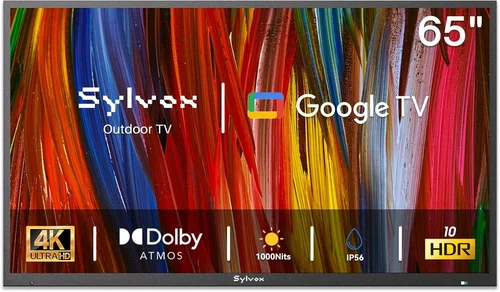
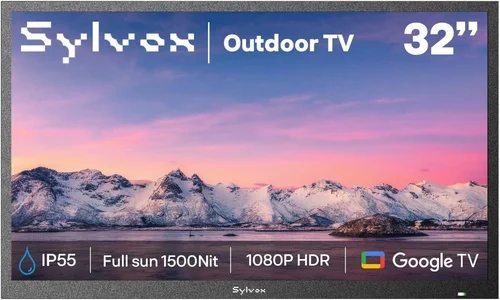
When shopping for a backyard TV, especially in windy areas, weather resistance isn’t optional—it’s essential. Wind often brings rain, snow, dust, and debris, all of which can damage sensitive electronics. That’s why you need a TV with a high Ingress Protection (IP) rating. The IP rating tells you how well a device resists solids (like dust) and liquids (like water). For outdoor use, look for at least an IP55 rating, but ideally IP65 or higher.
An IP65-rated TV is dust-tight and protected against water jets from any direction—perfect for areas where wind-driven rain is common. Some premium models even offer IP66 or IP67 ratings, meaning they can handle powerful water jets or temporary immersion. These ratings are especially important if your TV will be exposed to the elements without a full enclosure.
But don’t stop at the TV itself. Check the IP rating of the power supply, remote control, and any connected devices. A weak link in the chain—like a non-weatherproof power adapter—can compromise the entire system. Also, consider whether the TV comes with a protective cover or enclosure. Some models include built-in weather shields, while others require you to purchase a separate outdoor-rated housing.
2. Secure Mounting & Anti-Theft Features
In windy areas, how you mount your TV is just as important as the TV itself. A poorly secured mount can turn your $2,000 outdoor display into a dangerous projectile during a gusty afternoon. That’s why you need a heavy-duty, wind-resistant mounting system designed for outdoor use.
Look for mounts made from powder-coated aluminum or stainless steel—materials that resist rust and corrosion. The mount should be rated for at least twice the weight of your TV to ensure stability. For example, if your TV weighs 50 pounds, choose a mount rated for 100 pounds or more. This extra capacity accounts for wind force, which can exert significant pressure on the screen.
Tilt and swivel mounts offer flexibility, but in high-wind zones, a fixed mount is often safer. Fixed mounts have fewer moving parts and are less likely to loosen over time. If you do opt for a tilt or full-motion mount, make sure it has locking mechanisms to prevent unintended movement.
Anti-theft features are also crucial. Outdoor TVs are tempting targets for thieves, especially in visible areas. Look for mounts with security screws, lockable brackets, or integrated cable locks. Some manufacturers offer optional security kits that include tamper-resistant hardware and alarm systems.
3. Screen Size & Viewing Distance
Choosing the right screen size for your backyard depends on how far you’ll be sitting from the TV. A common mistake is buying a TV that’s too small for the space, leading to a poor viewing experience. Conversely, an oversized screen can be overwhelming and harder to secure in windy conditions.
As a general rule, your viewing distance should be about 1.5 to 2.5 times the diagonal screen size. So, for a 65-inch TV, you’ll want to sit between 8 and 14 feet away. In windy areas, larger screens catch more wind, increasing the risk of damage. A 75-inch TV has nearly 30% more surface area than a 65-inch model, meaning it will experience significantly more wind force.
If your seating area is close to the TV—say, 6 to 8 feet—a 55-inch or 65-inch model is ideal. For larger patios or decks, consider a 75-inch screen, but only if you have a robust mounting system and a sheltered location. Also, consider the aspect ratio. Most outdoor TVs are 16:9, but some ultra-widescreen models offer a cinematic experience—just ensure they’re compatible with your mounting hardware.
4. Brightness & Anti-Glare Technology
Outdoor TVs need to compete with natural light, especially on sunny days. A dim screen will look washed out, no matter how good the content. That’s why brightness—measured in nits—is a critical spec for backyard viewing.
For shaded or covered areas, a brightness of 500 to 700 nits is sufficient. But if your TV will be in direct sunlight or a partially covered space, aim for 1,000 nits or higher. Some premium outdoor TVs offer up to 2,500 nits, making them visible even at noon on a cloudless day.
Anti-glare technology is equally important. Look for screens with matte finishes or anti-reflective coatings. These reduce glare from the sun, water, or nearby lights, improving visibility and reducing eye strain. Some models also feature adaptive brightness sensors that adjust the screen’s luminance based on ambient light conditions.
5. Connectivity & Smart Features
Modern outdoor TVs come with a range of connectivity options, from HDMI and USB ports to Wi-Fi and Bluetooth. But in windy areas, you’ll want to minimize exposed cables and ensure all connections are secure.
Look for TVs with weatherproof input panels or rear-facing ports that can be covered with protective flaps. Some models include built-in cable management systems to keep wires organized and out of the wind. If you plan to connect a soundbar, streaming device, or gaming console, make sure there are enough ports and that they’re easily accessible.
Smart features are a bonus, but not all outdoor TVs support them. Some manufacturers offer “smart-ready” models that require an external streaming device like a Roku or Apple TV. Others have built-in smart platforms like Android TV or webOS. Consider your streaming habits: if you watch a lot of Netflix, Hulu, or YouTube, a smart TV will save you the hassle of extra hardware.
Just remember: smart features add complexity. In harsh environments, simpler systems are often more reliable. If you go the smart route, choose a model with regular software updates and strong customer support.
6. Power Requirements & Energy Efficiency
Outdoor TVs need a reliable power source, but running long extension cords across your yard is both unsafe and unsightly. Ideally, your TV should be connected to a dedicated outdoor electrical circuit with GFCI (Ground Fault Circuit Interrupter) protection. This prevents electrical shocks in wet conditions.
Check the TV’s power consumption, measured in watts. Most outdoor TVs range from 100 to 300 watts, depending on size and brightness. Larger, brighter models will use more energy. If you’re concerned about electricity costs, look for ENERGY STAR-certified models, which are up to 30% more efficient than standard TVs.
Some manufacturers offer solar-powered outdoor TV kits, which include a small solar panel and battery system. These are ideal for remote locations or off-grid setups, but they may not provide enough power for large screens or extended use.
7. Brand Reputation & Customer Support
Not all outdoor TV brands are created equal. Some specialize in rugged, weatherproof displays, while others repurpose indoor models with minimal modifications. Stick with reputable brands known for outdoor electronics, such as SunBriteTV, Seura, Peerless-AV, and Samsung’s The Terrace series.
Research customer reviews and look for feedback specific to windy or coastal environments. Pay attention to comments about build quality, mounting stability, and long-term durability. A brand with a strong warranty and responsive customer service is worth the extra cost.
Also, consider local availability. If something goes wrong, you’ll want a service center nearby or a company that offers on-site repairs. Some brands even provide installation services, which can be a lifesaver in challenging locations.
8. Warranty & Return Policy
Outdoor TVs are a significant investment, so protect yourself with a solid warranty. Most reputable brands offer at least a 2-year warranty, with some extending coverage to 3 or 5 years. Look for warranties that cover both parts and labor, and check if they include protection against weather-related damage.
Read the fine print: some warranties are voided if the TV is installed incorrectly or used in conditions outside the manufacturer’s specifications. For example, using an indoor TV outdoors—even with a cover—can void the warranty.
Return policies are also important. If the TV arrives damaged or doesn’t perform as expected, you’ll want a hassle-free return process. Most online retailers offer 30-day return windows, but some outdoor TV specialists provide longer trial periods—up to 60 or 90 days.
Different Types of Buying Guide

Common Buying Mistakes to Avoid
❌ Mistake: Using an Indoor TV Outdoors
Why it’s bad: Indoor TVs are not designed to handle moisture, temperature swings, or UV exposure. Even with a cover, they can overheat, suffer screen damage, or short-circuit in humid conditions. In windy areas, the risk is even higher—rain can seep into vents, and gusts can dislodge protective covers.
What to do instead: Invest in a TV specifically engineered for outdoor use. These models have sealed components, weatherproof casings, and thermal management systems. If budget is a concern, pair a high-quality indoor TV with a certified outdoor enclosure, but only from reputable manufacturers.
❌ Mistake: Choosing the Wrong Mount
Why it’s bad: A flimsy or undersized mount can fail under wind pressure, causing the TV to fall. This not only damages the TV but can injure people or pets below. Many buyers assume any wall mount will work, but outdoor mounts must withstand dynamic forces.
What to do instead: Use a mount rated for outdoor use with a weight capacity at least double your TV’s weight. Opt for fixed mounts in high-wind zones and ensure the wall or structure can support the load. Consult a structural engineer if mounting on a pergola or lightweight frame.
❌ Mistake: Ignoring Local Weather Patterns
Why it’s bad: Wind speed, direction, and frequency vary by location. A TV that works in a sheltered backyard might fail on a hilltop or beachfront property. Ignoring microclimates can lead to premature failure.
What to do instead: Research your area’s average wind speeds and seasonal patterns. Use windbreaks like hedges, fences, or pergolas to reduce exposure. Position the TV in a leeward (downwind) location whenever possible.
❌ Mistake: Overlooking Power and Cable Management
Why it’s bad: Exposed cables are vulnerable to wind, water, and pests. Loose wires can tangle, short out, or become tripping hazards. In extreme cases, they can cause electrical fires.
What to do instead: Run cables through conduit or use outdoor-rated cable raceways. Secure all connections with weatherproof junction boxes. Use cable ties and clips to keep wires tidy and out of the wind.
❌ Mistake: Skipping Professional Installation
Why it’s bad: DIY installations often lack precision. Improper mounting, incorrect wiring, or inadequate sealing can compromise safety and performance. In windy areas, even small errors can have big consequences.
What to do instead: Hire a certified outdoor AV installer. They have the tools, experience, and knowledge to ensure your TV is secure, level, and weatherproof. Many offer warranties on their work, giving you peace of mind.
❌ Mistake: Focusing Only on Price
Why it’s bad: The cheapest option isn’t always the best value. Low-cost outdoor TVs may use inferior materials, lack proper weather sealing, or have poor customer support. You could end up replacing the TV sooner than expected.
What to do instead: Consider total cost of ownership—including installation, maintenance, and potential repairs. A mid-range TV with a strong warranty may save you money in the long run.
❌ Mistake: Not Planning for Maintenance
Why it’s bad: Outdoor TVs require regular upkeep. Dust, pollen, and salt buildup can degrade performance over time. Neglecting maintenance can lead to overheating, reduced brightness, or component failure.
What to do instead: Clean the screen and vents monthly with a soft, dry cloth. Check seals and gaskets annually. Use a cover when the TV isn’t in use, especially during storms or off-seasons.
Budget Guidelines: How Much Should You Spend?
Entry-Level ($800 – $1,500): This tier includes indoor TVs paired with basic outdoor enclosures or budget-friendly weather-resistant models. Expect smaller screens (43–55 inches), lower brightness (500–700 nits), and limited smart features. Best for covered patios in mild climates with low to moderate wind. Brands like Vizio and TCL offer good value here, but ensure the enclosure is IP55-rated or higher.
Mid-Range ($1,500 – $3,500): The sweet spot for most buyers. These TVs offer 55–75-inch screens, 1,000+ nits brightness, and robust weatherproofing. Many include smart platforms, anti-glare screens, and secure mounting hardware. Ideal for windy areas with partial shelter. Look for models from SunBriteTV, Seura, or Samsung’s The Terrace series.
Premium ($3,500 – $6,000): For enthusiasts and professionals. These TVs feature 75-inch or larger screens, 2,000+ nits brightness, and commercial-grade durability. They often include advanced thermal management, built-in heaters for cold climates, and premium smart features. Perfect for coastal homes, mountain cabins, or large outdoor entertainment zones.
Luxury ($6,000+): Top-tier models designed for extreme conditions. These include fully enclosed, fan-cooled systems, anti-corrosion coatings, and 24/7 operation capability. Some even offer modular designs for custom installations. Best for luxury resorts, high-end homes, or public venues in hurricane-prone areas.
Expert Tips for Getting the Best Deal
– Buy during off-seasons: Outdoor TVs are in highest demand in spring and summer. Shop in late fall or winter for discounts of 15–30%. Many retailers clear inventory before the new year.
– Compare bundled packages: Some dealers offer TVs with mounts, cables, and covers at a reduced rate. These bundles can save you $200–$500 compared to buying separately.
– Check manufacturer rebates: Brands like SunBriteTV and Seura occasionally offer mail-in rebates or trade-in programs. Sign up for newsletters to stay informed.
– Negotiate installation: If you’re buying from a local AV shop, ask if they’ll waive or discount installation fees with a TV purchase. Many will, especially for high-ticket items.
– Read return policies carefully: Outdoor TVs are often non-returnable once installed. Ensure you have a trial period and understand restocking fees.
– Test before you buy: If possible, visit a showroom with an outdoor setup. See how the TV performs in daylight and check the build quality in person.
– Consider financing: Many retailers offer 0% APR financing for 12–24 months. This lets you spread the cost without interest, making premium models more accessible.
– Protect your investment: Add an extended warranty or homeowner’s insurance rider to cover weather-related damage. Some policies cover outdoor electronics, but check the fine print.

Frequently Asked Questions
Q: Can I use a regular TV outside if I cover it?
A: Technically yes, but it’s not recommended—especially in windy areas. Indoor TVs lack proper sealing, thermal management, and UV protection. Even with a cover, moisture can seep in, and the screen can overheat. For safety and longevity, use a TV designed for outdoor use.
Q: How do I protect my outdoor TV from wind damage?
A: Use a secure, heavy-duty mount, install the TV in a sheltered location, and consider windbreaks like fences or plants. Always use a weatherproof cover when the TV isn’t in use, and avoid placing it in direct wind paths.
Q: Do outdoor TVs need special power outlets?
A: Yes. Use a dedicated outdoor GFCI outlet to prevent electrical shocks. Avoid extension cords, and ensure all wiring is properly grounded and protected from the elements.
Q: Can I leave my outdoor TV on during a storm?
A: No. Even the most weatherproof TVs should be turned off and covered during severe weather. Lightning strikes can cause power surges, and high winds can damage the screen or mount.
Q: How often should I clean my outdoor TV?
A: Clean the screen and vents monthly with a soft, dry cloth. Avoid harsh chemicals or abrasive materials. Check seals and gaskets every 6–12 months for wear.
Q: Are outdoor TVs energy efficient?
A: Many modern outdoor TVs are ENERGY STAR certified and use LED backlighting, which is more efficient than older technologies. However, brighter screens consume more power, so choose the right size and brightness for your needs.
Q: Can I mount an outdoor TV on a pergola?
A: It depends on the pergola’s construction. If it’s made of sturdy wood or metal and anchored securely, yes—but consult a structural engineer first. Ensure the mount is rated for the TV’s weight and wind load.
Q: Do outdoor TVs come with remotes that work in sunlight?
A: Most do, but some remotes use infrared (IR), which can be disrupted by bright light. Look for models with RF (radio frequency) remotes, which work through walls and in direct sun.
Q: What’s the difference between an outdoor TV and a weatherproof TV?
A: “Outdoor TV” usually refers to models built specifically for outdoor use with full weather sealing, thermal management, and rugged construction. “Weatherproof TV” can sometimes mean an indoor TV with a protective cover—less reliable in extreme conditions.
Q: How long do outdoor TVs last?
A: With proper care, a high-quality outdoor TV can last 7–10 years or more. Factors like climate, usage, and maintenance play a big role. Coastal environments with salt air may reduce lifespan unless the TV has anti-corrosion coatings.
Our Final Recommendations
Best for Budget-Conscious Buyers: SunBriteTV Veranda Series 55-inch – At around $1,800, this model offers excellent weather resistance, 700 nits brightness, and a sleek design. It’s perfect for covered patios in moderate wind zones.
Best Overall Value: Seura Shade 65-inch Outdoor TV – Priced at $3,200, this TV delivers 1,200 nits brightness, anti-glare technology, and a built-in heater for cold climates. It’s ideal for windy, variable environments.
Best Premium Option: Samsung The Terrace 75-inch Full Sun – At $5,500, this is one of the brightest outdoor TVs on the market (2,500 nits) with a stunning QLED display. Built for extreme conditions, it’s perfect for beachfront or mountain homes.
Best for Beginners: Peerless-AV Outdoor TV Enclosure with 55-inch LG OLED – A great starter kit ($2,200) that combines a high-quality indoor TV with a certified outdoor housing. Easy to install and upgrade later.
Best for Advanced Users: SunBriteTV Pro Series 86-inch Commercial Grade – At $12,000, this is a beast—designed for 24/7 operation, hurricane resistance, and extreme brightness. Ideal for luxury estates or commercial use.
Conclusion: Making the Right Choice
Choosing the best backyard TV for windy areas isn’t just about picking the shiniest screen or the biggest brand. It’s about understanding your environment, prioritizing safety and durability, and investing in a system that will perform reliably year after year. From weather resistance and secure mounting to brightness and smart features, every detail matters when the wind starts to blow.
Remember: the cheapest option isn’t always the best, and the most expensive isn’t always necessary. Focus on your specific needs—your climate, your space, your budget—and choose accordingly. Don’t rush the decision. Take time to research, compare models, and consult experts if needed.
With the right TV and setup, your backyard can become a true extension of your home—a place to relax, entertain, and enjoy your favorite shows, no matter the weather. So go ahead, make the investment, and start building the outdoor entertainment space you’ve always dreamed of. Just make sure it’s built to last.

