
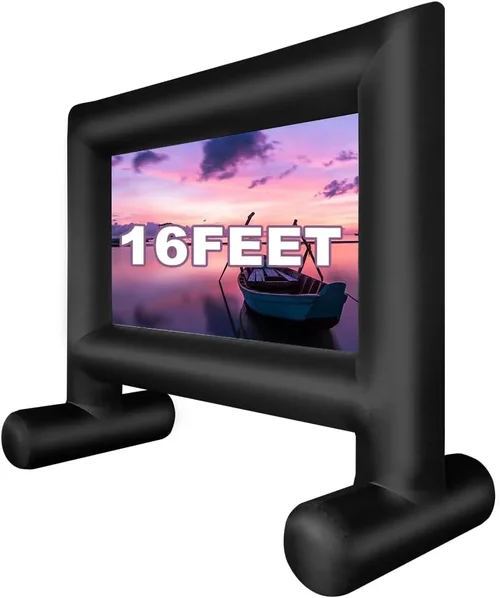
Summer is the season of backyard barbecues, pool parties, and outdoor movie nights under the stars. Whether you’re hosting a family gathering, watching the big game with friends, or setting up a cozy outdoor cinema experience, having the right TV can transform your outdoor space into a true entertainment hub. But choosing the best backyard TV isn’t as simple as picking up any old flat-screen from your living room. Outdoor environments present unique challenges—bright sunlight, humidity, temperature swings, and even curious critters—that demand specialized technology and durable construction.
That’s where this comprehensive buying guide comes in. We’ve tested, researched, and analyzed dozens of outdoor TVs to help you make an informed decision that fits your lifestyle, budget, and backyard setup. In the following pages, you’ll learn exactly what to look for in an outdoor television, from weather resistance and screen brightness to smart features and installation options. Whether you’re a casual weekend host or a full-time outdoor entertainer, this guide will walk you through every critical factor so you can enjoy crystal-clear visuals and reliable performance all summer long—and beyond.
The market for outdoor TVs has evolved significantly over the past decade. Once dominated by bulky, expensive custom-built models, today’s options include sleek, consumer-friendly displays that blend performance with practicality. From fully weatherproof all-season units to semi-outdoor models designed for covered patios, there’s now a solution for nearly every backyard scenario. Brands like Samsung, LG, SunBriteTV, and Seura have pioneered innovations in anti-glare coatings, high-brightness panels, and rugged enclosures. With prices ranging from under $1,000 to well over $5,000, understanding your needs and priorities is essential to getting the best value. This guide will cut through the marketing noise and give you the expert insight you need to choose confidently.

What to Look for When Buying Buying Guide
1. Weather Resistance & IP Rating
One of the most critical factors when selecting a backyard TV is its ability to withstand the elements. Unlike indoor TVs, outdoor models must resist moisture, dust, extreme temperatures, and UV exposure. The first thing to check is the TV’s Ingress Protection (IP) rating—a two-digit code that indicates how well the device is sealed against solids and liquids. For example, an IP55 rating means the TV is protected against dust (limited ingress) and water jets from any direction. For fully exposed areas like open patios or pool decks, look for at least IP55; for covered spaces like screened-in porches, IP44 may suffice.
Beyond the IP rating, consider the TV’s internal climate control. High-quality outdoor TVs often include built-in heaters and fans to regulate internal temperature. This prevents condensation in humid climates and protects components during cold snaps. Some premium models even feature sealed optical bonding, which eliminates air gaps between the screen and protective glass to reduce fogging and improve clarity in direct sunlight. Always verify whether the TV is rated for “all-weather” use or only “partial weather” (i.e., covered areas). Using a partial-weather TV in direct rain or snow can void warranties and lead to premature failure.
2. Screen Brightness & Anti-Glare Technology
Sunlight is the enemy of outdoor viewing. Even the brightest indoor TVs struggle to remain visible when mounted in direct sun. That’s why outdoor TVs must deliver significantly higher brightness levels—measured in nits—than their indoor counterparts. While a typical living room TV might output 300–500 nits, a quality outdoor model should deliver at least 700 nits, with premium units reaching 2,000 nits or more. This ensures that colors stay vibrant and details remain sharp even at midday.
Equally important is anti-glare technology. Look for TVs with optically bonded screens and anti-reflective coatings. These features minimize mirror-like reflections that can wash out the image when sunlight hits the display at an angle. Some manufacturers also use matte-finish glass instead of glossy coatings to further reduce glare. During your research, pay attention to real-world reviews that mention daytime visibility—spec sheets alone won’t tell the whole story. A TV might claim 1,500 nits, but if it lacks proper glare reduction, it could still be unwatchable on a sunny afternoon.
3. Build Quality & Durability
Outdoor TVs aren’t just about surviving the weather—they’re built to last. The enclosure should be constructed from corrosion-resistant materials like powder-coated aluminum or marine-grade stainless steel. Avoid plastic housings, which can degrade under UV exposure and become brittle over time. Check the thickness of the casing; thicker walls generally mean better insulation and structural integrity.
Internal components also matter. High-end outdoor TVs use industrial-grade capacitors, reinforced circuit boards, and sealed connectors that resist oxidation. These details may not be visible, but they directly impact longevity. Additionally, consider the mounting system. Many outdoor TVs come with proprietary wall mounts designed to withstand wind loads and provide secure attachment. If you plan to mount your TV on a freestanding pole or swing arm, ensure the VESA pattern matches standard brackets or that the manufacturer offers compatible accessories. A flimsy mount can turn a $3,000 investment into a dangerous liability during a summer storm.
4. Display Technology & Picture Quality
While brightness and durability are paramount outdoors, you still want great picture quality. Most outdoor TVs use either LED-LCD or OLED panels. LED-LCD is the dominant choice due to its higher peak brightness and lower cost. Look for models with local dimming zones, which improve contrast by dynamically adjusting backlight intensity across different areas of the screen. Full-array local dimming (FALD) delivers the best results, though edge-lit versions are more common in budget-friendly outdoor sets.
OLED TVs offer superior contrast and deeper blacks, but they’re rarely used in full-exposure outdoor environments because their peak brightness is typically lower than high-end LED models. However, some premium OLEDs are now available for covered outdoor spaces where direct sun isn’t a concern. Resolution-wise, 4K UHD is the standard for new outdoor TVs, providing sharp detail for sports, movies, and streaming content. HDR support (HDR10, Dolby Vision, or HLG) enhances color depth and dynamic range, making skies bluer and shadows more nuanced—perfect for summer sunsets and action-packed games.
5. Smart Features & Connectivity
Modern outdoor TVs aren’t just dumb screens—they’re full-fledged smart platforms. Built-in Wi-Fi, Bluetooth, and streaming apps (like Netflix, YouTube, and Disney+) allow you to cut the cord and enjoy content without extra hardware. Look for models running established operating systems such as webOS (LG), Tizen (Samsung), or Android TV, which offer intuitive interfaces and regular software updates.
Connectivity options are equally vital. Ensure the TV has multiple HDMI ports (preferably HDMI 2.1 for future-proofing), USB inputs for media playback, and audio outputs for external speakers or soundbars. Some outdoor TVs include weatherproof cable ports with rubber grommets to keep moisture out. If you plan to connect gaming consoles, cable boxes, or streaming sticks, verify input lag and refresh rate specs—especially if you’re into fast-paced sports or competitive gaming. A low input lag (under 20ms) ensures responsive controls, while a 120Hz panel provides smoother motion for live broadcasts.
6. Size & Viewing Distance
Choosing the right screen size depends on your seating arrangement and viewing distance. As a general rule, multiply your distance from the screen (in feet) by 12 to get the ideal diagonal screen size in inches. For example, if your outdoor seating is 10 feet away, a 120-inch screen (10 x 12) would be optimal. However, outdoor environments often have more ambient light and larger spaces, so erring on the larger side can enhance immersion.
Common outdoor TV sizes range from 43 inches (ideal for small decks or covered gazebos) to 85 inches or more (perfect for large backyards or drive-in-style setups). Keep in mind that larger screens require more powerful mounting solutions and may need additional ventilation. Also, consider the TV’s depth—some outdoor models are thicker than indoor ones due to protective casings. Measure your installation space carefully, including clearance for cables and airflow.
7. Audio Performance
While picture quality grabs attention, sound matters just as much—especially outdoors, where ambient noise from traffic, wind, or nearby conversations can drown out dialogue. Most outdoor TVs include built-in speakers, but they’re often limited in power and clarity due to space constraints within the sealed enclosure. Expect modest output (10–20 watts) and basic stereo sound.
For a truly immersive experience, plan to pair your TV with external outdoor speakers or a weather-resistant soundbar. Many models support Bluetooth audio streaming or optical/HDMI ARC outputs for easy integration. If you’re hosting parties, consider a multi-room audio system that syncs with your TV and extends music throughout the yard. Some premium outdoor TVs even feature enhanced audio processing or upward-firing drivers to simulate surround sound—but don’t rely solely on built-in audio for critical listening.
8. Installation & Maintenance
Installing an outdoor TV requires more planning than mounting one indoors. You’ll need to account for power supply, signal sources, cable management, and structural support. Hardwiring is recommended for permanent installations to avoid exposed cords that could trip guests or attract pests. Use conduit to protect cables from UV damage and moisture.
Maintenance is minimal but important. Clean the screen gently with a microfiber cloth and mild cleaner—never use ammonia-based products, which can damage anti-reflective coatings. Inspect seals and gaskets annually for cracks or wear. If your TV has a filter (some models include dust filters for ventilation), clean or replace it as needed. Finally, consider seasonal storage: if you live in a region with harsh winters, some homeowners remove their TVs during off-seasons to extend lifespan—though true all-weather models are designed to stay year-round.
Different Types of Buying Guide

Common Buying Mistakes to Avoid
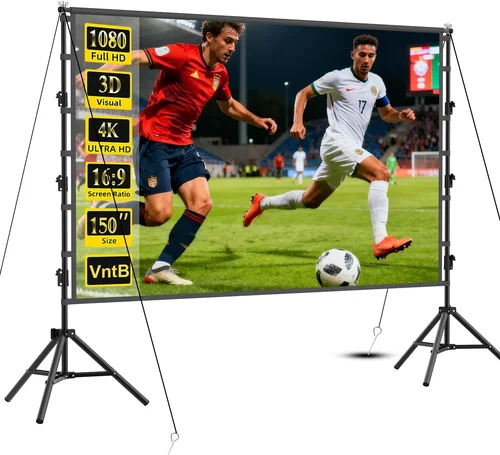
❌ Mistake: Using an Indoor TV Outdoors
Why it’s bad: Indoor TVs lack weatherproofing, proper ventilation, and UV-resistant components. Exposure to moisture, heat, or direct sunlight can cause immediate damage, including screen burn-in, internal corrosion, or electrical failure. Most manufacturers void warranties if used outdoors.
What to do instead: Invest in a purpose-built outdoor TV or use a certified outdoor enclosure if you must repurpose an indoor model. Never assume “it’ll be fine under the awning”—unexpected rain or humidity can still ruin electronics.
❌ Mistake: Ignoring Sunlight Conditions
Why it’s bad: A TV that looks great in a dim showroom may be completely unwatchable in direct afternoon sun. Many buyers regret their purchase after realizing the screen is too dim or too reflective for their specific yard orientation.
What to do instead: Assess your installation spot throughout the day. Note when and where sunlight hits the wall. Choose a TV with sufficient brightness (700+ nits for shade, 1,500+ for sun) and anti-glare features. Consider installing an awning or shade sail if needed.
❌ Mistake: Overlooking Audio Needs
Why it’s bad: Relying solely on built-in TV speakers often leads to poor dialogue clarity and weak bass, especially in noisy outdoor settings. Guests may struggle to hear during windy days or lively parties.
What to do instead: Budget for outdoor speakers or a soundbar from day one. Look for weather-resistant models with wireless connectivity. Test audio setup during daylight hours to ensure coverage across your seating area.
❌ Mistake: Skimping on Mounting Hardware
Why it’s bad: Standard indoor mounts aren’t designed for outdoor conditions. Wind, vibration, and temperature changes can loosen bolts or warp brackets, creating safety hazards.
What to do instead: Use manufacturer-recommended outdoor mounts or heavy-duty alternatives rated for your TV’s weight and size. Anchor securely into studs or concrete, and use stainless steel hardware to prevent rust.
❌ Mistake: Not Planning for Cable Management
Why it’s bad: Exposed cables are tripping hazards, attract pests, and degrade quickly under UV exposure. Poor routing can also interfere with signal quality.
What to do instead: Run cables through waterproof conduit or use in-wall solutions where possible. Label all connections and keep spare lengths coiled neatly behind the TV for future adjustments.
❌ Mistake: Forgetting About Power Requirements
Why it’s bad: Outdoor TVs often draw more power due to cooling systems and high-brightness backlights. Overloading a single outdoor outlet can trip breakers or create fire risks.
What to do instead: Consult an electrician to ensure your outdoor circuit can handle the load. Install a dedicated GFCI outlet near the TV location for safety and convenience.
❌ Mistake: Buying Based Solely on Price
Why it’s bad: The cheapest option may lack essential features like proper weather sealing or adequate brightness, leading to frustration and premature replacement.
What to do instead: Balance cost with long-term value. A mid-range outdoor TV with solid build quality and good reviews often outperforms a bargain model that fails within a year.
Budget Guidelines: How Much Should You Spend?
Entry-Level ($800 – $1,500): This tier includes portable outdoor TVs and indoor models in basic enclosures. Expect limited brightness (500–700 nits), minimal weather resistance (IP44 or lower), and basic smart features. Best for covered patios, occasional use, or renters who need flexibility. Picture quality is decent but may struggle in bright conditions.
Mid-Range ($1,500 – $3,500): The sweet spot for most homeowners. These TVs offer true partial-weather or all-weather certification, 700–1,500 nits brightness, anti-glare screens, and robust smart platforms. Brands like SunBriteTV Veranda and Samsung The Terrace fall here. You’ll get reliable performance, good audio options, and solid build quality—ideal for regular summer entertaining.
Premium ($3,500 – $6,000): Designed for enthusiasts and serious entertainers. Expect 1,500+ nits brightness, full-array local dimming, Dolby Vision HDR, and advanced climate control. Models like the SunBriteTV Pro Series or Seura Outdoor TVs deliver near-indoor picture quality with unmatched durability. Perfect for large backyards, pool parties, or year-round use in variable climates.
Luxury ($6,000+): Top-tier commercial-grade or custom-built solutions. These units feature 2,000+ nits brightness, 24/7 operation capability, modular designs, and professional installation support. Ideal for luxury homes, hospitality venues, or those who demand the absolute best in outdoor viewing. While overkill for casual users, they offer unmatched longevity and performance.
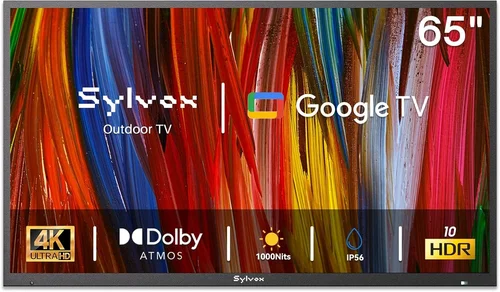
Expert Tips for Getting the Best Deal
- Shop During Off-Seasons: The best deals on outdoor TVs occur in late fall and winter (October–February) when demand drops. Retailers often discount last year’s models to clear inventory before spring launches.
- Compare Retailers Strategically: While big-box stores like Best Buy or Costco offer convenience, specialty retailers (e.g., Crutchfield, Abt Electronics) often provide better warranties, expert advice, and bundled packages. Check manufacturer websites for direct-to-consumer discounts.
- Look for Bundled Packages: Many brands offer “outdoor entertainment kits” that include the TV, mount, and speakers at a reduced rate. These can save 10–20% versus buying components separately.
- Verify Warranty Coverage: Outdoor TVs should come with at least a 2–3 year warranty that explicitly covers outdoor use. Avoid extended warranties from third-party sellers—they rarely honor claims for weather-related damage.
- Read Real User Reviews: Spec sheets don’t tell the whole story. Search for reviews from users in similar climates or backyard setups. Pay attention to comments about daytime visibility, remote control range, and long-term reliability.
- Test Before Committing: If possible, visit a showroom or borrow a friend’s setup to evaluate brightness and glare in real-world conditions. Some retailers offer 30-day return policies for outdoor TVs—use them wisely.
- Consider Energy Efficiency: High-brightness TVs consume more power. Look for ENERGY STAR certification or models with eco modes to reduce electricity costs during long summer nights.
- Plan for Future Upgrades: Choose a TV with HDMI 2.1, eARC, and robust smart features to ensure compatibility with next-gen devices like 8K sources or advanced sound systems.

Frequently Asked Questions
Q: Can I use a regular TV outside if it’s under a covered patio?
A: Technically yes, but it’s not recommended. Even covered areas can experience humidity, temperature swings, and indirect moisture. Most indoor TVs lack proper ventilation and UV protection, which can shorten lifespan. For reliable performance, invest in a partial-weather outdoor TV designed for covered spaces.
Q: How do I clean my outdoor TV screen?
A: Use a soft, lint-free microfiber cloth slightly dampened with distilled water or a screen-safe cleaner. Never spray liquid directly on the screen. Avoid ammonia, alcohol, or abrasive materials, which can damage anti-reflective coatings. Clean gently in circular motions.
Q: Will my outdoor TV work in winter?
A: It depends on the model. All-weather outdoor TVs are built to operate in temperatures from -22°F to 122°F (-30°C to 50°C) and include internal heaters for cold starts. Partial-weather models may not handle freezing conditions. Always check the manufacturer’s operating temperature range.
Q: Do outdoor TVs need special remotes?
A: Most come with standard IR remotes, but some premium models include RF (radio frequency) remotes that work through walls and at longer distances—ideal for large yards. Consider a universal remote or smartphone app for easier control.
Q: Can I stream Netflix or Disney+ on an outdoor TV?
A: Yes! Most modern outdoor TVs run full smart platforms with access to major streaming apps. Ensure your Wi-Fi signal reaches the installation area; consider a mesh network extender if needed.
Q: How long do outdoor TVs last?
A: With proper care, a quality outdoor TV can last 7–10 years or more. Cheaper models or those used in harsh conditions may fail sooner. Regular maintenance and avoiding extreme misuse significantly extend lifespan.
Q: Are outdoor TVs worth the extra cost?
A: Absolutely—if you use your backyard regularly. The durability, visibility, and peace of mind justify the premium over repurposed indoor TVs. Think of it as an investment in your home’s entertainment value and resale appeal.
Q: Can I mount my outdoor TV on a swing arm?
A: Yes, but only if the arm is rated for outdoor use and supports the TV’s weight and VESA pattern. Ensure the arm is securely anchored and allows for cable routing without pinching. Some manufacturers offer compatible articulating mounts.
Q: What’s the difference between “outdoor TV” and “weatherproof TV”?
A: These terms are often used interchangeably, but “outdoor TV” typically refers to purpose-built models with integrated weather protection, while “weatherproof TV” may describe indoor TVs in external enclosures. Always verify certification and IP rating.
Q: Do I need professional installation?
A: Not necessarily, but it’s highly recommended for permanent setups, especially if hardwiring or structural modifications are involved. Professionals ensure proper grounding, cable management, and compliance with local codes.
Our Final Recommendations
Best for Budget-Conscious Buyers: SunBriteTV Veranda Series (55″) – At around $1,800, this partial-weather model delivers excellent brightness (1,000 nits), solid build quality, and reliable smart features. Perfect for covered patios and casual viewing.
Best Overall Value: Samsung The Terrace (65″) – Priced near $3,200, it combines stunning 4K HDR picture, 1,500-nit brightness, and a sleek design. Its anti-glare screen and robust weatherproofing make it ideal for most backyard setups.
Best Premium Option: SunBriteTV Pro Series (75″) – For serious entertainers, this all-weather beast offers 2,000+ nits, full-array local dimming, and military-grade durability. Expect to pay $5,500+, but you’re getting a TV that rivals indoor flagship models.
Best for Beginners: Seura Outdoor TV (50″) – User-friendly interface, easy setup, and reliable performance make this a great entry point. At $2,400, it balances simplicity with quality.
Best for Advanced Users: Peerless-AV Xtreme Outdoor Display (86″) – A commercial-grade powerhouse with modular design, 24/7 operation, and customizable configurations. Ideal for tech-savvy homeowners who want ultimate control and scalability.
Conclusion: Making the Right Choice
Choosing the best backyard TV for summer parties isn’t just about picking the shiniest screen—it’s about matching technology to your environment, lifestyle, and long-term goals. From weather resistance and screen brightness to smart features and audio quality, every detail contributes to a seamless outdoor entertainment experience. By prioritizing your specific needs—whether that’s a budget-friendly setup for weekend barbecues or a premium system for year-round hosting—you’ll avoid common pitfalls and enjoy countless memorable moments under the open sky.
Remember, the right TV doesn’t just show the game or movie; it becomes the centerpiece of your backyard oasis, enhancing connections with family and friends. Take the time to assess your space, read real reviews, and invest in quality. With the insights from this guide, you’re now equipped to make a confident, informed decision that will keep your summer parties lively and your outdoor space inviting for years to come. So fire up the grill, invite the neighbors, and press play—your perfect backyard viewing experience awaits.

