
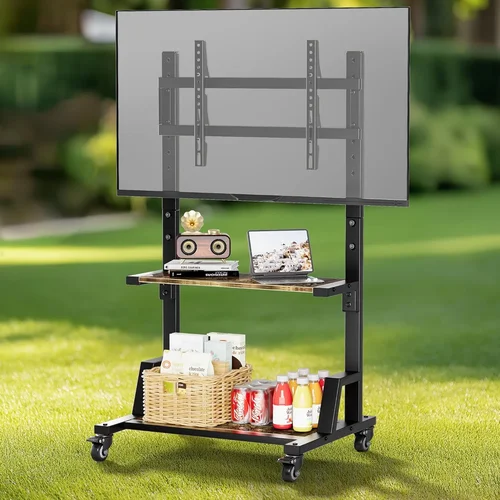
Transforming your backyard into a year-round entertainment hub is no longer a luxury reserved for the wealthy. With the rise of outdoor living trends, more homeowners are investing in amenities like outdoor kitchens, fire pits, and—most importantly—weather-resistant televisions. Whether you’re hosting a summer pool party, relaxing with a movie under the stars, or catching the big game while lounging by the water, having a reliable backyard TV can elevate your outdoor experience to new heights.
But not all TVs are built for the elements. Standard indoor televisions simply aren’t designed to withstand humidity, temperature swings, UV exposure, or accidental splashes—common hazards in a pool area. That’s why choosing the right outdoor TV is critical. A poorly selected model could fail within months, leaving you frustrated and out of pocket. This guide exists to help you avoid that fate. We’ll walk you through everything you need to know—from key technical specs and build quality to budget considerations and real-world performance—so you can make a confident, informed decision.
The market for outdoor TVs has expanded significantly in recent years, offering options ranging from budget-friendly partial-outdoor models to fully weatherproof, high-brightness displays engineered for direct sunlight. Brands like Samsung, LG, Sony, and specialized outdoor manufacturers such as Seura, SunBriteTV, and Sylvane have entered the fray, each offering unique advantages. However, with so many choices and conflicting claims, it’s easy to get overwhelmed. Our goal is to cut through the noise and deliver a comprehensive, expert-level buying guide tailored specifically for poolside use. By the end, you’ll know exactly what to look for, what to avoid, and which models offer the best value for your needs.

What to Look for When Buying Buying Guide
1. Weather Resistance & IP Rating
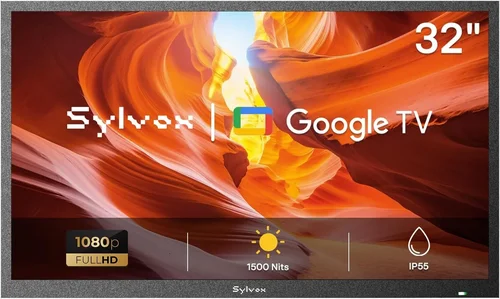
When it comes to outdoor TVs, weather resistance isn’t optional—it’s essential. Your TV will be exposed to rain, humidity, dust, salt air (if you live near the coast), and even pool chemicals like chlorine. That’s why the Ingress Protection (IP) rating is one of the most critical specs to check. The IP rating consists of two digits: the first indicates protection against solid particles (like dust), and the second against liquids (like water). For pool areas, look for a minimum IP55 rating, but ideally IP65 or higher. An IP65-rated TV is dust-tight and protected against low-pressure water jets from any direction—perfect for splash zones.
Beyond the IP rating, consider the TV’s enclosure. Fully sealed outdoor TVs often feature aluminum or powder-coated steel housings that resist corrosion. Some models also include internal heaters or cooling fans to regulate temperature in extreme climates. For example, if you live in a region with harsh winters, a TV with a built-in heater ensures the screen won’t freeze during cold snaps. Conversely, in hot desert climates, active cooling prevents overheating and extends component life.
Don’t assume that placing a regular TV under a covered patio makes it “outdoor-ready.” Even partial exposure to moisture can cause internal damage over time. True outdoor TVs are engineered from the ground up for environmental resilience, with sealed ports, waterproof connectors, and components rated for extended outdoor use.
2. Brightness & Anti-Glare Performance
One of the biggest challenges with outdoor viewing is glare—especially near a pool, where sunlight reflects off water surfaces. Standard indoor TVs typically peak at 300–500 nits of brightness, which is fine for a dim living room but nearly invisible in direct sunlight. For poolside use, you’ll want a TV with at least 700 nits, but ideally 1,000 nits or more. High brightness ensures the image remains vivid and watchable even at midday.
Equally important is the screen’s anti-reflective coating. Many outdoor TVs use optically bonded glass with anti-glare treatments that diffuse ambient light rather than reflecting it. This reduces washout and improves contrast. Some premium models, like those from SunBriteTV, feature proprietary “Veranda” or “Pro Series” screens designed specifically for bright environments. These often include additional layers that filter UV rays and reduce heat absorption, further protecting the display.
If your TV will be mounted in a spot that gets direct sun for part of the day, consider the angle of installation. A slight tilt away from the sun’s path can help, but it’s no substitute for a high-brightness, anti-glare screen. Also, note that brightness can affect power consumption and heat output, so ensure your mounting location allows for adequate ventilation.
3. Build Quality & Durability
Outdoor TVs endure more stress than their indoor counterparts. Temperature fluctuations, humidity, and physical impacts (like flying pool toys or debris during storms) all take a toll. That’s why build quality matters immensely. Look for TVs with robust, rust-resistant materials—powder-coated aluminum is ideal, as it resists corrosion and provides excellent heat dissipation.
Internal components should also be rated for outdoor use. This includes capacitors, circuit boards, and wiring that can handle moisture and temperature extremes. Some manufacturers go the extra mile by using conformal coating on internal electronics—a protective layer that shields against humidity and dust.
Mounting hardware is another durability factor. Ensure the TV comes with or is compatible with a heavy-duty, weatherproof mount rated for outdoor use. Vibration from wind or nearby activity can loosen standard mounts over time, so opt for reinforced brackets with locking mechanisms. Additionally, check cable management solutions—exposed wires are vulnerable to weather and pests.
Real-world testing matters too. Look for brands that conduct accelerated aging tests, simulating years of exposure in months. User reviews often reveal long-term reliability issues that specs alone won’t show. For instance, some budget outdoor TVs may work fine for a season but develop screen fogging or speaker failure after prolonged humidity exposure.
4. Smart Features & Connectivity
Just because your TV is outdoors doesn’t mean it should lack modern conveniences. Most buyers want access to streaming services like Netflix, YouTube, and Disney+, so smart functionality is a must. Ensure the TV runs a current operating system—Android TV, webOS, or Tizen are common—and receives regular software updates. Outdated platforms can become security risks and lose app support over time.
Connectivity options are equally important. Look for multiple HDMI ports (at least two, preferably three), USB inputs, and audio outputs. If you plan to connect a soundbar or outdoor speakers, check for optical audio or Bluetooth support. Some models also include weatherproof external media bays, allowing you to plug in a streaming stick or hard drive without exposing it to the elements.
Wi-Fi performance can be tricky outdoors. Thick walls, distance from the router, and interference from pool equipment can weaken signals. Consider a TV with dual-band Wi-Fi (2.4 GHz and 5 GHz) and strong antenna design. Alternatively, run an Ethernet cable to the TV location for a stable, high-speed connection. Power over Ethernet (PoE) isn’t common in consumer TVs yet, but hardwired internet is worth the effort for reliability.
Voice control via Alexa or Google Assistant is a nice bonus, especially when your hands are wet or full. Just ensure the microphone array is weather-sealed and functional in outdoor acoustics.
5. Size & Viewing Distance
Choosing the right screen size depends on your viewing distance and seating layout. For pool areas, viewers are often spread out—some lounging on chairs, others floating in the water. A general rule of thumb: for every 1.5 feet of viewing distance, aim for 10 inches of screen size. So, if your closest seat is 8 feet away, a 55-inch TV is appropriate. At 12 feet, go for 65 inches or larger.
However, brightness and resolution also play a role. A 4K TV at 65 inches will look sharper and more immersive than a 1080p model of the same size, especially at closer distances. If your TV will be viewed from multiple angles (e.g., from the pool, deck, and patio), consider a model with wide viewing angles—OLED and high-end QLED panels perform best here.
Don’t forget about mounting height. The center of the screen should be at or slightly below eye level when seated. For poolside viewing, this often means mounting the TV higher than indoors, especially if people will be standing or floating. Use a tilting or full-motion mount to adjust the angle for optimal comfort.
Portability is another consideration. Some homeowners want the flexibility to move the TV between the pool area and a covered patio or garage. In that case, look for lighter models with built-in handles or compatible with portable outdoor TV carts. However, true outdoor TVs are often heavier due to their rugged construction, so mobility may require extra planning.
6. Audio Quality & Sound Solutions
Most outdoor TVs have limited built-in speakers due to space and weatherproofing constraints. While adequate for casual listening, they often lack the depth and volume needed for a lively pool party. That’s why many users pair their TV with external audio systems.
Consider investing in weather-resistant outdoor speakers or a soundbar designed for exterior use. Brands like Polk, Bose, and Yamaha offer models that blend into landscaping or mount discreetly near the TV. Wireless options simplify installation, but wired systems typically deliver better sound quality and reliability.
If you’re using Bluetooth speakers, ensure they have sufficient range and battery life. Latency can also be an issue—audio may lag behind video, disrupting the viewing experience. Look for speakers with aptX Low Latency or similar technology to minimize delay.
For larger gatherings, a multi-zone audio system lets you sync sound across the pool, deck, and outdoor kitchen. Some smart TVs support this natively, while others require a separate receiver or hub.
7. Brand Reputation & Reliability
Not all outdoor TV brands are created equal. Established names like Samsung and LG offer outdoor-compatible models, but they’re often adaptations of indoor TVs with added weatherproofing—not purpose-built designs. Specialized manufacturers like SunBriteTV, Seura, and Sylvane focus exclusively on outdoor displays, which often translates to better engineering and longer lifespans.
Research brand reputation through professional reviews, user forums, and warranty claims data. A brand with a history of responsive customer service and transparent failure rates is more likely to stand behind its products. Avoid obscure brands with limited support networks—repairing an outdoor TV can be costly and logistically challenging.
Also, consider regional availability. Some brands only sell through certified dealers or specific retailers, which can affect installation support and part availability. If you live in a remote area, choose a brand with nationwide service coverage or strong online support.
8. Warranty & Support
Outdoor TVs are a significant investment, so robust warranty coverage is non-negotiable. Look for at least a 2-year manufacturer warranty, with 3 years or more being ideal. Some premium brands offer extended warranties that cover accidental damage, power surges, or environmental failures—critical for poolside use where mishaps are more likely.
Check what the warranty includes. Does it cover labor and parts? Is on-site service available? Are replacement units shipped quickly? Read the fine print: some warranties void if the TV is installed incorrectly or used in conditions outside its rated specs.
Customer support responsiveness matters too. Can you reach a human quickly? Is technical support knowledgeable about outdoor installations? Brands with dedicated outdoor product teams tend to provide better assistance than general consumer support lines.
Different Types of Buying Guide

Common Buying Mistakes to Avoid
❌ Mistake: Buying a Regular Indoor TV for Outdoor Use
Why it’s bad: Indoor TVs lack weatherproofing, have low brightness, and aren’t built to handle temperature swings. Even under a covered patio, humidity and condensation can damage internal components within months.
What to do instead: Invest in a TV specifically designed for outdoor use. If budget is tight, choose a partial outdoor model rated for covered areas—but never use a standard TV outdoors.
❌ Mistake: Ignoring the IP Rating
Why it’s bad: Without a proper IP rating, you have no guarantee the TV can handle moisture or dust. A TV marketed as “outdoor-ready” but lacking an IP55+ rating is likely not truly weatherproof.
What to do instead: Always verify the IP rating and understand what it means. For pool areas, IP65 is the minimum acceptable standard.
❌ Mistake: Overlooking Brightness Requirements
Why it’s bad: A dim screen turns your outdoor TV into a useless black mirror on sunny days. You’ll strain to see the picture, defeating the purpose of the investment.
What to do instead: Aim for at least 700 nits, but 1,000+ nits is ideal for direct sunlight. Check real-world reviews—not just specs—to confirm brightness performance.
❌ Mistake: Skimping on the Mount
Why it’s bad: A flimsy mount can fail in windy conditions, damaging the TV or causing injury. Standard indoor mounts aren’t rated for outdoor stress.
What to do instead: Use a heavy-duty, weatherproof mount with corrosion-resistant hardware. Consider professional installation for safety and stability.
❌ Mistake: Neglecting Audio Needs
Why it’s bad: Built-in TV speakers are often weak and muffled outdoors. You’ll miss dialogue during wind or pool activity.
What to do instead: Plan for external weatherproof speakers or a soundbar from day one. Include audio in your total budget.
❌ Mistake: Forgetting About Power and Connectivity
Why it’s bad: Running cables through walls or across decks without proper conduits invites water damage and tripping hazards.
What to do instead: Hire an electrician to install weatherproof outlets and in-wall conduits. Use outdoor-rated cables and connectors.
❌ Mistake: Not Checking Warranty Details
Why it’s bad: A short or restrictive warranty leaves you vulnerable to costly repairs if the TV fails prematurely.
What to do instead: Read the warranty thoroughly. Choose brands with at least 2–3 years of coverage and clear terms for outdoor use.
Budget Guidelines: How Much Should You Spend?
Entry-Level ($800 – $1,500): These are typically partial outdoor TVs designed for covered patios or screened-in areas. They offer improved brightness (500–700 nits) and basic weather resistance (IP54 or IP55). Brands like Samsung’s “The Terrace” Lite series fall here. Expect decent smart features and build quality, but limited durability in direct exposure. Best for mild climates and shaded installations.
Mid-Range ($1,500 – $3,000): This is the sweet spot for most pool owners. Full outdoor TVs in this range offer IP65 ratings, 1,000+ nits brightness, and robust aluminum enclosures. Models like the SunBriteTV Veranda Series or Seura Outdoor TVs deliver excellent performance, reliable smart platforms, and solid warranties. They’re built to last 5–7 years with proper care.
Premium ($3,000 – $5,000): For enthusiasts and those in extreme climates, premium models provide top-tier brightness (1,500+ nits), advanced thermal management, and commercial-grade components. These TVs often include features like anti-reflective coatings, enhanced audio, and modular designs for easy service. Ideal for direct sun exposure or coastal environments.
Luxury ($5,000+): At this level, you’re investing in cutting-edge technology and bespoke solutions. Think ultra-thin outdoor OLEDs, custom enclosures, integrated lighting, or even motorized lift systems that hide the TV when not in use. These are for homeowners who want the absolute best and aren’t constrained by budget.
Expert Tips for Getting the Best Deal
- Buy during off-season: Late fall and winter are the best times to purchase outdoor TVs. Retailers often discount inventory to make room for spring stock. Look for Black Friday, Cyber Monday, or post-holiday sales.
- Shop authorized dealers: Avoid third-party sellers on marketplaces like Amazon or eBay unless they’re certified. Unauthorized sellers may offer lower prices but void warranties or sell refurbished units as new.
- Bundle with installation: Many dealers offer discounted or free installation with purchase. This ensures proper setup and maintains warranty validity.
- Negotiate extended warranties: Ask if the retailer can include an extra year of coverage at no cost—especially during promotions.
- Check for rebates: Some manufacturers offer mail-in rebates or trade-in programs for old TVs. These can save $100–$300.
- Test before finalizing: If possible, view the TV in person under bright lighting. Compare brightness, color accuracy, and menu responsiveness.
- Read return policies: Ensure you can return or exchange the TV within 30 days if it doesn’t meet expectations. Outdoor TVs are hard to resell privately.
- Consider refurbished models: Certified refurbished units from reputable brands often come with full warranties and significant savings—up to 30% off retail.

Frequently Asked Questions
Q: Can I use a regular TV under a covered patio?
A: Technically yes, but it’s not recommended. Even covered areas can experience high humidity, temperature swings, and accidental splashes. A partial outdoor TV with IP55 rating is a safer, longer-lasting choice.
Q: Do outdoor TVs need special power outlets?
A: They use standard 120V outlets, but the outlet should be GFCI-protected (required near water sources) and weatherproof. Always consult a licensed electrician for safe installation.
Q: How do I clean an outdoor TV screen?
A: Use a microfiber cloth and a mild solution of water and isopropyl alcohol (50/50). Avoid ammonia-based cleaners, which can damage anti-reflective coatings. Power off the TV before cleaning.
Q: Will an outdoor TV work in winter?
A: Yes, if it’s rated for cold climates. Look for models with operating temperatures down to -22°F (-30°C) and built-in heaters. Avoid turning on the TV if it’s been exposed to freezing temps without acclimating indoors first.
Q: Can I mount an outdoor TV on a pole or post?
A: Absolutely. Many homeowners use freestanding poles for 360-degree viewing. Ensure the pole is anchored securely and the mount is rated for wind load.
Q: Do outdoor TVs consume more power?
A: Slightly, due to higher brightness and internal cooling/heating. However, modern LED models are still energy-efficient. Look for ENERGY STAR certification if power usage is a concern.
Q: What’s the lifespan of an outdoor TV?
A: With proper care, most quality outdoor TVs last 5–8 years. Harsh environments or poor maintenance can shorten this. Regular cleaning and avoiding extreme temperature shocks help prolong life.
Q: Can I use a projector instead of a TV?
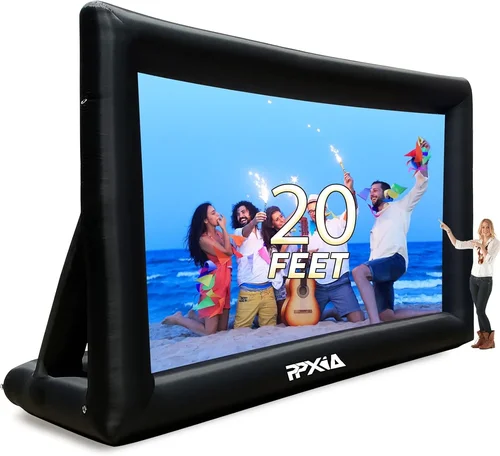
A: Projectors can work for outdoor movie nights, but they struggle in ambient light and require a screen. For daily use near a pool, a dedicated outdoor TV offers better reliability, brightness, and convenience.
Q: Are outdoor TVs secure against theft?
A: Most are not inherently theft-proof, but you can enhance security with locking mounts, security cables, or smart locks. Consider installing in a visible area or adding surveillance.
Q: Do I need a permit to install an outdoor TV?
A: Usually not, but electrical work may require inspection depending on local codes. Always check with your municipality before starting installation.
Our Final Recommendations
Best for Budget-Conscious Buyers: Samsung The Terrace Lite (55”) – At around $1,200, this partial outdoor TV offers solid brightness (700 nits), IP55 rating, and Samsung’s reliable Tizen OS. Ideal for covered patios with minimal direct exposure.
Best Overall Value: SunBriteTV Veranda Series (65” 4K) – Priced around $2,200, this full outdoor TV delivers 1,000 nits brightness, IP65 rating, and excellent color accuracy. It’s built to last and performs beautifully in direct sun.
Best Premium Option: Seura Outdoor TV with Heated Glass (75”) – At $4,500+, this luxury model features heated anti-reflective glass, 1,500 nits brightness, and a sleek design. Perfect for high-end homes and extreme climates.
Best for Beginners: Sylvane Outdoor TV (55” Smart 4K) – A user-friendly option with easy setup, strong Wi-Fi, and clear instructions. Great for first-time outdoor TV buyers who want reliability without complexity.
Best for Advanced Users: SunBriteTV Pro Series with Integrated Sound (75”) – This commercial-grade TV includes built-in weatherproof speakers, advanced thermal regulation, and modular components for easy upgrades. Ideal for tech-savvy homeowners who demand peak performance.
Conclusion: Making the Right Choice
Choosing the best backyard TV for your pool area is about balancing performance, durability, and budget. It’s not just about buying a screen—it’s about investing in a centerpiece for outdoor entertainment that will withstand the elements and deliver years of enjoyment. By prioritizing weather resistance, brightness, build quality, and smart features, you’ll avoid common pitfalls and select a TV that truly enhances your lifestyle.
Remember, the cheapest option isn’t always the best value. A $1,000 TV that fails after two seasons costs more in frustration and replacement than a $2,500 model that lasts a decade. Take the time to assess your specific needs: How much sun does your pool area get? Will the TV be used daily or occasionally? Do you need portability or permanent installation?
Use this guide as your roadmap. Compare models, read real user reviews, and consult with professionals when needed. And when you’re ready to buy, leverage seasonal sales and bundle deals to maximize your investment.
Your backyard oasis deserves the best. With the right TV, every sunset swim, weekend barbecue, and movie night under the stars becomes a little more magical. Make the smart choice—your future self will thank you.

