
Outdoor living spaces have evolved far beyond simple patios and decks. Today’s backyards are fully equipped entertainment zones—complete with grills, fire pits, sound systems, and yes, outdoor TVs. But if you live in a rainy climate—think Pacific Northwest, UK, Ireland, parts of Japan, or the Gulf Coast—you can’t just slap a regular indoor TV outside and hope for the best. Rain, humidity, temperature swings, and even morning dew can wreak havoc on standard electronics not built for the elements.
That’s where this guide comes in. Whether you’re watching the big game under your covered porch, catching up on your favorite series by the pool, or enjoying a movie night under string lights, choosing the right outdoor TV for a wet environment is critical. A poor choice could mean fried circuitry, foggy screens, or a hefty replacement bill after just one stormy season. This comprehensive buying guide cuts through the marketing noise and delivers expert-level advice tailored specifically to rainy climates. You’ll learn what features truly matter, which brands stand up to the test of time, how to avoid costly mistakes, and how to get the best value for your investment.
The market for outdoor TVs has grown significantly in recent years, driven by advances in weatherproofing technology and consumer demand for year-round outdoor entertainment. However, not all “outdoor” TVs are created equal—especially when it comes to handling persistent moisture. Some models are designed for fully exposed areas, while others are better suited for covered patios. Understanding these distinctions, along with key performance specs, build quality, and real-world durability, will help you make a smart, long-lasting purchase. By the end of this guide, you’ll be equipped with everything you need to choose the perfect backyard TV that laughs in the face of rain, sleet, and humidity.
What to Look for When Buying Buying Guide
1. Weather Resistance Rating (IP Rating)
When shopping for an outdoor TV in a rainy climate, the first thing to check is its Ingress Protection (IP) rating. This two-digit code tells you exactly how well the TV resists dust and water. For rainy environments, you want at least an IP55 rating—this means the TV is protected against low-pressure water jets from any direction and limited dust ingress. However, for maximum peace of mind in heavy or constant rain, aim for IP65 or higher. An IP65-rated TV is dust-tight and can withstand powerful water jets, making it ideal for uncovered decks or areas with frequent downpours.
Don’t confuse “weather-resistant” with “weatherproof.” Many manufacturers use vague terms like “all-weather” or “outdoor-ready,” but without a certified IP rating, these claims are meaningless. Always verify the IP code in the product specifications. Also, note that the rating applies to the TV itself—mounts, cables, and power supplies must also be rated for outdoor use. A common oversight is using indoor extension cords or non-sealed connectors, which can create dangerous electrical hazards when exposed to moisture.
2. Build Quality & Durability
Outdoor TVs endure far harsher conditions than their indoor counterparts. In rainy climates, corrosion from constant moisture is a major concern. Look for TVs with powder-coated aluminum or stainless-steel chassis, as these materials resist rust and degradation far better than plastic or standard steel. The screen should be made of tempered glass or optically bonded acrylic to prevent fogging and reduce glare—a common issue when sunlight hits a wet screen.
Internal components matter too. High-quality outdoor TVs use conformal coating on circuit boards to protect against humidity and condensation. This thin polymer layer shields sensitive electronics from moisture-induced corrosion. Additionally, sealed ventilation systems prevent water from entering while still allowing heat dissipation. Avoid models with exposed ports or unsealed speaker grilles—these are entry points for rain and debris. Real-world testing matters: brands like SunBrite and Seura have undergone rigorous environmental testing, including salt fog and thermal cycling, to ensure longevity in extreme conditions.
3. Brightness & Screen Visibility
In rainy climates, overcast skies and reflective wet surfaces can make screen visibility a challenge. Standard indoor TVs typically peak at 300–400 nits of brightness—fine for a dim living room but inadequate outdoors. For backyard use, especially in partially shaded or covered areas, you need a TV with at least 700 nits, but ideally 1,000 nits or more. High brightness ensures the image remains clear and vibrant even on gray, drizzly days.
Anti-reflective coatings are equally important. Wet surfaces—like patio furniture, puddles, or even the TV screen itself—can create glare that washes out the picture. Look for TVs with optically bonded screens and anti-glare treatments. These reduce reflections by minimizing the air gap between the LCD panel and the outer glass, resulting in sharper contrast and better color accuracy. Some premium models also feature adaptive brightness sensors that adjust output based on ambient light, conserving energy and enhancing viewing comfort.
4. Temperature Tolerance & Operating Range
Rain often comes with temperature fluctuations—cool mornings, warm afternoons, and chilly evenings. Your outdoor TV must operate reliably across a wide temperature range. Most quality outdoor models function between -22°F and 122°F (-30°C to 50°C), which covers nearly all seasonal extremes in temperate rainy zones. However, avoid placing the TV in direct sunlight during summer, as prolonged exposure can push internal temperatures beyond safe limits, even if the ambient air is cool.
Internal thermal management is key. Look for TVs with passive cooling systems (no fans) that use heat sinks and convection to dissipate warmth. Fans can suck in moisture and dust, leading to premature failure. Also, consider where you’ll mount the TV: under a deep eave or pergola offers better protection than a shallow overhang. If your area experiences freezing rain or snow, ensure the TV is rated for those conditions—some models include internal heaters to prevent screen freezing in sub-zero temps.
5. Audio Performance & Speaker Design
Outdoor acoustics are tricky. Wind, rain, and ambient noise from traffic or nature can drown out dialogue. Many outdoor TVs come with built-in speakers, but their performance varies widely. Look for models with front-firing or side-firing speakers (not rear-firing, which can be muffled by walls or mounts) and a minimum output of 20 watts. Some high-end units offer 40 watts or more, delivering clear, room-filling sound even in open spaces.
Waterproof speaker grilles are a must. These prevent moisture from damaging the drivers while allowing sound to pass through. If audio quality is a priority, consider pairing your TV with outdoor-rated soundbars or wireless speakers. Many modern outdoor TVs support Bluetooth or HDMI ARC, making it easy to connect external audio systems. Just ensure any additional speakers are also rated for outdoor use and protected from direct rain exposure.
6. Smart Features & Connectivity
Today’s outdoor TVs aren’t just dumb displays—they’re full-fledged smart platforms. Look for models running Android TV, webOS, or Roku OS, which give you access to streaming services like Netflix, Hulu, Disney+, and YouTube without needing an external box. Built-in Wi-Fi (preferably dual-band 2.4GHz and 5GHz) ensures stable streaming even at a distance from your router.
Connectivity options matter too. Ensure the TV has multiple HDMI ports (at least two), USB inputs, and an Ethernet port for wired internet if Wi-Fi is unreliable. Some models include weatherproof cable glands or rear-access panels to keep connections dry. Avoid TVs that require proprietary streaming sticks or dongles—these add clutter and potential failure points. Also, check for voice control compatibility (Google Assistant, Alexa) for hands-free operation while cooking or relaxing.
7. Size & Viewing Distance
Choosing the right screen size depends on your seating arrangement and viewing distance. For most backyard setups, a 55-inch to 65-inch TV is ideal. At a distance of 8–12 feet, these sizes provide an immersive experience without overwhelming the space. Use the 1.5x rule: multiply your viewing distance (in inches) by 1.5 to get the recommended screen diagonal. For example, 10 feet (120 inches) × 1.5 = 180 inches—so a 55–65 inch TV fits perfectly.
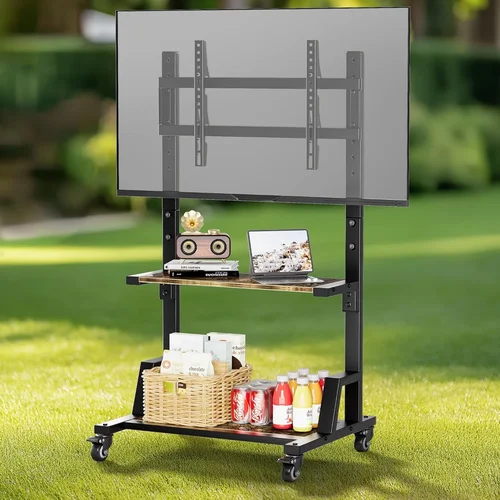
Consider the TV’s bezel size and overall footprint. Slim bezels create a more modern look and maximize screen real estate. Also, think about mounting options: full-motion articulating mounts allow you to angle the TV for optimal viewing from different spots, while fixed mounts save space. Ensure your chosen location has enough clearance for ventilation and cable routing—crowding the TV behind furniture or plants can trap heat and moisture.
8. Warranty & Support
Outdoor electronics are a significant investment, so robust warranty coverage is non-negotiable. Look for at least a 2-year manufacturer warranty, with 3 years being ideal. Some premium brands offer 5-year coverage, which speaks to their confidence in build quality. Read the fine print: does the warranty cover weather-related damage? What about labor and parts? Is on-site service available?
Customer support matters too. Brands with dedicated outdoor TV divisions (like SunBrite by Peerless-AV) typically offer better technical assistance than general electronics retailers. Check online reviews for responsiveness—can you get help quickly if your TV develops a fault after a storm? Also, verify that replacement parts (like remote controls or power adapters) are readily available. A TV is only as reliable as its support network.
Different Types of Buying Guide

Common Buying Mistakes to Avoid

❌ Mistake: Buying a Regular Indoor TV for Outdoor Use
Why it’s bad: Indoor TVs lack weatherproofing, corrosion-resistant materials, and proper ventilation for outdoor conditions. Even a light drizzle can seep into seams, ports, or vents, causing short circuits, screen fogging, or permanent damage. The internal components aren’t coated against humidity, so condensation from temperature swings will corrode circuits over time.
What to do instead: Always choose a TV specifically designed for outdoor use. Look for certified IP ratings, sealed enclosures, and outdoor-rated certifications. If budget is tight, consider a high-brightness indoor TV used only under a fully covered, enclosed space—but never expose it to direct rain or high humidity.
❌ Mistake: Ignoring the IP Rating
Why it’s bad: Without a verified IP rating, you have no objective measure of water resistance. Marketing terms like “weather-resistant” or “all-season” are unregulated and often misleading. A TV labeled “outdoor-ready” might only be splash-resistant, not built for sustained rain.
What to do instead: Demand the IP code. For rainy climates, insist on IP55 or higher. Cross-check the rating with independent reviews or manufacturer documentation. If the seller can’t provide it, walk away.
❌ Mistake: Overlooking Mounting and Cable Management
Why it’s bad: Even the best outdoor TV will fail if installed improperly. Using indoor mounts, exposed cables, or unsealed connections invites water ingress and electrical hazards. Rain can travel along cables into the TV or wall outlets, causing shocks or fires.
What to do instead: Use outdoor-rated mounting brackets with corrosion-resistant hardware. Route cables through waterproof conduits or use TVs with rear-access cable channels. Seal all connections with silicone or use pre-sealed cable glands. Consider in-wall wiring for a clean, protected setup.
❌ Mistake: Choosing the Wrong Screen Size for the Space
Why it’s bad: A TV too small forces viewers to squint, while one too large overwhelms the area and strains the eyes. In rainy climates, where outdoor time may be limited to short windows, comfort is key to enjoyment.
What to do instead: Measure your viewing distance and apply the 1.5x rule. Test with a tape measure or use online screen size calculators. Consider seating layout—corner views may require a larger screen for equal visibility.
❌ Mistake: Neglecting Audio Needs
Why it’s bad: Rain and wind create background noise that can drown out dialogue. Many outdoor TVs have weak built-in speakers, leading to frustrating viewing experiences.
What to do instead: Prioritize TVs with strong audio output (20W+) or plan for external speakers. Invest in weatherproof soundbars or wireless outdoor speakers. Test audio during rain simulations if possible.
❌ Mistake: Skipping the Warranty Check
Why it’s bad: Outdoor TVs are expensive, and repairs can cost nearly as much as replacement. A weak warranty leaves you vulnerable to costly failures after a storm or humidity damage.
What to do instead: Choose brands with at least a 2–3 year warranty covering weather-related issues. Register your product immediately and keep all documentation. Consider extended warranty plans for high-end models.
❌ Mistake: Buying Based on Price Alone
Why it’s bad: The cheapest outdoor TV often cuts corners on materials, brightness, and sealing. You may save $500 upfront but spend $1,500 on replacements within two years.
What to do instead: Focus on value, not price. Mid-range models ($1,500–$2,500) often offer the best balance of durability, features, and longevity. Read expert and user reviews to assess real-world performance.
Budget Guidelines: How Much Should You Spend?
Entry-Level ($800 – $1,500): These TVs are best suited for fully covered areas like enclosed patios or three-season rooms. Expect basic weather resistance (IP54), moderate brightness (500–700 nits), and limited smart features. Brands like Element and RCA offer budget-friendly options, but build quality may not withstand constant rain. Ideal for occasional use in mild climates.
Mid-Range ($1,500 – $3,000): This is the sweet spot for most homeowners in rainy climates. You’ll find IP55 or IP65 ratings, 700–1,200 nits brightness, robust aluminum builds, and full smart TV platforms. Models from SunBrite (Veranda series) and Seura (Outdoor HD) excel here. These TVs handle daily rain, humidity, and temperature swings with ease and offer 3–5 year lifespans with proper care.
Premium ($3,000 – $5,000): For enthusiasts and those with uncovered decks or pool areas, premium models deliver top-tier performance. Expect 1,500+ nits brightness, full IP66 ratings, advanced thermal systems, and commercial-grade durability. SunBrite’s Pro Series and Peerless-AV’s Xtreme line fall here. These are built to last 7–10 years, even in harsh coastal or mountain environments.
Luxury ($5,000+): Reserved for high-end homes, resorts, or commercial installations. These TVs feature 4K HDR, 2,000+ nits brightness, integrated heating/cooling, and remote monitoring. They’re often custom-configured and include professional installation. While overkill for most backyards, they’re unmatched in reliability and image quality.
Expert Tips for Getting the Best Deal
- Buy during off-season sales: Outdoor TVs see peak demand in spring and summer. Shop in late fall or winter (October–February) for discounts of 15–30%. Retailers clear inventory before new models arrive.
- Check manufacturer refurbished programs: Brands like SunBrite offer certified refurbished units with full warranties at 20–40% off. These are often ex-display or returned items in like-new condition.
- Bundle with installation: Some retailers offer free or discounted professional installation with purchase. This ensures proper mounting, sealing, and cable management—critical for longevity.
- Compare total cost of ownership: Factor in warranty length, expected lifespan, and energy efficiency. A $2,000 TV lasting 8 years is a better value than a $1,200 TV needing replacement every 3 years.
- Read real user reviews: Look beyond star ratings. Search for keywords like “rain,” “humidity,” “fogging,” or “corrosion” in reviews to uncover long-term performance insights.
- Test before you buy (if possible): Visit a showroom or retailer with outdoor displays. Check brightness under cloudy skies and assess build quality in person.
- Negotiate extended warranties: Use competing offers to negotiate longer coverage or free service plans. Some brands match or beat competitor warranties.
- Consider financing options: Many retailers offer 0% APR financing for 12–24 months. This spreads the cost without interest, making premium models more accessible.

Frequently Asked Questions
Q: Can I use a regular TV under a covered patio?
A: It depends on the coverage. If your patio is fully enclosed with walls and a solid roof—like a sunroom—then a high-brightness indoor TV (700+ nits) may work. However, if it’s open on one or more sides and exposed to wind-driven rain or high humidity, you risk moisture damage. For true peace of mind in rainy climates, an outdoor-rated TV is strongly recommended.
Q: How do I protect my outdoor TV from lightning?
A: Lightning poses a real risk to outdoor electronics. Always use a surge protector rated for outdoor use and consider installing a whole-house surge suppressor. During thunderstorms, unplug the TV and disconnect antennas or cables. Some homeowners also use lightning rods or grounding systems for added protection.
Q: Will my outdoor TV work in winter?
A: Yes, if it’s rated for low temperatures. Most quality outdoor TVs operate down to -22°F (-30°C). However, avoid turning it on immediately after a freeze—let it acclimate to room temperature first to prevent condensation. Models with internal heaters can power on in cold conditions without issue.
Q: Do outdoor TVs consume more power?
A: Not necessarily. While they may have brighter backlights, modern LED outdoor TVs are energy-efficient. Look for ENERGY STAR certification. Brightness can often be adjusted, so you can lower it on overcast days to save power.
Q: Can I mount my outdoor TV on a brick or concrete wall?
A: Yes, but use appropriate anchors and outdoor-rated mounts. Concrete screws or expansion bolts provide secure attachment. Ensure the mount allows for ventilation and easy access to ports. Avoid mounting directly against the wall—leave a small gap for airflow.
Q: How often should I clean my outdoor TV?
A: Clean the screen and casing every 1–2 months with a microfiber cloth and mild soap solution. Avoid abrasive cleaners or paper towels, which can scratch the anti-glare coating. Rinse with water and dry thoroughly. Never spray liquid directly on the screen.
Q: Are outdoor TVs worth the extra cost?
A: Absolutely, if you live in a rainy climate and plan to use your outdoor space regularly. The added durability, brightness, and weather protection ensure reliable performance for years. A standard TV will likely fail within 1–2 seasons when exposed to constant moisture.
Q: Can I stream 4K content outdoors?
A: Yes, most modern outdoor TVs support 4K resolution and HDR. Ensure your internet connection is strong enough—5GHz Wi-Fi or wired Ethernet is recommended for smooth streaming. Some models also support local playback via USB.
Q: What’s the difference between partial sun and full sun outdoor TVs?
A: Partial sun models are designed for covered areas with indirect light and are less bright (700–1,000 nits). Full sun TVs are built for direct exposure, with ultra-high brightness (1,500+ nits), superior cooling, and enhanced weather sealing. Choose based on your installation location.
Q: Do I need a special antenna for outdoor TV?
A: If you’re using over-the-air broadcasts, a weatherproof outdoor antenna is recommended. Indoor antennas won’t perform well at a distance and aren’t built to withstand rain. Mount the antenna high and away from obstructions for the best signal.
Our Final Recommendations
Best for Budget-Conscious Buyers: SunBrite Veranda Series 55-inch – At around $1,800, this model offers IP55 rating, 700 nits brightness, and a durable aluminum chassis. Perfect for covered patios in rainy areas. Includes Android TV and a 3-year warranty.
Best Overall Value: Seura Outdoor HD 65-inch – Priced at $2,400, it delivers 1,000 nits brightness, IP65 rating, and excellent color accuracy. The slim design and front-firing speakers make it ideal for most backyard setups. Comes with a 5-year warranty.
Best Premium Option: SunBrite Pro Series 75-inch – At $4,200, this is built for extreme conditions. With 1,500 nits, IP66 rating, and internal thermal management, it’s perfect for uncovered decks in heavy rain zones. Supports 4K HDR and includes professional installation support.
Best for Beginners: Element 50-inch Outdoor Smart TV – A great entry point at $1,200. IP54 rated, 600 nits brightness, and Roku OS. Ideal for beginners testing outdoor entertainment under a covered porch.
Best for Advanced Users: Peerless-AV Xtreme 65-inch – A commercial-grade display with 2,000 nits brightness, full IP66 rating, and remote monitoring capabilities. Designed for tech-savvy users who want maximum control and durability.
Conclusion: Making the Right Choice
Choosing the best backyard TV for a rainy climate isn’t just about finding the shiniest screen or the lowest price—it’s about investing in a product engineered to thrive in wet, unpredictable conditions. From IP ratings and build quality to brightness and smart features, every detail matters when your TV faces daily exposure to rain, humidity, and temperature swings. By prioritizing weather resistance, durability, and real-world performance, you’ll enjoy years of seamless outdoor entertainment without constant worry or costly repairs.
Remember, the goal isn’t to buy the most expensive TV on the market, but the right one for your specific environment and usage. Assess your space, consider your budget, and don’t cut corners on critical features like sealing and thermal management. Use the guidelines, tips, and recommendations in this guide to make an informed decision that aligns with your lifestyle. Whether you’re watching a rainy-day marathon or hosting a backyard barbecue, your outdoor TV should enhance the experience—not become a source of frustration.
Take the time to research, compare, and plan your installation carefully. And when you do make your purchase, protect it with proper mounting, cable management, and seasonal maintenance. Your backyard deserves a TV that’s as resilient as your love for outdoor living. Now go enjoy those stormy evenings in comfort—your perfect outdoor TV is waiting.

