
Transforming your backyard pergola into a cozy outdoor entertainment hub is one of the most rewarding home upgrades you can make. Whether you’re hosting summer barbecues, watching the big game under the stars, or enjoying a quiet movie night with family, having a reliable outdoor TV makes all the difference. But not every television is built to withstand the elements—sunlight glare, humidity, rain, dust, and temperature swings can quickly ruin a standard indoor TV. That’s why choosing the right pergola TV requires more than just picking the biggest screen or the latest smart features. It demands a thoughtful balance of durability, performance, and practicality.
This comprehensive buying guide is designed to help you navigate the often-confusing world of outdoor TVs with confidence. We’ll walk you through every critical factor—from weather resistance and brightness to mounting options and smart capabilities—so you can make an informed decision that fits your space, lifestyle, and budget. Whether you’re a first-time buyer or upgrading from an older model, you’ll learn how to avoid common pitfalls, understand key technical specs, and identify which features truly matter for outdoor use. By the end, you’ll have a clear roadmap to selecting the best backyard TV for your pergola setup.
The market for outdoor TVs has grown significantly in recent years, driven by increased demand for outdoor living spaces and advancements in display technology. Today, you’ll find a range of options—from fully weatherproof commercial-grade models to more affordable semi-outdoor solutions that still offer solid protection against the elements. Brands like Samsung, Sony, LG, SunBrite, and Seura have stepped up their game, offering TVs specifically engineered for outdoor environments. However, with so many choices, it’s easy to feel overwhelmed. This guide cuts through the noise, focusing only on what matters most when installing a TV under a pergola: longevity, visibility, ease of use, and value for money.

What to Look for When Buying Buying Guide
1. Weather Resistance & IP Rating
When installing a TV under a pergola, weather protection is the single most important factor. Unlike indoor TVs, outdoor models must endure rain, snow, dust, humidity, and temperature fluctuations—sometimes all in one day. Look for TVs with a high Ingress Protection (IP) rating, which indicates how well the unit resists solid particles (like dust) and liquids (like rain). For pergola use, an IP55 or higher rating is ideal. IP55 means the TV is protected against low-pressure water jets from any direction and limited dust ingress. Some premium models even offer IP65 or IP66 ratings, providing near-total protection against dust and powerful water jets.
Additionally, check if the TV is specifically labeled as “outdoor-rated” or “all-weather.” These units typically feature sealed cabinets, corrosion-resistant materials, and internal heating or cooling systems to maintain optimal operating temperatures. For example, SunBrite’s Veranda series includes a built-in heater that activates in cold weather to prevent condensation and ensure smooth startup. Without proper weather resistance, even a minor rain shower or morning dew can damage internal components, leading to costly repairs or premature failure.
2. Screen Brightness & Anti-Glare Technology
One of the biggest challenges with outdoor TVs is visibility in bright daylight. Standard indoor TVs usually have a brightness of 300–500 nits, which is fine for a dimly lit living room but nearly invisible under direct sunlight. For pergola installations—especially those with partial shade or open sides—you need a TV with high brightness, ideally 700 nits or more. Many outdoor TVs now offer 1000+ nits, making them readable even in full sun.
Equally important is anti-glare or anti-reflective coating. Look for TVs with matte finishes or specialized optical filters that reduce reflections from the sun, sky, or nearby surfaces. Some models, like the Samsung The Terrace, use quantum dot technology combined with anti-glare layers to enhance color accuracy and contrast in bright conditions. Avoid glossy screens unless you’re certain the TV will be fully shaded at all times. A bright, glare-free display ensures you won’t have to squint or reposition your seating to see the screen clearly.
3. Build Quality & Durability
Outdoor TVs are an investment, and you want yours to last for years—not just seasons. Build quality directly impacts longevity, especially when exposed to the elements. Look for TVs with robust metal enclosures, powder-coated finishes, and reinforced internal components. Avoid plastic-heavy designs, which can warp, crack, or degrade over time when exposed to UV rays and temperature changes.
Pay attention to the quality of the mounting hardware and cable management systems. Many outdoor TVs come with weatherproof cable ports and included mounting brackets designed for secure, long-term installation. For example, Seura’s Shadow Series includes a fully sealed rear panel with grommeted cable entry points to prevent water intrusion. Also, consider the TV’s operating temperature range. Most outdoor models function between -22°F and 122°F (-30°C to 50°C), but verify this spec based on your local climate. A well-built TV not only performs better but also reduces the need for frequent maintenance or replacement.
4. Size & Viewing Distance
Choosing the right screen size for your pergola depends on your seating arrangement and viewing distance. A TV that’s too small will be hard to see from a distance, while one that’s too large can overwhelm the space and strain your eyes. As a general rule, multiply your viewing distance (in inches) by 0.84 to get the ideal screen size in inches. For example, if your seating is 8 feet (96 inches) away, a 70–80 inch TV would be optimal.
However, pergolas often have limited space, so measure the available wall or mounting area carefully. Consider the TV’s bezel size—some models have thick frames that reduce the actual screen real estate. Also, think about how the TV will look when not in use. Some homeowners prefer a sleek, low-profile design that blends into the outdoor aesthetic. If your pergola is near a dining area or fire pit, ensure the screen is visible from multiple angles without requiring awkward neck turns. A well-sized TV enhances the experience without dominating the space.
5. Smart Features & Connectivity
Modern outdoor TVs come packed with smart features, but not all are equally useful in an outdoor setting. Look for models with built-in Wi-Fi, voice control (via Alexa or Google Assistant), and access to popular streaming apps like Netflix, YouTube, and Disney+. However, consider your actual usage: if you primarily watch live sports or cable TV, a full smart platform may be less critical than reliable HDMI inputs and compatibility with external devices.
Check the number and type of ports available. At minimum, you’ll want multiple HDMI ports (preferably HDMI 2.0 or higher for 4K content), USB ports for media playback, and an optical audio output if you plan to connect a soundbar or outdoor speakers. Some outdoor TVs also include weatherproof external speaker outputs or Bluetooth connectivity for wireless audio. Avoid models with proprietary connectors or limited upgrade paths. The goal is flexibility—being able to connect a streaming stick, gaming console, or cable box without hassle.
6. Audio Quality & Sound Solutions
While many outdoor TVs include built-in speakers, they’re often underpowered and lack the depth needed for outdoor environments. Wind, ambient noise, and open spaces can quickly drown out weak audio. If sound quality matters to you, consider pairing your TV with a dedicated outdoor sound system. Look for TVs with audio outputs (optical or RCA) or Bluetooth support to connect wireless speakers.
Alternatively, some outdoor TVs come with enhanced audio features, such as Dolby Digital processing or front-firing speakers designed to project sound outward. For example, the LG Outdoor Smart TV includes AI Sound Pro to optimize audio based on content. However, for the best experience, we recommend investing in weather-resistant outdoor speakers or a soundbar specifically designed for open-air use. This ensures clear dialogue during movies and immersive sound during live events, even when you’re lounging several feet away.
7. Installation & Mounting Options
Proper installation is crucial for both safety and performance. Most outdoor TVs are designed to be wall-mounted, but pergolas may require special brackets or ceiling mounts depending on the structure. Ensure your pergola can support the weight of the TV and mount—typically 50–100 pounds for larger models. Use stainless steel or galvanized hardware to prevent rust.
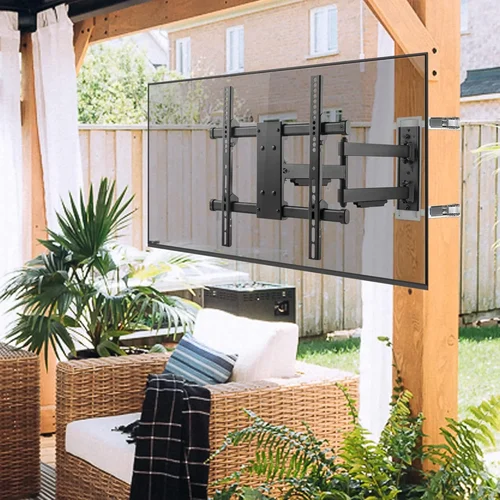
Look for TVs that include a compatible outdoor mount or offer one as an optional accessory. Tilt and swivel mounts are ideal for adjusting the screen angle to reduce glare or accommodate different seating positions. Some models, like the SunBrite Pro Series, feature a low-profile design that sits flush against the wall, minimizing wind resistance. If you’re not comfortable with DIY installation, hire a professional with experience in outdoor AV setups. A secure, properly angled mount not only protects your investment but also enhances viewing comfort.
8. Brand Reputation & Warranty
Not all outdoor TV brands are created equal. Stick with manufacturers known for reliability, customer support, and proven track records in outdoor environments. Brands like SunBrite, Seura, and Samsung have dedicated outdoor lines with extensive testing and user feedback. Avoid generic or off-brand models that may cut corners on materials or lack proper certification.
Warranty is another critical consideration. Standard indoor TVs often come with 1-year warranties, but outdoor models should offer at least 2–3 years, with some premium brands providing up to 5 years. Check what the warranty covers—does it include damage from weather, power surges, or accidental drops? Also, verify if the warranty is valid only if installed by a certified technician. A strong warranty reflects the manufacturer’s confidence in their product and gives you peace of mind knowing you’re protected against defects or failures.
Different Types of Buying Guide

Common Buying Mistakes to Avoid
❌ Mistake: Using a Standard Indoor TV Outdoors
Why it’s bad: Indoor TVs are not designed to handle moisture, temperature changes, or UV exposure. Even under a pergola, condensation, rain splash, or morning dew can seep into vents and damage internal components. Over time, the screen may fog, colors fade, or the TV may fail completely.
What to do instead: Always choose a TV specifically rated for outdoor use or pair an indoor model with a certified outdoor enclosure. If budget is tight, opt for a semi-outdoor TV with at least IP54 rating and install it in a well-covered area.
❌ Mistake: Ignoring Sunlight and Glare
Why it’s bad: A dim screen in bright conditions makes content unwatchable. You’ll constantly adjust seating or squint to see details, ruining the outdoor entertainment experience.
What to do instead: Prioritize TVs with high brightness (700+ nits) and anti-glare coatings. Test the screen in similar lighting conditions if possible, or read reviews that mention daylight visibility.
❌ Mistake: Overlooking Audio Needs
Why it’s bad: Built-in TV speakers are often muffled and lack volume, especially in open outdoor spaces. You may end up turning the volume too high, causing distortion or disturbing neighbors.
What to do instead: Plan for external audio from the start. Invest in weather-resistant outdoor speakers or a Bluetooth soundbar. Ensure your TV has the necessary audio outputs or wireless connectivity.
❌ Mistake: Choosing the Wrong Size
Why it’s bad: A TV that’s too small forces viewers to lean forward or move closer, while an oversized screen can dominate the space and cause eye strain.
What to do instead: Measure your viewing distance and use the 0.84 rule to determine ideal screen size. Also, consider the pergola’s dimensions and how the TV will look when not in use.
❌ Mistake: Skimping on the Mount
Why it’s bad: A weak or improperly installed mount can lead to the TV falling, especially in windy conditions. This poses a safety risk and can damage the TV or surrounding area.
What to do instead: Use a heavy-duty, weatherproof mount rated for your TV’s weight. Secure it to a solid structural beam, not just decorative pergola slats. Consider tilt or swivel options for better viewing angles.
❌ Mistake: Not Checking Warranty Terms
Why it’s bad: Some warranties void coverage if the TV is installed outdoors or by an unlicensed technician. You could be stuck with repair costs even if the failure is due to a manufacturing defect.
What to do instead: Read the warranty carefully before purchasing. Choose brands that explicitly cover outdoor use and offer extended protection plans.
❌ Mistake: Forgetting About Power and Cables
Why it’s bad: Exposed cables can degrade, get chewed by pests, or create tripping hazards. Improper wiring may also violate local electrical codes.
What to do instead: Use weatherproof conduit or cable raceways to protect wires. Hire a licensed electrician to install outdoor-rated outlets and ensure proper grounding.
Budget Guidelines: How Much Should You Spend?
Outdoor TVs vary widely in price, and your budget will significantly influence your options. Here’s a breakdown of what to expect at different price tiers:
Entry-Level ($500 – $1,200): This range typically includes indoor TVs paired with outdoor enclosures or basic semi-outdoor models. You’ll get decent picture quality and some weather protection, but brightness and durability may be limited. Ideal for covered pergolas with minimal exposure. Example: A 55-inch indoor TV in a weatherproof case.
Mid-Range ($1,200 – $2,500): The sweet spot for most homeowners. These TVs offer solid weather resistance (IP55), good brightness (700–1000 nits), and reliable smart features. Brands like SunBrite Veranda and Samsung The Terrace Lite fall here. Great for partially shaded pergolas with occasional rain exposure.
Premium ($2,500 – $5,000): For enthusiasts who want top-tier performance and longevity. These models feature full outdoor ratings, ultra-bright screens (1000+ nits), advanced cooling, and premium build quality. Ideal for open pergolas or areas with harsh weather. Example: SunBrite Pro Series or Seura Shadow Series.
Luxury ($5,000+): Top-of-the-line commercial-grade displays with 24/7 operation capability, extreme durability, and cutting-edge tech like OLED or microLED. Best for large outdoor theaters, commercial spaces, or those who demand the absolute best. Example: LG Ultra-Stable Outdoor Display or custom-built solutions.
Expert Tips for Getting the Best Deal
Getting the best value on an outdoor TV requires strategy. Here are proven tips to save money and avoid regrets:
- Buy during off-seasons: Prices often drop in late fall and winter when outdoor living demand is low. Look for holiday sales around Black Friday or end-of-year clearances.
- Compare retailers: Check both online (Amazon, Best Buy, Crutchfield) and specialty outdoor AV stores. Some offer price matching or bundle deals with mounts and cables.
- Consider refurbished or open-box: Certified pre-owned models from reputable sellers can save 20–30% and often come with full warranties.
- Negotiate installation: Some retailers offer free or discounted installation with purchase. Ask about package deals.
- Check for rebates: Energy-efficient models or those with smart features may qualify for local utility rebates.
- Read real user reviews: Look beyond star ratings. Focus on comments about durability, brightness, and customer service.
- Test before you buy: If possible, visit a showroom to see the TV in bright lighting. Compare side-by-side models.
- Plan for the future: Choose a TV with upgrade-friendly features like multiple HDMI ports and firmware updates to extend its lifespan.

Frequently Asked Questions
Q: Can I use a regular TV under a pergola?
A: Technically yes, but it’s not recommended unless the pergola is fully enclosed and protected from all weather. Even then, temperature swings and humidity can damage internal components over time. For reliable, long-term use, an outdoor-rated TV or enclosure is strongly advised.
Q: Do outdoor TVs need special power outlets?
A: They use standard 120V outlets, but the wiring should be outdoor-rated and GFCI-protected for safety. Always consult a licensed electrician to ensure compliance with local codes.
Q: How do I clean an outdoor TV screen?
A: Use a microfiber cloth and a mild cleaner designed for electronics. Avoid ammonia-based products or abrasive materials. Turn off and unplug the TV before cleaning.
Q: Will an outdoor TV work in winter?
A: Yes, most outdoor TVs operate in temperatures as low as -22°F. Models with built-in heaters will automatically warm up in cold conditions to prevent condensation.
Q: Can I mount an outdoor TV on a pergola beam?
A: Only if the beam is structurally sound and capable of supporting the weight. Use heavy-duty lag bolts and consider reinforcing the beam if necessary. Avoid mounting on decorative or lightweight materials.
Q: Do outdoor TVs come with remotes?
A: Yes, but some high-end models include weather-resistant remotes or smartphone app control. Standard remotes may not work well in direct sunlight due to IR interference.
Q: How long do outdoor TVs last?
A: With proper care, most outdoor TVs last 5–10 years. Premium models with commercial-grade components can last even longer.
Q: Can I connect a streaming device like Roku or Fire Stick?
A: Absolutely. Most outdoor TVs have HDMI ports compatible with streaming sticks. Just ensure the device is protected from weather if mounted externally.
Q: Are outdoor TVs energy efficient?
A: Many modern models are ENERGY STAR certified and use LED backlighting, which consumes less power than older technologies. Check the specs for annual energy consumption.
Q: What if my pergola doesn’t have a wall to mount the TV?
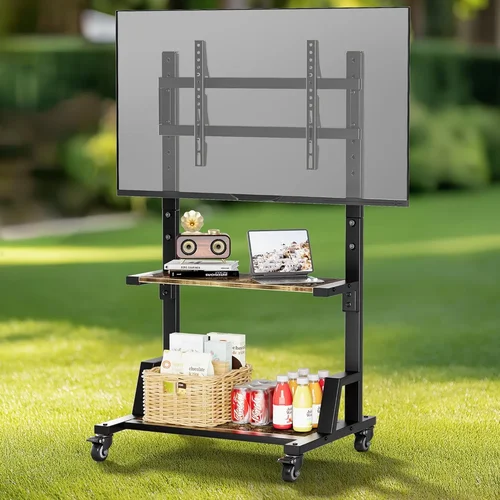
A: Consider a ceiling mount, freestanding outdoor TV stand, or a custom bracket that attaches to a pergola post. Ensure the solution is stable and weatherproof.
Our Final Recommendations
Best for Budget-Conscious Buyers: SunBrite Veranda Series (55-inch) – Offers excellent weather protection, 700-nit brightness, and smart features at a mid-range price. Ideal for covered pergolas.
Best Overall Value: Samsung The Terrace (65-inch) – Combines stunning 4K QLED display, 1500-nit brightness, and robust outdoor design. Great for partial shade with occasional sun exposure.
Best Premium Option: Seura Shadow Series (75-inch) – Ultra-bright, fully sealed, and designed for extreme conditions. Perfect for open pergolas or high-end outdoor theaters.
Best for Beginners: LG Outdoor Smart TV (50-inch) – User-friendly interface, good brightness, and reliable performance. Easy to set up and integrate with existing smart home systems.
Best for Advanced Users: SunBrite Pro Series (86-inch) – Commercial-grade durability, 2000-nit brightness, and customizable mounting. Built for 24/7 operation in demanding environments.
Conclusion: Making the Right Choice
Choosing the best backyard TV for your pergola is about more than just picture quality—it’s about creating a lasting, enjoyable outdoor experience. By prioritizing weather resistance, brightness, build quality, and proper installation, you’ll ensure your TV stands up to the elements and delivers years of reliable performance. Remember to assess your specific needs: How much sun does your pergola get? How far will viewers be seated? What’s your budget? These questions will guide you toward the right model.
Don’t rush the decision. Take time to compare options, read reviews, and consult with experts if needed. And when you do make the purchase, invest in quality mounts, cables, and audio to complete the setup. Your outdoor space deserves a TV that enhances—not hinders—the experience.
Whether you’re watching a sunset movie night or cheering on your favorite team, the right pergola TV will transform your backyard into a true extension of your home. So go ahead—make the upgrade, gather your loved ones, and enjoy the great outdoors in comfort and style.

