
Planning a family gathering on your patio is all about comfort, connection, and creating lasting memories. Whether you’re hosting a backyard barbecue, watching the big game under the stars, or enjoying a movie night with the kids, having a reliable TV outdoors can elevate the experience. But here’s the catch: outdoor TVs have traditionally been expensive, often costing thousands of dollars. That’s where budget patio TVs come in—offering a smart, affordable way to bring entertainment outside without breaking the bank.
This guide is designed for families who want to enjoy outdoor viewing without overspending. We’ll walk you through everything you need to know to make a smart, informed decision. From understanding what features matter most to avoiding common pitfalls, we’ll help you find a TV that delivers great performance, stands up to the elements, and fits your budget. Whether you’re a first-time buyer or upgrading from an indoor TV, this guide will give you the confidence to choose wisely.
The market for outdoor-friendly TVs has evolved significantly in recent years. While fully weatherproof outdoor TVs still command premium prices, many indoor TVs now come with features that make them viable for covered patios, screened-in porches, or shaded decks. Advances in display technology, smart platforms, and protective enclosures mean you can get excellent picture quality and durability at a fraction of the cost. In this guide, we’ll explore how to identify those hidden gems—TVs that offer the best balance of performance, protection, and price for your outdoor space.
What to Look for When Buying a Budget Patio TV
1. Budget & Price Range
Setting a realistic budget is the first and most important step in your search. Budget patio TVs typically range from $300 to $800, with some models dipping below $250 during sales. While it’s tempting to go for the cheapest option, remember that outdoor use demands certain durability and performance standards. A TV under $200 might save you money upfront but could fail quickly when exposed to humidity, temperature swings, or dust.
Instead, aim for the $400–$600 range, where you’ll find the best value. At this price point, you can get a 55-inch to 65-inch smart TV with solid brightness, decent weather resistance (when used under cover), and reliable performance. Look for models from reputable brands like TCL, Hisense, or Samsung’s Crystal UHD series. These often include features like HDR support, voice control, and robust smart platforms—all essential for a great outdoor viewing experience.
2. Performance Specifications
When it comes to performance, not all budget TVs are created equal. For outdoor use, brightness is king. Indoor TVs typically range from 200 to 400 nits, but even under a covered patio, ambient light can wash out the image. Look for a TV with at least 400 nits of brightness—ideally 500 nits or more. Models like the TCL 5-Series or Hisense U6H offer 500+ nits at budget-friendly prices, making them excellent choices for outdoor viewing.
Resolution is another key factor. Stick with 4K UHD (3840 x 2160) for the best clarity, especially on larger screens. While 1080p TVs are cheaper, they lack the sharpness needed for screens 50 inches and above. HDR (High Dynamic Range) support—especially HDR10 or Dolby Vision—enhances color, contrast, and detail, making movies and sports look more vibrant. Even budget models now include HDR, so don’t skip it.
Refresh rate matters too, especially for sports and action movies. A 60Hz panel is standard, but if you watch a lot of fast-paced content, consider a TV with a 120Hz refresh rate or motion interpolation (often called “Motion Rate” or “TruMotion”). These features reduce blur and make motion smoother, which is especially noticeable during live events.
Finally, check the input lag if you plan to use the TV for gaming. Look for a “Game Mode” or input lag under 20ms for responsive gameplay. While not critical for casual viewing, it’s a nice bonus if the kids want to play Mario Kart during the party.
3. Build Quality & Durability
Outdoor environments are harsh on electronics. Even under a covered patio, your TV will face humidity, temperature fluctuations, dust, and occasional splashes. While no indoor TV is truly weatherproof, some are built with better materials and seals than others. Look for TVs with metal chassis components, sealed ports, and reinforced bezels. These small details can make a big difference in longevity.
Avoid TVs with plastic backs or exposed ventilation grilles—these are more prone to moisture damage. Instead, opt for models with a solid, sealed rear panel. Some manufacturers, like Vizio and LG, use conformal coating on internal components to resist corrosion, which is a hidden but valuable feature.
Also consider the stand and mounting options. A sturdy stand or VESA-compatible mounting system (typically 200×200 or 400×400) ensures your TV stays secure, even in windy conditions. If you’re mounting on a wall or ceiling, make sure the mount is rated for outdoor use and can handle the TV’s weight.
While you won’t find IP-rated waterproofing in budget models, using a weatherproof TV cover or enclosure can bridge the gap. These range from $30 to $150 and are essential if your patio is exposed to rain or direct sun.
4. Features & Functionality
Smart TV capabilities are no longer a luxury—they’re a necessity. Most budget patio TVs now run on platforms like Roku TV, Google TV, or webOS, giving you access to Netflix, YouTube, Disney+, and more. Roku TVs are especially user-friendly, with a simple interface and voice search. Google TV offers deeper integration with Android devices and Google Assistant, while webOS (LG) is sleek and fast.
Voice control is a game-changer for outdoor use. Being able to say “Hey Google, play the game” or “Alexa, turn up the volume” means you don’t have to fumble with remotes in the dark. Look for TVs with built-in microphones or compatibility with voice assistants.
Connectivity is another area to prioritize. Ensure the TV has at least three HDMI ports—one for a streaming device, one for a soundbar, and one for a gaming console or Blu-ray player. USB ports are useful for playing media files or powering external devices. Wi-Fi 5 (802.11ac) is standard, but if your patio is far from the router, consider a TV with Wi-Fi 6 or an Ethernet port for a wired connection.
Audio quality often gets overlooked, but it’s crucial for outdoor gatherings. Most budget TVs have weak built-in speakers (5–10 watts), so plan to connect a soundbar or outdoor speakers. Look for optical audio output or HDMI ARC (Audio Return Channel) to easily link external audio systems.
5. Brand Reputation
Not all budget brands are equal. Stick with manufacturers known for reliability and customer support. TCL, Hisense, and Vizio dominate the budget segment with strong track records. TCL, in particular, offers excellent value with its Roku-powered TVs, often outperforming more expensive brands in picture quality and features.
Samsung and LG also offer budget-friendly models, though they tend to be pricier. Samsung’s Crystal UHD series is a solid choice for outdoor use, with good brightness and smart features. LG’s UQ75 series delivers vibrant colors and smooth motion, ideal for sports fans.
Avoid unknown or off-brand TVs, especially those sold on third-party marketplaces. These often lack proper warranties, software updates, or customer service. Reading user reviews on sites like Amazon, Best Buy, or Wirecutter can help you spot red flags like poor build quality or frequent malfunctions.
Also check if the brand offers firmware updates. Regular updates improve performance, fix bugs, and add new features. Brands like TCL and Hisense are known for consistent updates, while others may abandon models after a year.
6. Warranty & Support
A good warranty can save you hundreds in repair costs. Most budget TVs come with a one-year limited warranty, but some brands offer extended coverage. TCL, for example, provides a two-year warranty on select models, which is rare in this price range. Hisense and Vizio typically offer one year, with optional extended plans.
Check what the warranty covers. Does it include screen burn-in, dead pixels, or power issues? Is accidental damage covered? Some warranties exclude “environmental damage,” which could be a problem if your TV fails due to humidity or heat.
Customer support is just as important. Look for brands with responsive support teams, online troubleshooting guides, and local service centers. Samsung and LG have extensive support networks, while smaller brands may rely on third-party repair services.
If you’re buying online, ensure the retailer honors the manufacturer’s warranty. Some third-party sellers void warranties if you buy from unauthorized dealers. Stick to authorized retailers like Best Buy, Amazon (sold by Amazon, not a third party), or the brand’s official website.
7. Size & Portability
Size matters—but not always in the way you think. A larger screen is more immersive, but it also requires more power, better brightness, and a stable mounting solution. For most patios, a 55-inch to 65-inch TV is ideal. It’s big enough to be seen from multiple seating areas but not so large that it overwhelms the space.
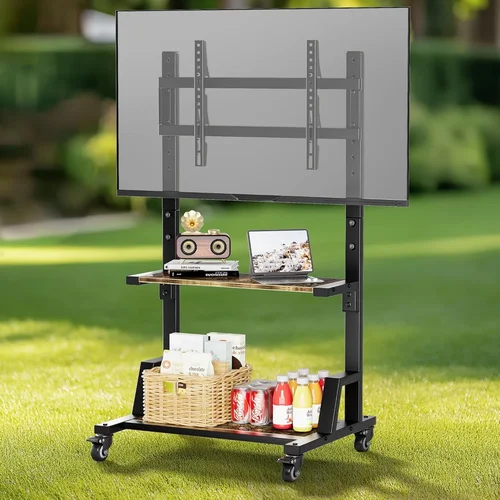
If your patio is small or you plan to move the TV between indoors and outdoors, consider a 43-inch or 50-inch model. These are lighter, easier to mount, and often more affordable. Some even come with built-in handles or optional rolling stands for added mobility.
Portability also depends on weight and design. TVs under 30 pounds are easier to move and mount. Look for models with a slim profile and minimal bezel, which not only look modern but also take up less space.
If you’re using a TV cart or stand, ensure it’s rated for outdoor use and has locking wheels. A wobbly stand can be dangerous, especially with kids around.
8. User Reviews & Ratings
Never buy a TV without checking user reviews. Real-world feedback reveals issues that specs sheets don’t show—like poor remote range, software glitches, or overheating. Look for patterns in reviews: if multiple users report the same problem, it’s likely a design flaw.
Focus on reviews from people using the TV outdoors or in similar conditions. They’ll mention things like glare resistance, audio quality in open spaces, and durability over time. Sites like Reddit (r/televisions, r/budgettv) and AV forums are great for in-depth discussions.
Pay attention to the overall rating. A 4.5-star average with hundreds of reviews is a good sign. Be wary of TVs with high ratings but few reviews—these may be inflated or fake.
Also check return policies. If a TV arrives damaged or doesn’t perform as expected, you’ll want an easy return process. Retailers like Best Buy and Amazon offer generous return windows, often 15–30 days.
Different Types of Budget Patio TVs

Common Buying Mistakes to Avoid
❌ Mistake: Buying a TV Without Checking Brightness
Why it’s bad: A dim TV will look washed out in daylight, even under cover. You’ll strain to see the screen during afternoon gatherings, ruining the experience.
What to do instead: Always check the nit rating. Aim for at least 400 nits, and 500+ is ideal. Look for terms like “high brightness” or “outdoor viewing” in the product description.
❌ Mistake: Skipping the Weatherproof Cover
Why it’s bad: Even a covered patio can expose your TV to humidity, dust, and temperature swings. Without protection, the TV may fail within a year.
What to do instead: Invest in a quality outdoor TV cover or enclosure. Look for UV-resistant, waterproof materials with ventilation to prevent overheating.
❌ Mistake: Ignoring Audio Quality
Why it’s bad: Built-in TV speakers are weak and muffled, especially outdoors. You’ll struggle to hear dialogue over wind or chatter.
What to do instead: Pair your TV with a soundbar or outdoor speakers. Use HDMI ARC or optical audio for a clean connection.
❌ Mistake: Choosing the Wrong Size
Why it’s bad: A TV too small won’t be visible from all seating areas. One too large can overwhelm the space and cost more.
What to do instead: Measure your viewing distance. A 55-inch TV is ideal for 7–9 feet, while 65-inch suits 9–12 feet.
❌ Mistake: Overlooking Smart Features
Why it’s bad: A non-smart TV requires extra devices (like a Roku or Fire Stick), adding cost and clutter.
What to do instead: Choose a smart TV with built-in apps and voice control. It’s more convenient and future-proof.
❌ Mistake: Buying from Unauthorized Sellers
Why it’s bad: You may receive a refurbished or defective unit, and the warranty could be void.
What to do instead: Buy from authorized retailers like Best Buy, Amazon (sold by Amazon), or the brand’s official site.
❌ Mistake: Not Testing Before Committing
Why it’s bad: You might discover issues like poor remote range or software bugs after it’s too late to return.
What to do instead: Test the TV in-store if possible, or choose a retailer with a generous return policy.
Budget Guidelines: How Much Should You Spend?
- Entry-Level ($250–$400): Best for small patios or occasional use. Expect 43–50-inch screens, 4K resolution, basic smart features, and 300–400 nits brightness. Models like the TCL 4-Series or Hisense A6H fit here. Ideal for movie nights under a covered porch.
- Mid-Range ($400–$600): The sweet spot for most families. You’ll get 55–65-inch screens, 500+ nits brightness, HDR support, and robust smart platforms. The TCL 5-Series and Hisense U6H are standout options. Great for sports, parties, and daily use.
- Premium ($600–$800): For those who want better build quality, faster processors, and enhanced audio. Look for models like the Samsung Crystal UHD or LG UQ75. These offer better motion handling, wider color gamuts, and more reliable performance.
- Luxury ($800+): While not truly “budget,” some high-end indoor TVs can work outdoors with proper protection. These offer OLED panels, 120Hz refresh rates, and premium smart features. Only recommended if you’re willing to invest in a full outdoor setup.
Expert Tips for Getting the Best Deal
- Buy During Sales: Look for deals during Black Friday, Prime Day, or back-to-school season. You can save 20–30% on budget TVs.
- Check Open-Box Deals: Retailers like Best Buy offer open-box TVs at deep discounts. These are often like-new and come with warranties.
- Use Price Tracking Tools: Sites like CamelCamelCamel or Honey track price history and alert you to drops.
- Bundle with Accessories: Some retailers offer discounts when you buy a TV with a soundbar or mount.
- Consider Refurbished Models: Certified refurbished TVs from the manufacturer are tested and come with warranties.
- Read the Fine Print: Check return policies, warranty terms, and shipping costs before buying.
- Test in Person: If possible, visit a store to see the TV’s brightness and smart interface in action.
- Plan for the Future: Choose a TV with HDMI 2.1 and Wi-Fi 6 if you plan to upgrade your setup later.

Frequently Asked Questions
Q: Can I use a regular indoor TV outside?
A: Yes, but only under cover—like a screened porch, covered patio, or pergola with a roof. Never expose an indoor TV to rain, direct sun, or extreme temperatures. Use a weatherproof cover for added protection.
Q: How bright should my patio TV be?
A: Aim for at least 400 nits, but 500+ nits is better for daylight viewing. Higher brightness reduces glare and improves visibility.
Q: Do I need a special mount for outdoor use?
A: Yes. Use a mount rated for outdoor conditions, with rust-resistant hardware and secure locking mechanisms.
Q: Can I connect a soundbar to a budget TV?
A: Absolutely. Most budget TVs have HDMI ARC or optical audio outputs for easy soundbar connection.
Q: How long will a budget patio TV last?
A: With proper care and protection, 5–7 years is realistic. Avoid direct exposure to elements and use a cover when not in use.
Q: Are smart TVs safe to use outdoors?
A: Yes, as long as they’re protected from moisture and extreme temperatures. The electronics are the same as indoor models.
Q: What’s the best size for a patio TV?
A: 55–65 inches is ideal for most family gatherings. Measure your viewing distance: 7–9 feet for 55″, 9–12 feet for 65″.
Q: Can I stream 4K content on a budget TV?
A: Yes, as long as the TV supports 4K resolution and has a fast enough processor. Most budget smart TVs handle 4K streaming well.
Q: Should I buy an extended warranty?
A: It depends. If the TV is under $500 and has a good track record, the manufacturer’s warranty may be enough. For pricier models, consider it.
Q: How do I reduce glare on my patio TV?
A: Use a TV with an anti-glare screen, position it away from direct light, and consider a matte screen protector.
Our Final Recommendations
- Best for Budget-Conscious Buyers: TCL 50S555 (50-inch, 500 nits, Roku TV) – Excellent picture, smart features, and value under $400.
- Best Overall Value: Hisense 55U6H (55-inch, 550 nits, Google TV) – Bright, colorful, and packed with features for under $500.
- Best Premium Option: Samsung UN65CU7000 (65-inch, 600 nits, Crystal UHD) – Great brightness, sleek design, and reliable performance.
- Best for Beginners: TCL 43S555 (43-inch, Roku TV) – Simple setup, great for small spaces, and easy to use.
- Best for Advanced Users: LG 55UQ7500 (55-inch, webOS, 500 nits) – Smooth motion, vibrant colors, and excellent smart platform.
Conclusion: Making the Right Choice
Choosing the right budget patio TV doesn’t have to be overwhelming. By focusing on brightness, durability, smart features, and protection, you can find a model that delivers great performance without exceeding your budget. Remember, the goal is to enhance your family gatherings—not stress over specs.
Start by assessing your space, usage, and must-have features. Then, compare models within your price range, read real user reviews, and don’t skip the protective accessories. A little planning goes a long way in ensuring your outdoor TV lasts for years of movie nights, game days, and summer parties.
Ultimately, the best TV is the one that fits your lifestyle and brings your family together. So take your time, do your research, and enjoy the show—under the open sky.

