
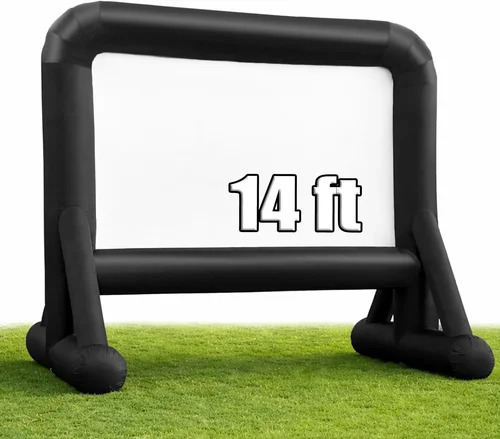
Backyard movie nights have become one of the most beloved ways to bring family and friends together under the stars. Whether you’re hosting a summer blockbuster night, a cozy fall screening, or a festive holiday special, having a reliable outdoor TV can transform your patio into a personal open-air cinema. But let’s be honest—most people aren’t looking to drop thousands on a high-end outdoor display just to watch Jurassic Park with the neighbors. That’s where budget patio TVs come in: affordable, functional, and surprisingly capable options that deliver solid performance without breaking the bank.
This guide is designed for real people with real budgets who want to enjoy outdoor entertainment without compromising on quality or value. Whether you’re a first-time buyer, upgrading from a projector, or simply looking for a weather-resistant screen that won’t quit after one rainy season, we’ve got you covered. In the following pages, you’ll learn exactly what to look for when shopping for a budget-friendly patio TV in 2026, including key specs, smart features, durability considerations, and how to avoid common pitfalls. We’ll also break down price tiers, compare different types of outdoor displays, and share expert tips to help you get the best deal possible.
The market for outdoor TVs has evolved dramatically over the past few years. Once dominated by ultra-expensive, fully sealed commercial-grade models, it now includes a growing number of consumer-focused, budget-conscious options that balance cost, performance, and resilience. Brands like SunBrite, Samsung, LG, and newer entrants like Hisense and TCL have introduced outdoor-ready or outdoor-compatible models that are more accessible than ever. At the same time, advancements in display technology—like brighter panels, better contrast ratios, and improved smart platforms—mean even entry-level outdoor TVs can deliver a surprisingly immersive viewing experience. This guide will help you navigate that landscape with confidence, so you can pick the right TV for your space, climate, and entertainment needs—without overspending.

What to Look for When Buying Buying Guide
1. Budget & Price Range
Setting a realistic budget is the first and most important step in choosing a patio TV. For 2026, budget-friendly outdoor TVs typically range from $500 to $1,500, depending on size, features, and build quality. While it’s tempting to go for the cheapest option available, remember that outdoor TVs face harsher conditions than indoor models—direct sunlight, humidity, temperature swings, and dust. A very low-cost TV may save you money upfront but could fail prematurely, costing you more in the long run.
To strike the right balance, aim for the sweet spot between affordability and durability. Look for models that offer weather resistance (even if not fully outdoor-rated), decent brightness (at least 500 nits), and reliable smart functionality. Avoid ultra-budget TVs under $400 unless they’re clearly labeled as outdoor-compatible or come with strong user reviews confirming outdoor use. Also, factor in additional costs like mounting hardware, protective covers, or extended warranties, which can add $100–$200 to your total investment.
2. Performance Specifications
When it comes to outdoor viewing, performance specs matter more than you might think. Unlike indoor TVs, where ambient light is controlled, patio screens must compete with daylight, glare, and reflections. Here are the key specs to prioritize:
- Brightness (Nits): Look for at least 500 nits, but ideally 700–1,000+ nits for daytime viewing. Higher brightness ensures the image remains visible even in partial sunlight.
- Contrast Ratio: A higher contrast ratio (like 3000:1 or better) improves depth and detail, especially in shadowy scenes. OLEDs offer excellent contrast but are rare in budget outdoor models; QLED or high-end LED panels are more common.
- Resolution: 4K UHD is the standard in 2026. Avoid 1080p models unless you’re viewing from a distance or on a very small screen (under 40 inches).
- Refresh Rate: A 60Hz panel is sufficient for movies and casual viewing, but if you plan to stream sports or play games, consider 120Hz for smoother motion.
- Viewing Angle: IPS panels offer wider viewing angles than VA panels, which is helpful if your seating area spans a broad arc.
Don’t overlook HDR support—HDR10 or Dolby Vision enhances color and dynamic range, making outdoor movies pop even more. While not all budget models include full HDR, many now offer basic HDR10 compatibility, which is a worthwhile upgrade.
3. Build Quality & Durability
Outdoor TVs must withstand the elements, so build quality is non-negotiable. Even budget models should offer some level of protection against moisture, dust, and temperature extremes. Here’s what to look for:
- Weather Resistance: Check for an IP rating (Ingress Protection). IP55 or higher is ideal—this means the TV is protected against dust and water jets. Some models are labeled “outdoor-ready” or “weather-resistant” but may not have a formal IP rating; read reviews to confirm real-world performance.
- Temperature Tolerance: Ensure the TV can operate in your local climate. Most outdoor TVs function between -22°F and 122°F (-30°C to 50°C), but verify this in the specs.
- Materials: Metal chassis and sealed ports (like rubber-covered HDMI and USB inputs) are signs of better durability. Avoid plastic-heavy builds that may warp or crack over time.
- Anti-Glare Coating: A matte or anti-reflective screen coating reduces glare from sunlight, improving visibility during daytime use.
Even if a TV isn’t fully outdoor-rated, you can enhance its longevity with a weatherproof cover or enclosure. Just make sure the TV has adequate ventilation to prevent overheating.
4. Features & Functionality
Modern budget patio TVs come packed with smart features that enhance convenience and entertainment. Here’s what to prioritize:
- Smart TV Platform: Look for built-in platforms like Google TV, Roku TV, or webOS. These allow you to stream directly from Netflix, Disney+, Hulu, and more without needing an external device.
- Voice Control: Support for Google Assistant or Alexa lets you change channels, adjust volume, or search content hands-free—perfect for outdoor use.
- App Ecosystem: Ensure your favorite streaming apps are available and regularly updated. Some budget models use stripped-down OS versions with limited app support.
- Connectivity: At least three HDMI ports (preferably HDMI 2.0 or higher), USB ports, and Wi-Fi 5 or 6 are essential. Bluetooth support is a bonus for wireless audio.
- Audio Quality: Built-in speakers on outdoor TVs are often weak. Consider pairing your TV with outdoor speakers or a soundbar for better sound.
Some models also include features like motion sensors (to turn off the screen when no one’s around), ambient light sensors (to auto-adjust brightness), and energy-saving modes—small touches that add up to a better user experience.
5. Brand Reputation
Not all budget TV brands are created equal. While lesser-known brands may offer lower prices, they often lack reliable customer support, consistent software updates, or long-term durability. Stick with reputable manufacturers that have a track record in both indoor and outdoor displays.
Top brands to consider in the budget outdoor space include:
- Samsung: Known for bright QLED panels and robust smart features. Their “The Terrace” line includes partial outdoor models.
- LG: Offers excellent color accuracy and webOS smart platform. Some OLED models are outdoor-compatible with proper enclosures.
- Hisense: A rising star in budget TVs, offering great value with ULED and 4K HDR support. Their outdoor-ready models are gaining popularity.
- TCL: Affordable, feature-rich TVs with Roku built-in. Some models are marketed for outdoor use with weather-resistant kits.
- SunBriteTV: A leader in true outdoor TVs, though often pricier. They do offer entry-level models under $1,200.
Check brand warranties, customer service ratings, and how quickly they release firmware updates. A brand with strong support can save you headaches down the road.
6. Warranty & Support
A solid warranty is a sign of a manufacturer’s confidence in their product—and your protection if something goes wrong. For budget patio TVs, look for at least a 1-year limited warranty, with options to extend coverage.
Key warranty considerations:
- Coverage Scope: Does it include parts, labor, and on-site service? Some brands only cover parts, leaving you to pay for repairs.
- Outdoor Use Clause: Verify that using the TV outdoors doesn’t void the warranty. Some manufacturers require proof of proper installation or use of approved enclosures.
- Extended Plans: Retailers like Best Buy or Costco often offer extended warranties for $50–$150. These can be worth it for outdoor TVs, which are more prone to environmental damage.
- Customer Support: Test the brand’s support before buying. Call or chat with their team to see how responsive and helpful they are.
Avoid brands with vague warranty terms or no online support portal. You don’t want to be stuck with a malfunctioning TV and no way to get help.
7. Size & Portability
The right screen size depends on your viewing distance and patio layout. For outdoor movie nights, a 50- to 65-inch TV is ideal for most setups. Here’s a quick guide:
- 40–49 inches: Best for small patios or close seating (6–8 feet away).
- 50–55 inches: Great for medium spaces with 8–10 feet viewing distance.
- 60–65 inches: Ideal for larger gatherings or longer distances (10–12 feet).
- 70+ inches: Overkill for most patios unless you have a massive space and high brightness.
Portability matters if you plan to move the TV between indoor and outdoor use. Some models come with built-in handles or lightweight designs, but most outdoor TVs are meant to be permanently mounted. If you want flexibility, consider a weatherproof enclosure that allows you to bring the TV inside during winter.
Also, think about mounting options. Wall mounts, ceiling mounts, and articulating arms are common. Ensure your chosen TV is VESA-compatible (most are) and that your mounting surface can support the weight.
8. User Reviews & Ratings
Never buy a patio TV without checking real user feedback. Manufacturer specs can be misleading, but customer reviews reveal how a TV performs in real-world conditions—especially outdoors.
Where to look:
- Amazon: Look for verified purchase reviews with photos. Pay attention to comments about brightness, weather resistance, and smart features.
- Best Buy: Often includes detailed pros and cons from buyers.
- Rtings.com or CNET: Professional reviews with side-by-side comparisons and outdoor testing notes.
- Reddit (r/OutdoorTV or r/HomeTheater): Honest, unfiltered opinions from enthusiasts.
Watch out for red flags: repeated complaints about overheating, poor Wi-Fi connectivity, or screen burn-in. Also, note how the brand responds to negative reviews—good customer service often shines through in public replies.
Different Types of Buying Guide

Common Buying Mistakes to Avoid
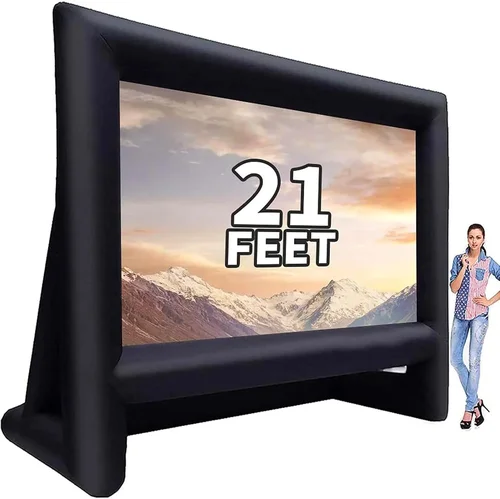
❌ Mistake: Buying a Standard Indoor TV for Outdoor Use
Why it’s bad: Indoor TVs aren’t built to handle sunlight, humidity, or temperature changes. They lack the brightness, weather sealing, and thermal management needed for outdoor environments. Using one outside can lead to overheating, screen damage, or electrical failure—even if it’s under a covered patio.
What to do instead: Choose a TV specifically designed for outdoor or partial outdoor use, or pair an indoor TV with a certified weatherproof enclosure. Always check the manufacturer’s guidelines before installation.
❌ Mistake: Ignoring Brightness Requirements
Why it’s bad: A dim screen will look washed out in daylight, making it hard to see details or enjoy HDR content. Many buyers assume “4K” means great picture quality, but without sufficient brightness, the image will disappoint.
What to do instead: Prioritize TVs with at least 700 nits of brightness. For full sun exposure, aim for 1,000+ nits. Check reviews that mention daytime visibility.
❌ Mistake: Overlooking Mounting and Ventilation
Why it’s bad: Improper mounting can cause the TV to fall or overheat. Outdoor TVs need airflow to prevent internal components from cooking in the sun. Sealing a TV in a tight enclosure without ventilation is a recipe for failure.
What to do instead: Use a VESA-compatible mount with tilt or swivel options. Ensure at least 2–3 inches of clearance around the TV for airflow. If using an enclosure, choose one with built-in fans or ventilation ports.
❌ Mistake: Skipping the Smart Features
Why it’s bad: Without built-in streaming, you’ll need to connect a separate device (like a Roku or Fire Stick), which adds clutter, cables, and potential points of failure. It also means more devices to power and manage.
What to do instead: Choose a TV with a reliable smart platform (Google TV, Roku, or webOS). This simplifies setup and enhances the user experience, especially for casual viewers.
❌ Mistake: Not Considering Audio
Why it’s bad: Built-in TV speakers are usually weak and muffled, especially outdoors where sound dissipates quickly. You’ll end up straining to hear dialogue or action scenes.
What to do instead: Plan for external audio from the start. Invest in weather-resistant outdoor speakers or a Bluetooth soundbar. Some TVs support wireless audio output, making setup easier.
❌ Mistake: Forgetting About Power and Cables
Why it’s bad: Running power and HDMI cables outdoors can be a tripping hazard or damage risk. Exposed cables may degrade from UV exposure or get chewed by pests.
What to do instead: Use in-wall rated (CL2/CL3) cables and conduit for protection. Consider a wireless HDMI transmitter for a cleaner setup. Always follow local electrical codes.
❌ Mistake: Buying Without Testing Return Policies
Why it’s bad: Outdoor TVs are a significant investment. If the TV doesn’t perform well in your specific environment (e.g., too much glare, poor Wi-Fi), you could be stuck with it.
What to do instead: Buy from retailers with generous return windows (30 days or more). Test the TV during both day and night to ensure it meets your expectations.
Budget Guidelines: How Much Should You Spend?
Choosing the right budget tier depends on your needs, climate, and how often you’ll use the TV. Here’s a breakdown of what to expect at each price level in 2026:
- Entry-Level ($500–$700): Best for shaded patios or occasional use. These are typically indoor TVs used with a weatherproof enclosure. Expect 4K resolution, basic smart features, and 500–700 nits brightness. Brands like TCL and Hisense offer solid options here. Ideal for renters or those on a tight budget.
- Mid-Range ($700–$1,000): The sweet spot for most buyers. These are partial outdoor TVs designed for covered areas. They offer 700–1,000 nits brightness, better weather resistance, and improved smart platforms. Look for models from Samsung, LG, or SunBrite’s entry line. Great for regular movie nights and family gatherings.
- Premium ($1,000–$1,500): For enthusiasts who want durability and performance. Fully outdoor-rated models with IP55+ protection, 1,000+ nits brightness, and advanced features like voice control and motion sensors. These can handle open patios and variable weather. Worth the investment if you live in a harsh climate.
- Luxury ($1,500+): Top-tier outdoor TVs with commercial-grade build quality, ultra-bright panels (1,500+ nits), and professional installation support. These are overkill for most homeowners but ideal for luxury outdoor theaters or commercial use.
Remember: a higher price doesn’t always mean better value. Focus on features that matter to you—brightness, durability, and ease of use—rather than chasing the most expensive model.
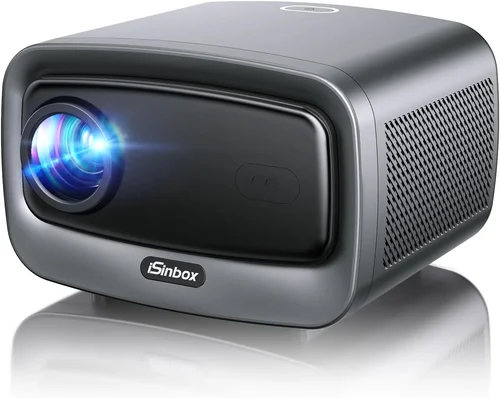
Expert Tips for Getting the Best Deal
- Buy During Seasonal Sales: The best time to buy an outdoor TV is in late winter or early spring (February–April), when retailers clear out old inventory for new models. Black Friday and Prime Day also offer solid discounts, but selection may be limited.
- Shop at the Right Retailers: Best Buy, Costco, and Amazon often have competitive pricing and strong return policies. Costco includes free delivery and a 90-day return window, which is great for testing. Avoid unknown online sellers with no customer reviews.
- Look for Bundles: Some retailers offer TV + mount + cover bundles at a discount. These can save you $100 or more compared to buying separately.
- Check for Open-Box Deals: Open-box TVs are often like-new and discounted 20–30%. Just ensure they come with a warranty and are from a reputable seller.
- Negotiate or Price Match: Many stores will match online prices. Bring a screenshot of a lower price from a competitor and ask for a match.
- Consider Refurbished Models: Certified refurbished TVs from the manufacturer (e.g., Samsung Renewed) offer significant savings and full warranties.
- Read the Fine Print on Warranties: Some extended warranties exclude outdoor use. Always confirm coverage terms before purchasing.
- Test Before You Commit: If possible, view the TV in person at a store. Check brightness, color accuracy, and smart interface responsiveness.

Frequently Asked Questions
Q: Can I use a regular TV outdoors if it’s under a covered patio?
A: It depends. If your patio is fully enclosed or has minimal sun and rain exposure, a high-brightness indoor TV with a weatherproof enclosure can work. However, for best results and longevity, choose a TV designed for outdoor use or partial outdoor conditions.
Q: How bright should my patio TV be for daytime viewing?
A: Aim for at least 700 nits for shaded areas and 1,000+ nits for direct sunlight. Anything below 500 nits will likely appear dim or washed out during the day.
Q: Do I need a special mount for an outdoor TV?
A: Yes. Use a mount rated for outdoor use with rust-resistant hardware (stainless steel or coated). Ensure it’s VESA-compatible and can support the TV’s weight.
Q: Can I leave my outdoor TV on all night?
A: It’s not recommended. While outdoor TVs are durable, constant operation can shorten lifespan. Use a timer or smart plug to turn it off when not in use.
Q: What’s the difference between IP55 and IP65?
A: IP55 protects against dust and low-pressure water jets. IP65 offers better dust protection and resistance to stronger water spray. For most patios, IP55 is sufficient.
Q: Can I connect a soundbar to an outdoor TV?
A: Yes, via HDMI ARC, optical audio, or Bluetooth. Just ensure the soundbar is also weather-resistant or placed in a protected area.
Q: How do I clean my outdoor TV screen?
A: Use a microfiber cloth and screen-safe cleaner. Avoid ammonia-based products. Power off the TV and let it cool before cleaning.
Q: Will my Wi-Fi reach the patio?
A: It depends on distance and obstacles. Use a Wi-Fi extender or mesh network to boost signal. Some TVs support Ethernet for a wired connection.
Q: Are outdoor TVs energy efficient?
A: Most modern LED TVs are energy efficient, using 100–200 watts. Look for ENERGY STAR certification for lower power consumption.
Q: Can I use my outdoor TV in winter?
A: Yes, if it’s rated for low temperatures. Store it indoors if temperatures drop below the manufacturer’s minimum operating range.
Our Final Recommendations
- Best for Budget-Conscious Buyers: TCL 55″ 4K Roku TV + Outdoor Enclosure – Around $600 total. Great value, excellent smart features, and works well in covered areas.
- Best Overall Value: Hisense 55″ U6H QLED Outdoor-Ready TV – $850. Bright 1,000-nit panel, Dolby Vision, and strong weather resistance for the price.
- Best Premium Option: SunBriteTV Veranda 55″ Partial Sun Series – $1,300. Fully outdoor-rated, 1,000+ nits, and built to last in harsh conditions.
- Best for Beginners: Samsung 50″ The Terrace Partial Outdoor TV – $1,100. Easy setup, intuitive smart platform, and reliable performance.
- Best for Advanced Users: LG 65″ OLED Flex with Outdoor Kit – $1,500. Stunning picture quality, flexible mounting, and premium features for tech-savvy buyers.
Conclusion: Making the Right Choice
Choosing a budget patio TV for backyard movie nights doesn’t have to be overwhelming. By focusing on key factors like brightness, durability, smart features, and real-world performance, you can find a model that delivers great value without overspending. Remember: the best TV for you is the one that fits your space, climate, and entertainment habits—not the one with the most features or the highest price tag.
Take your time, read reviews, compare options, and don’t rush into a purchase. A little research now can save you hundreds and ensure years of enjoyment under the stars. Whether you’re watching superhero sagas, classic comedies, or holiday specials, the right patio TV will turn your backyard into a cinematic retreat everyone will love.
So grab some popcorn, invite the neighbors, and get ready for unforgettable outdoor movie nights. Your perfect budget patio TV is out there—now you know exactly how to find it.

