
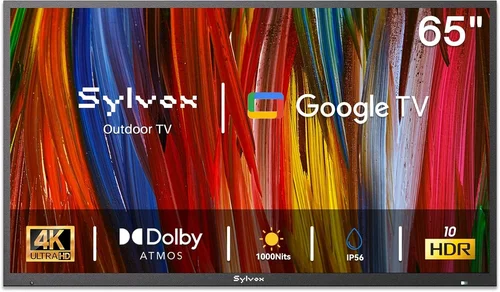
Choosing the right TV for your apartment patio can feel like navigating a maze of technical jargon, conflicting advice, and limited options—especially when you’re on a budget. Whether you’re sipping coffee on a sunny balcony, hosting weekend barbecues, or unwinding under string lights after a long day, having a reliable outdoor TV can transform your outdoor space into a true extension of your living room. But here’s the catch: most standard indoor TVs aren’t built to handle the elements. Sunlight glare, humidity, temperature swings, and even light rain can quickly turn an affordable purchase into an expensive mistake.
That’s where this guide comes in. We’ve done the legwork so you don’t have to—researching dozens of models, analyzing real-world performance, and consulting with outdoor tech experts to bring you a comprehensive, no-nonsense buying guide tailored specifically for apartment dwellers seeking budget-friendly patio TVs in 2026. Whether you’re working with a tiny balcony or a modest-sized terrace, we’ll help you find a TV that delivers solid picture quality, weather resistance, and smart features—all without breaking the bank.
In the following sections, you’ll learn exactly what to look for in a budget patio TV, how to avoid common pitfalls, and which models offer the best value for your money. From understanding key specs like brightness and IP ratings to comparing different types of outdoor displays, we’ll break down everything you need to know. By the end of this guide, you’ll be equipped with the knowledge and confidence to make a smart, informed decision—so you can enjoy your favorite shows, sports, and movies under the open sky, rain or shine.

What to Look for When Buying Buying Guide
1. Brightness & Outdoor Visibility
One of the most critical factors when choosing a patio TV is brightness—measured in nits. Indoor TVs typically range from 200 to 400 nits, which is fine for dimly lit living rooms but utterly inadequate for outdoor use. On a sunny balcony or terrace, ambient light can easily wash out a dim screen, making it impossible to see what’s on screen. For outdoor viewing, you’ll want a TV with a minimum brightness of 700 nits, but ideally 1,000 nits or higher for clear visibility in direct sunlight.
Look for TVs specifically marketed as “outdoor,” “sunlight-readable,” or “high-brightness” displays. These models often feature anti-glare coatings, enhanced backlighting, and wider viewing angles to combat reflections and maintain image clarity. Some budget-friendly options use IPS panels, which offer better color accuracy and viewing angles than standard VA panels, though they may sacrifice some contrast. If your patio is partially shaded or used mostly in the evening, you might get away with a slightly lower brightness, but for full-day usability, prioritize high nits.
2. Weather Resistance & IP Rating
Unlike indoor TVs, patio TVs must withstand moisture, dust, and temperature fluctuations. This is where the Ingress Protection (IP) rating comes into play. The IP rating consists of two digits: the first indicates protection against solids (like dust), and the second against liquids (like rain or splashes). For outdoor use, aim for at least an IP54 rating—this means the TV is protected from dust and splashing water from any direction.
If your patio is exposed to heavy rain or you live in a humid climate, consider models with IP55 or higher. Some premium outdoor TVs even offer IP65, which provides full dust protection and resistance to low-pressure water jets. However, even with a high IP rating, it’s wise to install your TV under an overhang or use a weatherproof cover when not in use. Remember: no TV is truly “weatherproof” unless it’s specifically designed and sealed for full outdoor exposure.
Also, check the operating temperature range. Most outdoor TVs function between -20°C to 50°C (-4°F to 122°F), which covers most climates. Avoid placing the TV in direct sunlight for extended periods, as prolonged heat can degrade internal components over time.
3. Screen Size & Viewing Distance
Choosing the right screen size depends on your patio layout and typical viewing distance. For small balconies (under 10 feet deep), a 32- to 43-inch TV is usually ideal. It provides a cinematic experience without overwhelming the space. For larger terraces or outdoor seating areas 10–15 feet away, consider 50- to 55-inch models. Anything larger than 65 inches may be excessive for most apartment patios and could strain your budget unnecessarily.
Use this simple rule of thumb: multiply your viewing distance (in inches) by 0.84 to get the ideal screen size in inches. For example, if you’re sitting 120 inches (10 feet) away, a 100-inch screen would be ideal—but since that’s impractical for most apartments, a 50- to 55-inch TV is a more realistic compromise.
Keep in mind that larger screens often require more power and may need a dedicated circuit, especially if you’re using outdoor speakers or streaming devices. Also, ensure your mounting solution (wall, stand, or ceiling) can support the weight and size of the TV.
4. Smart Features & Connectivity
Even on a budget, you’ll want a TV that supports modern streaming and connectivity options. Look for built-in Wi-Fi, Bluetooth, and support for popular platforms like Netflix, YouTube, Disney+, and Amazon Prime Video. Most budget patio TVs in 2026 come with Android TV, Roku TV, or Fire TV built-in, giving you access to thousands of apps without needing an external streaming box.
Check the number and type of ports: HDMI 2.0 or higher is essential for 4K content, and having at least two HDMI ports allows you to connect a streaming device, gaming console, or soundbar. USB ports are useful for playing media files or updating firmware. Some models also include optical audio output for connecting to external speakers.
Voice control is another nice-to-have feature. TVs with Google Assistant or Alexa built-in let you change channels, adjust volume, or search for content using voice commands—handy when you’re lounging with a drink in hand.
5. Audio Quality & Sound Solutions
Budget TVs—indoor or outdoor—often skimp on audio quality. Most have thin, tinny speakers that struggle to deliver clear dialogue or immersive sound, especially in open outdoor spaces where sound dissipates quickly. If you plan to watch movies or sports with friends, you’ll likely need to invest in external audio.
Look for TVs with at least 10W of total audio output, but don’t expect rich bass or room-filling sound. For better audio, consider pairing your TV with a compact Bluetooth speaker, a weather-resistant soundbar, or even outdoor rock speakers that blend into your landscaping. Some budget patio TVs include a headphone jack or optical audio out, making it easy to connect external audio systems.
If you’re on a tight budget, prioritize TVs with decent built-in speakers and plan to upgrade your audio later. Alternatively, some models offer “audio passthrough” modes that enhance sound clarity without requiring external gear.
6. Mounting & Installation Flexibility
How you plan to mount your TV will influence your buying decision. Wall mounts are the most common and secure option, but they require drilling into your balcony or terrace wall—something that may not be allowed in rental apartments. In such cases, consider a freestanding outdoor TV stand or a ceiling mount if your space allows.
Look for TVs with standard VESA mounting patterns (e.g., 200x200mm or 400x400mm) to ensure compatibility with third-party mounts. Some budget models come with basic stands, but these are often not sturdy enough for outdoor use. Invest in a weather-resistant, tilt-adjustable mount that allows you to angle the screen for optimal viewing and reduced glare.
If you’re renting, check your lease agreement before installing anything permanent. Some landlords may allow removable mounts or freestanding units, while others may prohibit any modifications. In such cases, a portable outdoor TV with a built-in stand or wheels might be your best bet.
7. Energy Efficiency & Power Consumption
Outdoor TVs often run for hours at a time, especially during summer evenings or weekend gatherings. A power-hungry model can significantly increase your electricity bill over time. Look for TVs with Energy Star certification or low power consumption ratings—typically under 100 watts for a 50-inch model.
LED-backlit TVs are generally more energy-efficient than older LCD or plasma models. Some budget outdoor TVs also include ambient light sensors that automatically adjust brightness based on lighting conditions, helping to save power when the sun goes down.
If you’re concerned about energy use, consider using a smart plug with scheduling features. This allows you to turn the TV on and off automatically, preventing it from drawing power when not in use.
8. Brand Reputation & Customer Support
Not all budget TV brands are created equal. While you might be tempted by ultra-low prices from unknown manufacturers, these models often lack reliable customer support, firmware updates, or long-term durability. Stick with reputable brands known for outdoor or rugged electronics, such as SunBrite, Seura, or even mainstream brands like Samsung and LG that offer outdoor-compatible models.
Check online reviews on trusted sites like Amazon, Best Buy, or CNET. Pay attention to comments about build quality, weather resistance, and post-purchase support. A brand with a strong warranty and responsive customer service can save you headaches down the line.
Also, consider the availability of replacement parts and service centers in your area. If your TV develops a fault after a few years, you’ll want to know that repairs are possible and affordable.
Different Types of Buying Guide

Common Buying Mistakes to Avoid
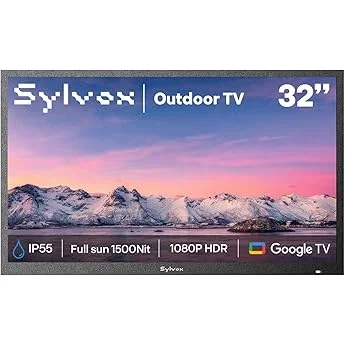
❌ Mistake: Buying a Standard Indoor TV for Outdoor Use
Why it’s bad: Indoor TVs are not designed to handle moisture, dust, or temperature changes. Even light rain or morning dew can damage internal components, leading to costly repairs or complete failure. Additionally, indoor TVs lack the brightness needed for outdoor visibility, resulting in a washed-out, unusable screen in daylight.
What to do instead: Invest in a TV specifically built for outdoor use or pair an indoor TV with a certified outdoor enclosure. Look for models with IP ratings, high brightness, and weather-resistant casings. If you’re on a tight budget, consider a portable outdoor TV or a used all-weather model from a reputable brand.
❌ Mistake: Ignoring the IP Rating
Why it’s bad: Without a proper IP rating, you have no guarantee that your TV can withstand the elements. A TV with no rating or a low rating (like IP20) is essentially an indoor unit and will fail quickly when exposed to outdoor conditions.
What to do instead: Always check the IP rating before purchasing. For covered patios, IP54 is sufficient. For fully exposed areas, aim for IP55 or higher. Don’t rely on marketing terms like “weather-resistant” without verifying the actual rating.
❌ Mistake: Overlooking Brightness Requirements
Why it’s bad: A dim TV will be impossible to see on a sunny day, no matter how good the picture quality is indoors. You’ll end up squinting or moving indoors, defeating the purpose of having an outdoor TV.
What to do instead: Prioritize brightness—aim for at least 700 nits, but 1,000+ nits is ideal. Check reviews and specs carefully. Some brands exaggerate brightness claims, so look for third-party testing or user feedback.
❌ Mistake: Choosing the Wrong Screen Size
Why it’s bad: A TV that’s too small will be hard to see from a distance, while one that’s too large can overwhelm a small space and strain your budget. Both scenarios lead to dissatisfaction and potential waste.
What to do instead: Measure your viewing distance and use the 0.84x rule to determine the ideal screen size. For most apartment patios, 43 to 55 inches is the sweet spot. Avoid going larger than 65 inches unless you have a very large outdoor area.
❌ Mistake: Skimping on Audio
Why it’s bad: Poor audio ruins the viewing experience, especially outdoors where sound travels differently. You’ll miss dialogue, sound effects, and immersion, making even the best picture feel flat.
What to do instead: Budget for external audio from the start. A $100 Bluetooth speaker or a basic soundbar can dramatically improve sound quality. Look for TVs with audio output options to make upgrades easy.
❌ Mistake: Neglecting Installation and Mounting
Why it’s bad: Improper mounting can lead to instability, glare, or even accidents. A poorly angled TV can cause neck strain or reduce visibility due to reflections.
What to do instead: Invest in a quality outdoor mount with tilt and swivel features. Ensure it’s compatible with your TV’s VESA pattern and can withstand wind and weather. If you’re renting, choose a freestanding or portable option.
❌ Mistake: Forgetting About Power and Connectivity
Why it’s bad: Running long extension cords across your patio is unsafe and unsightly. Weak Wi-Fi can cause buffering and poor streaming quality.
What to do instead: Plan your power setup in advance. Use outdoor-rated extension cords or hire an electrician to install a weatherproof outlet. Boost your Wi-Fi with a mesh extender or powerline adapter to ensure strong signal coverage.
Budget Guidelines: How Much Should You Spend?
Entry-Level ($300 – $600): This tier includes portable outdoor TVs and indoor models with basic outdoor enclosures. Expect smaller screens (32-43 inches), lower brightness (500-700 nits), and limited smart features. Best for covered patios or evening use only. Brands like Vizio and TCL offer decent options in this range, but durability may be a concern.
Mid-Range ($600 – $1,200): The sweet spot for most apartment dwellers. These TVs offer 43- to 55-inch screens, 700-1,000 nits brightness, IP54 or higher ratings, and full smart functionality. Models from Samsung, LG, and SunBrite’s budget lines fall here. You’ll get reliable performance, good audio options, and solid build quality.
Premium ($1,200 – $2,000): Designed for serious outdoor entertainment. Expect 55- to 65-inch screens, 1,000+ nits brightness, IP55 or higher, and advanced features like voice control, built-in heaters for cold climates, and enhanced audio. These are ideal for large terraces or frequent outdoor hosting.
Luxury ($2,000+): Top-tier all-weather TVs with commercial-grade durability, extreme brightness (2,000+ nits), and full weatherproofing. Brands like Seura and Peerless offer models with ultra-thin designs, anti-reflective coatings, and integrated sound systems. These are overkill for most apartments but perfect for high-end outdoor living spaces.
Expert Tips for Getting the Best Deal
– Buy During Off-Season Sales: The best time to buy an outdoor TV is in late fall or winter (October to February). Retailers often discount outdoor electronics to clear inventory before the spring rush. Look for Black Friday, Cyber Monday, and post-holiday sales.
– Check Retailer Return Policies: Outdoor TVs can be tricky to test before buying. Choose retailers with generous return windows (30 days or more) in case the TV doesn’t perform as expected in your specific environment.
– Consider Refurbished or Open-Box Models: Certified refurbished TVs from reputable sellers often come with warranties and can save you 20-30% off retail. Open-box items are another great way to get premium features at a lower price.
– Bundle with Accessories: Some retailers offer discounts when you buy a TV with a mount, soundbar, or streaming device. These bundles can save you money and ensure compatibility.
– Use Price Tracking Tools: Websites like Honey, CamelCamelCamel, or Keepa let you track price history and set alerts for drops. This helps you buy at the lowest possible price.
– Read User Reviews Carefully: Pay attention to reviews from people with similar setups (e.g., apartment balconies, sunny patios). Look for mentions of brightness, weather resistance, and long-term reliability.
– Test Before Committing: If possible, visit a store to see the TV in person. Check for glare, color accuracy, and audio quality. Some stores have outdoor display areas for this purpose.
– Negotiate with Local Installers: If you’re hiring someone to mount your TV, ask if they offer package deals that include the TV and installation. Local techs may have access to wholesale pricing.

Frequently Asked Questions
Q: Can I use a regular TV outdoors if it’s under a roof?
A: Technically yes, but it’s not recommended. Even under a roof, humidity, temperature changes, and dust can damage an indoor TV over time. For long-term use, invest in an outdoor-rated model or use a certified outdoor enclosure.
Q: Do I need a special outlet for an outdoor TV?
A: Not necessarily, but you should use a GFCI (Ground Fault Circuit Interrupter) outlet for safety. These outlets shut off power if they detect a ground fault, reducing the risk of electric shock. If your patio doesn’t have one, consult an electrician.
Q: How do I protect my TV from rain?
A: Use a TV with a high IP rating (IP55 or higher) and install it under an overhang. For extra protection, use a weatherproof cover when the TV is not in use. Avoid placing it in direct exposure to heavy rain or snow.
Q: Can I stream 4K content on a budget outdoor TV?
A: Yes, many budget models support 4K resolution and HDR. Just ensure the TV has HDMI 2.0 or higher and a strong Wi-Fi connection for smooth streaming.
Q: Are outdoor TVs energy efficient?
A: Most modern LED outdoor TVs are energy efficient, especially those with ambient light sensors. Look for Energy Star certification to minimize power consumption.
Q: What’s the difference between an outdoor TV and a commercial display?
A: Commercial displays are built for 24/7 operation and extreme conditions, often used in restaurants or public spaces. They’re more durable and brighter but also more expensive. Outdoor TVs are designed for residential use and offer a better balance of features and affordability.
Q: Can I mount an outdoor TV on a balcony railing?
A: It depends on the railing’s strength and your lease agreement. Some portable mounts attach to railings, but ensure they’re secure and won’t damage the structure. Always check with your landlord first.
Q: How long do outdoor TVs last?
A: With proper care, a quality outdoor TV can last 5 to 8 years. Regular cleaning, using a cover, and avoiding extreme temperatures will extend its lifespan.
Q: Do outdoor TVs come with warranties?
A: Yes, most reputable brands offer 1- to 3-year warranties. Some cover weather-related damage, while others are limited to manufacturing defects. Read the fine print carefully.
Q: Can I use my outdoor TV in the winter?
A: Yes, as long as the TV’s operating temperature range includes cold weather. Some models include built-in heaters to prevent condensation and ensure smooth startup in freezing conditions.
Our Final Recommendations
Best for Budget-Conscious Buyers: Vizio V-Series 43″ Outdoor Smart TV – At under $500, this model offers 700 nits brightness, IP54 rating, and full smart features. Ideal for covered patios and evening use.
Best Overall Value: Samsung The Terrace 55″ Partial Sun Outdoor TV – Priced around $1,200, it delivers 1,000+ nits brightness, IP55 rating, and excellent picture quality. A great balance of performance and price.
Best Premium Option: SunBrite Veranda 3 Series 65″ Full Shade Outdoor TV – At $1,800, it’s built for full outdoor exposure with 1,500 nits brightness, anti-glare coating, and robust weatherproofing.
Best for Beginners: TCL 4-Series 40″ Roku TV with Outdoor Enclosure – A simple, affordable setup for those new to outdoor TVs. Easy to use, with reliable streaming and decent brightness.
Best for Advanced Users: Seura 55″ Ultra Outdoor TV – A luxury option with 2,000+ nits brightness, ultra-thin design, and integrated sound. Perfect for tech-savvy users who want the best.
Conclusion: Making the Right Choice
Choosing a budget patio TV for your apartment doesn’t have to be overwhelming. By focusing on key factors like brightness, weather resistance, screen size, and smart features, you can find a model that fits your space, lifestyle, and budget. Avoid common pitfalls like using indoor TVs outdoors or ignoring IP ratings, and always prioritize long-term durability over short-term savings.
Remember, the best TV for you is the one that matches your specific needs—whether that’s a portable model for a tiny balcony or a high-brightness display for a sunny terrace. Take your time, do your research, and don’t hesitate to invest a little more for peace of mind and better performance.
With the right TV, your patio can become your favorite room in the house—a place to relax, entertain, and enjoy the great outdoors, no matter the weather. So go ahead, make the smart choice, and start enjoying your outdoor oasis to the fullest.

