
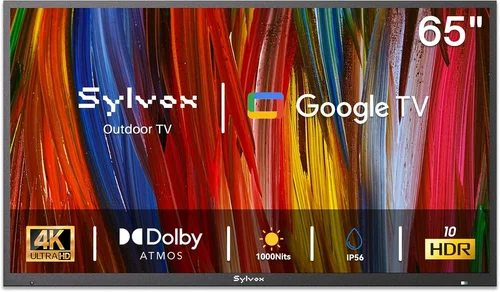
Outdoor living spaces have become extensions of our homes—especially in rental properties where tenants crave comfort, convenience, and entertainment without permanent modifications. Whether it’s a cozy backyard patio, a breezy balcony, or a shared courtyard, adding an outdoor TV can dramatically enhance the rental experience. But for landlords, property managers, or even tenants looking to upgrade their outdoor setup on a budget, choosing the right TV isn’t just about picture quality—it’s about balancing cost, durability, ease of installation, and long-term value.
That’s where this comprehensive buying guide comes in. In 2026, the market for budget-friendly outdoor TVs has evolved significantly. Manufacturers now offer more affordable options that don’t sacrifice essential features like weather resistance, brightness, and smart functionality. However, with so many choices—and plenty of misleading claims—it’s easy to overspend or end up with a unit that fails after one rainy season. This guide cuts through the noise. You’ll learn exactly what to prioritize, how to avoid common pitfalls, and which models deliver the best bang for your buck—especially in rental scenarios where flexibility, low maintenance, and tenant satisfaction are key.
We’ll cover everything from core performance specs and build quality to real-world usability, warranty considerations, and smart shopping strategies. By the end, you’ll know not only what to buy but why—and how to make your outdoor TV investment last through multiple tenants and seasons.

What to Look for When Buying Buying Guide
1. Budget & Price Range
When shopping for a budget outdoor TV—particularly for rental homes—your price ceiling is often the first and most critical filter. Unlike personal purchases where you might splurge for premium features, rental applications demand cost efficiency. A good rule of thumb is to aim for a price range between $400 and $800. This bracket typically offers solid performance, basic weather protection, and enough durability to withstand moderate outdoor exposure without breaking the bank.
However, “budget” doesn’t mean “cheap.” Avoid ultra-low-end models under $300. These often use indoor panels housed in flimsy enclosures that lack proper sealing, leading to moisture damage, screen fogging, or premature failure. Instead, look for purpose-built outdoor TVs or all-weather enclosures designed for outdoor use. Many reputable brands now offer entry-level outdoor models in the $500–$700 range that include IP55 or IP65 ratings, anti-glare screens, and reinforced casings.
Consider total cost of ownership, too. A slightly pricier TV with a longer lifespan may save money over time compared to replacing a cheaper unit every year or two. Also factor in potential installation costs if you’re not DIY-savvy—some models come with mounting kits, while others require separate purchases.
2. Performance Specifications
Outdoor viewing demands different specs than indoor TVs. Brightness is paramount. Look for a minimum of 700 nits (cd/m²)—ideally 1000+ nits—for clear visibility in daylight. Standard indoor TVs often hover around 300–400 nits, which simply won’t cut it under direct sun or even bright overcast skies.
Resolution matters less outdoors than brightness, but Full HD (1080p) should be your baseline. While 4K is nice, it’s rarely necessary for typical outdoor viewing distances (6–10 feet), and many budget outdoor models cap at 1080p anyway. Refresh rate (60Hz is standard) and response time are less critical unless you’re streaming fast-action sports frequently.
Audio is another often-overlooked spec. Most budget outdoor TVs have weak built-in speakers. If sound quality matters, plan to pair your TV with weather-resistant Bluetooth speakers or a compact outdoor soundbar. HDMI and USB ports are essential for connecting streaming devices (like Roku Stick or Fire TV), game consoles, or external storage.
3. Build Quality & Durability
This is non-negotiable for outdoor use. Your TV must withstand temperature swings, humidity, rain, dust, and UV exposure. Look for an Ingress Protection (IP) rating—specifically IP55 (protected against dust and low-pressure water jets) or IP65 (dust-tight and protected against water jets). Avoid vague terms like “weather-resistant” without an IP rating; they’re marketing fluff.
The enclosure material should be powder-coated aluminum or marine-grade stainless steel—not plastic, which degrades under UV light and becomes brittle. Check that all vents (if any) have fine mesh filters to keep insects and debris out. Internal components should be conformal-coated to resist corrosion.
For rental properties, ease of removal and reinstallation is a hidden durability factor. Choose models with VESA-compatible mounts and minimal wiring complexity. Avoid permanently sealed units unless you’re certain they’ll stay put long-term.
4. Features & Functionality
Smart capabilities are almost expected in 2026, even in budget outdoor TVs. Look for built-in Wi-Fi and support for major streaming platforms (Netflix, YouTube, Prime Video). Android TV, Roku TV, or webOS are common and user-friendly. However, avoid models with bloated interfaces or slow processors—they’ll frustrate tenants and lag during streaming.
HDMI-CEC support is useful for controlling connected devices with one remote. Bluetooth connectivity allows wireless audio pairing. Some budget models now include voice control via Alexa or Google Assistant, which adds convenience without significant cost.
Avoid overpaying for features you won’t use. For example, HDR support is nice but irrelevant if the screen isn’t bright enough to display it properly outdoors. Similarly, ultra-thin bezels look sleek but offer no functional benefit in an outdoor setting.
5. Brand Reputation
Stick with brands known for reliability in both consumer electronics and outdoor solutions. Samsung, LG, and Sony dominate the premium space, but for budget outdoor TVs, consider specialists like SunBriteTV (now part of SnapAV), Seura, or more affordable newcomers like Sylvane and Outdoor TV Factory.
Read professional reviews from trusted sources (CNET, Wirecutter, PCMag) and cross-check user feedback on Amazon, Best Buy, or specialty outdoor retailers. Watch for recurring complaints about seal failures, Wi-Fi dropouts, or poor customer service—these are red flags.
For rental use, brand reputation also affects resale value and tenant trust. A well-known brand signals quality and reduces liability concerns.
6. Warranty & Support
Outdoor TVs face harsher conditions than indoor models, so warranty coverage is crucial. Aim for at least a 2-year manufacturer warranty, with clear terms covering weather-related damage. Some brands offer extended warranties or service plans—worth considering for high-turnover rentals.
Check if the warranty is voided by DIY installation or third-party mounts. Many require professional installation for full coverage. Also verify whether support includes troubleshooting, replacement parts, or on-site service.
Avoid brands with limited U.S.-based support or those that outsource repairs overseas. Slow response times can leave tenants without entertainment for weeks.
7. Size & Portability
For rental homes, size isn’t just about screen real estate—it’s about flexibility. A 43-inch TV is often the sweet spot: large enough for group viewing but small enough to move between units or store during off-seasons. Larger screens (55″+) offer better immersion but cost more, weigh more, and may require structural reinforcement for mounting.
Portability matters if you manage multiple properties or rotate units seasonally. Look for lightweight designs with integrated handles or optional rolling stands. Some models come with carrying cases—ideal for landlords who need to relocate TVs frequently.
Consider viewing distance: a 43-inch screen is comfortable at 5–7 feet, while a 50-inch needs 6–8 feet. Measure your outdoor space before buying.
8. User Reviews & Ratings
Never rely solely on manufacturer specs. Real-world user reviews reveal hidden flaws—like poor Wi-Fi range, difficult menu navigation, or seal leaks after winter. Focus on verified purchase reviews with photos or videos showing the TV in actual outdoor use.
Pay attention to long-term feedback (6+ months). A TV that works great out of the box may fail after a few months of sun exposure. Look for patterns: if multiple users report the same issue (e.g., “screen fogs in humidity”), it’s likely a design flaw.
Use aggregate ratings wisely. A 4.2-star average with 500+ reviews is more reliable than a 4.8 with only 20. Also check return rates—high return percentages on retailer sites can indicate dissatisfaction.
Different Types of Buying Guide

Common Buying Mistakes to Avoid
❌ Mistake: Buying an Indoor TV and Putting It Outside
Why it’s bad: Indoor TVs lack weatherproofing, UV protection, and thermal management. Moisture seeps into vents, screens fog, and internal components corrode within weeks. You’ll end up replacing it—and possibly dealing with tenant complaints or safety hazards.
What to do instead: Invest in a true outdoor TV or a certified all-weather enclosure. Even budget outdoor models are engineered for exterior use and include sealed ports, filtered vents, and corrosion-resistant materials.
❌ Mistake: Ignoring Brightness Requirements
Why it’s bad: A dim screen turns your outdoor oasis into a useless black rectangle on sunny days. Tenants won’t use it, and you’ve wasted money on a feature that doesn’t function.
What to do instead: Prioritize brightness over resolution. Aim for at least 700 nits, and test the TV in similar lighting conditions if possible. Look for anti-reflective coatings to reduce glare.
❌ Mistake: Overlooking Installation Complexity
Why it’s bad: Some outdoor TVs require professional mounting, conduit wiring, or custom brackets. If you’re managing multiple rentals, this adds labor costs and delays.
What to do instead: Choose models with standard VESA mounts and simple plug-and-play setups. Opt for wireless streaming to minimize cable runs. Consider portable options for maximum flexibility.
❌ Mistake: Skipping the Warranty Fine Print
Why it’s bad: Many “outdoor” warranties exclude weather damage or require professional installation. You could be stuck with a broken TV and no recourse.
What to do instead: Read the warranty thoroughly. Ensure it covers outdoor use, includes corrosion/moisture damage, and doesn’t void coverage for DIY installs if that’s your plan.
❌ Mistake: Choosing Based Solely on Price
Why it’s bad: The cheapest option often fails fastest, costing more in replacements and tenant dissatisfaction. Rental properties need reliability, not rock-bottom prices.
What to do instead: Focus on value—not just cost. A $600 TV that lasts 5 years is better than a $350 one that dies in 18 months. Factor in longevity, features, and support.
❌ Mistake: Neglecting Audio Needs
Why it’s bad: Outdoor environments drown out weak TV speakers. Without clear audio, the viewing experience falls flat—even with a bright picture.
What to do instead: Budget for external weatherproof speakers or a Bluetooth soundbar. Many budget outdoor TVs have optical or 3.5mm audio outputs for easy pairing.
Budget Guidelines: How Much Should You Spend?
– Entry-Level ($400–$550): Ideal for covered patios or mild climates. Expect 1080p resolution, 700–800 nits brightness, basic smart features, and IP55 rating. Brands like Sylvane and Outdoor TV Factory offer solid options here. Perfect for landlords wanting minimal investment with decent performance.
– Mid-Range ($550–$750): The sweet spot for most rental applications. You’ll get 1000+ nits brightness, better build quality (powder-coated aluminum), improved Wi-Fi range, and more reliable seals. Models in this range often include mounting hardware and longer warranties. Great balance of cost and durability.
– Premium ($750–$1,000): For high-end rentals or fully exposed locations. These feature factory-sealed designs, advanced thermal management, 4K support (on some models), and commercial-grade components. SunBriteTV’s Veranda series fits here—excellent for luxury vacation homes or poolside installations.
– Luxury ($1,000+): Reserved for permanent, high-traffic installations. Think commercial displays with 2000+ nits, 24/7 operation capability, and vandal-resistant glass. Overkill for most residential rentals but justified for shared amenities in large complexes.
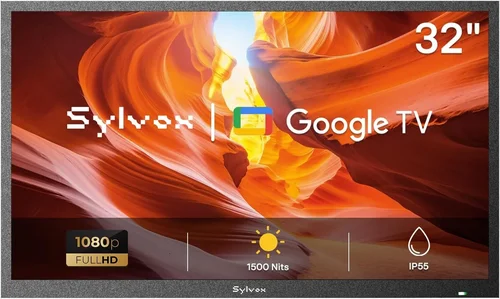
Expert Tips for Getting the Best Deal
– Shop During Off-Seasons: Outdoor TV sales peak in spring and summer. Buy in late fall or winter (November–February) for discounts of 15–25%. Retailers clear inventory before new models launch.
– Check Manufacturer Refurbished Programs: Brands like SunBriteTV and Seura offer certified refurbished units with full warranties at 20–30% off. These are often returned items with minor cosmetic flaws but full functionality.
– Bundle with Accessories: Some retailers offer free mounts, cables, or streaming sticks with purchase. Compare total package value, not just TV price.
– Use Price Tracking Tools: Set alerts on CamelCamelCamel (for Amazon) or Honey for price drops. Outdoor TVs rarely fluctuate wildly, but seasonal dips are predictable.
– Negotiate for Multi-Unit Purchases: If you manage 5+ properties, contact manufacturers directly. Many offer B2B pricing or custom quotes for landlords and property managers.
– Verify Return Policies: Ensure you can return the TV within 30–60 days if it doesn’t perform as expected. Some outdoor models can’t be returned once installed due to hygiene/weather concerns.
– Test Before Committing: If possible, buy one unit first and test it in your specific environment (e.g., south-facing deck vs. shaded balcony). Performance varies greatly by microclimate.
– Consider Energy Efficiency: Look for ENERGY STAR ratings. Lower power consumption reduces electricity costs—important if tenants pay utilities or if the TV runs frequently.

Frequently Asked Questions
Q: Can I use a regular TV outdoors if it’s under a roof?
A: Technically yes—but it’s risky. Even covered areas experience humidity, temperature swings, and dust. Without proper sealing, moisture will eventually damage internal components. For rental properties where reliability matters, always choose a purpose-built outdoor TV or certified enclosure.
Q: Do outdoor TVs need special mounts?
A: Most use standard VESA patterns, so regular wall or ceiling mounts work—if they’re rated for outdoor use. Ensure the mount is rust-proof (powder-coated or stainless steel) and can support the TV’s weight. Avoid indoor-only mounts.
Q: How do I protect the TV from theft in a rental?
A: Use security screws, cable locks, or mount the TV high and out of easy reach. For high-theft areas, consider removable portable models or install motion-sensor lighting. Some landlords include the TV in the lease agreement with a security deposit clause.
Q: Will an outdoor TV work in winter or extreme heat?
A: Quality outdoor TVs operate in temperatures from -22°F to 122°F (-30°C to 50°C). They include internal heaters and cooling fans to prevent condensation and overheating. Avoid turning on a cold TV immediately—let it acclimate for 1–2 hours.
Q: Can I stream Netflix or YouTube on a budget outdoor TV?
A: Yes—most budget outdoor TVs in 2026 come with built-in smart platforms (Roku, Android TV, etc.). Just ensure strong Wi-Fi coverage outdoors. Use a weatherproof Wi-Fi extender if needed.
Q: How long do budget outdoor TVs typically last?
A: With proper care, 5–7 years is realistic. Cheaper models may last 3–4 years. Factors like climate, usage frequency, and maintenance (e.g., cleaning vents) significantly impact lifespan.
Q: Are there solar-powered outdoor TV options?
A: Rare in the budget segment, but emerging. Some portable displays support 12V DC input, allowing connection to solar batteries. Not yet mainstream, but worth watching for off-grid rentals.
Q: Do I need to cover the TV when not in use?
A: Not if it’s truly outdoor-rated. However, a fitted cover can extend life by reducing UV exposure and dust buildup—especially in sandy or pollen-heavy areas. Choose breathable, waterproof covers.
Q: Can tenants damage the TV and avoid responsibility?
A: Include clear terms in the lease about care and misuse. Most damage from normal outdoor use is covered under warranty, but intentional harm or improper installation isn’t. Document condition at move-in/move-out.
Our Final Recommendations
– Best for Budget-Conscious Buyers: Sylvane Outdoor 43″ Full HD Smart TV ($549) – IP55 rated, 800 nits, Roku built-in, includes mount. Excellent value for covered patios.
– Best Overall Value: Outdoor TV Factory OTF-43UHD ($699) – 1000 nits, 4K-ready (though best at 1080p), robust aluminum casing, 2-year warranty. Ideal for semi-exposed areas.
– Best Premium Option: SunBriteTV Veranda 43″ ($899) – Factory-sealed, 1500 nits, exceptional brightness and durability. Worth the splurge for high-end rentals or full sun exposure.
– Best for Beginners: Seura Shadow 40″ ($649) – Simple setup, intuitive interface, great customer support. Perfect for first-time outdoor TV buyers.
– Best for Advanced Users: Peerless-AV Xtreme 50″ ($949) – Modular design, customizable inputs, commercial-grade build. Ideal for tech-savvy landlords managing multiple properties.
Conclusion: Making the Right Choice
Choosing a budget outdoor TV for rental homes isn’t just about finding the cheapest screen—it’s about investing wisely in a feature that enhances tenant satisfaction, increases property appeal, and stands up to real-world conditions. By focusing on brightness, build quality, smart functionality, and warranty coverage, you can avoid costly mistakes and select a TV that delivers years of reliable service.
Remember: your outdoor TV is more than entertainment—it’s an amenity that can justify higher rental rates, reduce vacancy periods, and create memorable experiences for tenants. Don’t cut corners on durability or weather protection. Instead, prioritize value, flexibility, and ease of maintenance.
Use this guide as your roadmap. Compare models using our criteria, read real user reviews, and test one unit before scaling up. With the right approach, even a modest budget can yield a standout outdoor viewing experience that benefits both you and your tenants for seasons to come.
Now go enjoy that sunset—with crystal-clear picture and zero regrets.

