
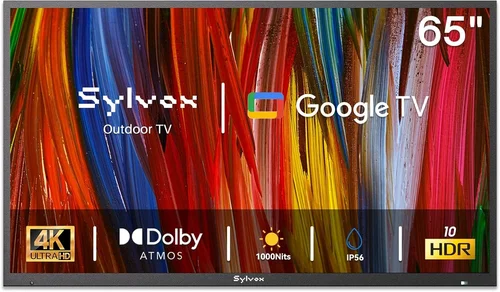
Outdoor living spaces have evolved far beyond simple patios and decks—today’s backyards are fully equipped entertainment zones, complete with grills, fire pits, sound systems, and yes, even televisions. But if you live in a rainy climate, setting up an outdoor TV isn’t just about convenience; it’s about survival. Standard indoor TVs simply aren’t built to withstand constant exposure to moisture, humidity, temperature swings, and direct rainfall. That’s why investing in a proper outdoor TV—or at least a weather-resistant display—is essential for anyone who wants to enjoy their favorite shows, sports, or movies under the open sky without worrying about costly repairs or replacements.
This comprehensive buying guide is designed specifically for budget-conscious buyers in rainy regions who refuse to compromise on quality or durability. Whether you’re in the Pacific Northwest, the UK, Ireland, Japan, or any other region known for persistent drizzle and downpours, we’ll walk you through everything you need to know to make a smart, informed purchase. You’ll learn how to balance cost with performance, what features truly matter in wet conditions, and how to avoid common pitfalls that lead to disappointment—or worse, a soggy, non-functional screen after just one stormy season.
The market for outdoor TVs has grown significantly over the past decade, but it remains fragmented and often confusing. Many manufacturers market “weather-resistant” or “outdoor-ready” displays that are little more than indoor TVs slapped with a splash guard. Meanwhile, true all-weather models from premium brands can cost thousands—far beyond what most homeowners want to spend. Our goal here is to cut through the marketing noise and help you find the best value options that deliver reliable performance, solid build quality, and genuine protection against rain, without breaking the bank. By the end of this guide, you’ll be equipped with the knowledge to choose a TV that lasts, performs well in low-light and bright conditions alike, and fits comfortably within your budget.

What to Look for When Buying Buying Guide
1. Budget & Price Range
When shopping for an outdoor TV in a rainy climate, your budget will dictate not only which models are available to you but also how much protection and longevity you can expect. It’s tempting to go for the cheapest option available, especially when you’re trying to outfit your entire outdoor space on a shoestring budget. However, skimping too much can lead to premature failure, frequent maintenance, or even safety hazards if water infiltrates electrical components.
For most buyers in rainy areas, a realistic starting point is around $800–$1,200 for a 55-inch weather-resistant model. This range typically includes TVs with basic IP-rated enclosures (more on that below), decent brightness levels (at least 700 nits), and reliable connectivity. Going below $600 usually means compromising on either build quality or display performance—often both. On the other hand, spending more than $2,000 gets you into premium territory with advanced cooling systems, anti-glare coatings, and extended warranties, which may be overkill unless you’re mounting your TV in a fully exposed location with no roof or awning.
2. Performance Specifications
Outdoor viewing presents unique challenges that indoor TVs aren’t designed to handle. Sunlight glare, ambient light reflections, and variable lighting conditions throughout the day mean your TV needs to be significantly brighter than its indoor counterpart. Look for a minimum brightness rating of 700 nits (cd/m²)—anything less will appear washed out on sunny days or during daylight hours. Many budget outdoor TVs now offer 1,000+ nits, which is ideal for patios with partial shade or morning/evening viewing.
Resolution is another key factor. While 4K UHD is standard even in budget models, ensure the panel uses a high-quality IPS or VA LCD with good contrast ratios (at least 3000:1). Avoid TN panels, which suffer from poor viewing angles—a real problem when people are seated around a patio at various angles. Refresh rate matters less outdoors than indoors (60Hz is fine for most content), but HDMI 2.0 or higher ensures compatibility with modern streaming devices and gaming consoles.
Audio performance is often neglected in outdoor TVs due to space constraints in weatherproof enclosures. Most budget models include basic 10W speakers, which may suffice for casual listening but won’t fill a large backyard. Consider pairing your TV with weather-resistant outdoor speakers or a soundbar designed for exterior use. Also, check for Bluetooth support if you plan to stream audio wirelessly to headphones or portable speakers.
3. Build Quality & Durability
This is where many budget outdoor TVs fail—and where rainy climates demand the most attention. A TV marketed as “outdoor” doesn’t automatically mean it’s safe for constant exposure to rain. You need to verify the Ingress Protection (IP) rating, which indicates resistance to solids (like dust) and liquids (like water). For rainy environments, aim for at least IP55 (protected against low-pressure water jets from any direction) or ideally IP65 (dust-tight and protected against water projected from a nozzle).
The enclosure material matters too. Look for powder-coated aluminum or marine-grade stainless steel frames—these resist rust and corrosion far better than plastic or untreated metal. Check that all ports (HDMI, USB, power) are sealed with rubber gaskets or covered by a protective flap. Internal components should also be conformal-coated to prevent moisture damage to circuit boards.
Temperature tolerance is another durability factor. Rainy climates often come with cool, damp conditions, especially in spring and fall. Ensure the TV can operate reliably between 32°F and 104°F (0°C to 40°C). Some budget models shut down in cold weather or take minutes to boot up—annoying when you just want to catch the game after work.
4. Features & Functionality
Modern outdoor TVs pack many of the same smart features as their indoor cousins, but not all are equally useful—or reliable—in wet conditions. Smart TV platforms like Roku TV, Android TV, or webOS are common in budget models and allow direct streaming without external devices. However, Wi-Fi performance can suffer outdoors due to distance from your router or interference from walls and foliage. If possible, hardwire your TV via Ethernet using a weatherproof cable conduit.
Look for models with multiple HDMI inputs (at least two), USB ports for media playback, and ARC (Audio Return Channel) support if you’re connecting a sound system. Some budget outdoor TVs now include built-in tuners for over-the-air broadcasts, which is great for live sports without subscription fees. Voice control via Alexa or Google Assistant is a nice bonus but rarely essential.
One often-overlooked feature is the remote control. Standard IR remotes require line-of-sight and can be finicky in bright sunlight. Opt for models with RF (radio frequency) remotes or Bluetooth connectivity—they work through walls and in direct sun. Better yet, choose a TV that supports smartphone app control, so you don’t need the physical remote at all.
5. Brand Reputation
Not all brands are created equal when it comes to outdoor electronics. While mainstream names like Samsung, LG, and Sony dominate the indoor market, they offer limited (and expensive) outdoor options. Instead, several niche brands specialize in weather-resistant displays and have earned strong reputations among homeowners in rainy regions.
Brands like SunBriteTV, Seura, and Peerless-AV are industry leaders but tend to be premium-priced. For budget buyers, look to companies like Sylvane, Outdoor TV, and Vizio’s limited outdoor line—these offer solid performance at lower price points. Read user forums and professional reviews to gauge reliability. A brand with a history of honoring warranties and providing responsive customer service is worth paying a little extra for.
Avoid unknown Chinese brands sold exclusively through Amazon or eBay with vague specifications and no verifiable IP ratings. These may look like bargains but often lack proper certification and fail within months of installation.
6. Warranty & Support
A good warranty is your safety net against manufacturing defects and premature failure—especially important when your TV is exposed to the elements 24/7. Most reputable outdoor TV manufacturers offer at least a 2-year limited warranty, with some extending to 3 or even 5 years. Pay close attention to what’s covered: does it include water damage? What about labor costs for repairs?
Check whether the warranty is honored locally or requires shipping the unit back to the manufacturer—a costly and time-consuming process for a 50-pound TV. Some brands partner with local service centers for faster support. Also, verify if the warranty is voided by improper installation (e.g., mounting without a drip edge or using non-approved cables).
Customer support responsiveness matters too. Can you reach a human being quickly? Are troubleshooting guides available online? Do they offer live chat or phone support during business hours? These details can make a huge difference when your TV stops working during a crucial playoff game.
7. Size & Portability
While most outdoor TVs are mounted permanently, some buyers prefer portable options for flexibility—say, moving the TV from the patio to the garage during winter storms. If portability is a priority, look for lighter-weight models (under 40 lbs for a 55-inch screen) with integrated handles or optional rolling stands.
However, true portability often comes at the expense of durability. Portable outdoor TVs may use thinner enclosures or fewer sealing points, increasing the risk of water ingress. They’re best suited for covered areas like screened-in porches or pergolas with roofs—not fully exposed decks.
For permanent installations, size should match your seating distance. A general rule: multiply your viewing distance (in inches) by 0.84 to get the ideal screen diagonal. So, if you’re sitting 8 feet (96 inches) away, a 55–65 inch TV is optimal. Going larger isn’t always better—oversized screens can cause eye strain and look out of proportion in smaller yards.
8. User Reviews & Ratings
Never buy an outdoor TV based solely on specs or marketing claims. Real-world user feedback reveals flaws that lab tests miss—like poor seal integrity after seasonal temperature changes or Wi-Fi dropouts in humid conditions. Focus on reviews from buyers in similar climates (e.g., “I live in Seattle and this TV survived two winters”).
Look for patterns in complaints: if multiple users report the same issue (e.g., HDMI ports failing after rain), it’s likely a design flaw. Conversely, consistent praise for ease of installation or brightness in overcast conditions is a strong positive signal. Sites like Wirecutter, CNET, and specialized forums like AVS Forum have detailed outdoor TV discussions worth reading.
Be wary of fake reviews. Genuine feedback usually includes specifics about usage context, installation method, and long-term performance. If every 5-star review reads like a press release, proceed with caution.
Different Types of Buying Guide

Common Buying Mistakes to Avoid
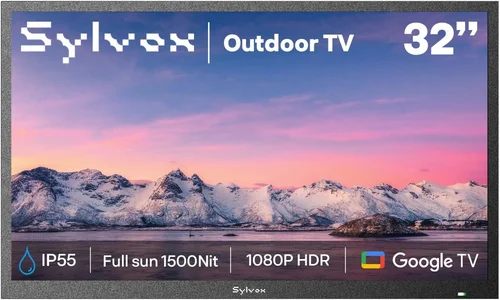
❌ Mistake: Assuming All “Outdoor” TVs Are Created Equal
Why it’s bad: Many retailers use the term “outdoor” loosely. A TV labeled as such might only be suitable for covered areas with minimal exposure. Using it in direct rain can cause immediate damage.
What to do instead: Always check the IP rating and manufacturer’s installation guidelines. If the manual says “not for direct exposure,” don’t mount it under open sky—even if it’s raining lightly.
❌ Mistake: Ignoring Brightness Requirements
Why it’s bad: Indoor TVs typically range from 300–500 nits. In daylight, even with cloud cover, ambient light can wash out the image, making colors dull and details hard to see.
What to do instead: Prioritize models with at least 700 nits. For south-facing patios with afternoon sun, aim for 1,000+ nits. Look for anti-reflective coatings to reduce glare.
❌ Mistake: Skimping on Mounting Hardware
Why it’s bad: Standard indoor mounts aren’t designed for outdoor use. They can rust, loosen over time, or fail to provide proper tilt for optimal viewing angle in variable light.
What to do instead: Invest in a weatherproof, corrosion-resistant mount rated for your TV’s weight. Ensure it allows for slight downward tilt to prevent water pooling on the screen.
❌ Mistake: Overlooking Cable Management
Why it’s bad: Exposed cables are vulnerable to water ingress, UV degradation, and animal chewing. Water can travel along cables into the TV or source devices.
What to do instead: Use conduit or trunking to protect cables. Choose outdoor-rated HDMI and power cables with sealed connectors. Route cables away from drip lines.
❌ Mistake: Buying Based Solely on Price
Why it’s bad: The cheapest option often lacks essential protections like conformal coating or proper gaskets, leading to early failure and higher long-term costs.
What to do instead: Focus on value—not just upfront cost. A $1,200 TV that lasts 5 years is better than a $600 model that dies after 18 months.
❌ Mistake: Neglecting Local Climate Extremes
Why it’s bad: Rainy climates vary widely. Coastal areas face salt spray; mountain regions deal with freezing temps; urban settings have pollution. A TV suited for mild rain may fail in harsher conditions.
What to do instead: Research your specific microclimate. If you’re near the ocean, prioritize stainless steel hardware. In cold zones, ensure cold-start capability.
❌ Mistake: Forgetting About Audio
Why it’s bad: Wind, rain, and distance from the TV can make built-in speakers inaudible. You’ll end up shouting or missing dialogue.
What to do instead: Plan for external audio from day one. Budget for weatherproof speakers or a Bluetooth transmitter that pairs with portable units.
Budget Guidelines: How Much Should You Spend?
- Entry-Level ($600–$900): These are typically indoor TVs paired with third-party weather enclosures or basic all-weather models with limited brightness (500–700 nits) and minimal smart features. Best for covered patios with indirect rain exposure. Expect 1–2 year lifespan in heavy rain zones unless meticulously maintained.
- Mid-Range ($900–$1,500): The sweet spot for most buyers. Includes true all-weather TVs with IP55+ ratings, 700–1,000 nits brightness, decent smart platforms, and reliable warranties. Ideal for partially covered decks and pergolas. Look for brands like Sylvane or Outdoor TV in this range.
- Premium ($1,500–$2,500): For enthusiasts and those with fully exposed installations. Features include 1,000+ nits brightness, advanced thermal management, anti-glare screens, and extended 3–5 year warranties. Models from SunBriteTV’s Veranda series fall here.
- Luxury ($2,500+): Top-tier commercial-grade displays built for 24/7 operation in extreme conditions. Includes features like heated screens for frost prevention, redundant cooling systems, and vandal-resistant casings. Overkill for residential use unless you’re running a backyard cinema year-round.
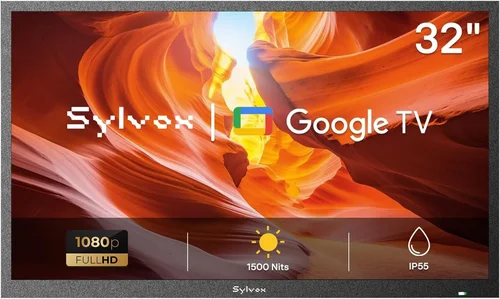
Expert Tips for Getting the Best Deal
- Buy in Spring: Demand peaks in summer, so retailers discount older models in March–May. You’ll find better deals before the patio season kicks off.
- Shop Specialty Retailers: Stores like Sylvane, Abt, and Crutchfield specialize in outdoor electronics and often bundle mounts, cables, and extended warranties at discounted rates.
- Check Refurbished Options: Certified refurbished outdoor TVs from reputable sellers come with full warranties and can save you 20–30%. Ensure they include the original weatherproof enclosure.
- Negotiate Bundles: If buying a TV, mount, and speakers together, ask for a package discount. Many retailers offer 10–15% off bundled purchases.
- Verify Return Policies: Outdoor TVs are heavy and expensive to return. Choose retailers with at least 30-day return windows and free return shipping.
- Test Before Finalizing: If possible, visit a local showroom to see the TV in person. Check brightness, color accuracy, and remote functionality under bright lighting.
- Register for Alerts: Sign up for price-drop alerts on sites like CamelCamelCamel (for Amazon) or Honey. Outdoor TV prices fluctuate significantly throughout the year.
- Read the Fine Print on Warranties: Some warranties require professional installation to remain valid. Know the terms before you buy.

Frequently Asked Questions
Q: Can I use a regular indoor TV outdoors if it’s under a roof?
A: Technically yes, but it’s risky. Even under cover, humidity, temperature swings, and wind-driven rain can damage internal components over time. For reliable long-term use in rainy climates, an outdoor-rated TV is strongly recommended.
Q: What’s the difference between IP55 and IP65?
A: IP55 protects against low-pressure water jets from any direction, while IP65 adds dust-tight protection. For most residential rainy climates, IP55 is sufficient unless you’re in a very dusty or sandy area.
Q: Do outdoor TVs consume more power?
A: Not necessarily. Brightness affects power draw, but modern LED-backlit outdoor TVs are quite efficient. A 55-inch 1,000-nit model typically uses 100–150 watts—similar to a high-end indoor TV.
Q: Can I install an outdoor TV myself?
A: Yes, if you’re comfortable with basic tools and following instructions. However, improper mounting can void warranties or create safety hazards. For complex installations (e.g., on brick or tile), hire a professional.
Q: Will an outdoor TV work in winter?
A: Most operate down to 32°F (0°C). Below that, performance may degrade. Some premium models include heaters for sub-freezing use, but these are rare in budget ranges.
Q: How do I clean an outdoor TV screen?
A: Use a microfiber cloth and distilled water only. Never use glass cleaner, ammonia, or abrasive materials—they can damage anti-reflective coatings.
Q: Are outdoor TVs compatible with streaming devices?
A: Absolutely. Most support HDMI inputs for Roku, Fire Stick, Apple TV, etc. Just ensure your device is also protected from the elements or placed indoors with a long HDMI cable.
Q: What happens if my outdoor TV gets rained on during a storm?
A: If it’s properly rated (IP55+), nothing—it’s designed for that. However, avoid touching it with wet hands, and ensure all port covers are securely closed.
Q: Can I leave my outdoor TV on during rain?
A: Yes, as long as it’s rated for outdoor use. In fact, running it occasionally helps prevent moisture buildup inside the enclosure.
Q: Do I need a surge protector?
A: Highly recommended. Outdoor electronics are vulnerable to power surges from lightning. Use a whole-house surge protector plus an outdoor-rated power strip.
Our Final Recommendations
- Best for Budget-Conscious Buyers: Sylvane 55″ All-Weather Outdoor TV – Priced around $1,100, it offers IP55 rating, 800 nits brightness, and a 2-year warranty. Great for covered patios in moderate rain zones.
- Best Overall Value: Outdoor TV 60″ Sunlight Readable Display – At $1,350, it delivers 1,000 nits, Android TV, and robust aluminum construction. Ideal for partially exposed decks.
- Best Premium Option: SunBriteTV Veranda 55″ Series – Though pricier ($2,200), it’s built like a tank with IP65 rating, heated screen option, and exceptional brightness. Perfect for fully exposed locations.
- Best for Beginners: Vizio M-Series Outdoor 50″ – User-friendly interface, solid build, and good app support. Comes with a detailed installation guide and responsive customer service.
- Best for Advanced Users: DIY Kit with LG CX + Peerless Enclosure – For tech-savvy buyers who want maximum customization. Total cost ~$1,400, with top-tier picture quality and full control over components.
Conclusion: Making the Right Choice
Choosing the right outdoor TV for a rainy climate isn’t just about finding the cheapest screen that claims to be “weatherproof.” It’s about understanding your environment, prioritizing durability and brightness, and balancing upfront cost with long-term reliability. As we’ve shown, the market offers viable options across multiple price points—but only if you know what to look for.
Remember: your outdoor TV is an investment in your lifestyle. It enables movie nights under the stars, live sports viewing during summer storms, and quiet mornings with coffee and the news—all from the comfort of your backyard. Don’t let a preventable failure ruin that experience. Take the time to assess your needs, read real user reviews, and choose a model that matches your climate, budget, and usage patterns.
Finally, don’t forget the supporting cast: a quality mount, protected cables, and complementary audio. These elements work together to create a seamless, enjoyable outdoor entertainment system that lasts for years—not months.
Now that you’re armed with expert knowledge, it’s time to make your purchase with confidence. Whether you’re watching the rain fall or the game unfold, your outdoor TV should enhance—not hinder—your experience. Happy viewing!

