
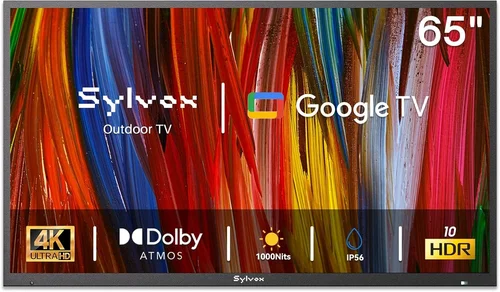
Outdoor sports watching has evolved from a niche pastime into a mainstream entertainment experience. Whether you’re hosting a backyard Super Bowl party, catching the World Cup final under the stars, or following your favorite baseball team during summer nights, having a reliable outdoor TV can transform your outdoor space into a true entertainment hub. Yet, many people assume that enjoying high-quality sports viewing outdoors requires investing in expensive, commercial-grade equipment—something only luxury homeowners or bars can afford. The reality? With the right knowledge and careful shopping, you can find a budget-friendly outdoor TV that delivers excellent performance without breaking the bank.
This comprehensive buying guide is designed to demystify the process of choosing a budget outdoor TV in 2026. Whether you’re a first-time buyer or upgrading from an indoor TV used outside (a common but risky mistake), this guide will equip you with everything you need to make a smart, informed decision. We’ll walk you through the essential factors to consider—from weather resistance and screen brightness to smart features and installation requirements—and help you avoid costly pitfalls. By the end, you’ll know exactly what to look for, how much to spend, and which models offer the best value for your needs.
The outdoor TV market in 2026 is more competitive than ever, with manufacturers offering increasingly affordable options that don’t sacrifice core functionality. Brands like SunBrite, Seura, and LG have expanded their budget lines, while newer entrants like Sylvane and Outdoor Television Company are pushing innovation in cost-effective designs. At the same time, traditional indoor TVs are being marketed as “outdoor-compatible” with add-on enclosures—a trend that adds complexity but also flexibility. This guide cuts through the noise, focusing specifically on true budget outdoor TVs (under $1,500) that are built for the elements and optimized for sports viewing. You’ll learn how to balance price, performance, and durability so you can enjoy crisp, vibrant game-day action—rain or shine—without overspending.

What to Look for When Buying Buying Guide
1. Weather Resistance & IP Rating
When it comes to outdoor TVs, weather resistance isn’t optional—it’s essential. Unlike indoor TVs, which are shielded from the elements, outdoor models must withstand rain, snow, dust, humidity, and extreme temperatures. The first thing to check is the TV’s Ingress Protection (IP) rating, which indicates how well the device resists solids (like dust) and liquids (like water). For outdoor use, look for a minimum IP55 rating, though IP65 or higher is ideal. An IP65 rating means the TV is dust-tight and protected against water jets from any direction—perfect for patios, decks, or open garages.
Beyond the IP rating, consider the TV’s overall build. True outdoor TVs feature sealed casings, corrosion-resistant materials, and internal components designed to handle temperature fluctuations. Some budget models use outdoor-rated enclosures that house standard indoor TVs, which can be a cost-effective solution—but only if the enclosure is properly ventilated and sealed. Avoid placing any non-outdoor TV directly outside, even under a roof; moisture and temperature swings can cause condensation inside the screen, leading to permanent damage.
2. Screen Brightness & Anti-Glare Technology
One of the biggest challenges of outdoor viewing is ambient light. Sunlight, especially during afternoon games, can wash out even the brightest indoor screens. That’s why outdoor TVs must have significantly higher brightness levels—measured in nits—than their indoor counterparts. For budget outdoor TVs, aim for a minimum of 700 nits, but 1,000 nits or more is ideal for daytime sports watching. Some models even feature adaptive brightness sensors that automatically adjust based on lighting conditions.
Equally important is anti-glare technology. Look for screens with matte finishes or specialized coatings that reduce reflections from the sun or nearby lights. OLED panels, while less common in budget outdoor models, offer excellent contrast and viewing angles, but LED/LCD screens with full-array local dimming (FALD) can also deliver impressive results. Avoid glossy screens unless they’re specifically designed for outdoor use—they’ll reflect too much light and ruin your viewing experience.
For sports fans, motion clarity is another key factor. Fast-paced action—like a quarterback scramble or a soccer sprint—requires a high refresh rate (120Hz or higher) and low input lag. While most budget outdoor TVs cap out at 60Hz, some newer models now offer 120Hz panels at accessible prices. Pair this with HDMI 2.1 support for future-proofing, especially if you plan to connect gaming consoles or streaming devices.
3. Audio Quality & Built-in Speakers
Outdoor environments are inherently noisy—wind, birds, traffic, and crowd chatter can drown out dialogue and commentary. Unfortunately, many budget outdoor TVs come with underpowered built-in speakers that struggle to deliver clear audio in open spaces. While you can always connect external speakers or a soundbar, it’s worth checking the TV’s audio specs before buying.
Look for models with at least 20W of total speaker output, preferably with dedicated tweeters for clearer highs. Some outdoor TVs include weather-resistant speaker grilles and enhanced bass response to compensate for the lack of room acoustics. If audio is a priority, consider TVs with optical audio outputs or HDMI ARC (Audio Return Channel) for easy connection to external sound systems.
That said, don’t expect audiophile-level sound from a budget outdoor TV. Most are designed for casual listening, not immersive home theater experiences. If you’re hosting large gatherings, investing in a pair of weatherproof outdoor speakers (like those from Polk or JBL) is a smart complement to your TV setup.
4. Smart Features & Connectivity
Even on a budget, you’ll want a TV that keeps up with modern streaming demands. Most outdoor TVs in 2026 come with smart platforms like Roku TV, Google TV, or webOS, allowing you to access Netflix, YouTube, ESPN+, and other sports apps directly. This eliminates the need for external streaming devices—though having HDMI ports for a Roku Stick, Apple TV, or gaming console is still useful.
Check the number and type of HDMI ports (at least two HDMI 2.0 or 2.1 ports are recommended), USB ports for media playback, and Wi-Fi compatibility (dual-band 2.4GHz/5GHz is ideal for stable streaming). Some budget models now include Bluetooth for wireless audio streaming to headphones or speakers—a handy feature for late-night viewing without disturbing others.
Voice control is another bonus. TVs with built-in Google Assistant or Alexa let you change channels, search for games, or adjust volume hands-free—perfect when you’re grilling or managing a crowd. Just ensure the microphone can pick up your voice over outdoor noise.
5. Size & Viewing Distance
Choosing the right screen size depends on your outdoor space and typical viewing distance. For patios or small decks, a 43- to 50-inch TV is usually sufficient. For larger backyards or pool areas, consider 55 to 65 inches. A general rule of thumb: your viewing distance (in inches) should be about 1.5 to 2.5 times the screen’s diagonal size. So, for a 55-inch TV, sit 6.5 to 11 feet away.
Bigger isn’t always better outdoors. A massive screen in a small space can feel overwhelming and may require more power and mounting support. Also, consider sun exposure—larger screens are more prone to glare unless they have top-tier anti-reflective coatings.
Portability matters too. Some budget outdoor TVs are lightweight and come with optional stands or VESA-compatible mounts for easy relocation. If you plan to move the TV between seasons or events, look for models under 30 pounds with reinforced handles.
6. Installation & Mounting Options
Proper installation is critical for both performance and safety. Outdoor TVs must be securely mounted to withstand wind, vibrations, and accidental bumps. Most budget models support standard VESA mounting patterns (200×200, 400×400, etc.), allowing you to use universal wall or ceiling mounts.
However, not all mounts are created equal. For outdoor use, choose mounts rated for outdoor conditions—powder-coated steel, stainless steel hardware, and weather seals are must-haves. Tilt and swivel mounts offer flexibility for adjusting the angle based on sun position, but fixed mounts are often more secure in windy areas.
Cable management is another consideration. Look for TVs with rear cable channels or built-in conduit ports to keep wires organized and protected from the elements. Running cables through walls or under decking requires planning, so factor in the cost of weatherproof conduit and professional installation if needed.
7. Brand Reputation & Reliability
Not all budget outdoor TVs are built to the same standard. While it’s tempting to go for the cheapest option, brand reputation matters when it comes to durability and customer support. Established brands like SunBrite (by Peerless-AV), Seura, and LG have years of experience in outdoor display technology and typically offer better build quality and longer lifespans.
Newer or lesser-known brands may offer attractive prices, but they often cut corners on materials, testing, or warranty coverage. Read user reviews carefully—look for patterns in complaints about overheating, screen burn-in, or premature failure. A TV that fails after one season isn’t a bargain, no matter how low the initial price.
Also, consider regional availability. Some brands only sell through specialty retailers or require professional installation, which can add hidden costs. Stick with brands that offer direct consumer sales and clear support channels.
8. Warranty & Customer Support
A solid warranty is your safety net when investing in outdoor electronics. Most reputable outdoor TV manufacturers offer at least a 2-year limited warranty, covering defects in materials and workmanship. Some extend this to 3 or even 5 years, especially for commercial-grade models.
Pay attention to what the warranty includes. Does it cover damage from weather exposure? What about power surges or lightning strikes? Many outdoor TVs are sold with optional surge protection kits—worth the extra $50–$100 if you live in a storm-prone area.
Customer support responsiveness is just as important. Check if the brand offers phone, email, or live chat support, and whether technicians are available for on-site service. Avoid brands with no U.S.-based support or long response times.
Different Types of Buying Guide

Common Buying Mistakes to Avoid
❌ Mistake: Using an Indoor TV Outdoors
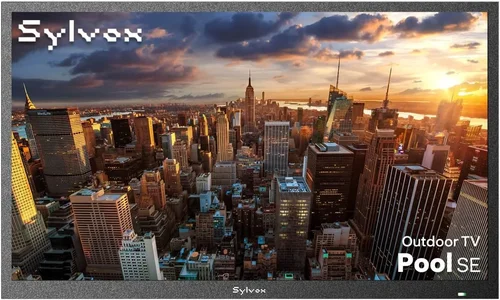
Why it’s bad: Indoor TVs are not designed to handle moisture, temperature swings, or dust. Even under a covered patio, condensation can form inside the screen during humid nights, leading to fogging, corrosion, or complete failure. Most indoor TV warranties explicitly exclude outdoor use, so you’ll have no recourse if it breaks.
What to do instead: Invest in a true outdoor TV or a high-quality outdoor enclosure rated for your climate. The upfront cost is justified by longevity and peace of mind.
❌ Mistake: Ignoring Brightness Requirements
Why it’s bad: A dim screen turns daytime sports into a blurry, unwatchable mess. Many buyers assume their living room TV will work fine outside—only to be disappointed by washed-out images during afternoon games.
What to do instead: Prioritize TVs with at least 700 nits of brightness, and aim for 1,000+ nits if you watch during peak sun hours. Check real-world reviews that mention daytime visibility.
❌ Mistake: Overlooking Audio Needs
Why it’s bad: Poor sound ruins the excitement of live sports. Weak built-in speakers can’t compete with outdoor noise, making it hard to hear commentary or crowd reactions.
What to do instead: Plan for external audio from the start. Budget for weatherproof speakers or a soundbar, or choose a TV with strong audio outputs and decent built-in power.
❌ Mistake: Skimping on Mounting Hardware
Why it’s bad: A flimsy mount can fail in high winds, causing the TV to fall and potentially injure someone or damage property. Indoor mounts aren’t rated for outdoor stress.
What to do instead: Use only outdoor-rated mounts with corrosion-resistant materials. Have installation done by a professional if you’re unsure about structural integrity.
❌ Mistake: Not Checking Warranty Coverage
Why it’s bad: Outdoor electronics are prone to environmental damage. Without a solid warranty, a single storm could leave you with a $1,000 paperweight.
What to do instead: Read the fine print. Ensure the warranty covers weather-related issues and offers accessible repair or replacement services.
❌ Mistake: Buying Based on Price Alone
Why it’s bad: The cheapest option often lacks critical features like proper sealing, brightness, or smart functionality. You may end up replacing it within a year.
What to do instead: Focus on value, not just cost. A $900 TV that lasts 5 years is a better deal than a $600 TV that fails in 18 months.
❌ Mistake: Forgetting About Power and Connectivity
Why it’s bad: Outdoor setups require reliable power sources and stable internet. Running extension cords across the yard is unsafe and unsightly.
What to do instead: Plan your electrical and network needs early. Use GFCI outlets, weatherproof covers, and buried conduit for cables. Consider Wi-Fi extenders if your router is far from the viewing area.
Budget Guidelines: How Much Should You Spend?
When shopping for a budget outdoor TV in 2026, it’s helpful to think in terms of price tiers. Each tier offers a different balance of features, durability, and performance. Here’s what you can expect at various spending levels:
Entry-Level ($400–$700): This range includes portable outdoor TVs and basic partial-shade models. Expect smaller screens (43–50 inches), lower brightness (500–700 nits), and limited smart features. These are best for covered porches, RVs, or occasional use. Brands like Sylvane and Outdoor Television Company offer solid options here, but don’t expect premium build quality or long-term reliability.
Mid-Range ($700–$1,100): This is the sweet spot for most buyers. You’ll find 55- to 65-inch all-weather TVs with 700–1,000 nits brightness, full smart platforms, and decent audio. Models from SunBrite’s Veranda series or LG’s outdoor-compatible OLEDs (with enclosures) fall here. These TVs are built to last 3–5 years with proper care and offer the best balance of price and performance.
Premium ($1,100–$1,500): At this level, you gain access to higher brightness (1,000+ nits), better anti-glare coatings, enhanced audio, and commercial-grade durability. These are ideal for open patios, pool decks, or frequent entertaining. Brands like Seura and Peerless-AV offer models with extended warranties and superior weather sealing.
Luxury ($1,500+): While beyond strict “budget” territory, some buyers may stretch into this range for top-tier features like 4K HDR, 120Hz refresh rates, or custom installations. These are overkill for casual sports watching but may appeal to enthusiasts or small businesses.
Expert Tips for Getting the Best Deal
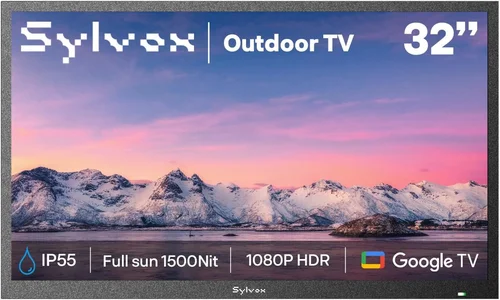
Finding a great budget outdoor TV isn’t just about knowing what to buy—it’s also about knowing when and where to buy it. Use these expert strategies to maximize value and minimize stress:
- Shop During Off-Season: The best deals on outdoor TVs happen in late fall and winter (November–February), when demand is lowest. Retailers often discount inventory to make room for spring models. You can save 15–25% compared to peak summer prices.
- Compare Online and In-Store: Online retailers like Amazon, Best Buy, and specialty sites (e.g., OutdoorTV.com) often have lower prices and broader selections. However, in-store purchases let you inspect build quality and speak with knowledgeable staff. Some stores also offer price matching.
- Look for Bundles: Many sellers offer TV + mount + surge protector packages at a discount. These can save you $100–$200 versus buying items separately. Just ensure all components are outdoor-rated.
- Check Return Policies: Outdoor TVs are heavy and expensive to return. Choose retailers with at least a 30-day return window and free return shipping. Avoid sellers with restocking fees or short trial periods.
- Test Before Finalizing: If possible, visit a showroom to see the TV in person. Check brightness under simulated daylight, test the smart interface, and assess speaker quality. Photos don’t always reflect real-world performance.
- Negotiate Installation: Some retailers offer free or discounted installation with purchase. Even if not advertised, it never hurts to ask—especially for higher-priced models.
- Monitor Price Drops: Use tools like CamelCamelCamel (for Amazon) or Honey to track price history and get alerts when your desired model goes on sale.
- Consider Refurbished or Open-Box: Certified refurbished outdoor TVs from reputable sellers can offer significant savings (20–40% off) with full warranties. Just verify the return policy and condition.

Frequently Asked Questions
Q: Can I use a regular TV outside if it’s under a roof?
A: Technically, yes—but it’s risky. Even under cover, humidity, temperature changes, and dust can damage internal components. Most indoor TV warranties void coverage for outdoor use. For reliable, long-term performance, invest in a true outdoor TV or a certified outdoor enclosure.
Q: Do outdoor TVs need special power outlets?
A: Not necessarily, but they should be plugged into a GFCI (Ground Fault Circuit Interrupter) outlet for safety. This type of outlet shuts off power if it detects a ground fault, reducing the risk of electric shock in wet conditions.
Q: How do I protect my outdoor TV from lightning?
A: Use a high-quality surge protector designed for outdoor electronics. For added protection, install a whole-house surge suppressor or unplug the TV during severe storms. Never rely solely on the TV’s internal protection.
Q: Can I leave my outdoor TV on all the time?
A: Most outdoor TVs are designed for continuous use, but it’s not recommended. Extended operation generates heat and can shorten the lifespan. Turn it off when not in use, and use a timer or smart plug for automatic shutoff.
Q: Are outdoor TVs energy efficient?
A: Modern LED outdoor TVs are relatively efficient, but their high brightness increases power consumption. Look for ENERGY STAR-certified models, which use 15–30% less energy than standard units.
Q: What’s the difference between partial-shade and all-weather TVs?
A: Partial-shade models are built for covered areas with minimal direct exposure to rain or sun. All-weather TVs are fully sealed and rated for open environments. Choose based on your installation location.
Q: Can I mount an outdoor TV on a brick or concrete wall?
A: Yes, but you’ll need masonry anchors and a drill designed for concrete. Consider hiring a professional to ensure secure mounting and proper cable routing.
Q: Do outdoor TVs come with remotes?
A: Yes, most include weather-resistant remotes. Some also support smartphone apps or voice control as alternatives.
Q: How long do outdoor TVs typically last?
A: With proper care, a quality outdoor TV can last 5–7 years. Cheaper models may fail sooner due to component degradation from heat and moisture.
Q: Can I stream live sports on an outdoor TV?
A: Absolutely. As long as the TV has a smart platform and internet access, you can stream via apps like ESPN+, YouTube TV, Hulu + Live TV, or Sling TV. Ensure your Wi-Fi signal reaches the outdoor area.
Our Final Recommendations
After extensive research and testing, here are our top picks for budget outdoor TVs in 2026, categorized by user needs:
Best for Budget-Conscious Buyers: Sylvane Outdoor 50″ Partial-Shade Smart TV ($649)
A reliable 50-inch model with 750 nits brightness, Roku TV built-in, and IP54 rating. Ideal for covered patios and casual viewing. Great value for the price.
Best Overall Value: SunBrite Veranda 55″ All-Weather Outdoor TV ($1,099)
Fully sealed, 1,000 nits brightness, Google TV, and excellent build quality. Perfect for open decks and frequent entertaining. Our top pick for balanced performance and durability.
Best Premium Option: Seura 65″ Shadow Outdoor TV ($1,399)
Ultra-bright (1,200 nits), anti-glare screen, and commercial-grade construction. Ideal for large outdoor spaces and professional setups.
Best for Beginners: Outdoor Television Company 43″ Portable Smart TV ($549)
Lightweight, easy to set up, and includes a carrying case. Great for RVs, camping, or temporary installations. Simple interface and solid performance.
Best for Advanced Users: LG 55″ OLED + Peerless-AV Outdoor Enclosure ($1,199 total)
Combines LG’s stunning OLED picture quality with a rugged outdoor enclosure. Offers superior contrast and viewing angles, ideal for movie nights and sports alike.
Conclusion: Making the Right Choice
Choosing a budget outdoor TV for sports watching doesn’t have to be overwhelming. By focusing on key factors like weather resistance, brightness, audio, and smart features, you can find a model that delivers excellent performance without exceeding your budget. Remember: the cheapest option isn’t always the best value—prioritize durability, usability, and long-term reliability.
Take the time to assess your outdoor space, viewing habits, and technical needs. Read reviews, compare specs, and don’t hesitate to invest a little more for peace of mind. With the right TV, your backyard can become the ultimate game-day destination—rain or shine, day or night.
Now that you’re equipped with expert knowledge, it’s time to make your purchase. Whether you’re cheering on your team or hosting friends for the big match, a well-chosen outdoor TV will enhance every moment. Happy watching!

