
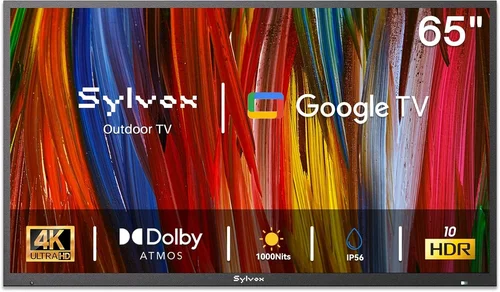
Outdoor living spaces have evolved far beyond simple patios and backyards. Today’s homeowners and outdoor enthusiasts are transforming their decks, porches, gazebos, and even poolside areas into full-fledged entertainment zones—complete with weather-resistant furniture, outdoor kitchens, and yes, outdoor televisions. Whether you’re hosting summer barbecues, watching the big game under the stars, or simply enjoying a quiet evening with a movie in your garden, an outdoor TV can elevate your experience significantly. However, not all outdoor TVs are created equal—especially when you factor in environmental challenges like strong winds, temperature fluctuations, and exposure to the elements.
This guide is designed specifically for buyers who want reliable, high-performing outdoor televisions that won’t break the bank—and that can withstand the rigors of windy conditions. Wind might seem like a minor concern compared to rain or sun, but it can cause significant issues: mounting instability, screen vibration, reduced audio clarity, and even long-term damage to internal components if the TV isn’t built to resist motion and stress. Choosing the right model requires more than just looking at screen size or price—it demands a deep understanding of build quality, weatherproofing standards, mounting solutions, and performance under real-world outdoor stressors.
In this comprehensive buying guide, you’ll learn everything you need to know to make a smart, informed decision. We’ll break down the essential factors to consider—from budget and durability to display technology and wind resistance—so you can confidently select an outdoor TV that delivers great picture quality, lasts for years, and stays securely in place even during gusty weather. You’ll also discover common pitfalls to avoid, expert tips for getting the best deal, and our top recommendations across different price ranges. Whether you’re a first-time buyer or upgrading from an older model, this guide will equip you with the knowledge to invest wisely in an outdoor TV that truly enhances your outdoor lifestyle.

What to Look for When Buying Buying Guide
1. Budget & Price Range
Setting a realistic budget is the first and most important step in your outdoor TV purchase. Unlike indoor TVs, outdoor models come with specialized engineering—weatherproof casings, enhanced cooling systems, anti-glare screens, and reinforced mounting hardware—all of which drive up costs. However, “outdoor” doesn’t automatically mean “luxury pricing.” You can find capable options starting around $800, with mid-range models between $1,200 and $2,500, and premium units exceeding $3,000.
When determining your budget, consider not just the TV itself but also installation costs, mounting brackets, cables, and potential add-ons like weatherproof enclosures or soundbars. A common mistake is underestimating these extras—especially in windy areas where a heavy-duty, vibration-dampening mount may be necessary. Allocate at least 15–20% of your total budget for accessories and professional installation if needed.
2. Performance Specifications
Outdoor viewing presents unique challenges: bright sunlight, reflections, and distance from seating areas. Therefore, performance specs matter more than ever. Start with brightness—measured in nits. For shaded patios or covered porches, look for at least 700 nits. For fully exposed areas with direct sun, aim for 1,000 nits or higher. Many budget outdoor TVs skimp here, so verify this spec carefully.
Resolution should be 4K UHD (3840 x 2160) for crisp detail, especially on larger screens. HDR support (HDR10, HLG, or Dolby Vision) enhances contrast and color accuracy, making skies pop and shadows more defined—critical when watching sports or nature documentaries outdoors. Refresh rate matters too: 60Hz is standard, but 120Hz panels offer smoother motion, reducing blur during fast-paced action scenes—a plus if you’re watching live sports in windy conditions where screen stability is already compromised.
Audio is often overlooked but vital. Wind can drown out built-in speakers, so prioritize TVs with robust audio output (20W or higher) or plan to pair them with outdoor-rated soundbars or wireless speakers. Look for models with multiple HDMI ports (at least 3), USB inputs, and smart platform compatibility (like Android TV, Roku, or webOS) for streaming convenience.
3. Build Quality & Duridity
This is non-negotiable for windy environments. An outdoor TV must withstand not only rain, dust, and temperature swings but also constant motion from wind. Start by checking the IP (Ingress Protection) rating. For outdoor use, IP55 or higher is ideal—this means protection against dust and low-pressure water jets from any direction.
The chassis should be constructed from marine-grade aluminum or powder-coated steel, which resists corrosion and rust. Avoid plastic-heavy designs; they’re more prone to cracking under stress and degrade faster under UV exposure. Internal components must also be sealed and thermally managed—look for passive cooling systems (no fans) to prevent dust ingress and reduce noise, which is especially important in quiet outdoor settings.
Wind resistance goes beyond the TV body—it extends to how well the unit resists vibration and flexing. Some manufacturers reinforce the panel backing or use shock-absorbing materials. Check product descriptions for terms like “vibration-resistant,” “wind-stable,” or “reinforced frame.” If unavailable, read user reviews from customers in coastal or mountainous regions—they’re your best source of real-world durability feedback.
4. Features & Functionality
Modern outdoor TVs blend entertainment with smart convenience. Built-in Wi-Fi and Bluetooth allow seamless streaming from services like Netflix, YouTube, and Disney+. Voice control via Alexa or Google Assistant adds hands-free operation—useful when you’re grilling or lounging away from the remote.
Look for models with anti-reflective coatings or optically bonded screens. These reduce glare from sunlight and minimize image washout, ensuring visibility even at oblique angles. Some premium models include ambient light sensors that automatically adjust brightness based on daylight conditions—a smart feature that saves energy and improves viewing comfort.
Connectivity is key. Ensure the TV has enough HDMI ports for your devices (cable box, gaming console, streaming stick), plus USB for media playback. Ethernet ports provide more stable internet than Wi-Fi, which can be unreliable outdoors. If you plan to use the TV year-round, consider models with wide operating temperature ranges (typically -22°F to 122°F or -30°C to 50°C).
5. Brand Reputation
Not all brands are equal when it comes to outdoor electronics. Stick with manufacturers known for ruggedized products: Samsung (with its Terrace line), SunBriteTV (a pioneer in outdoor displays), LG (certain OLED models with outdoor modes), and newer entrants like Seura and Avid Power. These companies invest in R&D specifically for outdoor environments and often provide better customer support and warranty coverage.
Avoid generic or off-brand TVs labeled as “outdoor compatible” without certification. Many are simply indoor TVs sold with a weatherproof cover—a risky compromise in windy areas where covers can flap, trap moisture, or fail under pressure. Reputable brands also tend to publish detailed spec sheets, including wind load ratings and thermal performance data, which are invaluable for informed decisions.
6. Warranty & Support
Outdoor TVs face harsher conditions than indoor models, so warranty terms are crucial. Most reputable brands offer 2–3 years of coverage, sometimes extendable. Pay attention to what’s included: Does it cover wind damage? What about corrosion or seal failure? Some warranties exclude “acts of nature,” so read the fine print.
Customer support matters too. Can you reach a human quickly? Is there local service? Brands like SunBriteTV offer dedicated outdoor support lines, while others route you through general consumer electronics channels. Check online forums and review sites for user experiences with repairs and replacements—delays can leave you without entertainment for weeks.
7. Size & Portability
Screen size should match your viewing distance and space constraints. For most patios, 55″ to 65″ is ideal. Larger screens (75″+) work well for expansive decks but require sturdier mounts and more power. Measure your mounting area carefully—including clearance for ventilation and cable management.
Portability is rarely a priority for permanent installations, but if you plan to move the TV seasonally (e.g., from patio to garage), consider weight and handle design. Most outdoor TVs are heavy (30–60 lbs), so lifting without help can be risky. Some models include built-in handles or optional rolling stands, though these are uncommon in windy-area setups due to stability concerns.
8. User Reviews & Ratings
Never rely solely on manufacturer claims. User reviews—especially from buyers in similar climates—reveal real-world performance. Look for patterns: Do multiple users report loose mounts in high winds? Does the screen flicker during storms? Are there complaints about condensation or speaker distortion?
Platforms like Amazon, Best Buy, and specialized outdoor tech forums (e.g., AVS Forum) offer detailed insights. Filter reviews by “verified purchase” and sort by “most recent” to catch updates on long-term reliability. Pay special attention to comments about installation ease, remote responsiveness in sunlight, and app performance over outdoor Wi-Fi networks.
Different Types of Buying Guide

Common Buying Mistakes to Avoid
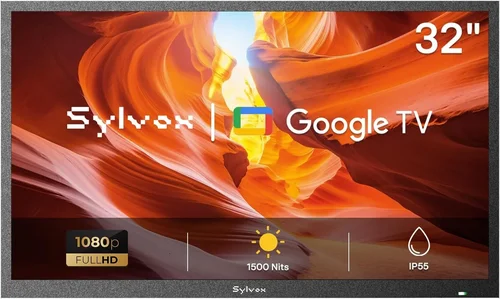
❌ Mistake: Choosing an Indoor TV with a Weatherproof Cover
Why it’s bad: Indoor TVs aren’t designed for constant temperature shifts, humidity, or vibration. Even with a cover, moisture can seep in, and wind can cause the cover to flap, creating noise and potential damage. Over time, internal components corrode or overheat.
What to do instead: Invest in a true outdoor TV with sealed vents, passive cooling, and corrosion-resistant materials. If budget is tight, consider a partial-shade model rated for covered areas.
❌ Mistake: Ignoring Mounting Hardware
Why it’s bad: A flimsy mount can wobble in wind, causing screen shake, audio distortion, and eventual failure. In extreme cases, the TV can detach and fall, posing safety risks.
What to do instead: Use a heavy-duty, tilt-and-swivel outdoor mount rated for your TV’s weight and wind load. Look for models with vibration dampeners and secure locking mechanisms. Consult a professional installer if unsure.
❌ Mistake: Overlooking Brightness Requirements
Why it’s bad: A dim screen looks washed out in daylight, forcing you to watch in shade or at night only—defeating the purpose of an outdoor TV.
What to do instead: Match brightness to your environment: 700+ nits for shade, 1,000+ for sun. Test in person if possible, or rely on verified user reviews describing daytime visibility.
❌ Mistake: Skipping the Warranty Check
Why it’s bad: Outdoor TVs are expensive repairs. Without proper coverage, a single storm or seal failure could cost hundreds to fix.
What to do instead: Choose brands with comprehensive outdoor warranties. Consider extended plans if available, especially in regions prone to hurricanes or heavy winds.
❌ Mistake: Buying Based Solely on Price
Why it’s bad: The cheapest option often lacks critical features like proper sealing, adequate brightness, or reliable mounts—leading to premature failure.
What to do instead: Prioritize value over price. A $1,500 TV that lasts 7 years is better than a $900 model that fails in 2.
❌ Mistake: Neglecting Audio Solutions
Why it’s bad: Wind drowns out built-in speakers, making dialogue inaudible during breezy evenings.
What to do instead: Pair your TV with outdoor-rated wireless speakers or a soundbar. Look for models with weatherproof casings and directional audio to minimize wind interference.
❌ Mistake: Assuming All “Outdoor” TVs Are Equal
Why it’s bad: Marketing terms like “weather-resistant” or “outdoor-ready” vary widely. Some only protect against light rain, not wind or dust.
What to do instead: Verify IP ratings, operating temperature ranges, and manufacturer certifications. Stick to brands with proven outdoor track records.
Budget Guidelines: How Much Should You Spend?
Entry-Level ($800 – $1,200): These are typically partial-shade models ideal for covered patios or screened porches. Expect 4K resolution, 700–800 nits brightness, basic smart features, and IP54 rating. Brands like Avid Power and some LG UHD models fall here. Great for casual viewers in low-wind zones, but may struggle in direct sun or strong gusts.
Mid-Range ($1,200 – $2,500): This is the sweet spot for most buyers. You’ll find fully sealed all-weather TVs with 1,000+ nits brightness, HDR support, robust builds, and reliable smart platforms. SunBriteTV’s Veranda series and Samsung’s The Terrace (smaller sizes) excel here. These handle moderate to high winds well when properly mounted.
Premium ($2,500 – $4,000): Designed for full exposure and extreme conditions. Features include 1,500+ nits brightness, anti-reflective coatings, commercial-grade materials, and advanced thermal management. Ideal for coastal homes, mountain cabins, or open decks with constant wind. SunBriteTV Pro and Seura Outdoor TVs dominate this tier.
Luxury ($4,000+): Reserved for large venues or discerning homeowners who want the absolute best. These include 8K options, ultra-thin designs, integrated sound systems, and custom mounting solutions. Often used in luxury resorts or high-end residential projects. Overkill for most, but unmatched in performance and aesthetics.
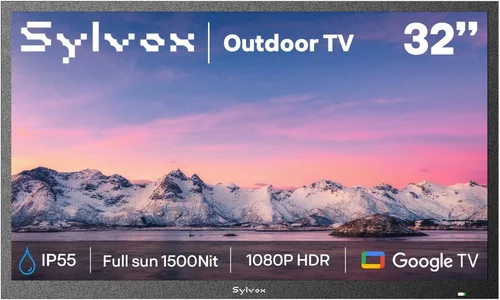
Expert Tips for Getting the Best Deal
- Buy During Off-Season: Outdoor TV sales peak in spring and summer. Shop in late fall or winter (October–February) for discounts of 15–30%. Retailers clear inventory before new models arrive.
- Check Manufacturer Refurbished Programs: Brands like SunBriteTV and Samsung offer certified refurbished units with full warranties at 20–40% off. These are thoroughly tested and often indistinguishable from new.
- Bundle with Installation: Some retailers (e.g., Best Buy, local AV specialists) offer discounted or free installation with purchase. This ensures proper mounting—critical in windy areas—and may include cable management and setup.
- Use Price Tracking Tools: Set alerts on CamelCamelCamel (for Amazon) or Honey for price drops. Outdoor TVs rarely go on deep sale, but tracking helps you pounce when they do.
- Negotiate with Local Dealers: Independent electronics stores may match online prices or throw in free accessories (HDMI cables, mounts) to win your business.
- Verify Return Policies: Ensure you have at least 30 days to return if the TV doesn’t perform as expected. Some outdoor models require professional installation, so confirm who handles returns.
- Test Before Finalizing: If buying in-store, ask to see the TV powered on. Check for brightness, color accuracy, and remote responsiveness in simulated outdoor lighting.
- Consider Energy Efficiency: Look for ENERGY STAR ratings. Brighter screens consume more power—important if running the TV frequently or using solar power.

Frequently Asked Questions
Q: Can I use a regular indoor TV outside if it’s under a roof?
A: Technically yes, but it’s not recommended—especially in windy areas. Indoor TVs lack proper sealing, so humidity, dust, and temperature swings can damage internal components over time. Wind-induced vibration can also loosen connections. For covered but exposed areas, opt for a partial-shade outdoor TV instead.
Q: How do I secure my outdoor TV against strong winds?
A: Use a heavy-duty, wind-rated mount anchored securely to a structural wall or beam (not siding or trim). Add vibration-dampening pads between the TV and mount. In hurricane-prone zones, consider removable mounts or motorized lifts that retract the TV indoors during storms.
Q: Do outdoor TVs need special cables?
A: Yes. Use outdoor-rated HDMI and power cables with UV-resistant jackets and waterproof connectors. Standard indoor cables degrade quickly when exposed to sun and moisture.
Q: Will an outdoor TV work in winter?
A: Most are rated for temperatures as low as -22°F (-30°C). However, extreme cold can temporarily reduce brightness. Allow the TV to acclimate before turning it on after exposure to freezing temps.
Q: Can I leave my outdoor TV on all the time?
A: Commercial-grade models are built for 24/7 operation, but consumer outdoor TVs are not. Continuous use generates heat and wears components faster. Turn it off when not in use to extend lifespan.
Q: Are outdoor TVs harder to install?
A: They require more planning than indoor setups. You’ll need to route cables through walls or conduits, ensure proper ventilation, and use specialized mounts. Professional installation is strongly advised for windy locations.
Q: Do outdoor TVs come with remotes that work in sunlight?
A: Most use standard IR remotes, which can struggle in bright light. Look for models with Bluetooth remotes or companion smartphone apps for reliable control.
Q: Can I stream Netflix on an outdoor TV?
A: Absolutely. Most modern outdoor TVs run full smart platforms (Roku, Android TV, webOS) with access to all major streaming apps. Just ensure a strong Wi-Fi signal or use an Ethernet connection.
Q: What’s the lifespan of an outdoor TV?
A: With proper care, 7–10 years is typical. Harsh environments (coastal salt air, constant wind) may shorten this. Regular cleaning and avoiding extreme temperature shocks help maximize longevity.
Q: Are there solar-powered outdoor TV options?
A: Not directly, but you can power an outdoor TV with a solar generator or off-grid system. Ensure the inverter can handle the TV’s wattage (typically 100–300W for 55″–65″ models).
Our Final Recommendations
Best for Budget-Conscious Buyers: Avid Power 55″ 4K Outdoor TV – At under $1,000, it offers solid 750-nit brightness, IP54 rating, and Roku built-in. Ideal for covered patios in mild-wind areas. Lacks premium durability but delivers great value.
Best Overall Value: SunBriteTV Veranda Series 65″ – Priced around $1,800, this all-weather model boasts 1,000 nits, full sealing, and excellent color accuracy. Handles wind well with proper mounting and includes a 3-year warranty.
Best Premium Option: SunBriteTV Pro Series 75″ – For $3,200, you get 1,500 nits, anti-reflective coating, and military-grade construction. Perfect for open decks in coastal or mountainous regions with high winds.
Best for Beginners: Samsung The Terrace 55″ Partial Shade – User-friendly Tizen OS, sleek design, and reliable performance. Great for first-time outdoor TV owners with covered spaces.
Best for Advanced Users: Seura Outdoor TV with Integrated Sound – Combines stunning 4K visuals with built-in weatherproof speakers and customizable bezels. Ideal for tech-savvy buyers who want a seamless, high-end experience.
Conclusion: Making the Right Choice
Choosing the right outdoor TV for windy areas isn’t just about picture quality—it’s about resilience, safety, and long-term satisfaction. By prioritizing build quality, proper mounting, and performance specs tailored to your environment, you’ll avoid costly mistakes and enjoy years of reliable entertainment under the open sky. Remember: wind demands respect. A TV that wobbles, fades, or fails in a breeze isn’t just inconvenient—it’s a hazard.
Use this guide as your roadmap. Assess your space, define your budget, and don’t compromise on durability. Whether you’re watching sunset movies with family or catching every play of the championship game, the right outdoor TV will transform your backyard into a true extension of your home. Take your time, do your research, and invest wisely. Your future self—and your guests—will thank you.
Ready to upgrade your outdoor living? Start by measuring your space, checking local wind patterns, and comparing our top recommendations. With the right TV, every evening can feel like a private screening under the stars.

