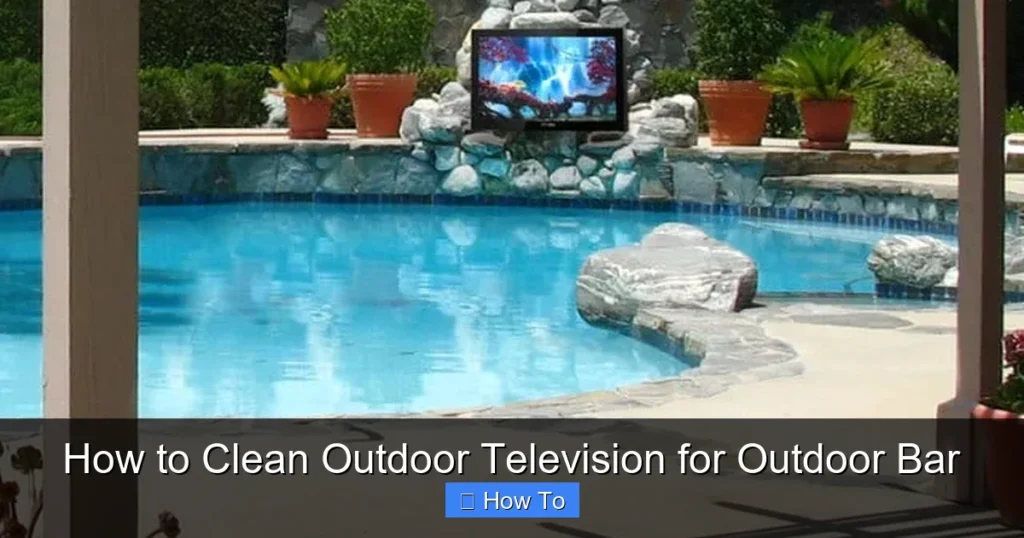
Transform your backyard into an outdoor entertainment hub this summer by installing a garden TV. This guide walks you through choosing the right TV, mounting it safely, setting up power and streaming, and creating a cozy viewing area—so you can host unforgettable summer parties with friends and family.
Key Takeaways
- Choose an outdoor-rated or weather-resistant TV: Regular indoor TVs aren’t built to withstand humidity, rain, or temperature swings—opt for a model designed for outdoor use.
- Pick the right location and mounting solution: Mount your TV under a covered area like a pergola or awning to protect it from direct sun and rain, and ensure it’s at eye level for comfortable viewing.
- Ensure safe and reliable power supply: Use outdoor-rated extension cords, GFCI outlets, and consider a UPS or surge protector to keep your setup running smoothly.
- Optimize audio with outdoor speakers or soundbars: Built-in TV speakers often lack volume and clarity outdoors—enhance the experience with weatherproof audio gear.
- Set up reliable streaming and connectivity: Use a strong Wi-Fi extender or mesh network to maintain a stable connection in your garden area.
- Create a comfortable viewing environment: Add outdoor seating, string lights, and bug repellent to make your garden TV setup party-ready.
- Test everything before your event: Do a full run-through a few days before your party to troubleshoot any issues and ensure seamless operation.
How to Install Garden TV for Summer Parties
Summer is the perfect time to bring the fun outdoors—and what better way to entertain than with a garden TV setup? Whether you’re hosting a backyard barbecue, a movie night under the stars, or watching the big game with friends, installing a TV in your garden can elevate your outdoor experience. But it’s not as simple as dragging your living room TV outside and plugging it in. You need the right equipment, a safe installation, and a little planning to make it work.
In this comprehensive guide, we’ll walk you through every step of installing a garden TV for summer parties—from choosing the right TV and mounting it securely, to setting up power, audio, and streaming. By the end, you’ll have a weather-resistant, high-quality outdoor entertainment system that’s ready for any summer gathering.
Why Install a Garden TV?
Visual guide about How to Install Garden Tv for Summer Parties
Image source: lightenify.com
Before diving into the how-to, let’s talk about the why. A garden TV isn’t just a luxury—it’s a game-changer for outdoor entertaining. Imagine:
– Watching the sunset with a movie playing softly in the background.
– Hosting a World Cup final viewing party with a dozen friends.
– Enjoying a family movie night with popcorn and blankets under string lights.
A garden TV turns your backyard into a social hub. It encourages people to gather, relax, and enjoy the fresh air while still having access to modern entertainment. Plus, it adds value to your home and makes outdoor spaces more functional year-round—especially during the warmer months.
But to get the most out of your setup, you need to do it right. Let’s break it down step by step.
Step 1: Choose the Right TV for Outdoor Use
Not all TVs are created equal—especially when it comes to outdoor use. An indoor TV exposed to the elements can overheat, suffer moisture damage, or fail prematurely. That’s why your first step is selecting a TV built for outdoor conditions.
Outdoor-Rated vs. Indoor TVs
Outdoor-rated TVs are specifically designed to handle temperature fluctuations, humidity, rain, and dust. They come with sealed casings, anti-glare screens, and enhanced cooling systems. Brands like SunBrite, Samsung Terrace, and LG Outdoor are popular choices.
Indoor TVs, on the other hand, are not built for outdoor use. While you *can* use one in a covered, sheltered area (like under a pergola or gazebo), it’s risky. Even a little moisture or extreme heat can damage the internal components.
Key Features to Look For
When shopping for a garden TV, consider these features:
– Weather resistance: Look for IP55 or higher rating, which means protection against dust and water jets.
– Brightness: Outdoor TVs should have at least 700 nits of brightness to combat glare from sunlight. Some models go up to 2,500 nits.
– Anti-reflective coating: This reduces glare and improves visibility in bright conditions.
– Wide viewing angles: Ensures everyone in your seating area can see the screen clearly.
– Built-in cooling and heating: Prevents overheating in summer and freezing in cooler nights.
Screen Size and Resolution
Choose a screen size based on your viewing distance. For most backyards, a 55-inch to 65-inch TV is ideal. If your seating area is 10–15 feet away, a 55-inch screen works well. For larger spaces, go up to 75 inches.
As for resolution, 4K UHD is the standard today. It delivers crisp, vibrant images—perfect for movies, sports, and gaming. Avoid 1080p unless you’re on a tight budget.
Indoor TV Alternative: Use a Protective Enclosure
If you already have a high-quality indoor TV and don’t want to buy a new one, you can use an outdoor TV enclosure. These are weatherproof cases that protect your TV from rain, dust, and UV rays. Brands like Peerless and Elo offer durable enclosures that fit most TV sizes.
Just remember: enclosures add bulk and can affect ventilation, so ensure your TV has enough airflow to prevent overheating.
Step 2: Pick the Perfect Location
Where you place your garden TV is just as important as the TV itself. The right location ensures safety, visibility, and longevity.
Sheltered Areas Are Best
Avoid mounting your TV in direct exposure to the elements. Instead, choose a covered spot such as:
– Under a pergola or gazebo
– On a covered patio or deck
– Under an awning or roof overhang
These areas protect the TV from rain, snow, and direct sunlight, which can cause overheating and screen damage.
Consider Viewing Angles and Distance
Mount the TV at a height that allows comfortable viewing from your seating area. A good rule of thumb is to position the center of the screen at eye level when seated—typically 42 to 48 inches from the ground.
Also, ensure there are no obstructions like trees, railings, or furniture blocking the view. Angle the TV slightly downward if needed to reduce glare.
Check for Power and Signal Access
Your TV will need power and a strong Wi-Fi or wired internet connection. Make sure your chosen location is within reach of an outdoor electrical outlet or plan to run an extension cord safely.
For Wi-Fi, test the signal strength in that area. If it’s weak, you’ll need a Wi-Fi extender or mesh network (we’ll cover that later).
Step 3: Choose the Right Mounting Solution
A secure mount is essential for safety and stability—especially in windy conditions.
Wall-Mounted vs. Ceiling-Mounted
– Wall-mounted: The most common option. Use a heavy-duty outdoor TV mount rated for your TV’s weight and size. Look for models with tilt and swivel features for adjustable viewing.
– Ceiling-mounted: Ideal for pergolas or covered patios. Allows you to angle the TV downward and save wall space. Requires a sturdy ceiling beam.
Pole-Mounted Options
For open areas without walls, consider a freestanding pole mount. These are great for temporary setups or rental properties where drilling isn’t allowed. Just ensure the pole is anchored securely into concrete or a heavy base.
Installation Tips
– Use stainless steel or galvanized hardware to prevent rust.
– Drill into solid wood or masonry—avoid hollow walls or weak structures.
– Follow the manufacturer’s weight and size guidelines.
– Have a helper assist during installation—TVs can be heavy and awkward to handle.
Step 4: Set Up Safe Power and Electrical Connections
Powering your garden TV safely is critical. Outdoor electrical work requires extra precautions to prevent shocks, fires, or equipment damage.
Use Outdoor-Rated Equipment
– Extension cords: Use heavy-duty, outdoor-rated cords with a minimum 14-gauge wire. Avoid daisy-chaining multiple cords.
– Power strips: Choose a weatherproof surge protector with a built-in circuit breaker.
– GFCI outlets: These detect ground faults and shut off power instantly—essential for outdoor use. If your outlet isn’t GFCI-protected, install one or use a GFCI adapter.
Protect from Weather
Keep all electrical connections off the ground and covered. Use outdoor electrical boxes or in-use covers to shield outlets and plugs from rain.
Consider a UPS (Uninterruptible Power Supply)
A UPS provides backup power during outages and protects against voltage spikes. It’s especially useful if you’re streaming live events and don’t want the show to cut out mid-game.
Step 5: Enhance Audio with Outdoor Speakers
TV speakers are often quiet and lack bass—especially outdoors where sound dissipates quickly. To create an immersive experience, add external audio.
Weatherproof Speakers
Choose speakers designed for outdoor use. Options include:
– Rock speakers: Blend into your landscape and look like natural stones.
– Wall-mounted speakers: Install on nearby walls or fences.
– Bluetooth speakers: Portable and easy to set up, but may have limited range.
Soundbars for Outdoor Use
Some soundbars are built for outdoor environments. They provide clear dialogue and rich sound without the need for multiple speakers. Look for models with weather resistance and wireless connectivity.
Wired vs. Wireless
– Wired: More reliable and consistent, but require running cables.
– Wireless: Easier to install, but may experience interference or lag.
For best results, use a wired connection if possible, or a high-quality Bluetooth 5.0+ system.
Step 6: Set Up Streaming and Connectivity
Most garden TVs rely on streaming services like Netflix, YouTube, or live TV apps. A strong, stable internet connection is essential.
Boost Your Wi-Fi Signal
Outdoor areas often have weak Wi-Fi. To fix this:
– Install a Wi-Fi extender or mesh network (like Google Nest Wifi or Eero).
– Place the extender halfway between your router and the TV.
– Use a directional antenna to focus the signal toward your garden.
Wired Ethernet Option
For the most reliable connection, run an Ethernet cable from your router to the TV. Use outdoor-rated, buried or conduit-protected cable to prevent damage.
Streaming Devices
If your TV isn’t smart, add a streaming device like:
– Apple TV
– Roku Ultra
– Amazon Fire Stick 4K
– Google Chromecast
These plug into the HDMI port and give you access to all your favorite apps.
Step 7: Create a Comfortable Viewing Area
Your garden TV is only as good as the space around it. Make it inviting with comfortable seating and ambiance.
Outdoor Seating
– Use weather-resistant furniture like wicker, teak, or aluminum.
– Add cushions and throws for comfort.
– Arrange seating in a semi-circle facing the TV for optimal viewing.
Lighting
– String lights or lanterns create a cozy atmosphere.
– Use dimmable LED lights to avoid glare on the screen.
– Solar-powered lights are eco-friendly and easy to install.
Climate and Comfort
– Provide shade with umbrellas or canopies.
– Use fans or misting systems on hot days.
– Offer blankets for cooler evenings.
Bug Control
Outdoor parties mean mosquitoes and flies. Use citronella candles, bug zappers, or natural repellents to keep guests comfortable.
Step 8: Test Everything Before the Party
Don’t wait until the day of your event to test your setup. Do a full run-through at least 48 hours in advance.
Checklist:
- TV turns on and displays correctly
- Wi-Fi or Ethernet connection is stable
- Streaming apps load quickly
- Audio is clear and loud enough
- All cables are secure and protected
- Power sources are working and safe
- Seating and lighting are arranged
Fix any issues ahead of time to avoid last-minute stress.
Troubleshooting Common Issues
Even with careful planning, problems can arise. Here’s how to handle common issues:
TV Won’t Turn On
– Check power connections and GFCI outlet.
– Test the outlet with another device.
– Ensure the remote has batteries.
Poor Picture Quality
– Adjust brightness and contrast settings.
– Clean the screen with a microfiber cloth.
– Check for signal interference or weak Wi-Fi.
Audio Lag or No Sound
– Reconnect Bluetooth devices.
– Check audio output settings on the TV.
– Test with wired speakers if available.
Overheating
– Ensure the TV has proper ventilation.
– Avoid direct sunlight on the screen.
– Use a fan to circulate air around the TV.
Wi-Fi Drops Frequently
– Move the Wi-Fi extender closer.
– Switch to a less congested channel.
– Consider a wired connection.
Conclusion
Installing a garden TV for summer parties is a fantastic way to bring people together and enjoy the great outdoors with modern comforts. By choosing the right TV, mounting it safely, setting up reliable power and audio, and creating a cozy viewing area, you’ll transform your backyard into the ultimate entertainment space.
Remember: safety and preparation are key. Use outdoor-rated equipment, protect your electronics from the elements, and test everything before your event. With a little effort, you’ll enjoy movie nights, game days, and summer soirées under the stars for years to come.
So grab some popcorn, invite your friends, and press play—your garden is ready for prime time.