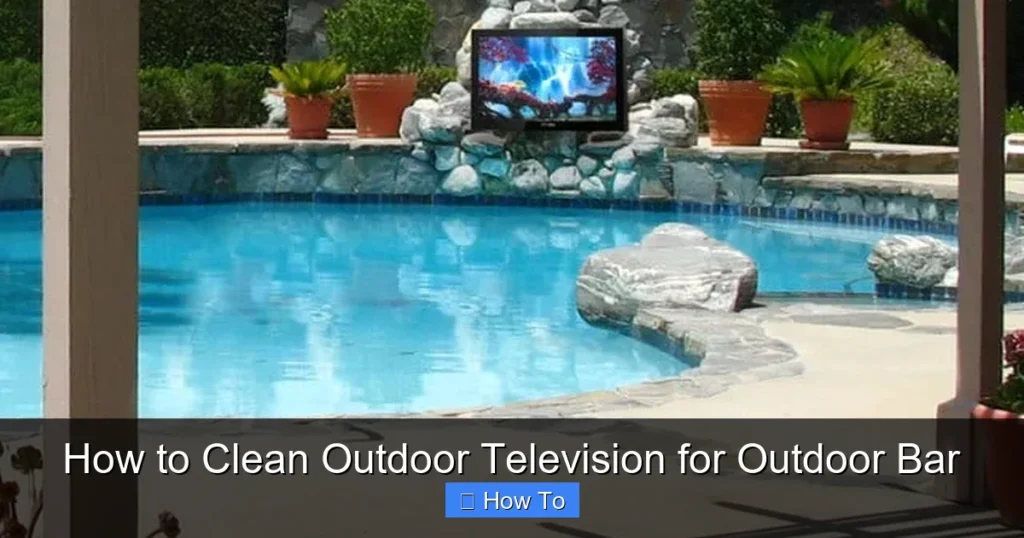
Hiding cables for a poolside TV in humid environments requires smart planning and weather-resistant materials to ensure safety and aesthetics. This guide covers step-by-step methods to conceal wires using conduit, raceways, and outdoor-rated solutions that withstand moisture and heat.
Key Takeaways
- Use outdoor-rated cable management: Always choose waterproof, UV-resistant materials designed for humid and wet conditions to prevent corrosion and electrical hazards.
- Route cables away from water sources: Keep power and signal cables elevated and shielded to avoid contact with pool water, sprinklers, or rain runoff.
- Install conduit for protection: Rigid or flexible waterproof conduit shields cables from moisture, pests, and physical damage while allowing easy access for maintenance.
- Hide cables along structural elements: Use existing walls, beams, or decking to run cables out of sight, minimizing exposure and tripping risks.
- Label and organize all connections: Clearly mark cables at junction boxes or distribution points to simplify troubleshooting and future upgrades.
- Ensure proper grounding and GFCI protection: Safety is critical—use ground fault circuit interrupters and ensure all outdoor electrical work meets local codes.
- Test and maintain regularly: Inspect cable covers and connections seasonally to catch wear, corrosion, or damage early.
How to Hide Cables Poolside TV for Humid Areas
Setting up a poolside TV can transform your backyard into a luxurious outdoor entertainment zone. Whether you’re streaming the big game, enjoying a movie night under the stars, or catching up on your favorite shows while lounging by the water, a well-placed TV adds comfort and convenience. However, one of the biggest challenges—especially in humid, moisture-prone environments—is managing the cables. Exposed wires not only look messy but also pose serious safety risks in damp conditions.
In this comprehensive guide, you’ll learn how to hide cables for your poolside TV safely and effectively, even in the most humid climates. We’ll walk you through choosing the right materials, planning your cable route, installing protective covers, and maintaining your setup for long-term durability. By the end, you’ll have a clean, professional-looking installation that’s both safe and stylish.
Why Cable Management Matters in Humid Areas
Humidity is the enemy of electronics and electrical systems. When moisture lingers in the air—common near pools, especially in tropical or coastal regions—it can seep into cable insulation, corrode connectors, and increase the risk of short circuits or electrical fires. Additionally, high humidity often comes with temperature swings, UV exposure, and occasional splashes, all of which can degrade standard indoor cable management solutions.
Poorly managed cables also create tripping hazards and attract pests like rodents or insects looking for nesting material. And let’s be honest—no one wants a tangled mess of wires ruining the sleek look of their outdoor oasis.
That’s why proper cable concealment isn’t just about aesthetics—it’s about safety, longevity, and peace of mind. The good news? With the right tools and techniques, you can hide your poolside TV cables effectively, even in the most challenging environments.
Step 1: Plan Your Cable Route
Before you buy a single cable tie or conduit piece, take time to map out the best path for your wires. A well-thought-out plan saves time, reduces material waste, and ensures a cleaner final result.
Assess the TV Location and Power Source
Start by identifying where your TV will be mounted. Is it on a wall, under a pergola, or on a freestanding stand? Next, locate the nearest outdoor-rated power outlet. Ideally, this should be within 10–15 feet of the TV to minimize cable length and voltage drop.
If no outlet is nearby, consult a licensed electrician to install one. Never use indoor extension cords outdoors—they’re not rated for moisture or UV exposure and can become dangerous over time.
Identify Obstacles and Hazards
Walk the path your cables will take. Look for:
– Sprinkler heads or drainage areas
– High-traffic zones where people walk
– Direct sunlight exposure
– Proximity to pool water or splash zones
Avoid running cables through areas that get soaked regularly. If your TV is near the pool edge, consider raising the cable route above the splash line—ideally 6–12 inches above the water level.
Choose the Best Concealment Method
Depending on your setup, you have several options:
– **Surface-mounted raceways** for quick, visible-but-neat coverage
– **In-wall conduit** for a fully hidden look (requires drilling)
– **Underground conduit** if running cables under decking or landscaping
– **Cable sleeves or wraps** for bundling multiple wires together
For humid areas, prioritize waterproof and UV-resistant materials. We’ll dive deeper into these in the next section.
Step 2: Choose the Right Materials
Not all cable management products are created equal—especially when humidity is a factor. Using indoor-grade materials outdoors can lead to cracking, warping, or electrical failure within months.
Outdoor-Rated Conduit
Conduit is one of the best ways to protect cables from moisture, pests, and physical damage. For poolside use, choose:
– **PVC conduit (Schedule 40 or 80):** Affordable, easy to install, and highly resistant to moisture and UV rays. Schedule 80 is thicker and more durable for high-traffic areas.
– **Flexible liquid-tight conduit:** Ideal for tight bends or areas with vibration. Look for versions labeled “UV-resistant” and “waterproof.”
Avoid metal conduit unless it’s specifically rated for outdoor use and properly grounded. Metal can corrode in humid environments unless treated.
Waterproof Cable Raceways
Raceways are plastic channels that snap over cables, hiding them along walls or baseboards. For outdoor use, select models with:
– IP65 or higher waterproof rating
– UV-stabilized plastic
– Adhesive backing or mounting clips for secure installation
Popular brands like Legrand, D-Line, and Wiremold offer outdoor-specific raceways. Avoid cheap, non-rated versions—they’ll yellow and crack in the sun.
Outdoor Cable Sleeves and Wraps
If you’re bundling multiple cables (HDMI, power, audio), use expandable braided sleeves or spiral wrap tubing. Choose versions made from polyethylene or nylon with UV protection. These keep wires organized and add a layer of abrasion resistance.
Weatherproof Junction Boxes
Any connection point—like where power splits or cables join—should be housed in a sealed junction box. Look for NEMA 3R or 4X rated boxes, which are designed to resist rain, dust, and corrosion.
GFCI Outlets and Surge Protectors
Safety first! Always plug your TV and accessories into a Ground Fault Circuit Interrupter (GFCI) outlet. These cut power instantly if they detect a ground fault—critical near water. For extra protection, use an outdoor-rated surge protector with weatherproof cover.
Step 3: Install Conduit or Raceways
Now it’s time to put your plan into action. Whether you’re using conduit or raceways, proper installation ensures durability and a clean finish.
Mounting Conduit Along Walls or Beams
If running cables vertically or horizontally along a wall or pergola beam:
1. Measure the length needed and cut the conduit to size using a hacksaw or PVC cutter.
2. Use conduit straps or clips every 3–4 feet to secure it. Don’t overtighten—PVC can crack.
3. Drill pilot holes for screws, especially in wood or masonry.
4. Run cables through the conduit before final mounting. Use a fish tape or string to pull wires if needed.
Tip: Leave a little slack in the cables to allow for movement and future upgrades.
Installing Surface-Mounted Raceways
For a quicker solution:
1. Clean the surface with rubbing alcohol to ensure adhesion.
2. Peel off the backing and press the raceway firmly into place.
3. Open the raceway, lay in the cables, and snap it closed.
4. Use corner pieces or flexible connectors for turns.
For extra security in windy areas, add outdoor-rated adhesive or screw mounts at intervals.
Running Cables Under Decking or Landscaping
If you’re burying cables under a deck or garden bed:
1. Use rigid PVC conduit (Schedule 40 minimum).
2. Bury it at least 6 inches deep to protect from lawn equipment.
3. Use waterproof connectors at entry and exit points.
4. Label both ends clearly for future reference.
Never bury cables directly in the ground—even if they’re “outdoor-rated.” Conduit is essential for long-term protection.
Step 4: Secure and Organize Cables
Once your cables are routed, it’s time to tidy them up and prevent tangling or strain.
Bundling with Outdoor Zip Ties or Velcro
Group similar cables (power, HDMI, audio) together using UV-resistant zip ties or reusable Velcro straps. Avoid over-tightening, which can damage insulation.
Tip: Use black or gray ties to blend with most outdoor surfaces.
Using Cable Clips and Adhesive Hooks
For short runs or temporary fixes, adhesive cable clips work well on smooth surfaces like tile or painted wood. Choose ones with strong outdoor adhesive and remove carefully to avoid paint damage.
Avoiding Sharp Bends and Stress Points
Never bend cables tighter than their recommended radius (usually 4–6 times the cable diameter). Sharp kinks can break internal wires, especially in HDMI or Ethernet cables.
Also, avoid pulling cables taut—leave a slight loop to absorb movement from wind or temperature changes.
Step 5: Protect Connections and Junctions
Where cables connect—like at the TV, power strip, or signal splitter—moisture can sneak in. Proper sealing is crucial.
Use Weatherproof Enclosures
Place all connection points inside a sealed junction box or outdoor media enclosure. These often have built-in gaskets and knockouts for cable entry.
For example, a waterproof TV connection box can house your HDMI, power, and antenna cables in one protected space behind the TV.
Seal Cable Entry Points
Use silicone sealant or rubber grommets where cables enter boxes or conduit. This prevents water from wicking along the cable into sensitive areas.
Apply a bead of outdoor-rated silicone around the base of the TV mount and any wall penetrations.
Label Everything
Use waterproof labels or a label maker to mark each cable at both ends. Write “HDMI 1,” “Power,” or “Antenna” so you can easily identify them later.
This saves hours of frustration during troubleshooting or upgrades.
Step 6: Test and Finalize the Setup
Before you kick back with a cold drink, test your system thoroughly.
Power On and Check Connections
Turn on the TV and verify that all devices (soundbar, streaming box, antenna) are working. Check for signal drops, flickering, or audio issues.
If something isn’t working, double-check connections and ensure cables aren’t pinched or damaged.
Inspect for Water Intrusion
After a rain or pool splash, inspect conduit, raceways, and junction boxes for moisture. Look for condensation inside enclosures—this could mean a seal failure.
If you find water, dry everything thoroughly and reseal with silicone or replace damaged parts.
Trim Excess and Clean Up
Cut off extra zip tie ends and wipe down surfaces. A clean finish not only looks better but also helps you spot future issues.
Troubleshooting Common Issues
Even with the best planning, problems can arise. Here’s how to handle the most common ones.
Cables Are Still Visible
If your raceway or conduit stands out, paint it to match your wall or trim. Use outdoor spray paint designed for plastic. Test on a small area first.
Alternatively, route cables behind existing features like railings, planters, or outdoor furniture.
Moisture Inside Conduit or Boxes
This usually means a seal failure. Open the enclosure, dry everything, and reapply silicone around entry points. Consider adding a small desiccant pack inside junction boxes to absorb residual moisture.
Signal Loss or Interference
Long HDMI or antenna runs can degrade signal quality. Use signal boosters or fiber-optic HDMI cables for runs over 25 feet. Keep power and signal cables separated to avoid interference.
Animals Chewing Cables
Rodents love warm, hidden spaces. Use metal conduit or add pest deterrents like peppermint oil-soaked cotton balls near entry points. Regular inspections help catch damage early.
Maintenance Tips for Long-Term Success
Your poolside TV setup will last years with proper care. Follow these maintenance steps:
– **Inspect every 3–6 months:** Check for cracks, loose mounts, or corrosion.
– **Clean raceways and conduit:** Wipe down with a damp cloth to remove dirt and salt buildup.
– **Reapply sealant as needed:** Silicone degrades over time, especially in sunny areas.
– **Trim nearby plants:** Overgrown foliage can trap moisture and damage cables.
– **Update cables if needed:** Replace worn or outdated cables with newer, higher-rated versions.
Conclusion
Hiding cables for your poolside TV in humid areas doesn’t have to be a headache. With the right materials—like waterproof conduit, UV-resistant raceways, and sealed junction boxes—you can create a safe, clean, and professional-looking installation that stands up to moisture, sun, and splashes.
Start by planning your route, choose outdoor-rated products, and take the time to seal and organize every connection. Regular maintenance will keep your system running smoothly for years to come.
Remember, safety is paramount. Always use GFCI outlets, avoid overloading circuits, and consult a professional electrician for any hardwiring. Your poolside entertainment should be fun, not risky.
Now go enjoy that movie night—wire-free and worry-free.