
Outdoor living spaces have evolved dramatically over the past decade. What was once a simple backyard retreat with a grill and a few chairs has transformed into a fully functional outdoor entertainment zone—complete with lighting, sound systems, and yes, even televisions. Among the most popular additions to modern pergolas is a weatherproof TV, allowing homeowners to enjoy everything from live sports and movie nights to cooking shows and news updates—all while soaking up fresh air and sunshine. But unlike indoor TVs, outdoor models face unique challenges: rain, humidity, extreme temperatures, dust, and direct sunlight can all degrade performance or cause permanent damage if the unit isn’t built for it.
That’s why choosing the right weatherproof TV for your pergola isn’t just about screen size or picture quality—it’s about durability, reliability, and long-term value. A poorly chosen model might look great at first but fail within a season due to moisture ingress or overheating. This comprehensive guide is designed to help you navigate the complex world of outdoor televisions with confidence. Whether you’re building a new pergola or upgrading an existing setup, you’ll learn exactly what to look for, how to avoid costly mistakes, and which models deliver the best performance under real-world conditions.
The market for weatherproof TVs has grown significantly in recent years, driven by advances in display technology and increasing demand for outdoor entertainment. Major electronics brands like Samsung, LG, and Sony now offer outdoor-specific models, while specialized companies such as SunBriteTV, Seura, and Peerless have carved out niches with rugged, purpose-built displays. Prices range from under $1,000 to well over $5,000, depending on size, features, and build quality. With so many options available, it’s easy to feel overwhelmed—but armed with the right knowledge, you can make a smart, informed decision that enhances your outdoor lifestyle for years to come.
What to Look for When Buying Buying Guide
1. Weather Resistance Rating (IP Rating)
The most critical factor when selecting a weatherproof TV is its Ingress Protection (IP) rating. This international standard measures how well a device resists dust and water. For outdoor use—especially under a pergola where rain, snow, and humidity are constant threats—you need a TV with at least an IP55 rating. IP55 means the TV is protected against low-pressure water jets from any direction and limited dust ingress. However, for maximum peace of mind, especially in regions with heavy rainfall or coastal climates, aim for IP65 or higher. IP65 offers complete protection against dust and powerful water jets, making it ideal for fully exposed installations.
Don’t confuse marketing terms like “weather-resistant” or “outdoor-ready” with actual IP ratings. Many indoor TVs claim to be suitable for covered patios, but without a certified IP rating, they’re vulnerable to condensation, salt air, or sudden downpours. Always verify the IP code on the manufacturer’s spec sheet. Also, note that some brands use proprietary sealing systems instead of standard IP ratings—while these can be effective, they lack third-party validation, so research user experiences carefully.
2. Display Brightness and Anti-Glare Technology
Indoor TVs typically operate at 300–500 nits of brightness, which is fine for dimly lit living rooms but completely inadequate outdoors. Sunlight reflecting off screens can wash out images, making content unwatchable during daytime hours. For pergola installations—even those with partial shade—you need a TV with a minimum brightness of 700 nits, though 1,000 nits or more is strongly recommended. High-brightness panels ensure vibrant colors and sharp contrast even under direct sun.
Equally important is anti-glare coating. Look for TVs with matte finishes or optical bonding technology, which reduces reflections by minimizing the air gap between the screen and protective glass. Some premium models feature adaptive brightness sensors that automatically adjust output based on ambient light, optimizing visibility while conserving energy. Avoid glossy screens unless your pergola has full overhead coverage and minimal direct sunlight exposure.
3. Temperature Tolerance and Thermal Management
Outdoor environments experience wide temperature swings—from freezing winter nights to scorching summer afternoons. A weatherproof TV must operate reliably across this spectrum, typically between -22°F and 122°F (-30°C to 50°C). Cheaper models may shut down or suffer image degradation outside narrower ranges. Check the operating temperature specs carefully; some units are only rated for 32°F to 104°F, which won’t cut it in colder climates.
Thermal management is equally vital. Unlike indoor TVs that rely on passive cooling, outdoor models often include built-in fans or heat sinks to prevent overheating. However, excessive fan noise can detract from the viewing experience. Look for units with quiet, efficient cooling systems or passive thermal designs. Also, ensure there’s adequate ventilation around the TV during installation—never mount it flush against a wall without airflow clearance.
4. Build Quality and Materials
A weatherproof TV isn’t just about electronics—it’s a structural investment. The chassis should be constructed from corrosion-resistant materials like powder-coated aluminum or stainless steel. Plastic housings may crack or degrade under UV exposure, especially in sunny regions. Inspect the back panel, mounting brackets, and input covers for robust construction.
Cable management is another often-overlooked aspect. Outdoor TVs should include sealed cable entry points or grommets to prevent water from seeping into ports. Look for models with rear-facing or bottom-facing inputs protected by rubberized flaps. Additionally, consider whether the TV includes a built-in surge protector—power fluctuations from lightning storms can fry sensitive components.
5. Smart Features and Connectivity
Modern outdoor TVs aren’t just dumb displays—they come packed with smart capabilities. Most support Wi-Fi, Bluetooth, and popular streaming platforms like Netflix, YouTube, and Disney+. Built-in apps eliminate the need for external devices like Roku sticks or Apple TV boxes, reducing clutter and potential failure points. However, verify that the operating system receives regular software updates, as outdated firmware can lead to security vulnerabilities or app incompatibilities.
Connectivity options matter too. Ensure the TV has enough HDMI ports (at least two), USB inputs for media playback, and possibly Ethernet for stable wired internet. Some high-end models include RS-232 or IP control for integration with home automation systems. If you plan to connect a soundbar or outdoor speakers, check for optical audio output or ARC (Audio Return Channel) support.
6. Size and Viewing Distance
Choosing the right screen size depends on your pergola’s dimensions and typical seating arrangement. As a rule of thumb, multiply your viewing distance (in inches) by 0.84 to get the ideal diagonal screen size. For example, if viewers sit 8 feet (96 inches) away, a 70-inch TV (96 × 0.84 ≈ 80) would be appropriate—though you can round down slightly for outdoor settings where ambient light reduces perceived sharpness.
Keep in mind that larger screens require more power and generate more heat, which can affect longevity in enclosed spaces. Also, ensure your pergola structure can support the weight—some 75-inch outdoor TVs exceed 100 pounds. Wall mounts should be rated for both the TV’s weight and outdoor use, with corrosion-resistant hardware.
7. Brand Reputation and Specialization
Not all TV manufacturers treat outdoor use equally. While mainstream brands offer “outdoor-compatible” versions of their indoor models, companies like SunBriteTV and Seura design every component from the ground up for exterior environments. These specialists often provide better warranties, superior sealing, and customer support familiar with outdoor installation challenges.
Research brand reliability through user forums, professional installer reviews, and third-party testing. Avoid obscure brands with no track record—cheap imports may save money upfront but cost more in repairs or replacements. Established players also tend to have better parts availability and service networks, crucial if something goes wrong years down the line.
8. Warranty and Support
A weatherproof TV is a significant investment, so protect it with a strong warranty. Most reputable brands offer 2–3 years of coverage, but some extend to 5 years for commercial-grade models. Read the fine print: many warranties void if the TV is installed incorrectly or exposed to conditions beyond its rating. Look for companies that provide dedicated outdoor support lines and local service partners.
Also consider extended warranty options or homeowner’s insurance riders. Some policies cover outdoor electronics against weather damage, but only if the device meets specific standards. Keep all documentation and photos of your installation for future claims.
Different Types of Buying Guide
Common Buying Mistakes to Avoid
❌ Mistake: Assuming All “Outdoor” TVs Are Created Equal
Why it’s bad: Many retailers label indoor TVs as “suitable for covered patios,” but these lack proper sealing, thermal management, or brightness for true outdoor use. Installing such a model under a pergola risks premature failure from moisture or heat buildup.
What to do instead: Only consider TVs explicitly designed for outdoor use with verified IP ratings, high brightness, and weatherproof construction. When in doubt, consult the manufacturer’s installation guidelines.
❌ Mistake: Ignoring Local Climate Conditions
Why it’s bad: A TV rated for mild coastal climates may not survive harsh Midwest winters or Arizona summers. Operating outside specified temperature ranges can cause screen discoloration, battery drain (in remotes), or internal component failure.
What to do instead: Match your TV’s environmental specs to your region’s extremes. If you live in a snowy area, choose a model with a lower minimum operating temperature. In sunny deserts, prioritize ultra-high brightness and passive cooling.
❌ Mistake: Skimping on Mounting Hardware
Why it’s bad: Standard indoor wall mounts aren’t built to withstand wind, rust, or vibration. Using improper hardware can lead to sagging, loosening, or even TV detachment during storms.
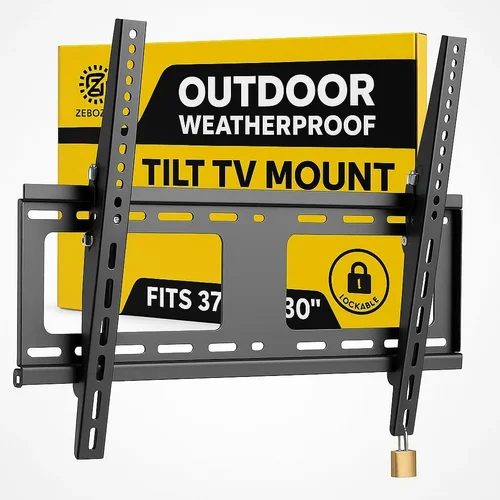
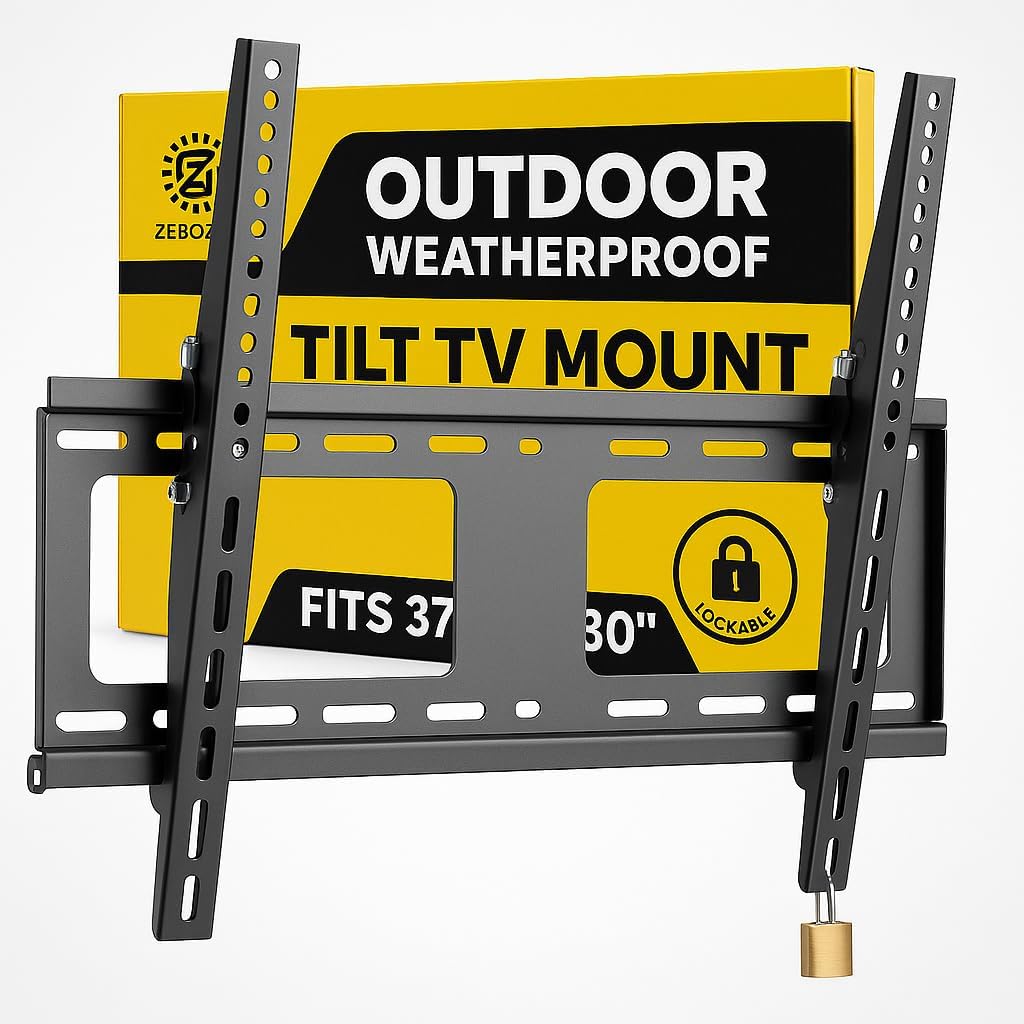
What to do instead: Invest in a marine-grade or outdoor-specific mount with corrosion-resistant bolts and sufficient weight capacity. Consider tilt or swivel features for optimal viewing angles under your pergola.
❌ Mistake: Overlooking Power and Signal Protection
Why it’s bad: Outdoor electronics are vulnerable to power surges from lightning or grid fluctuations. Without protection, a single storm can destroy your TV and connected devices.
What to do instead: Use a whole-house surge protector and install inline surge suppressors for HDMI and coaxial cables. Run power through weatherproof conduits and GFCI outlets for safety.
❌ Mistake: Neglecting Regular Maintenance
Why it’s bad: Dust, pollen, and bird droppings can accumulate on screens and vents, reducing brightness and blocking airflow. Ignoring cleaning accelerates wear and may void warranties.
What to do instead: Wipe the screen monthly with a microfiber cloth and mild cleaner. Check seals and vents quarterly for debris. Keep the area around the TV clear of plants or structures that trap moisture.
❌ Mistake: Buying Based Solely on Price
Why it’s bad: The cheapest option often cuts corners on materials, brightness, or durability. You may end up replacing it within 2–3 years, costing more long-term.
What to do instead: Focus on total cost of ownership—including warranty, energy efficiency, and expected lifespan. A mid-range model with solid specs often outperforms a bargain bin special.
❌ Mistake: Forgetting About Audio
Why it’s bad: Most outdoor TVs have weak built-in speakers that struggle against wind and ambient noise. Relying on them results in poor sound quality.
What to do instead: Pair your TV with weatherproof outdoor speakers or a soundbar. Wireless options simplify installation and reduce cable clutter under your pergola.
Budget Guidelines: How Much Should You Spend?
Entry-Level ($1,000 – $2,000): This tier includes basic partial-sun models or indoor TVs paired with third-party enclosures. Expect 55–65 inch screens, 700–1,000 nits brightness, and IP55 ratings. Ideal for covered pergolas in temperate climates. Brands like Sylvans and lesser-known imports dominate here—proceed with caution and verify reviews.
Mid-Range ($2,000 – $3,500): The sweet spot for most homeowners. These TVs offer 1,000–1,500 nits brightness, IP65 protection, smart platforms, and reliable thermal management. Models from SunBriteTV’s Veranda series or Samsung’s The Terrace (partial sun) fit here. Expect 3-year warranties and good customer support.
Premium ($3,500 – $5,500): Built for full sun exposure and extreme weather. Features include 1,500+ nits brightness, heated/cooled enclosures, commercial-grade materials, and advanced anti-glare coatings. Perfect for open pergolas or four-season use. Look at Seura’s Shadow Series or Peerless-AV’s Xtreme line.
Luxury ($5,500+): Top-tier units designed for professionals and luxury installations. These include modular designs, remote diagnostics, 5-year warranties, and integration with smart home systems. Often used in high-end resorts or custom homes. Expect bespoke mounting solutions and white-glove service.
Expert Tips for Getting the Best Deal
1. Shop During Off-Seasons: Retailers often discount outdoor TVs in late fall and winter when demand drops. You can save 15–25% by buying between November and February.
2. Bundle with Accessories: Some dealers offer discounts when you purchase a TV, mount, and speakers together. Ask about package deals—they’re common during spring patio season.
3. Consider Refurbished or Open-Box Units: Reputable sellers like Best Buy or manufacturer outlets sell certified refurbished outdoor TVs at 20–40% off. These come with full warranties and are thoroughly tested.
4. Negotiate Installation Services: If hiring a pro, bundle TV purchase and install for a lower hourly rate. Many electricians or AV specialists offer discounts for complete projects.
5. Check for Utility Rebates: Some energy providers offer rebates for ENERGY STAR-rated outdoor displays. While rare, it’s worth asking—especially for commercial installations.
6. Read Professional Installer Reviews: User forums like AVS Forum or Reddit’s r/homeautomation feature detailed feedback from people who’ve installed these TVs. Their real-world insights beat marketing fluff.
7. Test Before Finalizing: If possible, view the TV in person under bright lighting. Some stores have outdoor demo areas—take advantage to assess glare and color accuracy.
8. Review Return Policies: Ensure the retailer allows returns if the TV doesn’t perform as expected outdoors. Some exclude “weather-related issues,” so read carefully.

Frequently Asked Questions
Q: Can I use a regular indoor TV under my pergola?
A: Technically yes—if your pergola has a solid roof, full walls, and no direct exposure to rain or extreme temps. However, indoor TVs lack the brightness, sealing, and thermal management needed for reliable outdoor use. Even minor condensation can damage internal components over time. For anything less than a fully enclosed space, a weatherproof model is strongly recommended.
Q: How do I hide cables under my pergola?
A: Use weatherproof conduit or raceways mounted along beams or posts. For a cleaner look, route cables through the pergola’s structure if hollow, or install in-ground PVC pipes leading to a nearby outlet. Always use outdoor-rated cables and seal entry points with silicone.
Q: Will a weatherproof TV work in winter?
A: Yes—if it’s rated for low temperatures. Most outdoor models operate down to -22°F, but check specs. In snowy areas, ensure the screen isn’t prone to ice buildup, which can scratch the surface. Some premium units include gentle heating elements to prevent frost.
Q: Do I need a special remote?
A: Most outdoor TVs come with standard IR remotes, but these can struggle in bright light. Consider upgrading to a Bluetooth or RF remote (like Logitech Harmony) for better range and reliability. Keep spare batteries on hand—cold weather drains them faster.
Q: How long do weatherproof TVs last?
A: With proper care, expect 7–10 years of service—similar to indoor models. Brightness may degrade slightly over time, but structural integrity should remain intact. Regular cleaning and surge protection significantly extend lifespan.
Q: Can I mount my outdoor TV on a post instead of a wall?
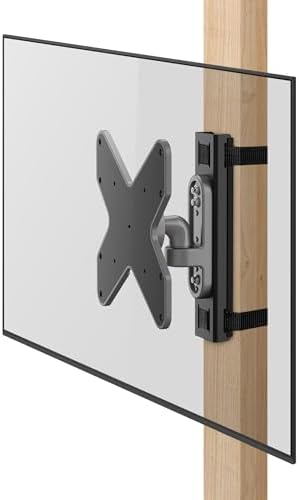
A: Absolutely. Many pergolas use freestanding posts ideal for TV mounting. Use a post-mount bracket rated for outdoor use and ensure the post is securely anchored to resist wind sway. Avoid lightweight decorative posts.
Q: Are outdoor TVs energy hogs?
A: Not necessarily. While high-brightness panels consume more power than indoor TVs, modern LED backlighting keeps usage reasonable. A 65-inch outdoor TV typically draws 150–250 watts—comparable to a mid-size refrigerator. Look for ENERGY STAR certification for efficiency.
Q: What if my pergola gets hail?
A: Most weatherproof TVs feature toughened glass or polycarbonate shields that resist minor impacts. However, severe hail can still cause damage. Consider a retractable cover or temporary shelter during extreme weather events.
Q: Can I stream 4K content outdoors?
A: Yes—most outdoor smart TVs support 4K HDR streaming. Ensure your Wi-Fi signal reaches the pergola; use a mesh extender or outdoor-rated access point if needed. Wired Ethernet provides the most stable connection for high-bandwidth content.
Q: Do outdoor TVs come with stands?
A: Rarely. Due to wind and stability concerns, outdoor TVs are almost always wall- or post-mounted. If you must use a stand, choose a heavy, weighted base designed for outdoor use—and secure it against tipping.
Our Final Recommendations
Best for Budget-Conscious Buyers: SunBriteTV Veranda Series (55-inch) – At around $1,800, this model delivers excellent value with 1,000 nits brightness, IP55 rating, and a user-friendly Android TV platform. Ideal for covered pergolas in moderate climates.
Best Overall Value: Samsung The Terrace Partial Sun (65-inch) – Priced near $2,800, it combines Samsung’s reliable QLED technology with outdoor durability, 1,500 nits brightness, and seamless smart features. Great for partial sun exposure.
Best Premium Option: Seura Shadow Series (75-inch) – At $4,900, this beast boasts 2,000 nits brightness, IP66 rating, and a sleek, frameless design. Perfect for open pergolas or luxury setups where visibility and style matter.
Best for Beginners: Peerless-AV UltraView (60-inch) – With straightforward setup, clear documentation, and responsive support, this $2,200 model is ideal for first-time outdoor TV owners. Includes a robust mount and cable management kit.
Best for Advanced Users: SunBriteTV Pro Series (75-inch) – Designed for pros, this $5,200 unit offers modular components, remote monitoring, and compatibility with Crestron and Control4 systems. Built for demanding environments and custom integrations.
Conclusion: Making the Right Choice
Choosing a weatherproof TV for your pergola is more than a shopping decision—it’s an investment in your outdoor lifestyle. By prioritizing weather resistance, brightness, build quality, and climate suitability, you’ll enjoy crystal-clear entertainment season after season. Avoid the temptation to cut corners; the right TV will reward you with reliability, stunning visuals, and years of hassle-free use.
Remember, your pergola is an extension of your home—a place for connection, relaxation, and celebration. The perfect outdoor TV enhances that experience without becoming a maintenance headache. Use this guide to compare options, ask the right questions, and select a model that aligns with your needs, budget, and environment.
Don’t rush the process. Take time to measure your space, assess sunlight patterns, and consult with professionals if needed. And when you finally press play on that first outdoor movie night, you’ll know you made the smartest choice for your space. Happy viewing!

