
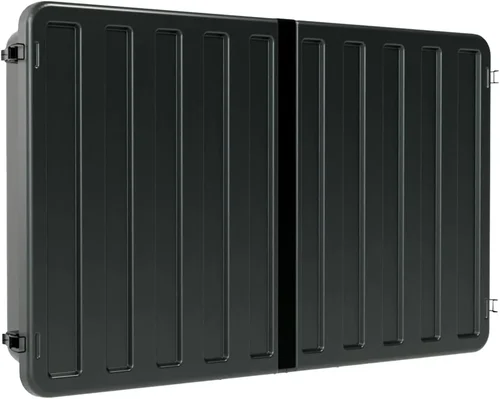
Outdoor sports viewing has evolved dramatically over the past decade. No longer confined to the living room, fans now want to enjoy live games, races, and tournaments under the open sky—whether that’s in a backyard, on a patio, at a tailgate, or even beside a pool. But standard indoor TVs simply aren’t built to withstand the elements. That’s where weatherproof TVs come in: specially engineered displays designed to deliver high-quality visuals while resisting rain, dust, extreme temperatures, and UV exposure.
Choosing the right weatherproof TV isn’t as simple as picking the biggest screen or the highest resolution. These specialized devices must balance durability, performance, visibility in bright conditions, and long-term reliability—all while fitting within your budget and installation space. With so many options flooding the market in 2026—from ruggedized consumer models to commercial-grade outdoor displays—it’s easy to feel overwhelmed. This comprehensive buying guide cuts through the noise. We’ll walk you through every critical factor, from screen brightness and IP ratings to smart features and warranty coverage, so you can make a confident, informed decision.
Whether you’re setting up a permanent outdoor entertainment zone or just want a reliable TV for weekend barbecues and game days, this guide will equip you with expert knowledge. You’ll learn how to evaluate real-world performance, avoid common pitfalls, understand pricing tiers, and ultimately select a weatherproof TV that enhances your outdoor sports experience for years to come. By the end, you won’t just know what to buy—you’ll know why it matters.

What to Look for When Buying a Weatherproof TV
1. IP Rating and Environmental Protection
The Ingress Protection (IP) rating is arguably the most important specification when evaluating a weatherproof TV. This two-digit code tells you exactly how well the TV resists solid particles (like dust) and liquids (like rain or splashes). The first digit ranges from 0 to 6 and measures protection against solids; the second digit ranges from 0 to 9 and indicates liquid resistance.
For outdoor use, look for a minimum IP55 rating—this means the TV is dust-protected and can handle low-pressure water jets from any direction. However, if you live in a region with heavy rainfall, frequent storms, or high humidity (think coastal areas or rainy climates), aim for IP65 or higher. An IP65-rated TV is dust-tight and protected against water projected from a nozzle, making it ideal for year-round outdoor installation.
Beyond the IP rating, consider additional environmental protections. High-quality weatherproof TVs often include sealed cooling systems, anti-corrosion coatings on internal components, and UV-resistant casings to prevent yellowing or cracking from sun exposure. Some premium models even feature thermal management systems that automatically adjust fan speed based on ambient temperature, ensuring stable operation in extreme heat or cold.
2. Screen Brightness and Anti-Glare Technology
Indoor TVs typically operate at 300–500 nits of brightness—fine for dimly lit rooms but utterly inadequate under direct sunlight. Outdoor viewing demands significantly higher luminance to combat ambient light glare. For comfortable daytime sports watching, your weatherproof TV should deliver at least 700 nits, with 1,000+ nits being ideal for sunny patios or pool decks.
But brightness alone isn’t enough. Glare from reflections can wash out the image even on bright screens. That’s why top-tier weatherproof TVs incorporate advanced anti-reflective coatings and optically bonded glass. Optical bonding fuses the display panel directly to the outer glass layer, eliminating the air gap that causes internal reflections. This dramatically improves contrast and color accuracy in bright conditions.
Additionally, look for TVs with wide viewing angles (ideally 178° horizontal and vertical). Unlike indoor setups where viewers sit directly in front of the screen, outdoor gatherings often involve people seated at various angles. IPS (In-Plane Switching) panels generally offer better off-axis visibility than VA panels, though some newer VA variants now include wide-view technology.
3. Durability and Build Quality
A weatherproof TV isn’t just about surviving rain—it must endure years of temperature swings, humidity, dust, and physical stress. Start by examining the chassis material. Aluminum alloy enclosures are lightweight, corrosion-resistant, and excellent heat dissipators. Avoid plastic housings unless they’re reinforced with metal frames, as they can warp or crack over time.
Internal components matter too. High-end models use conformal-coated circuit boards that resist moisture and oxidation. Look for TVs with sealed speaker grilles, grommet-protected cable inputs, and fanless cooling systems (or fans with dust filters). Fanless designs reduce maintenance and eliminate moving parts that could fail.
Also consider mounting hardware. Most weatherproof TVs require specialized outdoor mounts rated for wind load and corrosion resistance. Ensure the VESA pattern matches your chosen mount, and verify that all included screws and brackets are stainless steel or coated to prevent rust.
4. Display Technology and Resolution
In 2026, you’ll find weatherproof TVs using three main display technologies: LED-LCD, QLED, and OLED. Each has trade-offs for outdoor use.
LED-LCD remains the most common and cost-effective option. Modern full-array local dimming (FALD) models offer excellent contrast and brightness, making them strong contenders for outdoor sports. QLED TVs, which use quantum dots to enhance color and brightness, are particularly well-suited for sunny environments due to their peak luminance capabilities.
OLED, while delivering perfect blacks and infinite contrast, faces challenges outdoors. Most consumer OLEDs max out around 800 nits—insufficient for bright daylight—and are more susceptible to image retention under static sports graphics (like scoreboards). That said, a few premium outdoor OLED models now feature enhanced brightness modes and protective glass, but they come at a steep price.
Resolution-wise, 4K UHD is the standard in 2026. Even at larger screen sizes (55″ and up), 4K ensures crisp detail during fast-paced sports action. Avoid 1080p models unless budget is extremely tight—they’ll look noticeably softer, especially in bright conditions where pixel density matters more.
5. Smart Features and Connectivity
Just because a TV lives outside doesn’t mean it should lack modern conveniences. Most weatherproof TVs in 2026 run full smart platforms like Android TV, webOS, or Roku OS, giving you access to streaming apps like YouTube, Netflix, ESPN+, and Paramount+. This is crucial for live sports, as many games are now streamed exclusively online.
Check for voice control compatibility (Google Assistant, Alexa), Bluetooth audio support (for wireless headphones or speakers), and sufficient HDMI ports (at least two, preferably HDMI 2.1 for future-proofing). USB ports are useful for media playback or firmware updates.
Wi-Fi performance is another often-overlooked factor. Outdoor environments can have weaker signals due to distance from the router or interference from landscaping. Look for dual-band Wi-Fi 6 support and consider pairing your TV with a weatherproof Wi-Fi extender if needed.
6. Size and Viewing Distance
Choosing the right screen size depends on both your available space and typical viewing distance. For outdoor settings, larger is generally better—but only up to a point.
As a rule of thumb:
– 40–50 inches: Best for small patios or balconies (6–8 ft viewing distance)
– 55–65 inches: Ideal for medium backyards (8–12 ft)
– 70+ inches: Perfect for large decks, pool areas, or open yards (12+ ft)
However, don’t sacrifice brightness or durability for size. A 75-inch TV that’s too dim will look worse than a well-lit 55-inch model. Also, ensure your mounting structure can support the weight—some 70″+ outdoor TVs exceed 50 lbs.
Portability matters if you plan to move the TV between locations (e.g., garage to patio). Some brands offer lightweight, all-in-one outdoor TV enclosures with built-in stands, but these are usually more expensive than wall-mounted setups.
7. Brand Reputation and Ecosystem Compatibility
Not all weatherproof TV brands are created equal. Established names like Samsung, LG, Sony, and SunBrite (a leader in outdoor displays) have proven track records for reliability and customer support. Lesser-known brands may offer lower prices but often cut corners on materials, firmware updates, or warranty service.
Consider ecosystem compatibility too. If you already own smart home devices (e.g., Ring cameras, Philips Hue lights), choose a TV that integrates seamlessly. For example, Samsung’s SmartThings platform allows you to control lights and locks directly from the TV interface—useful for setting the mood during game night.
Also, check if the brand offers matching outdoor soundbars or audio systems. Many weatherproof TVs have limited built-in speakers due to space constraints, so external audio is often necessary for immersive sports sound.
8. Warranty and Customer Support
Outdoor electronics face harsher conditions than indoor gear, so robust warranty coverage is non-negotiable. Look for at least a 2-year comprehensive warranty that includes parts, labor, and on-site service (if available). Some premium brands offer 3–5 year extended plans specifically for outdoor use.
Read the fine print: Does the warranty cover damage from condensation? What about power surges from lightning? Reputable manufacturers will clearly define coverage limits. Avoid brands that void warranties if the TV is installed by a third party—professional installation is often recommended for outdoor setups.
Customer support responsiveness matters too. Search user forums for reports of slow repair times or unhelpful service reps. Brands with dedicated outdoor product support lines (like SunBrite’s “Outdoor Concierge”) tend to resolve issues faster.
Different Types of Weatherproof TVs
Common Buying Mistakes to Avoid
❌ Mistake: Assuming All “Outdoor” TVs Are Equal
Why it’s bad: The term “outdoor TV” is loosely regulated. Some manufacturers simply sell indoor TVs in weatherproof enclosures, while others build fully integrated outdoor units. The former may fail prematurely due to inadequate thermal management or poor sealing.
What to do instead: Research whether the TV is purpose-built for outdoor use or just an indoor model in a case. Look for certifications like UL Listed for outdoor electronics and check if the manufacturer specifies operating temperature ranges.
❌ Mistake: Ignoring Local Climate Conditions
Why it’s bad: A TV rated for mild climates may overheat in desert summers or freeze in northern winters. Humidity can cause condensation inside poorly sealed units, leading to corrosion.
What to do instead: Match the TV’s specs to your region. If you experience sub-freezing temps, choose a model with cold-start capability. In high-humidity areas, prioritize IP65+ ratings and conformal-coated internals.
❌ Mistake: Overlooking Audio Needs
Why it’s bad: Most weatherproof TVs have tiny, downward-firing speakers that sound tinny and get drowned out by wind or crowd noise. Relying solely on built-in audio ruins the sports experience.
What to do instead: Budget for a weatherproof soundbar or outdoor speaker system. Many brands offer matching audio accessories, or you can use Bluetooth speakers rated for outdoor use.
❌ Mistake: Skimping on Professional Installation
Why it’s bad: Improper mounting can lead to water intrusion, signal interference, or even TV detachment in high winds. DIY cable routing often voids warranties.
What to do instead: Hire a certified installer familiar with outdoor AV setups. They’ll ensure proper grounding, waterproof conduit use, and optimal placement for viewing and signal strength.
❌ Mistake: Buying Based Solely on Price
Why it’s bad: The cheapest “outdoor” TVs often use low-brightness panels, weak weather sealing, and short warranties. You’ll likely replace them within 2–3 years.
What to do instead: Treat this as a long-term investment. Spend slightly more for proven durability—it pays off in reduced maintenance and longer lifespan.
❌ Mistake: Forgetting About Power and Connectivity
Why it’s bad: Outdoor outlets may lack GFCI protection or be too far from the TV location. Running extension cords creates tripping hazards and voltage drops.
What to do instead: Have an electrician install a dedicated outdoor-rated outlet near the TV. Use in-wall rated HDMI cables for long runs, and consider a surge protector with outdoor coverage.
❌ Mistake: Neglecting Software Updates
Why it’s bad: Smart TV platforms require regular updates for security and app compatibility. Some outdoor TVs receive infrequent updates, leaving them vulnerable.
What to do instead: Choose brands with a history of consistent firmware support. Check forums to see if users report abandoned models.
Budget Guidelines: How Much Should You Spend?
Entry-Level ($500–$1,000): These are typically partial-cover or portable models best suited for covered patios or seasonal use. Expect 500–700 nits brightness, basic smart features, and IP54 ratings. Ideal for casual viewers in mild climates. Examples include the Seura Shade Series and some Vizio outdoor variants.
Mid-Range ($1,000–$2,500): This is the sweet spot for most homeowners. You’ll get 800–1,200 nits brightness, IP65 protection, full 4K HDR, and reliable smart platforms. Models like the SunBrite Veranda Series and Samsung The Terrace offer excellent balance of performance and durability for year-round backyard use.
Premium ($2,500–$5,000): Designed for enthusiasts and serious entertainers. These TVs feature 1,500+ nits brightness, optical bonding, wide viewing angles, and advanced thermal management. Brands like Peerless-AV and LG Pro:Idiom dominate this tier, often used in high-end residential installations.
Luxury ($5,000+): Reserved for commercial venues or ultra-luxury homes. Expect 2,000+ nits, 24/7 operation capability, vandal-resistant glass, and custom calibration. These are overkill for typical sports watching but excel in bars, stadiums, or extreme environments.
Expert Tips for Getting the Best Deal
1. Time Your Purchase Around Major Sales Events: The best discounts on weatherproof TVs occur during Black Friday, Memorial Day, and post-summer clearance (August–September). Many retailers discount older models to make room for new inventory.
2. Buy Direct from Manufacturers for Better Support: Brands like SunBrite and Seura often offer exclusive bundles, extended warranties, or free shipping when you purchase directly. You also get access to outdoor-specific customer service reps.
3. Look for Refurbished or Open-Box Units: Certified refurbished weatherproof TVs from reputable sellers can save you 20–30% off retail. Ensure they come with full warranties and have been tested for outdoor performance.
4. Negotiate Installation Packages: Some AV integrators offer discounted TV + install bundles. Ask if they’ll throw in cable management or a basic soundbar at no extra cost.
5. Check for Utility Rebates: In some regions, energy-efficient outdoor electronics qualify for local rebates. While rare, it’s worth asking your utility provider.
6. Read Return Policies Carefully: Outdoor TVs often have stricter return windows (14–30 days vs. 60+ for indoor models). Ensure you can test the TV in real outdoor conditions before the window closes.
7. Join Owner Forums for Insider Deals: Communities like AVS Forum and Reddit’s r/outdoortv often share flash sales, coupon codes, or user experiences that reveal hidden gems.
8. Consider Leasing for Commercial Use: If you’re a bar or restaurant owner, leasing high-end outdoor displays can spread costs and include maintenance—ideal for seasonal businesses.

Frequently Asked Questions
Q: Can I use a regular TV outdoors if I cover it?
A: Technically yes, but it’s not recommended. Indoor TVs lack the brightness, thermal management, and sealing needed for consistent outdoor performance. Even with a cover, condensation, overheating, and glare will degrade the experience and likely void your warranty.
Q: Do weatherproof TVs need special maintenance?
A: Minimal, but important. Clean the screen monthly with a microfiber cloth and mild cleaner (avoid ammonia-based products). Check seals and grommets annually for cracks. In snowy areas, gently brush off accumulation to prevent pressure on the casing.
Q: Will a weatherproof TV work in direct sunlight?
A: Only if it has sufficient brightness (1,000+ nits) and anti-glare coating. Even then, partial shading (like a pergola) improves visibility. Never install a weatherproof TV in full, unobstructed sun unless it’s specifically rated for it.
Q: How long do weatherproof TVs typically last?
A: With proper care, 7–10 years is common. High-end models with robust cooling and sealed designs often exceed a decade. Cheaper units may fail in 3–5 years due to component corrosion or backlight degradation.
Q: Can I mount a weatherproof TV on a swing arm?
A: Yes, but only if the mount is rated for outdoor use and the TV’s weight. Ensure all pivot points are sealed and the arm doesn’t create gaps where water could enter.
Q: Do I need a separate antenna for live sports?
A: If you’re cutting the cord, a weatherproof outdoor antenna (like the Antennas Direct ClearStream) paired with a streaming device can give you local channels in HD. Many smart weatherproof TVs support ATSC 3.0 for next-gen broadcasts.
Q: Are weatherproof TVs energy efficient?
A: Generally less so than indoor models due to higher brightness requirements. However, newer LEDs and local dimming help reduce consumption. Look for ENERGY STAR certification where available.
Q: What’s the difference between a weatherproof TV and an outdoor TV enclosure?
A: A weatherproof TV is built from the ground up for outdoor use. An enclosure houses a standard indoor TV in a protective shell. Enclosures are cheaper but often lack proper ventilation, leading to overheating.
Q: Can I use voice assistants with outdoor TVs?
A: Yes, most smart weatherproof TVs support Google Assistant or Alexa. However, background noise (wind, crowds) can interfere with voice recognition. Consider using a remote with a microphone or a smart speaker nearby.
Q: Is it safe to leave a weatherproof TV outside in winter?
A: Only if it’s rated for cold weather (check the operating temperature range). Many all-season models function down to -30°F. Never power on a frozen TV—let it acclimate indoors first.
Our Final Recommendations
Best for Budget-Conscious Buyers: SunBrite Veranda Series (55″) – At around $1,200, it delivers 1,000 nits brightness, IP55 rating, and reliable Android TV at a compelling price. Perfect for covered patios in moderate climates.
Best Overall Value: Samsung The Terrace (65″) – With 1,500 nits, IP55 protection, and stunning QLED color, this TV excels in bright conditions while offering seamless SmartThings integration. Priced around $2,300, it’s a home run for most families.
Best Premium Option: Peerless-AV Xtreme Outdoor Display (75″) – Built for commercial durability, this 2,000-nit beast handles anything nature throws at it. Ideal for large backyards or luxury installations ($4,500+).
Best for Beginners: Seura Shade Series (50″) – Simple setup, intuitive interface, and solid performance for first-time outdoor TV owners. Great for small spaces and casual viewing (~$900).
Best for Advanced Users: LG Pro:Idiom Outdoor Display (60″) – Offers professional calibration tools, 24/7 operation, and modular design for custom integrations. Best for tech-savvy users who want full control (~$3,800).
Conclusion: Making the Right Choice
Investing in a weatherproof TV transforms your outdoor space into a true sports-viewing destination. But success hinges on matching the right technology to your environment, usage patterns, and budget. Prioritize IP rating and brightness above all—they’re the foundation of a great outdoor experience. Don’t overlook audio, installation, and long-term support, as these elements ensure your TV remains enjoyable for years.
Remember, the cheapest option isn’t always the most economical. A mid-range TV with proven durability often outperforms a bargain model that fails after two seasons. Use this guide to ask the right questions, compare specs meaningfully, and avoid costly mistakes.
Ultimately, the best weatherproof TV is the one that lets you cheer for your team under the stars—without worrying about the weather. Take your time, do your research, and choose wisely. Your future self (and your guests) will thank you when that game-winning touchdown lights up your backyard screen in stunning clarity.

