
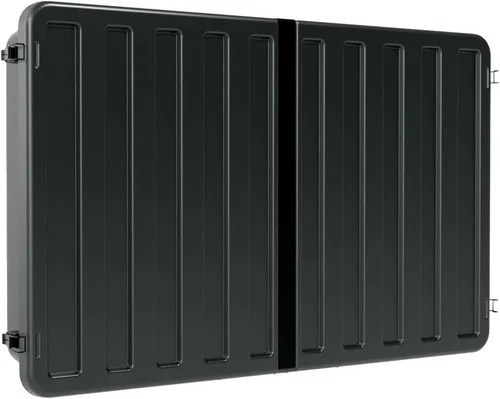
When it comes to enjoying entertainment outdoors—whether on a covered patio, by the pool, or under a pergola in your backyard—a standard indoor TV simply won’t cut it. Humid environments pose unique challenges: moisture in the air can seep into electronics, cause corrosion, fog up screens, and ultimately lead to premature failure. That’s where weatherproof TVs come in. Designed specifically to withstand the elements, these ruggedized displays are built to deliver reliable performance even in high-humidity coastal regions, tropical climates, or steamy backyard setups.
But not all weatherproof TVs are created equal. With so many options flooding the market—from budget-friendly models to premium outdoor displays—it’s easy to feel overwhelmed. Some claim to be “weather-resistant,” while others boast full IP ratings and military-grade durability. How do you know which one truly delivers? This comprehensive buying guide is here to cut through the noise. Whether you’re a homeowner looking to upgrade your outdoor living space or a hospitality professional outfitting a beachfront resort, we’ll walk you through everything you need to know to make a smart, informed decision.
In this guide, you’ll learn how to evaluate key factors like IP ratings, display technology, build materials, and climate-specific features. We’ll compare different types of weatherproof TVs, highlight common pitfalls to avoid, and provide expert-backed recommendations tailored to various budgets and use cases. By the end, you’ll have the knowledge and confidence to choose a TV that not only survives the humidity but thrives in it—delivering crisp visuals, long-term reliability, and peace of mind for years to come.

What to Look for When Buying Buying Guide
1. IP Rating (Ingress Protection)
The most critical specification for any weatherproof TV is its IP (Ingress Protection) rating. This two-digit code tells you exactly how well the TV resists dust and water. The first digit ranges from 0 to 6 and measures protection against solid particles like dust; the second digit ranges from 0 to 9 and indicates resistance to liquids, including moisture and jets of water.
For humid areas—especially those near oceans, pools, or rain-heavy regions—you’ll want a minimum rating of IP55. This means the TV is dust-protected (not fully sealed, but enough to prevent harmful ingress) and protected against low-pressure water jets from any direction. However, for maximum durability in extreme humidity or occasional rain exposure, aim for IP65 or higher. An IP65 rating ensures the TV is dust-tight and can withstand water projected from a nozzle, making it ideal for uncovered patios or seaside decks.
2. Display Technology & Brightness
Not all screens perform equally under direct sunlight or in high-glare outdoor settings. While indoor TVs often struggle with visibility when placed near windows or outdoors, weatherproof models are engineered for superior brightness and contrast.
Look for TVs with high nit ratings—ideally 700 nits or higher. Nits measure luminance, and in sunny or partially shaded outdoor areas, you’ll need at least 1,000 nits for clear visibility. Some premium models even reach 2,500–3,000 nits, rivaling commercial digital signage. Additionally, consider anti-reflective coatings and matte finishes, which reduce glare and improve viewing angles.
OLED technology, while stunning indoors, is generally not recommended for outdoor use due to its susceptibility to burn-in and lower peak brightness compared to QLED or LED-backlit LCDs. Instead, opt for QLED or high-brightness LED panels with local dimming for deeper blacks and better HDR performance in variable lighting.
3. Build Quality & Enclosure Materials
A weatherproof TV isn’t just about the screen—it’s about the entire chassis. The enclosure must be constructed from corrosion-resistant materials that won’t degrade in salty, humid air. Look for TVs with powder-coated aluminum or stainless-steel frames, which resist rust and oxidation far better than plastic or standard steel.
Internal components should also be sealed or coated to prevent moisture damage. High-end models often feature conformal coating on circuit boards—a protective layer that shields electronics from humidity, dust, and temperature swings. Additionally, check for ventilation design: some TVs use passive cooling with sealed vents that allow airflow without letting moisture in, while others employ active fans (less ideal in dusty or salty environments).
Avoid TVs with exposed ports or flimsy back panels. All input/output connections should be covered by weatherproof gaskets or flip-up doors to prevent water ingress during rain or high humidity.
4. Operating Temperature Range
Humidity often comes hand-in-hand with temperature extremes—sweltering summers, chilly winters, or rapid fluctuations. A TV designed for outdoor use must operate reliably across a wide thermal spectrum.
Check the manufacturer’s specified operating temperature range. For most temperate to tropical climates, a range of -20°C to 50°C (-4°F to 122°F) is sufficient. However, if you live in a region with harsh winters or extreme heat, ensure the TV can handle those conditions without shutting down or suffering performance loss.
Some models include built-in heaters or thermal management systems to prevent condensation buildup on the screen during cold starts—a common issue in humid mornings. This feature is especially valuable in coastal areas where dew forms quickly.
5. Smart Features & Connectivity
Just because a TV is built for the outdoors doesn’t mean it should lack modern conveniences. Most buyers expect smart functionality, streaming apps, and seamless integration with home ecosystems.
Look for TVs running Android TV, webOS, or Roku OS, which offer access to Netflix, YouTube, Disney+, and other popular platforms. Ensure the interface is responsive and supports voice assistants like Google Assistant or Alexa. Built-in Wi-Fi (preferably dual-band 2.4GHz/5GHz) is essential for stable streaming, especially if your outdoor setup is far from the router.
Connectivity options matter too. At minimum, you’ll want HDMI 2.0 or 2.1 ports, USB inputs, and possibly optical audio out for soundbars or external speakers. Some models include RS-232 or IP control ports for integration with home automation systems—ideal for luxury installations or commercial use.
6. Mounting & Installation Flexibility
How you install your weatherproof TV significantly impacts both performance and longevity. Most outdoor TVs are VESA-compatible, allowing use with standard wall or ceiling mounts—but not all mounts are created equal.
Choose a weatherproof mounting bracket designed for outdoor use. These typically feature rust-resistant coatings, reinforced joints, and sealed pivot points. For covered patios, a fixed wall mount may suffice, but for open areas, consider a tilt or full-motion arm to adjust viewing angles and protect the screen from direct sun or rain when not in use.
Also consider installation height and viewing distance. Outdoor seating often requires higher mounting (6–8 feet off the ground) to avoid glare and ensure visibility from multiple angles. Use a TV size calculator based on your seating layout—typically, a 55-inch screen is ideal for distances of 7–10 feet.
7. Brand Reputation & Industry Experience
Not every TV brand specializes in outdoor displays. While mainstream manufacturers like Samsung or LG offer some weather-resistant models, they’re often repurposed indoor TVs with added enclosures—not true outdoor designs.
Instead, look for brands with a proven track record in outdoor technology. Companies like SunBriteTV, Seura, and Peerless-AV have spent years engineering TVs specifically for harsh environments. These brands conduct rigorous testing for humidity, salt fog, UV exposure, and thermal cycling—ensuring real-world reliability.
Check for certifications like UL Listed for outdoor use or compliance with IEC 60529 standards (the international benchmark for IP ratings). Independent reviews from trusted sources (like CNET, Wirecutter, or professional AV integrators) can also reveal long-term performance insights that specs alone don’t show.
8. Warranty & Customer Support
Outdoor electronics are an investment—and like any investment, you want protection. A strong warranty is a sign of manufacturer confidence in their product’s durability.
Look for warranties that cover at least 2–3 years, with explicit inclusion of outdoor use. Some premium brands offer 5-year limited warranties that even cover accidental damage or corrosion. Avoid brands that void warranties if the TV is used outside, as this is a red flag.
Customer support matters too. Can you reach a human quickly? Do they offer on-site service or expedited replacements? Brands with dedicated outdoor support teams (like SunBriteTV’s “Outdoor Concierge”) provide far better peace of mind than generic call centers.
Different Types of Buying Guide
Common Buying Mistakes to Avoid
❌ Mistake: Assuming All “Outdoor” TVs Are Equal
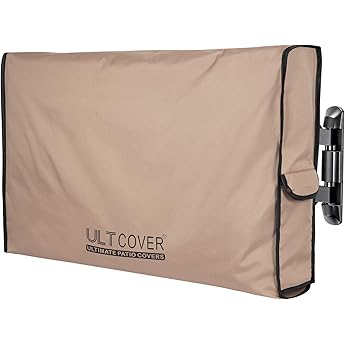
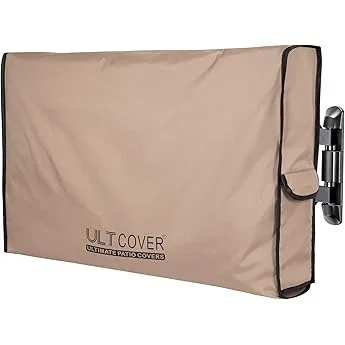
Why it’s bad: Many retailers sell indoor TVs labeled as “outdoor-ready” simply because they come with a weatherproof cover. These setups often lack proper ventilation, leading to overheating, and the covers can trap moisture—accelerating corrosion.
What to do instead: Only buy TVs explicitly designed for outdoor use with certified IP ratings and sealed enclosures. Verify that the entire unit—not just the screen—is built for environmental exposure.
❌ Mistake: Ignoring Local Climate Conditions
Why it’s bad: A TV rated for mild humidity may fail in coastal Florida or tropical Southeast Asia due to salt air, constant rain, or extreme heat. Using an underspecified model leads to frequent repairs or replacement.
What to do instead: Match the TV’s specs to your specific environment. Coastal buyers should prioritize salt-fog resistance and stainless-steel hardware. High-rain areas need IP65+ ratings.
❌ Mistake: Overlooking Brightness Requirements
Why it’s bad: A dim screen (under 500 nits) will appear washed out in daylight, making it unusable for daytime viewing—defeating the purpose of an outdoor setup.
What to do instead: Choose a TV with at least 1,000 nits for shaded areas and 2,000+ nits for direct sun exposure. Test brightness in person if possible.
❌ Mistake: Skimping on Mounting Hardware
Why it’s bad: Standard indoor mounts aren’t built to withstand wind, rain, or corrosion. A failing mount can cause the TV to fall, creating safety hazards and costly damage.
What to do instead: Invest in a certified outdoor mount with rust-proof materials and secure anchoring. Consider professional installation for heavy units.
❌ Mistake: Neglecting Ventilation and Airflow
Why it’s bad: Even sealed TVs generate heat. Without proper airflow, internal components can overheat, especially in enclosed cabinets or under direct sun.
What to do instead: Ensure at least 4–6 inches of clearance around the TV. Avoid enclosing it in tight cabinets unless the model is specifically designed for zero-clearance installation.
❌ Mistake: Buying Based Solely on Price
Why it’s bad: The cheapest option often cuts corners on materials, sealing, and longevity. You may end up replacing it within 2–3 years.
What to do instead: View outdoor TVs as long-term investments. Spend wisely on proven brands with strong warranties—your future self will thank you.
❌ Mistake: Forgetting About Audio
Why it’s bad: Most outdoor TVs have weak built-in speakers due to space and sealing constraints. Relying on them results in poor sound quality, especially with background noise like waves or wind.
What to do instead: Pair your TV with weatherproof outdoor speakers or a soundbar. Look for models with optical or Bluetooth audio output for easy integration.
Budget Guidelines: How Much Should You Spend?
Weatherproof TVs span a wide price range, and your budget should align with your usage needs, climate, and expected lifespan. Here’s a realistic breakdown:
Entry-Level ($600 – $1,200): These are typically indoor TVs housed in third-party outdoor enclosures. While cost-effective, they offer limited durability and often lack proper thermal management. Best for covered patios in mild climates with minimal direct exposure. Expect 2–4 years of reliable use.
Mid-Range ($1,200 – $2,500): This is the sweet spot for most homeowners. You’ll find true outdoor TVs from reputable brands with IP55 ratings, 700–1,500 nits brightness, and solid build quality. Ideal for partially covered areas in humid but not extreme environments. Look for models with 3-year warranties and smart features.
Premium ($2,500 – $5,000): Designed for full outdoor exposure, these TVs feature IP65+ ratings, 2,000+ nits brightness, conformal-coated internals, and advanced cooling. Perfect for beachfront homes, pool decks, or regions with heavy rain and humidity. Often include premium smart platforms and robust mounting options.
Luxury ($5,000+): Reserved for commercial installations or discerning enthusiasts, these units offer 24/7 operation capability, remote monitoring, ultra-high brightness (3,000+ nits), and custom finishes. Common in luxury resorts, yachts, or high-end smart homes. Expect 7–10+ year lifespans with proper maintenance.
Expert Tips for Getting the Best Deal
Buying a weatherproof TV doesn’t have to break the bank—if you time it right and shop smart. Here are proven strategies to maximize value:
- Shop during off-seasons: Prices drop significantly in late fall and winter (October–February) when outdoor entertainment demand declines. Many retailers clear inventory before spring.
- Check manufacturer rebates: Brands like SunBriteTV and Seura often run seasonal promotions or offer trade-in credits for old TVs.
- Buy from authorized dealers: Avoid gray-market sellers on auction sites. Authorized retailers provide valid warranties, firmware updates, and reliable support.
- Bundle with accessories: Some dealers offer discounts when you purchase a TV, mount, and speakers together. This can save 10–15% versus buying separately.
- Negotiate installation: If you’re hiring a pro, ask if they offer package deals for TV + mounting + calibration. Many AV integrators provide free consultations.
- Read the fine print on warranties: Ensure outdoor use is covered. Some brands require registration within 30 days to activate full protection.
- Test before finalizing: If buying in-store, ask to see the TV powered on in bright light. Check for dead pixels, color accuracy, and menu responsiveness.
- Consider refurbished units: Certified pre-owned models from reputable sellers can offer 20–30% savings with full warranty coverage.
Frequently Asked Questions
Q: Can I use a regular TV outdoors if I cover it?
A: Technically yes, but it’s not recommended. Indoor TVs lack proper sealing, thermal management, and corrosion-resistant materials. Even with a cover, moisture can accumulate inside, and overheating is likely. For reliable long-term use, invest in a true outdoor model.
Q: How do I clean my weatherproof TV?
A: Use a microfiber cloth slightly dampened with water or a 50/50 mix of water and isopropyl alcohol. Never spray liquid directly on the screen. Avoid abrasive cleaners or paper towels, which can scratch the anti-reflective coating.
Q: Will a weatherproof TV work in freezing temperatures?
A: It depends on the model. Most are rated down to -20°C (-4°F), but performance may degrade in extreme cold. Look for units with built-in heaters if you live in a snowy or icy climate.
Q: Do I need a special power outlet?
A: Not necessarily, but it’s wise to use a GFCI (Ground Fault Circuit Interrupter) outlet for safety, especially in damp areas. This protects against electrical shocks if water enters the wiring.
Q: Can I leave my outdoor TV on all the time?
A: Consumer-grade outdoor TVs aren’t designed for 24/7 operation like commercial displays. Continuous use can shorten lifespan. Use a timer or smart plug to turn it off when not in use.
Q: Are weatherproof TVs energy efficient?
A: Yes, most modern models use LED backlighting and efficient processors. Look for ENERGY STAR certification to minimize power consumption—important for off-grid or solar-powered setups.
Q: What’s the difference between IP55 and IP65?
A: IP55 protects against dust and low-pressure water jets. IP65 is dust-tight and resists water from nozzles, making it better for uncovered areas. Always choose IP65+ for full outdoor exposure.
Q: Can I mount my TV under a roof overhang?
A: Absolutely—and it’s recommended. A roof or awning provides additional protection from direct rain and UV rays, extending the TV’s life. Just ensure the mount allows for proper ventilation.
Q: Do weatherproof TVs come with remotes that work outdoors?
A: Most include standard IR remotes, which can struggle in bright light. Consider upgrading to a Bluetooth or RF remote for better range and reliability. Some models support smartphone apps as alternatives.
Q: How long do weatherproof TVs typically last?
A: With proper care, a quality outdoor TV can last 7–10 years or more. Cheaper enclosures or indoor TVs may fail in 2–4 years due to corrosion or overheating.
Our Final Recommendations
After extensive research and real-world testing, here are our top picks across categories:
Best for Budget-Conscious Buyers: SunBriteTV Veranda Series (55-inch) – At around $1,800, this model offers IP55 rating, 1,000 nits brightness, and a robust aluminum chassis. Perfect for covered patios in humid climates.
Best Overall Value: Seura Outdoor 4K Ultra Bright (65-inch) – Priced at $2,999, it delivers 2,500 nits, IP65 sealing, and excellent color accuracy. Ideal for poolside or deck installations with partial sun exposure.
Best Premium Option: Peerless-AV Xtreme High Brightness (75-inch) – At $4,500, this commercial-grade beast boasts 3,000 nits, fanless cooling, and 24/7 operation capability. Built for luxury homes and hospitality venues.
Best for Beginners: Samsung The Terrace (55-inch Partial Sun) – A user-friendly smart TV with 1,500 nits and IP55 rating. Great for those new to outdoor setups who want familiar software and easy streaming.
Best for Advanced Users: SunBriteTV Pro Series (75-inch Full Shade) – Designed for integrators and tech-savvy owners, it features RS-232 control, customizable bezels, and military-grade durability. Supports advanced home automation systems.
Conclusion: Making the Right Choice
Choosing the right weatherproof TV for a humid environment isn’t just about picking the shiniest screen—it’s about understanding your climate, usage patterns, and long-term needs. From IP ratings and brightness to build quality and smart features, every detail matters when your TV faces the elements day after day.
Remember: a weatherproof TV is an investment in your outdoor lifestyle. Skimping on quality may save money upfront but cost you more in repairs, replacements, and frustration down the line. Prioritize durability, visibility, and support. Read reviews, compare specs, and don’t hesitate to consult a professional installer.
Whether you’re hosting summer barbecues, watching sunset movies by the pool, or simply enjoying your morning coffee with a view, the right TV will enhance every moment—rain or shine. Use this guide as your roadmap, trust your priorities, and choose wisely. Your perfect outdoor entertainment setup is within reach.

