
When you live in a hot climate—whether that’s the sun-baked deserts of Arizona, the humid coastal regions of Florida, or the scorching plains of India—outdoor entertainment takes on a whole new meaning. A regular indoor TV simply won’t cut it when exposed to relentless heat, UV rays, humidity, dust, and sudden temperature swings. That’s where weatherproof TVs come in: purpose-built displays engineered to withstand extreme environmental conditions while delivering crisp visuals and reliable performance year-round.
This guide is designed for homeowners, outdoor living enthusiasts, and property managers who want to invest wisely in a television that can thrive under the sun, not just survive it. Whether you’re setting up a backyard cinema, a poolside lounge, or a covered patio for game nights, choosing the right weatherproof TV requires more than just picking the biggest screen or the lowest price. You need to understand how heat affects electronics, what materials truly resist degradation, and which features matter most when your TV lives outside.
In this comprehensive buying guide, we’ll walk you through every critical factor—from thermal management and IP ratings to display brightness and smart functionality—so you can make an informed decision tailored to your climate and lifestyle. We’ll compare different types of weatherproof TVs, highlight common pitfalls, break down budget expectations, and share expert tips to help you get the best value. By the end, you’ll know exactly what to look for, what to avoid, and which models offer the best blend of durability, performance, and long-term reliability in hot environments.
The market for outdoor TVs has grown significantly over the past decade, driven by advances in display technology and increasing demand for outdoor living spaces. Major brands like Samsung, Sony, LG, SunBriteTV, and Seura now offer dedicated weatherproof models, while some manufacturers repurpose indoor TVs with external enclosures. However, not all “weatherproof” claims are equal—especially in hot climates where overheating can cause permanent damage, color shifts, or premature failure. This guide cuts through the marketing noise to focus on real-world performance, build quality, and climate-specific engineering. Whether you’re upgrading an existing setup or starting from scratch, you’ll find actionable insights backed by technical expertise and user experience.
What to Look for When Buying Buying Guide
1. Thermal Management & Heat Resistance
In hot climates, excessive heat is the number one enemy of electronic devices—including TVs. Standard indoor TVs are designed to operate within a narrow temperature range (typically 32°F to 95°F or 0°C to 35°C). When placed outdoors in direct sunlight or enclosed spaces without ventilation, internal components can overheat, leading to shutdowns, image distortion, or irreversible damage to the panel and circuitry.
Weatherproof TVs built for hot environments incorporate advanced thermal management systems. These include passive cooling (like heat-dissipating aluminum frames), active cooling fans, and internal temperature sensors that throttle performance or shut down safely if overheating occurs. Look for models rated for operation up to at least 110°F (43°C), with some premium units handling up to 122°F (50°C). Additionally, check if the TV uses high-temperature-rated capacitors and resistors—components often fail first under sustained heat stress.
2. Display Brightness & Anti-Glare Technology
Brightness is arguably the most important visual specification for outdoor TVs in sunny climates. Indoor TVs typically peak at 300–600 nits, which is fine for dim living rooms but completely washed out under direct sunlight. For outdoor use, especially in uncovered areas, you need a display with high luminance—ideally 700 nits or higher, with 1000+ nits being optimal for full sun exposure.
More importantly, look for anti-reflective coatings and optically bonded screens. These reduce glare by minimizing surface reflections and improving contrast in bright conditions. Some models also feature automatic brightness adjustment based on ambient light sensors, ensuring consistent visibility from dawn to dusk. OLED panels, while stunning indoors, often struggle outdoors due to lower peak brightness and susceptibility to burn-in under static outdoor signage—so QLED or high-brightness LED/LCD panels are generally preferred for hot, sunny locations.
3. IP Rating & Environmental Protection
The Ingress Protection (IP) rating tells you how well a TV resists dust and moisture. For outdoor use in hot climates—where dust storms, monsoon rains, or high humidity are common—you need at least an IP55 rating (protected against dust and low-pressure water jets). However, many premium weatherproof TVs offer IP65 or even IP66 ratings, meaning they’re dust-tight and can withstand heavy splashing or temporary immersion.
But don’t stop at the IP number. Examine the sealing details: Are all ports covered with rubber gaskets? Is the ventilation system filtered to prevent dust ingress while allowing airflow? In desert regions, fine sand can infiltrate even small gaps and clog cooling systems. Coastal areas demand corrosion-resistant materials (like marine-grade aluminum) to combat salt air. Always verify that the manufacturer specifies the TV for your exact climate zone—not just “outdoor use” in general.
4. Build Quality & Material Durability
A weatherproof TV isn’t just about electronics—it’s about the entire enclosure. Cheaper models may use thin plastic or untreated metals that warp, fade, or corrode under UV exposure and temperature cycling. High-quality units feature powder-coated aluminum chassis, stainless steel hardware, and UV-stabilized plastics that resist yellowing and brittleness.
Pay attention to the screen itself. Tempered glass is standard, but some brands add additional protective layers like anti-scratch coatings or impact-resistant films—critical if your TV is near a pool, grill, or high-traffic area. Also consider the mounting system: VESA-compatible brackets should be included or readily available, and the TV should support both portrait and landscape orientations if needed for your space.
5. Smart Features & Connectivity
Even outdoors, you’ll likely want access to streaming services, voice assistants, and wireless connectivity. Most modern weatherproof TVs run Android TV, webOS, or Roku OS, offering apps like Netflix, YouTube, and Disney+. Ensure the interface remains responsive in high temperatures—some cheaper models slow down or crash when overheated.
Connectivity options matter too. Look for multiple HDMI ports (preferably HDMI 2.1 for future-proofing), USB inputs, Ethernet for stable streaming, and robust Wi-Fi (dual-band 5GHz recommended). Bluetooth support allows pairing with weather-resistant speakers or soundbars. If you plan to use cable or satellite, confirm the TV has a built-in tuner compatible with your region.
6. Warranty & Manufacturer Support
Outdoor TVs are a significant investment, often costing two to three times more than comparable indoor models. A strong warranty reflects confidence in durability. Look for at least a 2-year comprehensive warranty that covers both parts and labor, including damage from environmental factors. Some brands, like SunBriteTV, offer 3-year warranties with optional extended coverage.
Check the fine print: Does the warranty void if installed in direct sunlight? Is professional installation required? Are replacement parts readily available? Also research customer support responsiveness—can you get help quickly if your TV fails during a heatwave? Brands with dedicated outdoor TV divisions typically provide better service than general electronics companies.
7. Size & Viewing Distance
Screen size should match your viewing distance and ambient lighting. For patios 8–12 feet from the seating area, a 55″ to 65″ TV is ideal. Beyond 15 feet, consider 75″ or larger. However, larger screens consume more power and generate more heat—ensure your model’s cooling system scales appropriately.
Avoid oversized TVs in small spaces; they can overwhelm the area and cause eye strain. Conversely, too-small screens become illegible in bright conditions. Use online viewing distance calculators, but add 10–20% more screen real estate for outdoor use due to reduced perceived contrast in sunlight.
8. Power Efficiency & Operating Costs
High-brightness displays and active cooling systems draw more power than indoor TVs. In hot climates where electricity costs are already high (due to AC usage), an energy-efficient model can save hundreds over its lifespan. Look for ENERGY STAR certification or check the wattage rating—premium outdoor TVs often use 150–300W under full load.
Some models include power-saving modes that dim the screen during low-light hours or disable unused features. If you’re off-grid or using solar power, consider TVs with low standby consumption (<0.5W) and compatibility with DC power inputs.
Different Types of Buying Guide

Common Buying Mistakes to Avoid

❌ Mistake: Assuming All “Outdoor” TVs Are Equal
Why it’s bad: Many retailers label any TV sold with an enclosure as “outdoor-ready,” but these often lack proper thermal design or UV protection. In hot climates, this leads to rapid degradation and failure.
What to do instead: Verify that the TV is specifically engineered for outdoor use—not just packaged with a box. Check for independent testing certifications and climate-specific ratings.
❌ Mistake: Ignoring Local Climate Extremes
Why it’s bad: A TV rated for mild coastal weather may fail in desert heat or tropical humidity. Using a one-size-fits-all approach risks premature failure.
What to do instead: Match the TV’s specifications to your local conditions: desert buyers need superior heat dissipation, while coastal users require corrosion resistance.
❌ Mistake: Skimping on Mounting and Installation
Why it’s bad: Improper mounting can block ventilation, trap heat, or expose the TV to rain and debris—even if it’s technically weatherproof.
What to do instead: Invest in a quality outdoor-rated mount with tilt/swivel options and ensure professional installation if needed. Never mount directly against a wall without airflow.
❌ Mistake: Overlooking Audio Needs
Why it’s bad: Most outdoor TVs have weak built-in speakers that get drowned out by wind, pool pumps, or ambient noise.
What to do instead: Pair your TV with weatherproof outdoor speakers or a soundbar. Look for models with optical audio output or Bluetooth for easy integration.
❌ Mistake: Buying Based Solely on Screen Size
Why it’s bad: A giant screen looks impressive but may be unreadable in sunlight if brightness and contrast are inadequate.
What to do instead: Prioritize brightness (nits), anti-glare coating, and resolution over sheer size. A 55″ 1000-nit TV often outperforms a 75″ 500-nit model outdoors.
❌ Mistake: Neglecting Future-Proofing
Why it’s bad: Technology evolves quickly. A TV without HDMI 2.1, Wi-Fi 6, or app support may become obsolete in 2–3 years.
What to do instead: Choose a model with modern connectivity, regular firmware updates, and access to current streaming platforms.
❌ Mistake: Forgetting About Maintenance
Why it’s bad: Dust, pollen, and bird droppings accumulate on outdoor screens, reducing clarity and potentially damaging coatings.
What to do instead: Clean the screen monthly with a microfiber cloth and mild cleaner. Inspect seals and vents annually for blockages.
Budget Guidelines: How Much Should You Spend?
Entry-Level ($800 – $1,500): This tier typically includes indoor TVs paired with third-party weatherproof enclosures or basic all-weather models with limited brightness (500–700 nits) and minimal thermal management. Suitable for covered patios with indirect sun. Expect shorter lifespans in extreme heat.
Mid-Range ($1,500 – $2,800): The sweet spot for most homeowners. These TVs offer 800–1,200 nits brightness, IP55+ ratings, active cooling, and reliable smart platforms. Brands like SunBriteTV Veranda and Seura Outdoor fall here. Ideal for semi-covered areas with partial sun exposure.
Premium ($2,800 – $4,500): Designed for full sun and harsh climates. Features include 1,500+ nits brightness, IP66 ratings, marine-grade materials, and advanced thermal systems. Models like SunBriteTV Pro Series or Samsung The Terrace deliver cinema-quality outdoor viewing with 5+ year lifespans.
Luxury ($4,500+): Commercial-grade units built for 24/7 operation in hotels, stadiums, or luxury estates. These include modular designs, remote monitoring, redundant cooling, and custom calibration. Overkill for most residential users but unmatched in durability and performance.
Expert Tips for Getting the Best Deal
1. Buy During Off-Season: Prices drop significantly in late fall and winter (October–February) when demand for outdoor electronics declines. Retailers often clear inventory before new models launch in spring.
2. Compare Total Cost of Ownership: Factor in installation, mounting hardware, extended warranties, and potential repair costs. A cheaper TV may cost more long-term if it fails prematurely.
3. Shop Authorized Dealers Only: Avoid gray-market sellers. Authorized dealers provide valid warranties, firmware updates, and genuine parts. Check the manufacturer’s website for approved retailers.
4. Negotiate Bundles: Many sellers offer discounts when you buy a TV + mount + sound system together. Ask about package deals, especially during holiday sales.
5. Test Before Committing: If possible, visit a showroom to view the TV in bright conditions. Pay attention to color accuracy, motion handling, and menu responsiveness.
6. Read Real User Reviews: Look beyond star ratings. Search for feedback from users in similar climates—especially regarding heat performance and longevity.
7. Consider Refurbished Models: Certified refurbished units from reputable brands often come with full warranties at 20–30% off retail. Ideal for budget-conscious buyers.
8. Check Return Policies: Ensure you can return the TV within 30–60 days if it doesn’t perform as expected. Outdoor conditions vary, and what works in a showroom may not suit your specific setup.
Frequently Asked Questions
Q: Can I use a regular TV outdoors if it’s under a covered patio?
A: Technically yes, but it’s risky. Even under cover, temperature swings, humidity, and dust can damage internal components over time. For anything beyond occasional use, a purpose-built weatherproof TV is strongly recommended.
Q: How do I know if my TV is getting too hot?
A: Signs include automatic shutdowns, distorted colors, flickering, or a burning smell. Most quality outdoor TVs have status LEDs or apps that report internal temperature. If your TV feels hot to the touch after hours in the sun, it’s likely overheating.
Q: Do weatherproof TVs work in rain?
A: Yes—if they have an appropriate IP rating (IP55 or higher). However, avoid spraying water directly on the screen during cleaning, and never operate the TV during thunderstorms due to lightning risk.
Q: Will a weatherproof TV fade in direct sunlight?
A: High-quality models use UV-resistant materials and coatings that prevent yellowing or discoloration. Cheaper enclosures may degrade over 1–2 years. Always check the manufacturer’s UV stability claims.
Q: Can I mount a weatherproof TV on a brick or stucco wall?
A: Absolutely. Use masonry anchors and a sturdy outdoor-rated mount. Ensure the wall can support the weight (most outdoor TVs are heavier than indoor equivalents).
Q: Do I need a special antenna for outdoor TV?
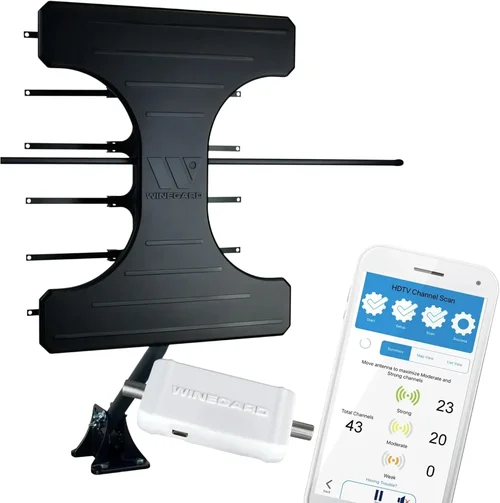
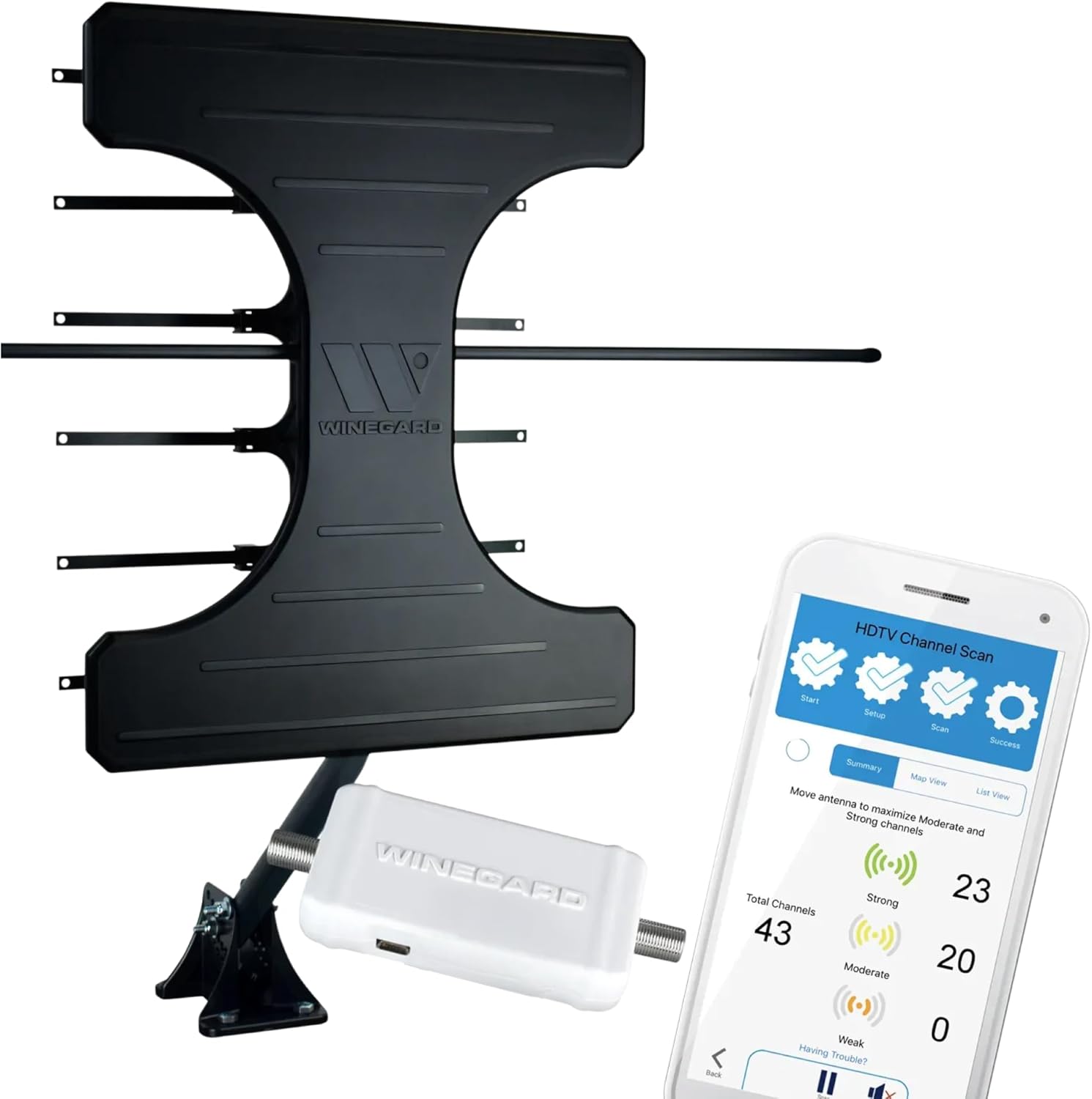
A: Not necessarily. Most weatherproof TVs include standard ATSC tuners. For over-the-air broadcasts, a weather-resistant outdoor antenna mounted higher up (e.g., on a roof) will provide better signal than indoor antennas.
Q: How long do weatherproof TVs last?
A: With proper care, premium models last 7–10 years in hot climates. Entry-level units may last 3–5 years. Regular maintenance and avoiding direct midday sun can extend lifespan significantly.
Q: Are weatherproof TVs energy hogs?
A: They use more power than indoor TVs due to high brightness and cooling, but modern models are surprisingly efficient. Look for units under 250W for 65″ screens—comparable to a mid-sized refrigerator.
Q: Can I use my weatherproof TV in winter?
A: Most are rated for cold weather down to 20°F (-7°C) or lower. However, extreme cold can temporarily reduce brightness. Store removable covers during winter if specified by the manufacturer.
Q: What’s the difference between “weatherproof” and “all-weather”?
A: “Weatherproof” usually means resistant to rain and dust. “All-weather” implies full environmental protection, including extreme heat, cold, humidity, and UV exposure—ideal for hot climates.
Our Final Recommendations
Best for Budget-Conscious Buyers: SunBriteTV Veranda Series (55″) – Offers excellent brightness (1,000 nits), IP55 rating, and reliable performance under $2,000. Perfect for covered patios.
Best Overall Value: Seura Outdoor 4K Smart TV (65″) – Combines sleek design, 1,200 nits brightness, and robust build quality at a competitive price. Great for semi-covered decks.
Best Premium Option: SunBriteTV Pro Series (75″) – Built for full sun with 2,000 nits brightness, IP66 rating, and military-grade durability. Ideal for desert or tropical climates.
Best for Beginners: Samsung The Terrace (55″) – User-friendly interface, strong app ecosystem, and solid weatherproofing. Easy setup for first-time outdoor TV owners.
Best for Advanced Users: Peerless-AV Xtreme Outdoor Display (Commercial Grade) – Modular design, remote monitoring, and customizable configurations for tech-savvy installers or commercial applications.
Conclusion: Making the Right Choice
Choosing a weatherproof TV for a hot climate isn’t just about surviving the elements—it’s about enjoying seamless, high-quality entertainment outdoors without constant worry or premature replacement. By focusing on thermal management, brightness, build quality, and climate-specific engineering, you ensure your investment delivers years of reliable performance under the harshest conditions.
Remember: the cheapest option is rarely the best long-term value. Prioritize features that match your environment—whether that’s scorching desert heat, coastal humidity, or intense midday sun. Don’t overlook installation, audio, and maintenance, as these factors greatly impact your overall experience.
Take the time to research, compare models, and consult with experts or local installers familiar with your region’s challenges. With the insights from this guide, you’re now equipped to make a confident, informed decision that turns your outdoor space into a true entertainment oasis—rain or shine, summer or winter.
Your perfect outdoor TV is out there. Choose wisely, and enjoy every sunset, game night, and movie under the stars with crystal-clear clarity and peace of mind.

