

Watching your favorite show or movie outdoors on a small patio can be one of life’s simple pleasures—especially when you’ve got the right TV for the job. But let’s be honest: choosing a TV for a compact outdoor space isn’t as straightforward as picking up the biggest screen at the electronics store. You’re not just buying a display; you’re investing in an experience that needs to stand up to sunlight, humidity, temperature swings, and limited space—all while delivering crisp visuals and reliable performance.
That’s exactly why this guide exists. Whether you’re sipping morning coffee with the news, hosting friends for a backyard movie night, or catching the big game under string lights, your patio TV has to do more than just work—it needs to thrive in a challenging environment. In this comprehensive 2026 buying guide, we’ll walk you through every critical decision point, from understanding weather resistance ratings to decoding brightness specs, so you can confidently choose a TV that fits your small patio lifestyle without overspending or underperforming.
The market for outdoor TVs has evolved dramatically in recent years. What used to be a niche category dominated by bulky, expensive all-weather models now includes sleek, smart-enabled options from mainstream brands—even some designed specifically for shaded or semi-covered patios. At the same time, traditional indoor TVs are being repurposed with protective enclosures or placed in covered areas, blurring the lines between “indoor” and “outdoor” viewing. With so many choices—and so many conflicting claims online—it’s easy to get overwhelmed. Our goal is to cut through the noise, give you expert-backed insights, and help you find the perfect balance of performance, durability, size, and value for your unique setup.

What to Look for When Buying a Patio TV for Small Spaces
1. Brightness & Sunlight Readability
When it comes to outdoor viewing, brightness isn’t just a nice-to-have—it’s essential. Unlike indoor TVs that operate in controlled lighting, patio screens must compete with direct sunlight, glare, and ambient daylight. Look for a TV with a peak brightness of at least 700 nits, but ideally 1,000 nits or higher for shaded patios and up to 2,500+ nits for areas with partial sun exposure. This metric, measured in candelas per square meter (cd/m²), determines how well you’ll see details during daytime viewing.
Many manufacturers advertise “outdoor brightness” or “sunlight-readable” features, but don’t take these claims at face value. Check independent reviews that measure real-world luminance. Also, consider anti-reflective coatings and matte screen finishes, which reduce glare far better than glossy panels. For example, Samsung’s The Terrace series uses a proprietary anti-glare layer that maintains color accuracy even in bright conditions—a feature often missing in standard indoor models.
2. Weather Resistance & Durability
Your patio TV will face more environmental stress than any indoor appliance. Humidity, rain, dust, pollen, and temperature extremes—from freezing winters to scorching summer heat—can quickly degrade electronics not built for the outdoors. That’s why ingress protection (IP) ratings matter. Look for a minimum IP55 rating (protects against dust and low-pressure water jets), though IP65 or higher is ideal for full weather resistance.
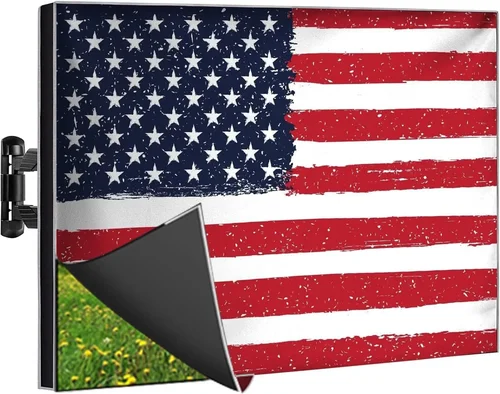
True outdoor TVs are engineered with sealed components, corrosion-resistant materials, and internal climate control systems (like heaters or fans) to prevent condensation and overheating. Brands like SunBriteTV and Seura build their entire product lines around these principles. However, if you’re using an indoor TV outdoors, ensure it’s housed in a certified outdoor enclosure—never just a plastic cover or DIY box. These enclosures often include ventilation, UV protection, and thermal management to extend the TV’s lifespan.
Also, consider mounting hardware. Outdoor-rated brackets should be rust-proof (powder-coated aluminum or stainless steel) and able to withstand wind loads. A small patio may seem sheltered, but gusts can still stress mounts over time.
3. Screen Size & Viewing Distance
On a small patio, space is precious—and so is optimal viewing angle. A TV that’s too large can overwhelm the area, while one that’s too small becomes hard to see from seating positions. As a rule of thumb, your viewing distance (in inches) should be about 1.5 to 2.5 times the diagonal screen size (in inches). For example, if you’re sitting 6 feet (72 inches) away, a 32″ to 48″ TV is ideal.
But don’t forget about mounting height and sightlines. On a compact patio, you might mount the TV higher than usual (e.g., above a grill or on a wall near eye level when seated). Avoid placing it where reflections from windows or water features could interfere. Also, consider whether you’ll be viewing from multiple angles—if so, look for a TV with wide viewing angles (IPS or OLED panels perform better than standard VA panels in this regard).
For ultra-small patios (under 8×8 feet), a 32″ or 40″ model often strikes the best balance between visibility and spatial harmony. Larger screens can work if mounted vertically or used with a swivel arm that tucks away when not in use.
4. Smart Features & Connectivity
Even outdoors, you’ll want access to streaming services, voice control, and app integration. Most modern patio-friendly TVs come with built-in smart platforms like Roku TV, Google TV, or webOS. These allow you to stream Netflix, YouTube, or live sports without needing a separate box—though ensure your Wi-Fi signal reaches your patio reliably. Weak connectivity is a common pitfall; consider a weatherproof Wi-Fi extender or mesh network node near your seating area.
Connectivity ports are equally important. Look for HDMI 2.1 (for future-proofing), USB ports for media playback, and audio outputs if you plan to connect external speakers or a soundbar. Some outdoor TVs include Bluetooth for wireless audio, which is great for private listening with headphones—but remember, Bluetooth range drops significantly through walls or glass doors.
Voice assistants like Alexa or Google Assistant are increasingly standard and useful for hands-free control, especially when your hands are full with drinks or food. Just verify that the microphone array works well in open-air environments (wind can interfere with voice recognition).
5. Audio Quality & Sound Solutions
Most TVs—even high-end ones—have mediocre built-in speakers, and this problem is amplified outdoors where sound dissipates quickly. On a small patio, you might get away with the TV’s audio if it’s close-range and quiet, but for immersive experiences, external audio is almost always necessary.
Consider weather-resistant wireless speakers (like the Bose SoundLink Flex or JBL Charge 5) or a compact outdoor soundbar. Some outdoor TVs come with enhanced audio systems—Seura’s models, for instance, include front-firing speakers tuned for open-air acoustics. Alternatively, run weatherproof speaker wire to passive outdoor speakers mounted discreetly around your patio.
Avoid relying solely on the TV’s internal speakers unless you’re only watching casual content at close range. Poor audio can ruin even the best picture quality.
6. Power Requirements & Energy Efficiency
Outdoor TVs often draw more power due to higher brightness and climate-control features. Check the wattage rating and estimate your energy costs, especially if you plan to use the TV frequently. Look for ENERGY STAR-certified models, which are more efficient without sacrificing performance.
Also, consider how you’ll power the TV. Running an extension cord across your patio is unsafe and unsightly. Ideally, have an outdoor-rated GFCI (Ground Fault Circuit Interrupter) outlet installed by a licensed electrician near your mounting location. This ensures safety and convenience, particularly in wet conditions.
7. Installation & Mounting Flexibility
On a small patio, every inch counts—and so does installation ease. Wall mounts should allow tilt, swivel, or full motion to adjust for sun angle and seating layout. Full-motion arms are especially useful if you want to fold the TV flat against the wall when not in use.
Ensure your wall or structure can support the weight. Outdoor TVs are heavier than indoor equivalents due to reinforced frames and weatherproofing. Concrete, brick, or solid wood studs are best; avoid drywall or thin siding unless reinforced.
If wall mounting isn’t feasible, consider a freestanding outdoor TV cabinet or a weatherproof TV cart with locking wheels. These offer portability and protection but take up floor space—a trade-off on tiny patios.
8. Brand Reputation & Long-Term Support
Not all brands are created equal when it comes to outdoor durability. Established players like SunBriteTV, Seura, and Samsung (with The Terrace line) have proven track records in harsh environments. Lesser-known brands may offer lower prices but often cut corners on sealing, materials, or customer service.
Research warranty terms carefully. A good outdoor TV should come with at least a 2-year warranty, with some premium models offering 3–5 years. Check if the warranty covers outdoor use—some indoor TV warranties void if used outside. Also, verify local service availability; you don’t want to ship a 50-pound TV across the country for repairs.
Different Types of Patio TVs for Small Spaces

Common Buying Mistakes to Avoid

❌ Mistake: Assuming All “Outdoor” TVs Are Created Equal
Why it’s bad: Many retailers label TVs as “outdoor-ready” based solely on brightness, ignoring critical factors like sealing, thermal management, and component durability. An indoor TV with 1,000 nits won’t survive a humid summer if its ports aren’t gasketed or its circuit board isn’t conformal-coated.
What to do instead: Verify IP ratings, check for outdoor-specific certifications (like UL Listed for outdoor use), and read professional reviews that test long-term weather resistance.
❌ Mistake: Overlooking Viewing Angle on Small Patios
Why it’s bad: On a compact patio, viewers often sit off-center or at sharp angles. TVs with narrow viewing angles (common in budget VA panels) wash out in color and contrast when viewed sideways, ruining the experience for guests.
What to do instead: Choose IPS or OLED panels for consistent image quality from any angle. Test the TV in-store by standing to the side—if colors dim significantly, keep looking.
❌ Mistake: Skimping on Audio
Why it’s bad: Outdoor environments lack acoustic reflection, making built-in TV speakers sound tinny and weak. You’ll end up straining to hear dialogue or missing key moments during games or movies.
What to do instead: Budget for a pair of weather-resistant wireless speakers or a compact outdoor soundbar. Even a $150 audio upgrade dramatically improves immersion.
❌ Mistake: Ignoring Power and Cable Management
Why it’s bad: Exposed cords are tripping hazards and can degrade quickly in UV light or rain. DIY cable covers often fail, leading to electrical risks or damaged gear.
What to do instead: Hire an electrician to install a dedicated outdoor outlet and use in-wall rated, UV-resistant conduit for cables. Conceal wires behind trim or use decorative raceways.
❌ Mistake: Buying Based Solely on Screen Size
Why it’s bad: A 65″ TV might look impressive in a showroom, but on a 6-foot-wide patio, it dominates the space and forces uncomfortable viewing distances. You’ll also pay a premium for size without proportional benefit.
What to do instead: Measure your seating distance and use the 1.5–2.5x rule. Prioritize brightness and durability over diagonal inches.
❌ Mistake: Neglecting Return Policies and Warranties
Why it’s bad: Outdoor TVs are complex installations. If the unit fails after mounting, returning it can be costly and logistically difficult—especially if the retailer doesn’t cover outdoor use.
What to do instead: Only buy from retailers with generous return windows (30+ days) and confirm the warranty explicitly covers outdoor installation. Keep all packaging until you’re sure it works.
❌ Mistake: Forgetting About Seasonal Use
Why it’s bad: If you live in a four-season climate, leaving a non-climate-controlled TV outside in winter can cause condensation, freezing, or permanent damage—even if it’s “weatherproof.”
What to do instead: Choose a model with internal heating (like SunBrite’s Veranda series) or plan to store the TV indoors during off-seasons. Alternatively, use a ventilated enclosure that allows seasonal removal.
Budget Guidelines: How Much Should You Spend?
Entry-Level ($500–$1,000): This tier typically includes high-brightness indoor TVs (like certain TCL or Hisense models) paired with basic outdoor enclosures. Best for fully covered patios with minimal sun exposure. Expect decent smart features and 500–700 nits brightness, but limited weatherproofing and shorter lifespans. Ideal for renters or seasonal use.
Mid-Range ($1,000–$2,500): The sweet spot for most small-patio owners. Includes purpose-built shade-optimized TVs (e.g., Samsung The Terrace Partial Sun) or premium indoor models in robust enclosures. You’ll get 1,000+ nits brightness, IP55+ ratings, reliable smart platforms, and better audio. These offer the best balance of performance, durability, and value.
Premium ($2,500–$4,500): For enthusiasts who want all-weather reliability without compromise. Think SunBriteTV Veranda or Seura Outdoor TVs with full IP65 ratings, internal climate control, and commercial-grade components. These handle direct sun, rain, and temperature swings effortlessly. Perfect for uncovered patios or high-humidity regions.
Luxury ($4,500+): Reserved for ultra-durable commercial displays or custom installations with integrated sound, motorized mounts, and designer finishes. Overkill for most residential patios but justified for luxury homes, hotels, or year-round entertainment spaces.
Expert Tips for Getting the Best Deal
1. Shop During Off-Seasons: Demand for outdoor TVs peaks in spring and summer. Buy in late fall or winter (October–February) when retailers discount old inventory. You’ll save 15–30% and avoid installation delays.
2. Compare Total Cost of Ownership: A cheaper TV may cost more long-term if it fails after one season. Factor in expected lifespan, warranty length, and repair costs. A $2,000 TV lasting 5 years is better value than a $1,000 model needing replacement every 2 years.
3. Buy Direct from Manufacturers: Brands like SunBriteTV and Seura often offer exclusive bundles (TV + mount + speakers) at lower prices than third-party retailers. They also provide better technical support.
4. Test Before You Commit: If possible, visit a showroom to view the TV in bright lighting. Bring a sample video (like a sports broadcast or nature documentary) to assess motion handling and color accuracy.
5. Negotiate Installation Packages: Many retailers offer free or discounted installation with purchase—especially during promotions. This saves hundreds versus hiring separately.
6. Check for Rebates and Tax Credits: Some utility companies offer rebates for ENERGY STAR outdoor electronics. In certain states, energy-efficient home upgrades qualify for tax incentives.
7. Read the Fine Print on Warranties: Ensure the warranty covers “outdoor use,” not just “residential use.” Some policies exclude damage from moisture or temperature unless specified.
8. Consider Refurbished or Open-Box Models: Certified refurbished outdoor TVs from reputable sellers often come with full warranties and significant savings (20–40% off). Just verify they’re not previous returns due to defects.

Frequently Asked Questions
Q: Can I use a regular indoor TV on my covered patio?
A: Yes—but only if it’s fully protected from moisture, dust, and temperature extremes. Use a certified outdoor enclosure with proper ventilation and UV shielding. Never place an indoor TV directly outside, even under a roof, unless it’s in a sealed, climate-controlled cabinet.
Q: What’s the difference between “partial sun” and “full sun” outdoor TVs?
A: Partial sun models (like Samsung The Terrace Partial Sun) are designed for shaded or covered areas with indirect light. They typically offer 1,000–1,500 nits brightness. Full sun TVs (e.g., SunBrite Pro Series) handle direct sunlight with 2,500+ nits and enhanced cooling. Using a partial sun TV in full sun will result in a washed-out image.
Q: Do outdoor TVs need special mounts?
A: Absolutely. Standard indoor mounts aren’t rated for outdoor conditions. Use rust-proof, weather-resistant brackets with secure locking mechanisms. Full-motion mounts are recommended for small patios to optimize viewing angles.
Q: How do I protect my patio TV from theft?
A: Use security screws, anchor the mount to structural elements (not just siding), and consider a cable lock or smart security system with motion alerts. Some enclosures include built-in locking doors.
Q: Will my Wi-Fi reach the patio?
A: Not always. Concrete walls, metal roofs, and distance can weaken signals. Test with your phone first. If weak, install a weatherproof Wi-Fi extender or mesh node near the TV.
Q: Can I leave my outdoor TV on all day?
A: Most modern outdoor TVs are designed for extended use, but avoid 24/7 operation unless it’s a commercial-grade model. Give it breaks to prevent overheating, especially in summer.
Q: Are OLED TVs good for patios?
A: OLEDs offer perfect blacks and wide viewing angles but struggle in bright light due to lower peak brightness (typically 800–1,000 nits). They’re best for shaded patios. Also, prolonged static images (like news tickers) can cause burn-in—less ideal for outdoor signage-style use.
Q: What’s the lifespan of an outdoor TV?
A: Quality outdoor TVs last 5–8 years with proper care. Indoor TVs in enclosures may last 3–5 years, depending on climate and enclosure quality. Regular cleaning and seasonal storage (if applicable) extend longevity.
Q: Do I need a surge protector?
A: Yes! Outdoor electronics are vulnerable to lightning-induced power surges. Use a heavy-duty, outdoor-rated surge protector with at least 2,000 joules of protection.
Our Final Recommendations
Best for Budget-Conscious Buyers: TCL 5-Series (43″) + Peerless Outdoor Enclosure
A high-brightness 4K Roku TV (750 nits) in a durable IP54 enclosure. Perfect for covered patios under $1,200 total. Great smart features and easy setup.
Best Overall Value: Samsung The Terrace Partial Sun (55″)
Purpose-built for shaded outdoor spaces with 1,500 nits brightness, IP55 rating, and excellent color accuracy. Includes smart TV platform and sleek design. Priced around $2,200.
Best Premium Option: SunBriteTV Veranda Series (55″)
Fully weatherproof, 2,000-nit brightness, and internal heating for cold climates. Built to last decades. Ideal for uncovered patios in any weather. Starts at $3,500.
Best for Beginners: LG OLED C3 (48″) in a Seura Outdoor Enclosure
Combines stunning picture quality with wide viewing angles in a user-friendly package. Best for screened porches or pergolas. Total cost ~$2,800.
Best for Advanced Users: Commercial-Grade Planar Lux 55″
Designed for 24/7 operation with modular components, remote monitoring, and extreme durability. Overkill for most homes but unmatched for serious outdoor cinemas. $6,000+.
Conclusion: Making the Right Choice
Choosing the right TV for your small patio isn’t just about finding the shiniest screen—it’s about matching technology to your environment, lifestyle, and long-term goals. From battling glare with high-nit brightness to ensuring your investment survives seasons of sun and rain, every decision matters. Remember: a patio TV should enhance your outdoor living, not become a source of frustration or frequent repairs.
Prioritize your must-haves—whether that’s all-weather resilience, smart convenience, or budget-friendly flexibility—and don’t compromise on core specs like brightness and sealing. Use this guide as your roadmap, compare real-world performance over marketing claims, and always plan for installation and audio from day one.
Your perfect patio TV is out there. With the insights from this 2026 buying guide, you’re now equipped to find it—and enjoy countless hours of entertainment under the open sky. Happy viewing!

