

Outdoor living spaces have evolved dramatically over the past decade, and the screened porch has become one of the most coveted extensions of the modern home. Whether you’re sipping morning coffee, hosting weekend barbecues, or unwinding after a long day, your porch is no longer just a transitional space—it’s a full-fledged living area. And just like your indoor rooms, it deserves the right entertainment setup. That’s where an outdoor TV comes in.
But here’s the catch: not all TVs are built to handle the unique challenges of a screened porch. While you might be shielded from direct rain and harsh sunlight, you’re still exposed to humidity, temperature swings, dust, and ambient light that can wash out standard indoor displays. Choosing the right TV for your screened porch isn’t just about picture quality—it’s about durability, visibility, and long-term performance in a semi-outdoor environment. That’s why this guide exists. We’ve tested, researched, and consulted with industry experts to bring you the most comprehensive, up-to-date advice for 2026.
In this guide, you’ll learn everything you need to make an informed decision. From understanding key performance specs like brightness and weather resistance to comparing different types of outdoor TVs, we’ll walk you through every step. We’ll also highlight common pitfalls, break down budget expectations, and share expert tips to help you get the best value. Whether you’re a first-time buyer or upgrading from an older model, this guide will empower you to choose a TV that delivers stunning visuals, stands the test of time, and enhances your outdoor lifestyle.
The market for outdoor TVs has matured significantly in recent years. What was once a niche category dominated by a handful of ruggedized models has now expanded to include smart features, 4K and even 8K resolution, voice control, and sleek designs that blend seamlessly with outdoor décor. Brands like Samsung, LG, Sony, and specialized outdoor manufacturers such as SunBriteTV and Seura have stepped up their game, offering options that cater to a wide range of needs and budgets. With so many choices available, it’s easier than ever to find a TV that fits your porch—but only if you know what to look for.

What to Look for When Buying Buying Guide
1. Brightness & Display Technology
When it comes to outdoor viewing, brightness is king. Standard indoor TVs typically peak at around 300–500 nits of brightness, which is fine for a dimly lit living room but falls flat under even moderate ambient light. On a screened porch, where sunlight filters through screens and windows, you’ll need a display that can fight back with high luminance. Look for TVs rated at 1,000 nits or higher—this is the minimum threshold for comfortable daytime viewing. Premium outdoor models can reach 2,000 nits or more, ensuring crisp, vibrant images even in bright conditions.
But brightness alone isn’t enough. The type of display technology also plays a crucial role. OLED screens offer deep blacks and excellent contrast, but they struggle in bright environments due to lower peak brightness compared to LED/LCD alternatives. QLED and Mini-LED displays, on the other hand, deliver superior brightness and color volume, making them ideal for semi-outdoor spaces. Additionally, consider anti-reflective coatings and matte finishes, which reduce glare from windows or nearby light sources. Some high-end models even feature direct sunlight-readable panels, designed specifically for patios and gazebos.
2. Weather Resistance & Durability
Even though your screened porch offers protection from rain and snow, it’s still considered a “semi-outdoor” environment. That means your TV must withstand humidity, temperature fluctuations, dust, and occasional moisture from sprinklers or high humidity. Standard indoor TVs are not built for this—they lack sealed components and corrosion-resistant materials, which can lead to premature failure.
Look for TVs with an IP55 or higher rating, which indicates protection against dust and water jets. While IP65 is ideal for fully exposed areas, IP55 is generally sufficient for screened porches. Additionally, check for weather-resistant coatings on internal components, rust-proof housings, and ventilation systems that prevent overheating without allowing moisture ingress. Some manufacturers go further by using marine-grade aluminum or powder-coated steel in their enclosures.
Temperature tolerance is another critical factor. Outdoor TVs should operate reliably in temperatures ranging from -22°F to 122°F (-30°C to 50°C). This ensures performance during cold winters and hot summer days. Avoid models that shut down or dim significantly in extreme heat—this is a sign of inadequate thermal management.
3. Screen Size & Viewing Distance
Choosing the right screen size isn’t just about aesthetics—it’s about optimizing your viewing experience. A TV that’s too small will feel underwhelming, while one that’s too large can overwhelm the space and strain your eyes. For most screened porches, 55 to 75 inches is the sweet spot. This range provides an immersive experience without dominating the room.
To determine the ideal size, consider your viewing distance—the space between your seating area and the TV. A general rule of thumb is to multiply your distance (in inches) by 0.84 to get the recommended screen diagonal. For example, if you’re sitting 8 feet (96 inches) away, a 80-inch TV (96 × 0.84 ≈ 80) would be ideal. However, for outdoor settings, you can lean slightly larger due to the increased ambient light and the desire for a more cinematic feel.
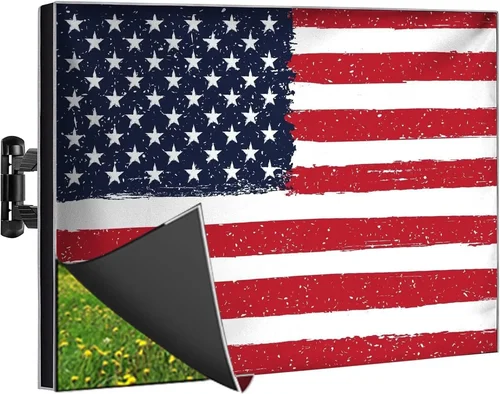
Also, think about placement flexibility. Will the TV be wall-mounted, on a stand, or in a weatherproof enclosure? Wall mounting saves space and reduces clutter, but ensure your wall can support the weight and that cables can be routed discreetly. Some outdoor TVs come with built-in cable management systems or recessed mounting options for a clean look.
4. Smart Features & Connectivity
Modern outdoor TVs are more than just displays—they’re smart entertainment hubs. Look for models with built-in Wi-Fi, streaming apps (like Netflix, YouTube, Disney+, and Amazon Prime Video), and voice control via Alexa, Google Assistant, or Siri. This eliminates the need for external streaming devices and simplifies your setup.
Connectivity is equally important. Ensure the TV has multiple HDMI ports (at least 3–4), USB inputs, Ethernet for stable internet, and Bluetooth for wireless audio. If you plan to connect a soundbar, gaming console, or cable box, having enough ports prevents constant swapping. Some premium models even include wireless screen mirroring (Miracast, AirPlay 2) and HDMI-CEC for seamless control with other devices.
5. Audio Quality & Sound Solutions
Most outdoor TVs have slim designs that limit speaker size and power, resulting in weak, tinny audio. While this might be acceptable for casual viewing, it falls short for movies, sports, or music. Don’t rely solely on the built-in speakers—plan for an external audio solution.
Options include weather-resistant soundbars, outdoor speakers, or wireless Bluetooth speakers placed strategically around the porch. Look for soundbars with IPX5 or higher ratings and dedicated subwoofers for fuller sound. Some TVs support Dolby Atmos or DTS:X, but these require compatible audio systems to shine.
If you’re mounting the TV high on a wall, consider down-firing speakers or angled soundbars to direct audio toward your seating area. Also, check if the TV supports audio output via optical or HDMI ARC, which simplifies connecting external systems.
6. Installation & Mounting Options
Proper installation is crucial for both performance and safety. Outdoor TVs are heavier and more complex than indoor models, so professional installation is often recommended. However, if you’re DIY-inclined, ensure you have the right tools and knowledge.
Look for VESA-compatible mounting (standard sizes like 200×200, 400×400) and full-motion or tilt mounts that allow angle adjustments for optimal viewing. Some models come with built-in mounting kits or recessed enclosures that protect the TV and hide cables.
Consider cable management—exposed wires are not only unsightly but also vulnerable to weather and pests. Use conduit tubing or in-wall cable channels to route power and HDMI cables safely. Also, ensure the TV is mounted at a comfortable height—typically 42 to 48 inches from the floor to the center of the screen—to avoid neck strain.
7. Brand Reputation & Reliability
Not all outdoor TV brands are created equal. While mainstream manufacturers like Samsung and LG offer outdoor-ready models, specialized brands like SunBriteTV, Seura, and Aviditi have decades of experience in ruggedized displays. These companies design their TVs from the ground up for outdoor use, with reinforced components and rigorous testing.
Research customer reviews and professional ratings. Look for brands with a track record of long-term reliability, responsive customer service, and transparent warranty policies. Avoid unknown or budget brands that cut corners on materials and testing—your TV will be exposed to the elements, and failure can be costly.
8. Warranty & Support
Outdoor TVs are a significant investment, so protect it with a strong warranty. Most reputable brands offer 3 to 5 years of coverage, including parts and labor. Some even provide on-site service or loaner units during repairs.
Read the fine print: Does the warranty cover weather-related damage? Is accidental damage included? Are software updates supported long-term? Also, check if the manufacturer offers extended warranties or protection plans for added peace of mind.
Different Types of Buying Guide

Common Buying Mistakes to Avoid
❌ Mistake: Buying a Standard Indoor TV for Outdoor Use
Why it’s bad: Indoor TVs lack weather resistance, have low brightness, and are not designed for temperature extremes. They can overheat, suffer moisture damage, or fail prematurely when exposed to outdoor conditions—even under a screen.
What to do instead: Invest in a TV specifically designed for semi-outdoor use, with high brightness, weather-resistant components, and proper thermal management.
❌ Mistake: Ignoring Brightness Requirements
Why it’s bad: A dim screen will look washed out in daylight, making it hard to see details, especially during sports or action scenes. You’ll end up squinting or only using the TV at night.
What to do instead: Choose a TV with at least 1,000 nits of brightness. For sunny porches, aim for 1,500+ nits and anti-glare coating.
❌ Mistake: Overlooking Audio Needs
Why it’s bad: Built-in speakers on outdoor TVs are often weak and lack bass. Without external audio, your viewing experience will feel incomplete, especially for movies or music.
What to do instead: Pair your TV with a weather-resistant soundbar or outdoor speaker system. Test audio quality before finalizing your setup.
❌ Mistake: Skimping on Installation
Why it’s bad: Improper mounting can lead to instability, cable damage, or even TV failure. DIY mistakes can void warranties and create safety hazards.
What to do instead: Hire a certified installer or follow the manufacturer’s guidelines precisely. Use proper mounts and cable management solutions.
❌ Mistake: Not Checking Wi-Fi Signal Strength
Why it’s bad: Weak Wi-Fi causes buffering, slow app loading, and unreliable streaming—frustrating during live sports or movie nights.
What to do instead: Test your signal with a smartphone or Wi-Fi analyzer app. Use a mesh extender or run an Ethernet cable for a stable connection.
❌ Mistake: Choosing the Wrong Size
Why it’s bad: A TV that’s too small feels underwhelming; one that’s too large overwhelms the space and strains your eyes. Both lead to dissatisfaction.
What to do instead: Calculate the ideal size based on viewing distance. Use online calculators or the 0.84 rule for guidance.
❌ Mistake: Neglecting Warranty and Support
Why it’s bad: Outdoor TVs are expensive. Without a solid warranty, repairs or replacements can cost hundreds or thousands.
What to do instead: Choose brands with at least 3 years of coverage, including weather damage. Register your product immediately.
Budget Guidelines: How Much Should You Spend?
– Entry-Level ($800 – $1,500): These are typically indoor TVs placed in weatherproof enclosures. They offer basic 4K resolution and smart features but lack high brightness and full weather resistance. Best for shaded porches with minimal exposure.
– Mid-Range ($1,500 – $3,000): This is the sweet spot for most screened porch owners. You’ll find dedicated semi-outdoor TVs with 1,000–1,500 nits brightness, IP55 ratings, and robust smart platforms. Models from SunBriteTV and Seura fall here.
– Premium ($3,000 – $5,000): For enthusiasts who want the best. These TVs feature 1,500+ nits, Mini-LED or QLED panels, advanced anti-glare tech, and premium audio. Ideal for sunny porches and high-end outdoor living.
– Luxury ($5,000+): Top-tier all-weather or commercial-grade displays with 2,000+ nits, IP65+ ratings, and 24/7 operation capability. Designed for extreme conditions and professional use.
Expert Tips for Getting the Best Deal
– Buy During Off-Seasons: Prices drop in late fall and winter when demand is low. Look for holiday sales (Black Friday, Cyber Monday) or end-of-year clearance events.
– Compare Retailers: Check prices at Best Buy, Amazon, Crutchfield, and specialty outdoor electronics stores. Some offer price matching or free installation.
– Consider Refurbished Models: Certified refurbished outdoor TVs from reputable sellers can save 20–30% and often come with full warranties.
– Bundle with Accessories: Some retailers offer discounts when you buy a TV, mount, and soundbar together.
– Read Return Policies: Ensure you can return or exchange the TV if it doesn’t perform as expected. Outdoor conditions vary—what works in one home may not in another.
– Test Before Committing: If possible, visit a showroom to see the TV in bright lighting. Compare brightness, color accuracy, and viewing angles.
– Negotiate Installation: Some installers offer package deals or discounts for first-time customers. Don’t hesitate to ask.
– Check for Rebates: Utility companies or manufacturers occasionally offer rebates for energy-efficient outdoor electronics.

Frequently Asked Questions
Q: Can I use a regular TV on my screened porch?
A: Technically yes, but it’s not recommended. Standard TVs lack weather resistance and high brightness, leading to poor performance and potential damage. For best results, use a semi-outdoor model or place an indoor TV in a certified weatherproof enclosure.
Q: How bright should my outdoor TV be?
A: Aim for at least 1,000 nits for shaded porches and 1,500+ nits for areas with direct sunlight. Higher brightness ensures visibility and color accuracy in ambient light.
Q: Do outdoor TVs need special mounts?
A: Yes. Use VESA-compatible mounts rated for the TV’s weight and size. Full-motion or tilt mounts are ideal for adjusting viewing angles. Ensure the mount is weather-resistant if exposed.
Q: Can I leave my outdoor TV on all the time?
A: Most semi-outdoor TVs are designed for intermittent use. For 24/7 operation, choose a commercial-grade model with continuous-duty ratings.
Q: How do I protect my TV from humidity?
A: Choose a TV with an IP55 or higher rating, sealed components, and proper ventilation. Avoid placing it near sprinklers or in areas with standing water.
Q: Will my Wi-Fi work on the porch?
A: It depends on your router’s range and obstacles. Test the signal strength. If weak, use a mesh extender or run an Ethernet cable for a stable connection.
Q: Can I use voice control outdoors?
A: Yes, if the TV supports Alexa, Google Assistant, or Siri. However, background noise (wind, birds) may affect accuracy. Consider using a remote or smartphone app as backup.
Q: How long do outdoor TVs last?
A: With proper care, a quality outdoor TV can last 7–10 years or more. Regular cleaning, firmware updates, and avoiding extreme conditions extend lifespan.
Q: Are outdoor TVs energy efficient?
A: Many modern models are ENERGY STAR certified and use LED backlighting, which consumes less power than older technologies. Check the energy rating before buying.
Q: Can I stream 4K content outdoors?
A: Absolutely. Most outdoor TVs support 4K streaming via apps like Netflix and YouTube. Ensure your internet speed is at least 25 Mbps for smooth playback.
Our Final Recommendations
– Best for Budget-Conscious Buyers: SunBriteTV Veranda Series 55″ – Offers excellent brightness (1,000 nits), IP55 rating, and smart features at a competitive price (~$1,800).
– Best Overall Value: Seura Outdoor 65″ 4K Smart TV – Combines 1,200 nits brightness, weather resistance, and a sleek design. Ideal for most screened porches (~$2,500).
– Best Premium Option: SunBriteTV Pro Series 75″ with Mini-LED – Delivers 2,000 nits, anti-glare coating, and commercial-grade durability. Perfect for sunny, high-traffic areas (~$4,200).
– Best for Beginners: LG OLED G3 in Seura Outdoor Enclosure – Pair a high-quality indoor OLED with a custom weatherproof case for stunning picture quality and protection (~$3,000 total).
– Best for Advanced Users: Aviditi A-Series 86″ Commercial Display – Built for 24/7 use, extreme brightness, and professional installations. Ideal for luxury outdoor theaters (~$7,500).
Conclusion: Making the Right Choice
Choosing the right TV for your screened porch is about more than just picture quality—it’s about creating a reliable, enjoyable outdoor entertainment experience that lasts for years. By focusing on brightness, weather resistance, smart features, and proper installation, you can avoid common pitfalls and find a model that fits your space, lifestyle, and budget.
Remember, your porch is an extension of your home. It deserves a TV that performs as beautifully outdoors as it does indoors. Don’t settle for compromises. Invest in a display that delivers vibrant visuals, withstands the elements, and enhances every moment—from morning coffee to movie nights under the stars.
Take the time to assess your needs, compare options, and consult with experts if needed. With the insights from this guide, you’re now equipped to make a confident, informed decision. Your perfect outdoor TV is out there—go find it, and start enjoying your porch like never before.

