
When it comes to transforming your backyard into a true outdoor oasis, few upgrades deliver the same level of comfort and entertainment as a poolside TV for your covered patio. Whether you’re hosting summer barbecues, relaxing with a book by the water, or keeping an eye on the kids while they splash around, having a reliable television within view can elevate your outdoor living experience to new heights. But choosing the right TV for this unique environment isn’t as simple as grabbing the biggest screen you can find. The combination of humidity, temperature fluctuations, glare from sunlight, and proximity to water creates a demanding set of conditions that most standard indoor TVs simply aren’t built to handle.
That’s where this comprehensive buying guide comes in. Whether you’re a first-time buyer or looking to upgrade from a previous outdoor setup, we’ve done the research so you don’t have to. In this guide, we’ll walk you through everything you need to know—from understanding the critical differences between indoor and outdoor TVs to evaluating key performance specs, durability features, and smart functionality. We’ll also compare different types of outdoor TVs, highlight common pitfalls to avoid, break down budget expectations, and share expert tips to help you get the best value for your investment. By the end, you’ll be equipped with the knowledge to confidently select a poolside TV that delivers stunning picture quality, stands up to the elements, and enhances your outdoor lifestyle for years to come.
The market for outdoor televisions has evolved significantly in recent years. What was once a niche category dominated by bulky, expensive all-weather enclosures now includes sleek, purpose-built outdoor TVs from major brands like Samsung, LG, Sony, and specialized manufacturers such as SunBriteTV and Seura. These models are engineered specifically for outdoor use, offering enhanced brightness, weather resistance, and thermal management. At the same time, advances in display technology—like OLED, QLED, and mini-LED—have made their way into outdoor-ready designs, giving consumers more choices than ever. With prices ranging from under $1,000 to well over $5,000, there’s an option for nearly every budget and use case. This guide will help you navigate that landscape with clarity and confidence.

What to Look for When Buying Buying Guide
1. Weather Resistance & IP Rating
One of the most critical factors when selecting a poolside TV is its ability to withstand outdoor conditions. Unlike indoor TVs, which operate in climate-controlled environments, outdoor models must endure humidity, rain, dust, and even occasional splashes—especially near pools. Look for TVs with a high Ingress Protection (IP) rating, which indicates how well the device resists solids and liquids. For covered patios, an IP55 or higher rating is ideal; this means the TV is protected against low-pressure water jets from any direction and limited dust ingress. Some premium models go even further with IP65 or IP66 ratings, offering full protection against dust and powerful water jets—perfect if your patio is only partially covered or exposed to wind-driven rain.
2. Brightness & Anti-Glare Performance
Outdoor viewing presents a unique challenge: ambient light. Sunlight reflecting off water, white patio furniture, or light-colored walls can wash out even the brightest indoor screens. To combat this, outdoor TVs feature significantly higher peak brightness—typically measured in nits—than their indoor counterparts. For a covered patio with partial sun exposure, aim for a minimum of 700 nits, but ideally 1,000 nits or more. High-brightness panels ensure colors remain vibrant and details stay visible even in bright daylight. Additionally, look for anti-reflective coatings or matte finishes that reduce glare without sacrificing image quality. Some models also include ambient light sensors that automatically adjust brightness based on surrounding conditions, optimizing both visibility and energy efficiency.
3. Display Technology: OLED vs. QLED vs. LED
The type of display panel used in your outdoor TV directly impacts picture quality, viewing angles, and durability. LED/LCD TVs are the most common and affordable option, offering good brightness and color accuracy. However, standard LED panels may struggle with black levels and contrast in bright environments. QLED (Quantum Dot LED) TVs improve on this with enhanced color volume and brightness, making them excellent for sunny patios. They’re also more resistant to burn-in than OLEDs, which is important for static content like news tickers or sports scores. OLED TVs deliver perfect blacks and infinite contrast, but their organic compounds can degrade faster under constant high brightness—a concern for all-day outdoor use. For most poolside applications, QLED or high-end LED with local dimming strikes the best balance between performance and longevity.
4. Thermal Management & Cooling Systems
Outdoor TVs generate heat just like indoor models, but without proper ventilation, that heat can build up quickly—especially in enclosed cabinets or under direct sun exposure, even on covered patios. Overheating can cause premature component failure, color shifts, or even permanent damage. Quality outdoor TVs incorporate advanced thermal management systems, including passive heat sinks, active cooling fans (quietly engineered to avoid noise disruption), and sealed internal compartments that prevent dust and moisture from interfering with airflow. Look for models with thermal sensors that throttle brightness or shut down safely if temperatures exceed safe limits. This feature is especially important in warmer climates or during extended summer viewing sessions.
5. Smart Features & Connectivity
Today’s outdoor TVs aren’t just about surviving the elements—they’re also packed with smart functionality. Most come equipped with built-in Wi-Fi, Bluetooth, and popular streaming platforms like Netflix, YouTube, Disney+, and Amazon Prime Video. Voice control via Alexa, Google Assistant, or Siri is increasingly common, allowing you to change channels or search content without reaching for a remote. HDMI ports (preferably HDMI 2.1 for future-proofing), USB inputs, and optical audio outputs ensure compatibility with soundbars, gaming consoles, or cable boxes. Some models even support wireless screen mirroring from smartphones or tablets. When evaluating smart features, consider ease of use: a cluttered interface or slow response time can ruin the relaxing vibe of your outdoor space.
6. Mounting Options & Installation Flexibility
How and where you mount your TV affects both aesthetics and functionality. Covered patios often have limited wall space, so consider the TV’s depth and weight—especially if you’re mounting it on a post, ceiling, or retractable arm. Many outdoor TVs are designed to work with standard VESA mounting patterns (e.g., 200×200, 400×400), but always verify compatibility with your chosen bracket. Tilt and swivel mounts allow you to adjust the viewing angle to minimize glare from the sun or water reflections. For added convenience, some systems offer motorized mounts that retract the TV into a weatherproof cabinet when not in use—ideal for preserving the TV and maintaining a clean look. Professional installation is recommended for complex setups, especially if running cables through walls or under decking.
7. Audio Quality & Sound Solutions
While picture quality gets most of the attention, sound is equally important for an immersive outdoor experience. Unfortunately, many outdoor TVs have limited built-in speakers due to space and weatherproofing constraints. The audio output is often tinny or lacks bass, making dialogue hard to hear over pool pumps, splashing, or ambient noise. To solve this, consider pairing your TV with a weather-resistant soundbar or outdoor speaker system. Look for models with dedicated outdoor audio zones, wireless connectivity, and robust drivers that can fill your patio space without distortion. Some premium outdoor TVs include enhanced audio processing or support for Dolby Atmos, but for serious sound, external speakers are almost always necessary.
8. Brand Reputation & Customer Support
Not all outdoor TV brands are created equal. Established names like Samsung, LG, and Sony bring reliability, extensive service networks, and proven track records. However, specialized outdoor brands like SunBriteTV (now part of SnapAV) and Seura offer purpose-built designs with superior weatherproofing and brightness tailored specifically for outdoor use. When researching brands, pay attention to customer reviews, warranty terms, and availability of replacement parts. A reputable manufacturer will provide clear documentation on installation guidelines, environmental tolerances, and troubleshooting steps. Avoid unknown or off-brand models that may cut corners on materials or lack long-term support—your TV should last at least 5–7 years with proper care.
Different Types of Buying Guide

Common Buying Mistakes to Avoid
❌ Mistake: Using a Standard Indoor TV Outdoors
Why it’s bad: Indoor TVs lack weatherproofing, have lower brightness, and aren’t designed to handle humidity or temperature swings. Placing one outside—even under cover—can lead to condensation buildup, corrosion, screen burn-in, or complete failure within months.
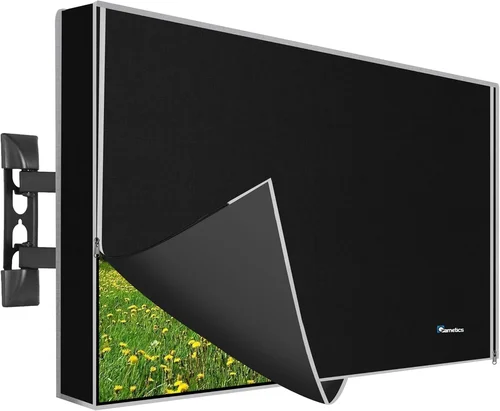
What to do instead: Invest in a TV specifically rated for outdoor use or pair an indoor model with a certified outdoor enclosure. Never compromise on weather resistance, even if your patio seems “protected.”
❌ Mistake: Ignoring Brightness Requirements
Why it’s bad: A TV with only 300–400 nits will appear dim and washed out in daylight, especially near reflective surfaces like water or light stone. You’ll end up squinting or only watching at night, defeating the purpose of an outdoor setup.
What to do instead: Prioritize models with at least 700 nits, but aim for 1,000+ nits for optimal daytime viewing. Check real-world reviews that mention brightness performance in outdoor settings.
❌ Mistake: Overlooking Audio Needs
Why it’s bad: Most outdoor TVs have weak built-in speakers that can’t compete with ambient noise from pools, wind, or distant traffic. Poor audio ruins movies, sports, and music experiences.
What to do instead: Budget for a weather-resistant soundbar or wireless outdoor speaker system from the start. Look for models with dedicated outdoor audio profiles or multi-room sync capabilities.
❌ Mistake: Skimping on Mounting Hardware
Why it’s bad: Using indoor mounts or flimsy brackets can result in sagging, vibration, or even the TV falling—posing a safety hazard and damaging the unit.
What to do instead: Use heavy-duty, corrosion-resistant mounts rated for outdoor use. Stainless steel or powder-coated aluminum brackets are ideal. Consider professional installation for complex setups.
❌ Mistake: Not Planning for Cable Management
Why it’s bad: Exposed wires are unsightly, vulnerable to weather, and can become tripping hazards. Running cables through walls or under decking requires foresight.
What to do instead: Plan your cable routes before mounting. Use waterproof conduit, grommets, or in-wall rated HDMI cables. Label everything for easy troubleshooting later.
❌ Mistake: Buying Based Solely on Screen Size
Why it’s bad: A massive 75-inch TV might look impressive, but if it’s too bright, too dim, or poorly positioned, it won’t enhance your experience. Size should match viewing distance and ambient conditions.
What to do instead: Use a viewing distance calculator (typically 1.5 to 2.5 times the screen diagonal). For most patios, 55–65 inches is ideal. Prioritize picture quality and durability over sheer size.
❌ Mistake: Ignoring Warranty and Support
Why it’s bad: Outdoor TVs are expensive investments. If something goes wrong and the manufacturer offers limited coverage or no local service, you could be stuck with a costly repair or replacement.
What to do instead: Choose brands with at least a 2–3 year warranty and accessible customer support. Read the fine print—some warranties void coverage if installed incorrectly or used in unsupported environments.
Budget Guidelines: How Much Should You Spend?
Entry-Level ($800–$1,500): This tier includes basic outdoor enclosures paired with mid-range indoor TVs or smaller all-weather models. Expect decent brightness (500–700 nits), limited smart features, and shorter warranties. Ideal for covered patios with minimal sun exposure and occasional use. Brands like Element and some generic enclosures fall here.
Mid-Range ($1,500–$3,000): The sweet spot for most homeowners. These TVs offer 700–1,200 nits brightness, robust weatherproofing (IP55+), reliable smart platforms, and better audio. Models from SunBriteTV’s Veranda series or Samsung’s outdoor-ready QLEDs fit here. You’ll get 5+ years of dependable performance with proper care.
Premium ($3,000–$5,000): Designed for enthusiasts and those who entertain frequently. Expect 1,200+ nits, OLED or advanced QLED panels, premium build quality, integrated cooling, and top-tier smart features. Brands like Seura and high-end SunBriteTV models dominate this space. Often include extended warranties and professional installation support.
Luxury ($5,000+): For those who want the absolute best. These include retractable systems, ultra-bright commercial-grade displays, custom integration, and concierge-level support. Perfect for luxury homes, resorts, or tech-savvy buyers who demand flawless performance and aesthetics. Think motorized lifts, 4K HDR at 2,000 nits, and seamless smart home integration.
Expert Tips for Getting the Best Deal
- Shop During Off-Season: Prices on outdoor TVs drop significantly in fall and winter (October–February) when demand is low. Retailers often clear inventory before new models arrive in spring.
- Bundle with Accessories: Some dealers offer discounts when you purchase a TV, mount, and sound system together. Ask about package deals—they can save you 10–20%.
- Consider Refurbished Models: Certified refurbished outdoor TVs from reputable sellers come with warranties and can cost 20–30% less than new units. Just ensure they’re from the original manufacturer, not third-party resellers.
- Check Local Installers: Many AV specialists offer TV + installation packages at competitive rates. They may also have access to dealer-only pricing or discontinued models.
- Read Real User Reviews: Look beyond star ratings. Search for reviews that mention long-term durability, brightness in daylight, and customer service experiences. YouTube unboxings and outdoor setup videos are especially helpful.
- Verify Return Policies: Outdoor TVs are bulky and expensive to return. Ensure the retailer offers at least a 30-day return window and covers return shipping for defective units.
- Test Before Committing: If possible, visit a showroom or friend’s setup to see how the TV performs in similar lighting conditions. Pay attention to glare, color accuracy, and menu responsiveness.
- Factor in Long-Term Costs: Cheaper models may save money upfront but cost more in repairs or early replacement. Calculate total cost of ownership over 5–7 years, including potential service calls.
Frequently Asked Questions
Q: Can I use a regular TV under my covered patio?
A: Technically yes, but it’s not recommended unless you use a certified outdoor enclosure. Even covered patios experience humidity, temperature changes, and occasional splashes. An indoor TV alone won’t last long and may void its warranty if used outdoors.
Q: Do outdoor TVs need special power outlets?
A: No, most outdoor TVs use standard 120V outlets. However, ensure your outlet is GFCI-protected (required near water sources) and consider a surge protector to guard against power fluctuations.
Q: How do I clean my outdoor TV screen?
A: Use a microfiber cloth slightly dampened with water or a screen-safe cleaner. Never spray liquid directly on the screen. Avoid ammonia-based cleaners, which can damage anti-reflective coatings.
Q: Will my outdoor TV work in winter?
A: Most outdoor TVs operate safely in temperatures from -22°F to 122°F (-30°C to 50°C). However, extreme cold can temporarily reduce brightness. Store remotes indoors to preserve battery life.
Q: Can I stream content without Wi-Fi?
A: Yes, via HDMI-connected devices like Roku, Apple TV, or gaming consoles. Some models also support USB media playback, though streaming performance depends on local network strength.
Q: Are outdoor TVs energy efficient?
A: Modern outdoor TVs are surprisingly efficient, especially QLED and LED models. Look for ENERGY STAR certification. Brightness settings also impact power use—lower brightness when possible saves energy.
Q: How long do outdoor TVs typically last?
A: With proper installation and maintenance, quality outdoor TVs last 5–8 years. Factors like climate, usage frequency, and build quality play major roles. Regular cleaning and avoiding extreme conditions extend lifespan.
Q: Can I mount my outdoor TV on a ceiling or post?
A: Absolutely. Many outdoor TVs support ceiling mounts or post brackets. Ensure the mounting hardware is rated for the TV’s weight and designed for outdoor use. Consult the manual for VESA compatibility.
Q: Do I need a permit to install an outdoor TV?
A: Usually not for residential patios, but check local codes if running electrical wiring through walls or modifying structures. HOA rules may also apply—review guidelines before installation.
Q: What’s the difference between partial shade and full shade ratings?
A: “Partial shade” TVs are designed for areas with some direct sunlight (like a covered patio with open sides), while “full shade” models are for fully enclosed spaces. Using a partial-shade TV in full sun may result in poor visibility.
Our Final Recommendations
Best for Budget-Conscious Buyers: SunBriteTV Veranda Series 55-inch – Offers excellent weatherproofing, 700-nit brightness, and reliable smart features under $2,000. Perfect for covered patios with moderate sun exposure.
Best Overall Value: Samsung The Terrace 65-inch QLED – Combines stunning picture quality, 1,500-nit brightness, and robust build at a mid-range price. Ideal for entertaining and daily use.
Best Premium Option: Seura Shadow 75-inch Ultra Bright – Delivers 2,000+ nits, cinematic contrast, and elegant design. Built for luxury outdoor living with unmatched durability.
Best for Beginners: Element 50-inch Outdoor TV + Enclosure Kit – Affordable, easy to install, and great for first-time buyers. Includes everything needed for a basic setup.
Best for Advanced Users: SunBriteTV Pro Series with Motorized Lift – For tech enthusiasts who want seamless integration, 4K HDR, and automated concealment. A true showpiece for high-end homes.
Conclusion: Making the Right Choice
Choosing the right poolside TV for your covered patio is about more than just picking a screen—it’s about enhancing your outdoor lifestyle with technology that’s built to last. From weather resistance and brightness to smart features and audio quality, every detail matters when you’re investing in a centerpiece for relaxation and entertainment. By prioritizing your specific needs—whether that’s budget, viewing conditions, or aesthetic preferences—you can find a TV that delivers years of enjoyment without constant worry or maintenance.
Remember, the best outdoor TV isn’t necessarily the biggest or most expensive—it’s the one that fits your space, withstands your environment, and brings you joy every time you press play. Use this guide as your roadmap, avoid common pitfalls, and don’t hesitate to consult professionals for installation or advice. With the right preparation, your covered patio can become the ultimate destination for movie nights, game days, and quiet evenings by the water. So go ahead—make the leap, upgrade your outdoor experience, and enjoy the perfect blend of comfort, convenience, and cutting-edge technology right in your own backyard.

