
Choosing the right TV for a large patio is more than just picking the biggest screen you can find. Outdoor environments present unique challenges—harsh sunlight, temperature swings, humidity, dust, and even wildlife—that indoor TVs simply aren’t built to handle. A standard television left outside will quickly degrade, suffer image washout in daylight, or worse, become a safety hazard due to weather exposure. That’s why investing in a purpose-built outdoor TV isn’t just a luxury; it’s a necessity for anyone serious about creating a functional, long-lasting outdoor entertainment space.
This comprehensive guide is designed to help you navigate the often-confusing world of outdoor televisions with confidence. Whether you’re setting up a backyard movie night under the stars, hosting summer barbecues with live sports streaming, or transforming your covered deck into an alfresco living room, we’ll walk you through every critical decision point. From understanding weatherproof ratings and brightness requirements to comparing mounting options and smart features, you’ll learn exactly what to look for—and what to avoid—when selecting the perfect patio TV for your space.
The outdoor TV market has evolved dramatically in recent years. What was once a niche category dominated by a handful of ruggedized models has now expanded into a diverse ecosystem of options ranging from budget-friendly semi-outdoor displays to ultra-premium, full-weatherproof smart TVs with built-in heaters and anti-glare coatings. Brands like SunBriteTV, Samsung (with its Terrace series), LG, and even newer entrants like Seura and Avid Power are pushing the boundaries of what’s possible in outdoor viewing. With so many choices, it’s easy to feel overwhelmed—but armed with the right knowledge, you can make a smart, future-proof investment that delivers stunning picture quality year-round, rain or shine.
What to Look for When Buying Buying Guide
1. Weather Resistance & IP Rating
Outdoor TVs must withstand rain, snow, dust, and extreme temperatures—conditions that would instantly destroy a typical indoor model. The first thing to check is the TV’s Ingress Protection (IP) rating, which indicates how well it resists solids (like dust) and liquids (like rain). For full outdoor use, look for an IP55 rating or higher. IP55 means the TV is protected against low-pressure water jets from any direction and limited dust ingress. Some premium models boast IP65 or even IP66 ratings, offering near-total protection against dust and powerful water jets.
Beyond the IP rating, consider whether the TV is designed for “full sun,” “partial sun,” or “shade-only” installation. Full-sun models are built with enhanced cooling systems and reinforced seals to handle direct sunlight and heat buildup, while shade-only units are more affordable but must be installed under a roof or pergola. Always verify the manufacturer’s specified operating temperature range—most quality outdoor TVs function reliably between -22°F and 122°F (-30°C to 50°C).
2. Brightness & Anti-Glare Technology
Sunlight is the enemy of screen visibility. Even the best indoor TVs struggle to remain visible in bright daylight, but outdoor models are engineered with significantly higher brightness levels—measured in nits—to combat glare. For a large patio exposed to direct sun, aim for a minimum of 700 nits, but ideally 1,000 nits or more. Premium outdoor TVs often exceed 2,500 nits, ensuring crisp, vibrant images even at noon.
Equally important is anti-reflective coating and optical bonding. Optical bonding involves fusing the LCD panel directly to the protective glass front, eliminating air gaps that cause internal reflections. This dramatically improves contrast and reduces glare. Look for terms like “direct-lit LED backlighting,” “high-brightness panel,” or “sunlight-readable display” in product descriptions. Without these features, your TV may look washed out or nearly invisible during daytime use.
3. Screen Size & Viewing Distance
For a large patio, screen size matters—but bigger isn’t always better if it compromises image quality or overwhelms the space. A good rule of thumb is to sit at a distance equal to 1.5 to 2.5 times the diagonal screen size for optimal immersion. So, for a 65-inch TV, ideal seating is between 8 and 14 feet away. On a spacious patio, you might comfortably accommodate a 75-inch or even 85-inch model, especially if you have multiple seating zones.
However, don’t sacrifice brightness or weather resistance just to get a larger screen. A dim 85-inch TV will look worse than a bright 65-inch one in daylight. Also consider viewing angles: if your patio has seating spread across a wide arc, choose a TV with wide viewing angles (IPS panels typically offer better off-axis color accuracy than VA panels). Finally, measure your mounting area carefully—outdoor TVs are often heavier and bulkier than indoor equivalents due to their reinforced enclosures.
4. Build Quality & Durability
Outdoor TVs aren’t just sealed—they’re overbuilt. High-quality models feature powder-coated aluminum chassis, stainless steel hardware, and sealed cable ports to prevent corrosion. The internal components are often conformal-coated to resist moisture and oxidation. Cheaper “outdoor-ready” TVs may use plastic housings or inadequate sealing, which can lead to premature failure.
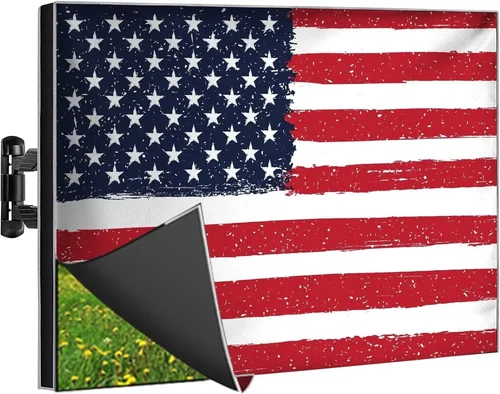
Pay attention to the warranty period and coverage. Reputable brands typically offer 2–3 years of comprehensive protection, including labor and parts. Some even provide on-site service. Avoid models with only a 1-year warranty unless they’re clearly labeled as “semi-outdoor” or intended for fully covered areas. Also, check if the TV includes a protective cover or if one is sold separately—many homeowners invest in custom-fit covers for added protection during off-seasons.
5. Smart Features & Connectivity
Just because it’s outdoors doesn’t mean you should sacrifice smart functionality. Most modern outdoor TVs run full operating systems like Android TV, webOS (LG), or Tizen (Samsung), giving you access to Netflix, YouTube, Disney+, and voice assistants like Google Assistant or Alexa. This eliminates the need for external streaming devices and simplifies control.
Ensure the TV has sufficient HDMI ports (at least 3–4), USB inputs, and robust Wi-Fi (preferably dual-band 2.4GHz/5GHz). For large patios, consider models with Bluetooth for wireless audio to outdoor speakers. Some premium units even include built-in speakers tuned for open-air acoustics, though most audiophones prefer connecting to a separate soundbar or outdoor audio system. Avoid TVs that rely solely on proprietary apps or lack regular firmware updates—these can become obsolete quickly.
6. Mounting & Installation Flexibility
Proper mounting is crucial for both performance and safety. Outdoor TVs require heavy-duty, weatherproof mounts rated for the TV’s weight and wind load. Tilt, full-motion, and ceiling mounts are all viable depending on your setup. For large patios with variable seating, a full-motion articulating arm allows you to adjust the screen angle for optimal viewing from different spots.
Consider whether the TV supports VESA mounting standards (most do) and if the included mounting hardware is stainless steel. If you’re installing on a brick wall or concrete pillar, you’ll need appropriate anchors. Professional installation is highly recommended—not only for safety but also to ensure proper cable management and weather sealing around wall penetrations. DIY installations can void warranties if not done correctly.
7. Energy Efficiency & Operating Costs
Outdoor TVs tend to consume more power than indoor models due to their high-brightness backlights and internal cooling systems. While this won’t drastically impact your electricity bill for occasional use, it’s worth considering if you plan to leave the TV on for hours daily. Look for ENERGY STAR certification or models with automatic brightness adjustment based on ambient light—this can reduce power consumption by up to 30%.
Also factor in long-term costs: a cheaper TV may save you $200 upfront but cost more in repairs or replacement if it fails after 18 months. Premium outdoor TVs are built to last 7–10 years with proper care, making them a better value over time. Some models even include sleep timers or motion sensors to turn off the display when no one is present.
8. Brand Reputation & Customer Support
Not all outdoor TV brands are created equal. Established players like SunBriteTV (a leader since 2004), Samsung (Terrace series), and LG have proven track records, extensive dealer networks, and responsive customer service. Newer or lesser-known brands may offer tempting prices but often lack reliable support or spare parts availability.
Read verified owner reviews on retailer sites and forums like AVS Forum or Reddit’s r/outdoortv. Pay attention to comments about reliability after 1–2 years of use, not just initial impressions. A brand that offers live chat support, detailed installation guides, and regional service centers demonstrates commitment to customer satisfaction. Avoid “white-label” TVs sold under generic brand names with no service history.
Different Types of Buying Guide

Common Buying Mistakes to Avoid
❌ Mistake: Using an Indoor TV Outdoors
Why it’s bad: Indoor TVs lack weatherproofing, have low brightness, and aren’t designed for temperature extremes. Exposure to moisture can cause electrical shorts, while heat buildup can warp internal components. Most warranties are voided if used outside.
What to do instead: Invest in a purpose-built outdoor TV or use a certified outdoor enclosure if your space is fully covered and shaded. Never assume “it’ll be fine under the awning”—morning dew or wind-driven rain can still reach the screen.
❌ Mistake: Ignoring Brightness Requirements
Why it’s bad: A TV with insufficient brightness will appear dim and washed out in daylight, ruining the viewing experience. Many buyers regret choosing a model with only 500 nits for a sunny patio.
What to do instead: Match brightness to your environment: 700+ nits for shade, 1,500+ nits for partial sun, and 2,500+ nits for full sun. Check real-world reviews that mention daytime visibility.
❌ Mistake: Overlooking Mounting Requirements
Why it’s bad: Standard indoor mounts aren’t rated for outdoor conditions or the weight of ruggedized TVs. Improper mounting can lead to falls, damage, or injury.
What to do instead: Use a weatherproof, corrosion-resistant mount specifically rated for your TV’s size and weight. Consult a professional installer if unsure about wall structure or cable routing.
❌ Mistake: Skimping on Warranty & Support
Why it’s bad: Outdoor TVs are complex systems. Without reliable support, a malfunction could leave you without a working display for weeks.
What to do instead: Choose brands with strong service networks and at least a 2-year comprehensive warranty. Avoid gray-market imports with no local support.
❌ Mistake: Forgetting About Audio
Why it’s bad: Built-in TV speakers are often muffled by the outdoor enclosure and struggle to compete with ambient noise like wind or traffic.
What to do instead: Plan for external audio from day one. Invest in weatherproof speakers or a soundbar designed for outdoor use. Many outdoor TVs include optical audio outputs for easy connection.
❌ Mistake: Not Planning for Cable Management
Why it’s bad: Exposed cables are unsightly, vulnerable to weather, and can become tripping hazards.
What to do instead: Use waterproof conduit or in-wall cable channels. Ensure all connections are sealed with silicone or grommets rated for outdoor use.
Budget Guidelines: How Much Should You Spend?
- Entry-Level ($800 – $1,500): Best for fully covered patios with minimal sun exposure. Options include indoor TVs in outdoor enclosures or basic partial-sun models with 700–1,000 nits brightness. Expect limited smart features and shorter warranties (1–2 years). Ideal for occasional use.
- Mid-Range ($1,500 – $3,500): The sweet spot for most homeowners. These TVs offer full weatherproofing (IP55+), 1,000–2,000 nits brightness, robust smart platforms, and 2–3 year warranties. Great for large patios with mixed sun/shade conditions. Brands like SunBriteTV Veranda and Samsung Terrace (smaller sizes) fall here.
- Premium ($3,500 – $6,000): Designed for full-sun exposure and heavy daily use. Features include 2,500+ nits brightness, optical bonding, advanced cooling, and commercial-grade durability. Often include premium audio and extended support. Perfect for expansive, uncovered patios or high-end outdoor kitchens.
- Luxury ($6,000+): Top-tier models with 85-inch+ screens, 24/7 operation capability, integrated heating/cooling, and enterprise-level management. Intended for luxury homes, resorts, or commercial installations. Expect concierge-level service and custom integration options.
Expert Tips for Getting the Best Deal
- Buy during off-season: Prices drop significantly in late fall and winter (October–February) when demand is lowest. Many retailers clear inventory before spring.
- Shop authorized dealers: Avoid third-party sellers on Amazon or eBay unless they’re certified. Unauthorized resellers may sell refurbished units as new or void warranties.
- Bundle with installation: Some dealers offer discounted or free installation with TV purchase. This saves hassle and ensures proper setup.
- Negotiate extended warranties: Ask if the retailer will include an extra year of coverage at no cost—especially during promotions.
- Check for trade-in programs: A few brands (like Samsung) offer credit for old TVs, even if they’re not functional.
- Read the fine print on returns: Outdoor TVs often have strict return policies due to their specialized nature. Ensure you have at least 30 days to test the unit in your actual environment.
- Test brightness in person if possible: If buying locally, ask to see the TV powered on outdoors. Daylight performance varies widely between models.
- Consider refurbished units: Certified refurbished outdoor TVs from the manufacturer can save 20–30% and come with full warranties.

Frequently Asked Questions
Q: Can I use a regular TV under a covered patio?
A: Only if the area is fully enclosed with no exposure to rain, humidity, or temperature extremes. Even then, condensation can form overnight. For true peace of mind, opt for a shade-rated outdoor TV or an indoor TV in a certified outdoor enclosure.
Q: Do outdoor TVs need special power outlets?
A: No—they use standard 120V outlets. However, ensure the circuit can handle the TV’s power draw (typically 200–400W for large models) and consider a GFCI outlet for safety near water sources.
Q: How do I clean an outdoor TV screen?
A: Use a microfiber cloth slightly dampened with water or a screen-safe cleaner. Never spray liquid directly on the screen. Avoid abrasive materials or ammonia-based cleaners.
Q: Will an outdoor TV work in winter?
A: Yes—most are rated for sub-freezing temperatures. Some premium models include internal heaters to prevent condensation when powered on in cold conditions.
Q: Can I mount an outdoor TV on a brick wall?
A: Absolutely, but use stainless steel masonry anchors and seal all drill holes with outdoor-grade silicone to prevent water intrusion.
Q: Do outdoor TVs come with remotes that work in sunlight?
A: Most use standard IR remotes, which can struggle in bright light. Consider upgrading to a Bluetooth remote or using a smartphone app for control.
Q: How long do outdoor TVs typically last?
A: With proper care, 7–10 years is common. Avoid leaving them on 24/7 unless they’re commercial-grade models designed for continuous operation.
Q: Are outdoor TVs worth the extra cost?
A: If you use your patio regularly for entertainment, yes. The durability, visibility, and reliability far outweigh the upfront investment compared to replacing damaged indoor TVs.
Q: Can I stream 4K content on an outdoor TV?
A: Yes—most modern outdoor TVs support 4K HDR streaming via built-in apps or external devices like Apple TV or Roku.
Our Final Recommendations
- Best for Budget-Conscious Buyers: SunBriteTV Veranda Series (55″–65″) – Excellent value for shaded patios with IP55 rating, 1,000 nits brightness, and robust build quality under $2,500.
- Best Overall Value: Samsung The Terrace (65″–75″) – Combines stunning QLED color, 2,000+ nits brightness, and full smart functionality in a sleek, weatherproof design. Ideal for mixed sun/shade large patios.
- Best Premium Option: SunBriteTV Pro Series (75″–86″) – Built for full-sun exposure with 2,500+ nits, optical bonding, and military-grade durability. The gold standard for luxury outdoor entertainment.
- Best for Beginners: LG Outdoor Smart TV (Partial Sun, 55″–65″) – User-friendly webOS interface, solid brightness (1,200 nits), and reliable performance for covered decks. Great entry point into outdoor viewing.
- Best for Advanced Users: Seura UltraBright 4K (Custom Sizes) – Offers bespoke sizing, integrated audio, and seamless integration with home automation systems. Perfect for tech-savvy homeowners building a smart outdoor oasis.
Conclusion: Making the Right Choice
Selecting the perfect patio TV for a large outdoor space is a blend of practicality, performance, and personal preference. It’s not just about screen size or price—it’s about matching the TV’s capabilities to your specific environment, usage patterns, and long-term goals. By prioritizing weather resistance, brightness, build quality, and smart features, you’ll avoid costly mistakes and enjoy years of reliable, immersive entertainment under the open sky.
Remember: your patio is an extension of your home. Investing in a high-quality outdoor TV transforms it from a seasonal hangout into a year-round destination for family gatherings, movie nights, and unforgettable moments. Take the time to assess your space honestly, read real user reviews, and consult with professionals if needed. And when you finally press play on that first sunset movie session, you’ll know your choice was worth every penny.
Now that you’re equipped with expert knowledge, it’s time to make your decision. Whether you’re leaning toward a mid-range workhorse or splurging on a premium showpiece, choose wisely—and enjoy the show.

