
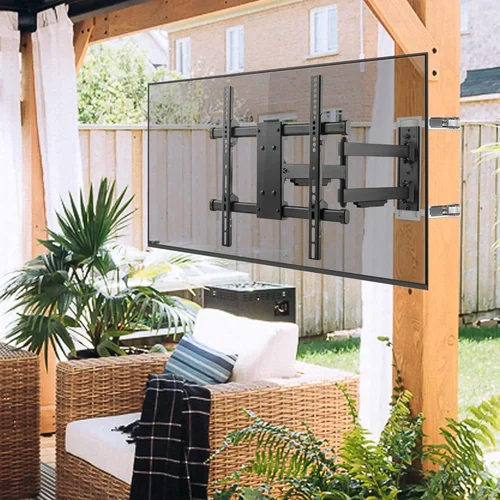
Outdoor living spaces have evolved far beyond simple patios and backyard barbecues. Today’s homeowners are transforming their gazebos into fully functional outdoor entertainment zones—complete with weather-resistant furniture, ambient lighting, sound systems, and yes, even televisions. A patio TV installed in your gazebo can elevate movie nights under the stars, keep you company during morning coffee, or let you catch the big game while grilling. But choosing the right TV for this unique environment isn’t as simple as picking up any old flat-screen from the store. The elements—sun, rain, humidity, dust, and temperature swings—pose serious challenges that standard indoor TVs simply aren’t built to handle.
That’s where this comprehensive buying guide comes in. Whether you’re building a new gazebo or upgrading an existing one, selecting the perfect patio TV requires careful consideration of durability, performance, installation logistics, and long-term value. This guide is designed to walk you through every critical decision point, from understanding what makes an outdoor TV different from its indoor counterpart to comparing top models across price ranges. You’ll learn how to balance budget with features, avoid common pitfalls, and ultimately choose a television that delivers stunning picture quality while standing up to Mother Nature year after year.
The market for outdoor TVs has grown significantly in recent years, driven by advances in weatherproofing technology and increased demand for outdoor living solutions. Brands like SunBriteTV, Samsung (with its Terrace series), LG, and even mainstream manufacturers now offer models specifically engineered for exterior use. However, not all “outdoor-ready” TVs are created equal—some are merely indoor TVs housed in protective enclosures, while others are built from the ground up with sealed components, anti-glare screens, and corrosion-resistant materials. By the end of this guide, you’ll know exactly what to look for, which questions to ask, and how to get the best possible viewing experience in your gazebo—no matter the weather.

What to Look for When Buying a Patio TV for Your Gazebo
1. Weather Resistance & IP Rating
When it comes to outdoor electronics, weather resistance isn’t optional—it’s essential. Unlike indoor TVs, which operate in controlled environments, a gazebo TV faces constant exposure to moisture, dust, pollen, and temperature fluctuations. Even if your gazebo is covered, it’s rarely fully sealed like an indoor room. Rain can blow in during storms, morning dew can accumulate overnight, and high humidity can seep into electronics over time.
The first thing to check is the TV’s Ingress Protection (IP) rating. This international standard measures how well a device resists solids (like dust) and liquids (like water). For outdoor use, look for a minimum rating of IP55—this means the TV is protected against dust ingress (limited) and low-pressure water jets from any direction. Higher-end models may offer IP65 or even IP66, providing complete dust protection and resistance to powerful water jets. Avoid any TV without a clearly stated IP rating, as this is a red flag that it’s not truly outdoor-rated.
Beyond the IP rating, examine the TV’s construction. Genuine outdoor TVs feature sealed ports, corrosion-resistant internal components, and gaskets around all openings. Some models also include built-in ventilation systems that prevent overheating without allowing moisture inside. If you live in a coastal area or a region with heavy rainfall, prioritize TVs with enhanced salt-air resistance and reinforced aluminum chassis.
2. Screen Brightness & Anti-Glare Technology
One of the biggest challenges of outdoor viewing is ambient light. Sunlight reflecting off the screen can wash out colors, reduce contrast, and make it nearly impossible to see details—even on cloudy days. Standard indoor TVs typically peak at around 300–500 nits of brightness, which is fine for a dim living room but inadequate for outdoor use.
For a gazebo TV, aim for a minimum brightness of 700 nits, with premium models reaching 1,500 to 2,000 nits or more. This high luminance ensures the image remains vivid and readable even in direct sunlight. However, brightness alone isn’t enough—you also need advanced anti-glare technology. Look for TVs with optically bonded glass or matte-finish screens that diffuse reflections rather than amplifying them.
Some manufacturers go further by incorporating adaptive brightness sensors that automatically adjust screen output based on ambient light conditions. This not only improves visibility but also extends the TV’s lifespan by reducing unnecessary power consumption during overcast days. Additionally, consider the screen’s viewing angle. Wide-angle panels (like those using IPS technology) allow multiple people to enjoy a clear picture from different positions around the gazebo without color shifting or dimming.
3. Build Quality & Durability
A patio TV isn’t just exposed to weather—it’s also subject to physical wear and tear. Wind, accidental bumps, and even curious wildlife can impact its longevity. That’s why build quality matters as much as technical specs. Start by examining the materials used in the chassis and bezel. High-quality outdoor TVs use powder-coated aluminum or stainless steel, which resist rust, fading, and corrosion far better than plastic or standard metal finishes.
Internal components should also be ruggedized. Look for TVs with solid-state drives (SSDs) instead of traditional hard drives, as SSDs have no moving parts and are less prone to shock damage. Circuit boards should be conformal-coated to protect against moisture and oxidation. Even the remote control should be weather-resistant—many outdoor TVs come with remotes rated for outdoor use or offer smartphone app control as a backup.
Another durability factor is thermal management. Outdoor temperatures can swing dramatically between day and night, especially in unheated gazebos. A well-designed patio TV includes passive or active cooling systems (like silent fans or heat-dissipating fins) that prevent overheating in summer and condensation buildup in winter. Avoid models that rely solely on passive cooling if you live in a hot climate—active ventilation is often necessary for sustained performance.
4. Size & Viewing Distance
Choosing the right screen size for your gazebo depends on two key factors: the distance between the TV and your seating area, and the physical dimensions of your structure. Too small, and viewers will strain to see details; too large, and the image may feel overwhelming or pixelated.
As a general rule, multiply your viewing distance (in inches) by 0.84 to get the ideal screen diagonal in inches. For example, if your primary seating is 8 feet (96 inches) away, a 80-inch TV would be optimal. However, gazebos are often smaller than indoor rooms, so you may need to adjust downward. A 55- to 65-inch TV is usually sufficient for most residential gazebos, unless you have a large pavilion-style structure.
Also consider mounting options. Will the TV be wall-mounted, ceiling-mounted, or placed on a stand? Wall mounts should be rated for outdoor use and able to support the TV’s weight plus any wind load. Ceiling mounts offer flexibility but require careful planning to avoid obstructing views or creating glare from overhead lights. If space is tight, consider a slim-profile model or one with a low-profile stand designed for outdoor furniture.
5. Smart Features & Connectivity
Modern outdoor TVs aren’t just about picture quality—they’re also entertainment hubs. Most come equipped with smart platforms like Android TV, webOS (LG), or Tizen (Samsung), allowing access to streaming services such as Netflix, YouTube, Disney+, and more. This eliminates the need for external streaming devices and simplifies setup.
Check the available ports: HDMI 2.1 is ideal for future-proofing, especially if you plan to connect gaming consoles or 4K Blu-ray players. USB ports are useful for playing media files directly, while Ethernet ensures a stable internet connection—critical for streaming in areas with weak Wi-Fi signals. Some models even include built-in Bluetooth for wireless audio to outdoor speakers.
Voice control compatibility (via Alexa, Google Assistant, or Siri) adds convenience, letting you change channels or adjust volume without fumbling for a remote. However, ensure the microphone isn’t overly sensitive to wind noise, which can cause false triggers. If your gazebo has limited power outlets, look for energy-efficient models with low standby power consumption.
6. Brand Reputation & Ecosystem Compatibility
Not all outdoor TV brands are equal. Established names like SunBriteTV (a subsidiary of SnapAV) specialize exclusively in outdoor displays and have decades of field testing behind their designs. Samsung’s Terrace series brings mainstream smart features to ruggedized hardware, while LG offers high-end OLED options with exceptional contrast—though at a premium price.
Consider how the TV integrates with your existing ecosystem. If you already use Samsung smartphones or smart home devices, a Samsung Terrace TV may offer seamless connectivity. Similarly, LG TVs work well with other LG appliances and support ThinQ AI for unified control. Third-party brands may offer lower prices but often lack long-term software support or replacement parts.
Research customer service responsiveness and local dealer networks. Outdoor TVs are complex installations—having access to certified technicians for setup and repairs can save headaches down the line. Read professional reviews from outlets like CNET, Wirecutter, or AVS Forum, which often test outdoor TVs in real-world conditions over extended periods.
7. Warranty & Support
Given the harsh operating environment, a strong warranty is non-negotiable. Standard indoor TVs typically come with 1-year limited warranties, but outdoor models should offer at least 2 to 3 years of coverage, with some premium brands providing up to 5 years. Look for warranties that explicitly cover weather-related damage—not just manufacturing defects.
Check what’s included: Does the warranty cover labor for repairs? Are replacement parts readily available? Some companies offer on-site service, while others require you to ship the unit back. Also verify whether the warranty is voided if the TV is installed incorrectly—professional installation is often recommended and may be required for full coverage.
Customer support quality varies widely. Test responsiveness by calling or emailing before purchase. A reputable brand will have knowledgeable staff who understand outdoor installation challenges and can guide you through mounting, cabling, and troubleshooting.
8. Installation & Maintenance Requirements
Installing a patio TV isn’t as simple as hanging it on a wall. You’ll need to run power cables, possibly extend Wi-Fi coverage, and ensure the mount is securely anchored to withstand wind loads. Many homeowners underestimate the complexity—especially if the gazebo lacks electrical wiring.
Plan for conduit runs to protect cables from moisture and UV damage. Use outdoor-rated HDMI and power cables, and consider in-wall rated (CL2/CL3) wiring if running through structures. For Wi-Fi dead zones, a mesh network extender or powerline adapter can boost signal strength.
Maintenance is minimal but important. Clean the screen monthly with a microfiber cloth and mild cleaner (never ammonia-based products). Inspect seals and vents annually for debris or corrosion. If your TV has a fan, ensure it’s free of dust to prevent overheating. Seasonal checks before winter and summer can prevent costly repairs.
Different Types of Patio TVs for Gazebos

Common Buying Mistakes to Avoid
❌ Mistake: Buying an Indoor TV and Assuming It’s Fine Under Cover
Why it’s bad: Even under a roof, indoor TVs are vulnerable to humidity, temperature swings, and condensation. Over time, internal components corrode, leading to premature failure. Many homeowners report TVs dying within 6–12 months when used outdoors without proper protection.
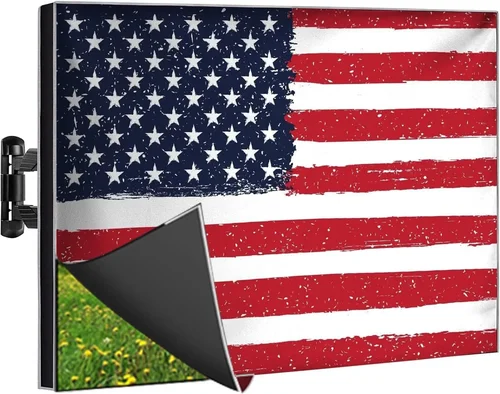
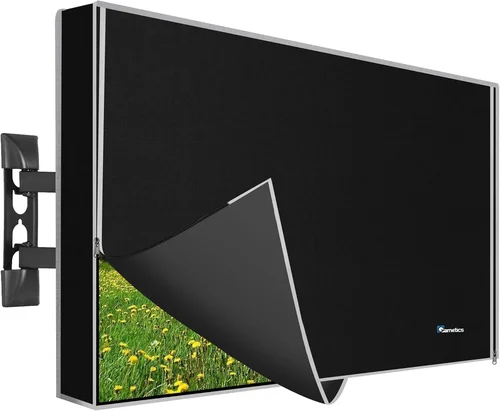
What to do instead: Invest in a purpose-built outdoor TV or use a certified outdoor enclosure. If budget is tight, choose a model specifically rated for “partial sun” or “covered outdoor” use—but never assume full weather resistance.
❌ Mistake: Ignoring Brightness Requirements
Why it’s bad: A dim screen turns your gazebo into a blurry, unwatchable zone. You’ll constantly squint, miss details, and eventually stop using the TV altogether—wasting your investment.
What to do instead: Prioritize TVs with at least 700 nits brightness and anti-reflective coatings. Test the screen in similar lighting conditions if possible, or rely on professional reviews that measure real-world visibility.
❌ Mistake: Overlooking Mounting and Cable Management
Why it’s bad: Improper mounting can lead to sagging, wind damage, or even collapse. Exposed cables invite water ingress, tripping hazards, and aesthetic clutter.
What to do instead: Use outdoor-rated mounts with tilt/swivel options for optimal viewing angles. Run cables through weatherproof conduit and seal all entry points with silicone or grommets.
❌ Mistake: Choosing Based Solely on Price
Why it’s bad: The cheapest option often lacks critical features like adequate brightness, proper sealing, or reliable smart functionality. You may end up replacing it sooner than expected.
What to do instead: Focus on total cost of ownership—including installation, maintenance, and expected lifespan. A mid-range outdoor TV often delivers better long-term value than a bargain indoor model.
❌ Mistake: Neglecting Wi-Fi Signal Strength
Why it’s bad: Weak signal causes buffering, app crashes, and frustration—especially during live sports or 4K streaming.
What to do instead: Test your gazebo’s Wi-Fi coverage before buying. Install a weatherproof mesh extender or use a wired Ethernet connection via buried conduit.
❌ Mistake: Skipping Professional Installation
Why it’s bad: DIY errors can void warranties, damage the TV, or create safety hazards (e.g., electrical faults or unstable mounts).
What to do instead: Hire a certified installer familiar with outdoor AV setups. Many brands offer installation services or can recommend local partners.
Budget Guidelines: How Much Should You Spend?
- Entry-Level ($800 – $1,500): Ideal for covered gazebos with minimal exposure. Look for indoor TVs in basic outdoor enclosures (e.g., Peerless PLM-UNV). Expect limited brightness (500–700 nits) and shorter lifespans. Best for seasonal use or low-budget projects.
- Mid-Range ($1,500 – $3,000): The sweet spot for most homeowners. Purpose-built models like the SunBriteTV Veranda or Samsung Terrace QLED offer excellent brightness (1,000+ nits), robust weatherproofing, and full smart features. These TVs balance performance, durability, and value.
- Premium ($3,000 – $5,000): For enthusiasts who want top-tier picture quality and longevity. Includes OLED options (like LG’s outdoor OLED), ultra-high brightness (1,500+ nits), and advanced thermal management. Perfect for large gazebos or year-round use in harsh climates.
- Luxury ($5,000+): Commercial-grade displays with 2,000+ nits brightness, vandal-resistant casings, and 24/7 operation capability. Suited for high-end residences, resorts, or public spaces where reliability is paramount.
Expert Tips for Getting the Best Deal
- Buy during off-seasons: Prices drop significantly in late fall and winter when outdoor living demand declines. Many retailers offer 15–25% discounts between November and February.
- Bundle with installation: Some dealers offer free or discounted setup when you purchase the TV and mount together. This saves time and ensures proper configuration.
- Check manufacturer rebates: SunBriteTV and Samsung occasionally run promotions with cashback offers or extended warranties. Sign up for newsletters to stay informed.
- Compare total package costs: Don’t just look at the TV price—factor in mounts, cables, extenders, and labor. A slightly more expensive TV with included accessories may be cheaper overall.
- Read long-term user reviews: Professional reviews are helpful, but owner feedback after 6–12 months reveals real-world durability and support quality.
- Negotiate with local AV integrators: Independent installers often have relationships with distributors and can secure better pricing than big-box stores.
- Consider certified refurbished models: Some brands sell returned or demo units at 20–30% off with full warranties. These are rigorously tested and ideal for budget-conscious buyers.

Frequently Asked Questions
Q: Can I use a regular TV in my gazebo if it’s covered?
A: Technically yes, but it’s not recommended for long-term use. Even covered areas experience humidity, temperature shifts, and occasional moisture intrusion. Without proper sealing and thermal management, indoor TVs often fail within a year. For reliable performance, choose a purpose-built outdoor model or a certified enclosure.
Q: Do outdoor TVs need special power outlets?
A: No—they use standard 120V AC power. However, ensure the outlet is GFCI-protected (required for outdoor circuits) and located within safe reach of the TV. Use outdoor-rated extension cords if needed, but permanent wiring is preferable.
Q: How do I protect my TV from theft?
A: Install the TV high on the wall or ceiling, use security screws on the mount, and consider a locking enclosure. Some models offer built-in security slots for cable locks. Motion-sensor lights and cameras also deter opportunistic thieves.
Q: Will an outdoor TV work in winter?
A: Yes—most are rated for temperatures as low as -20°F (-29°C). However, avoid turning it on immediately after extreme cold exposure. Let it acclimate for 1–2 hours to prevent condensation damage.
Q: Can I connect a soundbar to an outdoor TV?
A: Absolutely. Many outdoor TVs support Bluetooth or optical audio output. For best results, use a weather-resistant soundbar or outdoor speakers wired through the TV’s audio output.
Q: How often should I clean my outdoor TV?
A: Monthly cleaning is sufficient. Use a soft microfiber cloth and water—or a mild vinegar solution for stubborn spots. Never spray liquid directly on the screen.
Q: Are outdoor TVs energy efficient?
A: Modern models are surprisingly efficient, especially QLED and OLED variants. Look for ENERGY STAR certification, which indicates lower power consumption without sacrificing brightness.
Q: What if my gazebo doesn’t have electricity?
A: You’ll need to run a dedicated circuit from your home’s breaker panel. Consult a licensed electrician—this isn’t a DIY project due to code requirements and safety risks.
Our Final Recommendations
- Best for Budget-Conscious Buyers: Peerless PLM-UNV Enclosure + 55″ LG UQ75 Series – A cost-effective solution for covered gazebos. Total cost under $1,200. Lacks extreme brightness but works well in shaded areas.
- Best Overall Value: SunBriteTV Veranda 55″ – Excellent balance of price ($2,299), brightness (1,000 nits), and durability. Ideal for most residential gazebos with partial sun exposure.
- Best Premium Option: Samsung The Terrace 65″ Full Sun – Stunning QLED picture, 2,000 nits brightness, and IP56 rating. Perfect for large, open gazebos where visibility is critical.
- Best for Beginners: Seura Shade 50″ – Portable, easy to set up, and includes a weatherproof cover. Great for renters or those testing outdoor TV viability.
- Best for Advanced Users: LG 65″ Ultra-Slim Outdoor OLED – Unmatched contrast, deep blacks, and whisper-quiet operation. For tech enthusiasts who demand cinematic quality outdoors.
Conclusion: Making the Right Choice
Choosing the right patio TV for your gazebo is about more than just screen size or brand name—it’s about matching your lifestyle, environment, and expectations to a product engineered to thrive outdoors. From weather resistance and brightness to smart features and installation logistics, every detail matters when you’re investing in outdoor entertainment. By prioritizing durability, visibility, and long-term support, you’ll avoid costly mistakes and enjoy years of reliable performance under the open sky.
Remember, the best TV isn’t always the most expensive—it’s the one that fits your specific needs. Whether you’re hosting summer barbecues, watching fall foliage with a warm drink, or catching winter sports by the fire pit, your gazebo TV should enhance those moments, not detract from them. Take the time to assess your space, read real user experiences, and consult with professionals if needed. With the insights from this guide, you’re now equipped to make a confident, informed decision that turns your gazebo into the ultimate outdoor retreat.

