
Outdoor living spaces have evolved dramatically over the past decade. What was once a simple backyard with a grill and a few chairs has transformed into fully functional, year-round entertainment zones—complete with outdoor kitchens, fire pits, sound systems, and yes, televisions. As more homeowners invest in extending their indoor comforts to the great outdoors, the demand for high-quality, weather-resistant outdoor TVs has surged. Whether you’re hosting summer barbecues, watching the big game under the stars, or enjoying a quiet evening with a movie on your covered patio, an outdoor TV can elevate your experience in ways a standard indoor model simply can’t match.
But choosing the right outdoor TV isn’t as simple as buying the biggest screen you can find. Unlike indoor TVs, outdoor models must withstand extreme temperatures, humidity, rain, dust, and direct sunlight—all while delivering crisp visuals and reliable performance. This is where many buyers go wrong: they assume any TV placed under a covered patio will work, only to discover glare, poor visibility in daylight, or worse, a fried circuit board after a heavy rainstorm. That’s why this comprehensive buying guide exists—to help you make an informed, confident decision that balances performance, durability, and value. By the end of this guide, you’ll understand exactly what to look for, which features matter most, and how to avoid costly mistakes.
The outdoor TV market has matured significantly, with several reputable brands now offering purpose-built models designed specifically for exterior use. From fully weatherproof enclosures to anti-glare screens and enhanced brightness, today’s outdoor TVs are engineered to thrive in challenging environments. Whether you’re outfitting a large covered patio, an open-air deck, or a poolside entertainment area, there’s a solution tailored to your needs. This guide will walk you through every critical factor—from budget and build quality to display technology and installation considerations—so you can invest wisely and enjoy your outdoor TV for years to come.
What to Look for When Buying Buying Guide
1. Weather Resistance & IP Rating
When it comes to outdoor electronics, weather resistance isn’t just a nice-to-have—it’s non-negotiable. Unlike indoor TVs, outdoor models must endure rain, snow, dust, humidity, and temperature swings without failing. The first thing to check is the TV’s Ingress Protection (IP) rating, which indicates how well the unit resists solids (like dust) and liquids (like water). For outdoor use, look for a minimum IP55 rating, though IP65 or higher is ideal for uncovered or partially covered areas. An IP65 rating means the TV is dust-tight and protected against water jets from any direction—perfect for patios exposed to wind-driven rain.
Beyond the IP rating, consider the materials used in the TV’s construction. High-quality outdoor TVs typically feature powder-coated aluminum or stainless steel housings that resist rust and corrosion. Internal components are often sealed with gaskets and conformal coatings to prevent moisture ingress. Some models even include built-in heaters or cooling fans to regulate internal temperature, ensuring stable performance in extreme cold or heat. For example, if you live in a region with harsh winters or scorching summers, a TV with active thermal management can prevent overheating or freezing, extending its lifespan significantly.
2. Display Brightness & Anti-Glare Technology
One of the biggest challenges with outdoor viewing is ambient light—especially direct sunlight. A standard indoor TV typically peaks at around 300–500 nits of brightness, which is fine for a dimly lit living room but completely inadequate outdoors. For a large patio, you’ll want a TV with at least 700 nits, but ideally 1,000 nits or more. High brightness ensures the image remains visible even on sunny afternoons. However, brightness alone isn’t enough. Glare from windows, water features, or reflective surfaces can wash out the picture, making it difficult to see details.
This is where anti-glare technology comes in. Look for TVs with optically bonded screens, which reduce reflections by bonding the glass directly to the LCD panel. This minimizes air gaps that cause light scattering. Additionally, some models feature specialized filters or matte finishes that diffuse ambient light without sacrificing color accuracy. For instance, Samsung’s Terrace series uses a proprietary anti-reflective coating that maintains color vibrancy while reducing glare by up to 50% compared to standard screens. If your patio has large windows or is near a pool, this feature is essential for a comfortable viewing experience.
3. Screen Size & Viewing Distance
Choosing the right screen size for your large patio depends on several factors, including seating arrangement, viewing distance, and ambient lighting. A common mistake is going too big—while a 75-inch or 85-inch screen might look impressive, it can overwhelm a space if viewers are too close. As a general rule, the optimal viewing distance is 1.5 to 2.5 times the diagonal screen size. For example, a 65-inch TV is best viewed from 8 to 13 feet away, while an 85-inch model suits distances of 11 to 18 feet.
For large patios, 65-inch and 75-inch models are the most popular, offering a cinematic experience without dominating the space. However, if your patio is expansive—say, 20 feet wide with seating at both ends—an 85-inch or even 98-inch TV might be justified. Consider the layout: will viewers be seated directly in front, or at an angle? Wider viewing angles are better for group settings. OLED and QLED panels typically offer superior off-axis viewing compared to standard LED-LCDs, so keep that in mind if your seating is spread out.
4. Build Quality & Durability
Outdoor TVs are built to last, but not all are created equal. Durability starts with the chassis. Look for models with robust, weatherproof enclosures made from marine-grade aluminum or reinforced polymers. These materials resist UV degradation, salt corrosion (important for coastal areas), and physical impact. Internal components should be securely mounted to withstand vibrations from wind or nearby foot traffic.
Another key aspect is the sealing system. High-end outdoor TVs use silicone gaskets, O-rings, and pressure-equalizing vents to prevent condensation buildup inside the screen. Some manufacturers, like SunBriteTV, go a step further by using fully sealed, fanless designs that eliminate moving parts—reducing the risk of mechanical failure. Additionally, check whether the TV is rated for extreme temperatures. Most outdoor models operate between -30°F and 140°F (-34°C to 60°C), but verify this based on your local climate. A TV that can’t handle winter cold or summer heat will degrade quickly.
5. Smart Features & Connectivity
Just because it’s outdoors doesn’t mean your TV should lack modern conveniences. Today’s outdoor TVs come equipped with full smart platforms, allowing you to stream content from Netflix, YouTube, Disney+, and more—all without needing an external streaming device. Look for models running Android TV, webOS, or Roku OS, as these offer the broadest app support and regular software updates.
Connectivity is equally important. Ensure the TV has multiple HDMI ports (preferably HDMI 2.1 for 4K/120Hz gaming), USB inputs, and Ethernet for wired internet. Wi-Fi 6 support is a plus for faster, more reliable streaming, especially if your patio is far from the router. Some outdoor TVs include built-in Bluetooth for wireless audio to outdoor speakers. Also, consider whether the ports are easily accessible and protected by weatherproof covers. Nothing is more frustrating than trying to plug in a device during a rainstorm.
6. Audio Performance & External Speaker Options
While many outdoor TVs include built-in speakers, they’re often underpowered for open-air environments. Wind, background noise, and distance can quickly drown out dialogue. For a large patio, you’ll likely want to pair your TV with external speakers. Look for models with audio output options like optical digital, RCA, or Bluetooth. Some high-end outdoor TVs even support HDMI ARC (Audio Return Channel), allowing you to send audio to a soundbar or AV receiver.
If you prefer an all-in-one solution, consider TVs with enhanced built-in audio. For example, the LG Outdoor TV features dual 20W speakers with AI Sound Pro, which upmixes stereo content to simulate surround sound. However, for the best experience, invest in a weather-resistant outdoor speaker system. Brands like Polk, Bose, and Sonos offer outdoor models designed to handle the elements while delivering rich, room-filling sound.
7. Installation & Mounting Flexibility
Proper installation is critical for both performance and safety. Outdoor TVs are heavier than indoor models due to their reinforced enclosures, so you’ll need a sturdy mount. Look for full-motion or tilt mounts that allow you to adjust the screen angle for optimal viewing—especially important if your patio has varying light conditions throughout the day.
Consider the mounting location: will the TV be wall-mounted, ceiling-mounted, or on a freestanding stand? Wall mounts are most common, but ensure your patio wall can support the weight. For brick or concrete, use masonry anchors. If you’re mounting under a pergola or awning, check clearance for ventilation—some TVs require at least 4 inches of space around the unit for airflow. Also, plan your cable routing. Use weatherproof conduit or raceways to protect HDMI and power cables from the elements.
8. Brand Reputation & Customer Support
Not all outdoor TV brands are equal. Stick with manufacturers that specialize in outdoor electronics and have a proven track record. SunBriteTV, Samsung (with its Terrace line), LG, and Seura are among the most trusted names in the industry. These companies invest heavily in R&D to ensure their products meet rigorous environmental standards.
Customer support is another differentiator. Outdoor TVs are a significant investment, so you want a brand that offers responsive service, clear warranty terms, and accessible repair options. Check whether the company provides on-site service or requires you to ship the unit back. Also, look for extended warranty programs—some brands offer up to 5 years of coverage for outdoor use. Reading user reviews on sites like Amazon, Best Buy, or specialized forums can reveal real-world reliability and support experiences.
Different Types of Buying Guide

Common Buying Mistakes to Avoid

❌ Mistake: Using an Indoor TV Outdoors
Why it’s bad: Indoor TVs are not designed to handle moisture, temperature extremes, or UV exposure. Even under a covered patio, condensation can form inside the screen, leading to fogging, corrosion, or complete failure. Additionally, indoor TVs lack the brightness and anti-glare features needed for outdoor visibility.
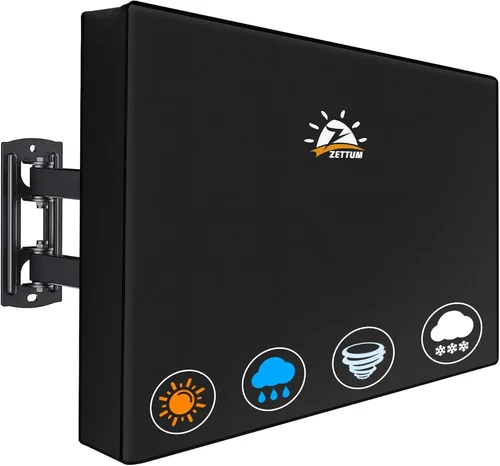
What to do instead: Invest in a purpose-built outdoor TV or use a high-quality weatherproof enclosure if you must use an indoor model. Never assume “it’s covered, so it’s safe.”
❌ Mistake: Ignoring the IP Rating
Why it’s bad: A TV with a low or unspecified IP rating may look weather-resistant but could fail after the first heavy rain. Without proper sealing, water can seep into the internal components, causing short circuits and permanent damage.
What to do instead: Always verify the IP rating and choose a model with at least IP55 for partial cover or IP65 for full exposure. Check manufacturer specifications carefully.
❌ Mistake: Overlooking Brightness Requirements
Why it’s bad: A dim screen will be unwatchable on sunny days, turning your outdoor entertainment space into a decorative paperweight. Many buyers are surprised when their new TV looks washed out in daylight.
What to do instead: Aim for a minimum of 700 nits, but 1,000+ nits is ideal for large patios with direct sun exposure. Test the TV during peak daylight hours if possible.
❌ Mistake: Skimping on Mounting Hardware
Why it’s bad: Outdoor TVs are heavy and exposed to wind. A weak or improperly installed mount can lead to the TV falling, causing injury or property damage.
What to do instead: Use a heavy-duty, weatherproof mount rated for your TV’s weight. Secure it to structural elements like studs or concrete, and consider professional installation.
❌ Mistake: Neglecting Audio Needs
Why it’s bad: Built-in speakers on outdoor TVs are often quiet and lack bass. In an open space, dialogue can be hard to hear, especially with background noise.
What to do instead: Plan for external weather-resistant speakers or a soundbar. Use Bluetooth or wired connections to enhance audio quality.
❌ Mistake: Not Planning for Cable Management
Why it’s bad: Exposed cables can degrade from UV exposure, become tripping hazards, or get damaged by pests. They also look unsightly.
What to do instead: Use weatherproof conduit, raceways, or in-wall cable management systems. Route cables through walls or under decking when possible.
❌ Mistake: Buying Based on Price Alone
Why it’s bad: The cheapest option often lacks durability, brightness, or smart features. You may end up replacing it within a year, costing more in the long run.
What to do instead: Focus on value—balance price with key features like IP rating, brightness, and warranty. Consider total cost of ownership, including installation and accessories.
Budget Guidelines: How Much Should You Spend?
Entry-Level ($1,500 – $2,500): This tier includes partial-cover outdoor TVs or indoor models in basic weatherproof enclosures. Expect screens around 55–65 inches with 700–800 nits brightness, basic smart features, and IP54 or IP55 ratings. These are suitable for fully covered patios with minimal exposure to elements. Brands like Seura and some SunBrite models fall here.
Mid-Range ($2,500 – $4,500): The sweet spot for most homeowners. These TVs offer 65–75-inch screens, 1,000+ nits brightness, full smart platforms, and IP65 ratings. They often include enhanced audio, better thermal management, and more robust builds. Samsung’s Terrace and LG’s Outdoor TV series are strong contenders in this range.
Premium ($4,500 – $7,000): For enthusiasts and those with large, exposed patios. These models feature 75–85-inch screens, ultra-bright displays (1,500+ nits), advanced anti-glare tech, and commercial-grade durability. They may include built-in heaters, cooling fans, and extended warranties. SunBriteTV’s Veranda and Pro series are examples.
Luxury ($7,000+): Top-tier options for luxury homes, resorts, or commercial use. These include 85-inch and larger screens, 2,000+ nits brightness, 24/7 operation capability, and remote monitoring. Often used in hotels or high-end outdoor theaters. Expect full customization and professional installation services.
Expert Tips for Getting the Best Deal
– Buy During Off-Season: Outdoor TVs see peak demand in spring and summer. Shop in late fall or winter for discounts of 15–25%. Retailers often clear inventory before new models arrive.
– Compare Retailers: Check prices at specialty outdoor electronics stores, big-box retailers, and online marketplaces. Some brands sell directly with bundled installation.
– Look for Bundles: Many retailers offer packages including mounts, cables, and speakers at a discount. These can save $200–$500 compared to buying separately.
– Check Return Policies: Ensure the seller allows returns within 30–60 days. Outdoor TVs are hard to test fully before installation.
– Verify Warranty Coverage: Confirm the warranty covers outdoor use. Some indoor TV warranties are voided if used outside.
– Consider Refurbished Models: Certified refurbished outdoor TVs from reputable sellers can offer 20–30% savings with full warranties.
– Hire a Professional Installer: While DIY is possible, a certified installer ensures proper mounting, cable management, and safety—especially for large screens.

Frequently Asked Questions
Q: Can I use a regular TV outside if it’s under a covered patio?
A: Technically yes, but it’s not recommended. Even under cover, humidity, temperature swings, and occasional splashes can damage an indoor TV. For long-term reliability, use a purpose-built outdoor model or a high-quality weatherproof enclosure.
Q: How do I protect my outdoor TV from theft?
A: Use a lockable mount, install security cameras, and consider a TV with a built-in security slot for a Kensington lock. Some models also offer remote disabling via app if stolen.
Q: Do outdoor TVs consume more power?
A: Not necessarily. While they may have brighter backlights, many use energy-efficient LED panels. Look for ENERGY STAR certification to ensure low power consumption.
Q: Can I leave my outdoor TV on all the time?
A: Most outdoor TVs are designed for continuous use, but check the manufacturer’s guidelines. Commercial-grade models are built for 24/7 operation, while consumer models may recommend periodic rest.
Q: What’s the difference between partial-cover and full-weatherproof TVs?
A: Partial-cover models are for areas with overhead protection (like a roof or pergola) and resist light rain and dust. Full-weatherproof TVs can handle direct exposure to rain, snow, and sun, with higher IP ratings and more robust sealing.
Q: How do I clean my outdoor TV screen?
A: Use a microfiber cloth and a mild cleaner designed for electronics. Avoid ammonia-based cleaners or abrasive materials. Power off the TV before cleaning.
Q: Can I connect a gaming console to an outdoor TV?
A: Yes, as long as the TV has HDMI 2.1 ports and supports 4K/120Hz. Ensure low input lag for responsive gameplay. Some outdoor TVs are optimized for gaming with dedicated modes.
Q: What happens if my outdoor TV gets rained on?
A: If it’s a true outdoor model with an IP65 or higher rating, it should be fine. However, avoid spraying water directly on the screen. After heavy rain, wipe down the exterior with a dry cloth.
Q: Do outdoor TVs come with remotes that work in sunlight?
A: Most use standard IR remotes, which can struggle in bright light. Consider upgrading to a Bluetooth remote or using a smartphone app for control.
Q: How long do outdoor TVs typically last?
A: With proper care, a high-quality outdoor TV can last 7–10 years or more. Regular maintenance, such as cleaning vents and checking seals, can extend its life.
Our Final Recommendations
Best for Budget-Conscious Buyers: Seura 55″ Partial-Cover Outdoor TV – Offers solid performance, 800 nits brightness, and IP55 rating at a competitive price. Ideal for covered patios.
Best Overall Value: Samsung The Terrace 65″ – Combines 1,500 nits brightness, anti-glare screen, smart features, and IP56 rating. Excellent balance of price and performance.
Best Premium Option: SunBriteTV Veranda 3 Series 75″ – Built for extreme conditions with 2,000 nits brightness, full weatherproofing, and commercial-grade durability. Perfect for large, exposed patios.
Best for Beginners: LG 65″ Outdoor TV – User-friendly webOS platform, strong audio, and reliable build. Great entry point for first-time outdoor TV owners.
Best for Advanced Users: SunBriteTV Pro 2 Series 85″ – Designed for professionals and luxury installations. Features 2,500 nits brightness, 24/7 operation, and remote monitoring.
Conclusion: Making the Right Choice
Choosing the right outdoor TV for your large patio is about more than just screen size or brand name. It’s about understanding your environment, prioritizing durability and visibility, and investing in a product that will deliver years of reliable performance. From weather resistance and brightness to smart features and audio quality, every detail matters when you’re bringing the cinema experience outdoors.
Remember, the cheapest option isn’t always the best value, and the biggest screen isn’t always the right fit. Take the time to assess your space, consider your viewing habits, and read real user reviews. Whether you’re hosting game nights, movie marathons, or quiet evenings under the stars, the right outdoor TV will transform your patio into a true extension of your home.
Don’t rush the decision. Use this guide as your roadmap, compare your options carefully, and when you’re ready, make the investment with confidence. Your outdoor oasis deserves nothing less.

