
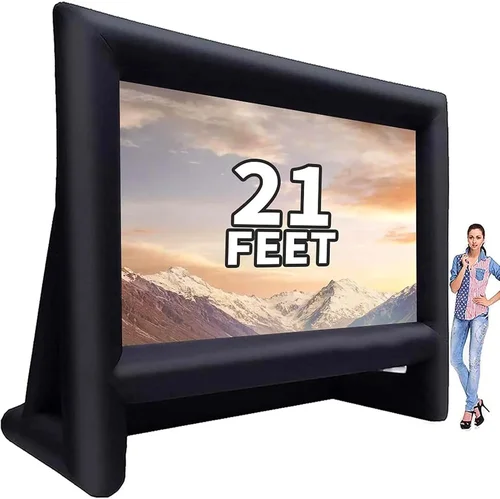
Outdoor entertainment has evolved dramatically over the past decade, transforming once-simple patios and decks into fully functional living spaces that rival indoor comfort. Whether you’re hosting summer barbecues, enjoying quiet evenings under the stars, or catching the big game with friends, having a reliable outdoor TV can elevate your experience to new heights. But unlike traditional indoor televisions, outdoor TVs face unique challenges—extreme temperatures, humidity, direct sunlight, rain, dust, and even curious wildlife. That’s why choosing the right outdoor TV isn’t just about picture quality or screen size; it’s about investing in a product engineered specifically to withstand the elements while delivering top-tier performance.
This comprehensive buying guide is designed to help you navigate the growing market of outdoor televisions with confidence. Whether you’re a first-time buyer or upgrading from an older model, you’ll learn how to evaluate key factors like weather resistance, brightness, durability, and smart features. We’ll break down technical specifications in plain language, compare different types of outdoor TVs, highlight common pitfalls to avoid, and provide expert-backed recommendations tailored to various budgets and use cases. By the end of this guide, you’ll have everything you need to make a smart, informed decision that ensures years of reliable outdoor entertainment.
The outdoor TV market has matured significantly, with manufacturers now offering purpose-built models that go far beyond simply placing an indoor TV under a canopy. Today’s outdoor displays come in weatherproof enclosures, feature ultra-bright screens optimized for daylight viewing, and often include advanced connectivity options like Wi-Fi, Bluetooth, and voice control. From compact 32-inch models perfect for small balconies to massive 75-inch behemoths ideal for backyard movie nights, there’s an outdoor TV for nearly every scenario. However, this variety also means more complexity—and more opportunities to overspend or underbuy. Our goal is to cut through the noise and give you the clarity you need to choose the perfect outdoor TV for your deck, patio, or outdoor lounge.

What to Look for When Buying Buying Guide
1. Weather Resistance & IP Rating
One of the most critical factors when selecting an outdoor TV is its ability to resist environmental hazards. Unlike indoor TVs, outdoor models must endure rain, snow, dust, humidity, and temperature swings—sometimes all in the same day. Look for televisions with a high Ingress Protection (IP) rating, which indicates how well the unit is sealed against solids and liquids. For outdoor use, an IP55 rating or higher is essential. IP55 means the TV is protected against low-pressure water jets from any direction and limited dust ingress. Some premium models boast IP65 or even IP66 ratings, offering near-total protection against dust and powerful water jets.
Beyond the IP rating, consider the materials used in the TV’s construction. Aluminum or powder-coated steel housings resist rust and corrosion far better than plastic or untreated metals. Also, check whether the TV includes a built-in heater or cooling system—especially important if you live in regions with freezing winters or scorching summers. These thermal management systems prevent internal components from overheating or freezing, extending the TV’s lifespan and ensuring consistent performance year-round.
2. Screen Brightness & Anti-Glare Technology
Sunlight is the enemy of screen visibility outdoors. Even on partly cloudy days, ambient light can wash out images on standard TVs, making content difficult or impossible to see. That’s why outdoor TVs must deliver significantly higher brightness levels than their indoor counterparts. Look for models with a minimum brightness of 700 nits, though 1000 nits or more is ideal for decks with direct sun exposure. For comparison, most indoor TVs range between 300–500 nits.
Equally important is anti-glare or anti-reflective coating on the screen. This specialized layer reduces mirror-like reflections from the sun or nearby lights, allowing you to enjoy crisp, vibrant images even at midday. Some high-end outdoor TVs also feature optically bonded glass, which minimizes air gaps between the display and outer glass layer, further reducing glare and improving clarity. If your deck faces east or west—where morning or afternoon sun hits directly—prioritize models with both high brightness and advanced anti-glare technology.
3. Build Quality & Durability
Outdoor TVs are exposed to more than just weather—they’re also vulnerable to accidental bumps, flying debris, and even curious pets or children. A rugged, well-built enclosure is non-negotiable. Look for TVs with reinforced frames, shatter-resistant glass, and secure mounting systems that prevent wobbling or detachment during windy conditions. Many outdoor models are tested to military-grade standards (MIL-STD-810G) for shock and vibration resistance, which adds peace of mind if you live in an area prone to storms or high winds.
Additionally, consider the internal components. Outdoor TVs should use industrial-grade capacitors, connectors, and circuit boards designed for extended operation in harsh environments. Cheaper models may skimp on these details, leading to premature failure. Always check product specifications for terms like “commercial-grade,” “industrial components,” or “extended temperature range”—these are strong indicators of long-term reliability.
4. Size & Viewing Distance
Choosing the right screen size isn’t just about aesthetics—it directly impacts your viewing experience. A TV that’s too small will strain your eyes from a distance, while one that’s too large can overwhelm a cozy seating area. As a general rule, multiply your optimal viewing distance (in feet) by 0.84 to get the recommended screen diagonal in inches. For example, if your seating is 8 feet away, aim for a 67-inch TV (8 × 0.84 ≈ 6.7 feet or ~80 inches—but round down slightly for comfort).
However, outdoor spaces often have variable seating arrangements. If your deck includes both close-up lounge chairs and farther-back dining tables, consider a mid-sized screen (55–65 inches) that balances visibility for all viewers. Also, remember that larger screens require more robust mounting solutions and may need additional structural support, especially if wall-mounted. Always measure your space and simulate the TV’s footprint before purchasing.
5. Smart Features & Connectivity
Modern outdoor TVs aren’t just dumb screens—they’re full-fledged smart platforms. Look for models running popular operating systems like Android TV, webOS, or Roku TV, which give you access to streaming apps like Netflix, YouTube, Disney+, and Hulu. Built-in Wi-Fi (preferably dual-band 2.4GHz/5GHz) ensures smooth streaming without lag, even when multiple devices are connected to your home network.
Connectivity options matter too. Ensure the TV has enough HDMI ports (at least 3–4) for devices like gaming consoles, soundbars, cable boxes, or media players. USB ports are useful for playing local media files or powering external devices. Some premium models even include Bluetooth for wireless audio streaming to outdoor speakers or headphones. Avoid TVs with only basic analog inputs—they’ll quickly become obsolete as technology advances.
6. Audio Performance & Speaker Options
While picture quality often takes center stage, sound is equally important for immersive outdoor entertainment. Unfortunately, many outdoor TVs come with underpowered built-in speakers that struggle to overcome ambient noise like traffic, wind, or chatter. If audio quality is a priority, look for models with higher wattage outputs (20W or more per channel) and support for external audio systems via optical audio out, HDMI ARC, or Bluetooth.
For the best experience, pair your outdoor TV with a weather-resistant soundbar or wireless outdoor speaker system. This not only improves volume and clarity but also allows you to position speakers optimally around your deck for surround-like effects. Some outdoor TVs even include built-in subwoofer outputs or support for multi-room audio setups, making them ideal for larger gatherings.
7. Brand Reputation & Customer Support
Not all outdoor TV brands are created equal. Stick with manufacturers known for quality, innovation, and responsive customer service. Established names like SunBriteTV, Samsung (with their Terrace series), LG, and Seura have spent years refining outdoor display technology and offer comprehensive support networks. These brands typically provide detailed installation guides, responsive technical assistance, and accessible replacement parts.
Avoid unknown or generic brands that pop up on online marketplaces with suspiciously low prices. While they may look similar on paper, they often lack proper certifications, use subpar components, and offer little to no warranty coverage. Reading verified customer reviews on trusted sites like Consumer Reports, CNET, or Amazon can reveal real-world reliability issues that specs alone won’t show.
8. Warranty & Return Policy
Outdoor TVs represent a significant investment, so protecting that purchase is crucial. Most reputable brands offer warranties ranging from 1 to 3 years, covering defects, performance issues, and sometimes even accidental damage. Pay close attention to what’s included—some warranties exclude damage from extreme weather unless the TV is properly installed and maintained.
Also, check the return policy before buying. Ideally, you should have at least 30 days to test the TV in your actual outdoor environment. If the picture looks washed out in sunlight or the unit fails after a rainstorm, you’ll want the option to return or exchange it hassle-free. Retailers like Best Buy, Crutchfield, and specialty outdoor electronics stores often provide generous return windows and expert pre-sales advice.
Different Types of Buying Guide

Common Buying Mistakes to Avoid
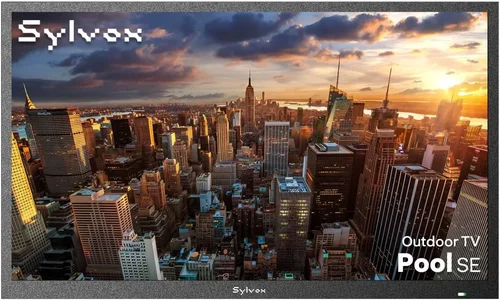
❌ Mistake: Using an Indoor TV Outdoors
Why it’s bad: Indoor TVs lack weatherproofing, have low brightness, and aren’t designed for temperature extremes. Exposure to moisture or heat can cause immediate damage, void warranties, and create safety hazards like electrical shorts.
What to do instead: Always choose a TV specifically rated for outdoor use. If budget is tight, consider a partial-shade model or a weatherproof enclosure for an indoor TV—but never rely on tarps or DIY covers.
❌ Mistake: Ignoring Sunlight Exposure
Why it’s bad: A TV with insufficient brightness will look dim and washed out in direct sunlight, ruining your viewing experience regardless of other features.
What to do instead: Assess your deck’s sun patterns throughout the day. If it gets full sun, prioritize models with 1000+ nits brightness and anti-glare screens. For shaded areas, 700 nits may suffice.
❌ Mistake: Overlooking Mounting Requirements
Why it’s bad: Improper mounting can lead to instability, damage to your deck structure, or even the TV falling during high winds.
What to do instead: Use a certified outdoor TV mount rated for your screen size and weight. Ensure it’s anchored securely into wall studs or a concrete surface—never into drywall or flimsy railings.
❌ Mistake: Skimping on Audio
Why it’s bad: Weak built-in speakers can’t compete with outdoor noise, forcing you to shout over dialogue or miss key audio cues.
What to do instead: Invest in a weather-resistant soundbar or wireless outdoor speaker system. Many modern TVs support Bluetooth pairing for easy setup.
❌ Mistake: Buying Based Solely on Price
Why it’s bad: The cheapest option often cuts corners on durability, brightness, and support, leading to higher long-term costs from repairs or replacements.
What to do instead: Balance budget with essential features. A mid-range outdoor TV with solid weatherproofing and good brightness usually offers the best value.
❌ Mistake: Neglecting Software Updates
Why it’s bad: Outdated firmware can cause app crashes, security vulnerabilities, or compatibility issues with new streaming services.
What to do instead: Choose brands known for regular software updates (e.g., Samsung, LG). Check if the TV supports automatic updates to minimize maintenance.
❌ Mistake: Forgetting About Cable Management
Why it’s bad: Exposed cables are unsightly, pose tripping hazards, and can degrade from UV exposure or moisture.
What to do instead: Use weatherproof conduit or cable raceways to route wires safely from the TV to power and source devices. Some mounts include built-in cable management.
Budget Guidelines: How Much Should You Spend?
- Entry-Level ($500–$1,200): Ideal for covered patios or temporary setups. These are typically indoor TVs in weatherproof enclosures or basic partial-shade models. Expect modest brightness (500–700 nits), limited smart features, and shorter warranties. Best for occasional use in mild climates.
- Mid-Range ($1,200–$2,500): The sweet spot for most homeowners. These all-weather or partial-shade TVs offer 700–1000 nits brightness, robust build quality, full smart functionality, and 2–3 year warranties. Perfect for decks with partial sun exposure or frequent entertaining.
- Premium ($2,500–$4,500): Designed for full outdoor exposure and heavy use. Features include 1000+ nits brightness, IP65+ ratings, thermal management, premium audio, and advanced smart platforms. Ideal for luxury homes, pool areas, or regions with harsh weather.
- Luxury ($4,500+): Top-tier commercial-grade or custom outdoor displays. These offer 24/7 operation, ultra-high brightness (1500+ nits), vandal resistance, and professional installation support. Suited for high-end resorts, outdoor theaters, or tech enthusiasts who demand perfection.
Expert Tips for Getting the Best Deal
- Buy during off-season: Prices drop significantly in late fall and winter when demand is low. Many retailers clear inventory before spring.
- Shop specialty retailers: Stores like Crutchfield, Abt Electronics, or Outdoor TV Direct often have better expertise, bundles, and return policies than big-box chains.
- Look for certified refurbished models: Reputable sellers offer refurbished outdoor TVs with full warranties at 20–30% off retail. These are thoroughly tested and ideal for budget-conscious buyers.
- Negotiate installation packages: Some dealers include free mounting or cable management if you purchase the TV and accessories together.
- Check for rebates: Utility companies or manufacturers occasionally offer rebates for energy-efficient outdoor electronics—especially in sunny states.
- Test in real conditions: If possible, visit a showroom or friend’s setup to see how the TV performs in daylight. Online reviews can’t fully capture brightness and glare.
- Prioritize long-term value: A slightly more expensive TV with a 3-year warranty and better durability will cost less over time than a cheap model that fails in two years.
- Read the fine print: Ensure your warranty covers outdoor use. Some “outdoor” TVs still void coverage if installed in fully exposed areas without proper ventilation.

Frequently Asked Questions
Q: Can I use a regular TV outside if it’s under a roof?
A: Technically yes, but it’s not recommended. Even under cover, humidity, temperature swings, and indirect moisture can damage internal components over time. A partial-shade outdoor TV is a safer, longer-lasting investment.
Q: Do outdoor TVs consume more power?
A: Not necessarily. While they may have brighter backlights, many modern outdoor TVs use energy-efficient LED panels and smart power management. Look for ENERGY STAR certification to minimize electricity use.
Q: How do I clean my outdoor TV screen?
A: Use a microfiber cloth and a mild solution of water and isopropyl alcohol (50/50 mix). Never spray liquid directly on the screen—apply it to the cloth first. Avoid ammonia-based cleaners.
Q: Can I leave my outdoor TV on all the time?
A: Most all-weather models are designed for continuous operation, but check your manual. Leaving it on 24/7 may reduce lifespan unless it’s a commercial-grade unit.
Q: What’s the difference between partial-shade and all-weather TVs?
A: Partial-shade models are for covered areas with minimal direct exposure (e.g., under a pergola). All-weather TVs are fully sealed and built for roofless decks, poolsides, or rainy climates.
Q: Do I need a special mount for an outdoor TV?
A: Yes. Standard indoor mounts aren’t rated for outdoor conditions. Use a weatherproof, corrosion-resistant mount with secure anchoring capabilities.
Q: Can I stream 4K content reliably outdoors?
A: Absolutely—if your Wi-Fi signal reaches your deck. Consider a mesh Wi-Fi system or outdoor-rated extender to ensure strong, stable connectivity.
Q: Are outdoor TVs noisy due to cooling fans?
A: High-quality models use silent or near-silent thermal systems. Avoid cheap units with loud fans—read reviews for noise levels.
Q: What happens if my outdoor TV gets struck by lightning?
A: While no TV is lightning-proof, outdoor models often include surge protection. For added safety, install a whole-house surge protector and unplug the TV during storms.
Q: Can I upgrade my outdoor TV’s software?
A: Yes, most smart outdoor TVs receive over-the-air updates. Enable automatic updates in settings to keep your system current.
Our Final Recommendations
- Best for Budget-Conscious Buyers: SunBriteTV Veranda Series (55″) – Excellent partial-shade performance, 700 nits brightness, and solid build quality under $1,500.
- Best Overall Value: Samsung The Terrace (65″) – Full weatherproofing, 2,000 nits brightness, vibrant QLED display, and robust smart features around $3,000.
- Best Premium Option: Seura Shadow Series (75″) – Ultra-bright (3,000 nits), whisper-quiet operation, premium audio, and elegant design for luxury outdoor spaces ($4,500+).
- Best for Beginners: LG Outdoor TV (50″, Partial-Shade) – User-friendly webOS interface, good app selection, and reliable performance for covered patios under $1,200.
- Best for Advanced Users: SunBriteTV Pro Series (75″, All-Weather) – Commercial-grade durability, 24/7 operation, IP66 rating, and customizable mounting—ideal for tech-savvy homeowners or professionals.
Conclusion: Making the Right Choice
Choosing the right outdoor TV for your deck is about more than just picking the biggest or brightest screen—it’s about matching technology to your environment, lifestyle, and long-term goals. We’ve covered everything from weather resistance and brightness to smart features, audio, and budget considerations, giving you the tools to evaluate options critically and confidently. Remember, the best outdoor TV isn’t necessarily the most expensive one; it’s the one that fits your space, performs reliably in your climate, and enhances your outdoor living experience year after year.
As you move forward, prioritize your must-have features based on how and where you’ll use the TV. If your deck gets full sun, don’t compromise on brightness. If you host frequently, invest in great audio and easy connectivity. And always factor in installation and accessories early in your planning. With the insights from this guide, you’re now equipped to avoid common pitfalls, spot genuine value, and make a purchase you’ll enjoy for seasons to come.
So go ahead—transform your deck into the ultimate outdoor entertainment hub. Whether it’s movie nights under the stars, game-day gatherings, or peaceful mornings with your favorite show, the right outdoor TV will bring your vision to life. Happy viewing!

