
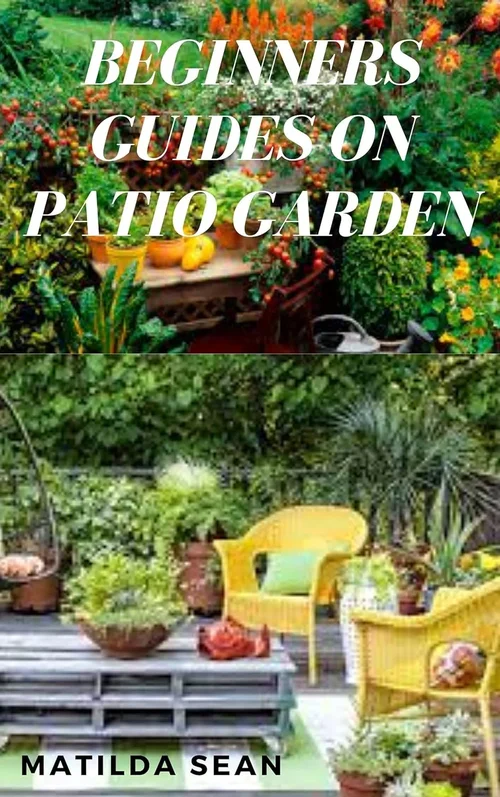
If you’ve ever dreamed of sipping your morning coffee while watching the sunrise over your potted herbs, or unwinding after a long day with a movie under the stars on your tiny balcony, then a garden TV might just be the upgrade your outdoor space has been waiting for. But here’s the catch: not all TVs are built to thrive in the elements. Unlike indoor models, garden TVs—also known as outdoor or weatherproof TVs—must withstand rain, humidity, dust, extreme temperatures, and even UV exposure without compromising picture quality or longevity. That’s why choosing the right one isn’t just about screen size or brand—it’s about finding a display engineered specifically for life outside four walls.
This comprehensive buying guide is designed to cut through the noise and help you make an informed decision tailored to your small patio setup. Whether you’re working with a cozy 8×10-foot balcony, a compact rooftop terrace, or a modest backyard nook, we’ll walk you through every critical factor—from durability and brightness to smart features and mounting options. You’ll learn how to balance performance with budget, avoid common pitfalls, and ultimately select a garden TV that enhances your outdoor living experience for years to come. The market has evolved significantly in recent years, with manufacturers now offering sleek, high-performance outdoor displays that rival their indoor counterparts in both aesthetics and functionality. Gone are the days of clunky, industrial-looking enclosures; today’s garden TVs blend seamlessly into modern outdoor décor while delivering stunning visuals rain or shine.

What to Look for When Buying a Garden TV
1. Weather Resistance & IP Rating
When it comes to garden TVs, weather resistance isn’t optional—it’s essential. Unlike indoor TVs, outdoor models must endure rain, snow, dust, pollen, and even salt air if you live near the coast. The first thing to check is the TV’s Ingress Protection (IP) rating, which tells you exactly how well it’s shielded against environmental threats. Look for a minimum rating of IP55 (protection against dust and water jets), but ideally aim for IP65 or higher—this means the unit is dust-tight and can handle low-pressure water sprays from any direction.
Many premium outdoor TVs go further by using fully sealed aluminum or composite housings that prevent moisture from reaching internal components. Some also include built-in heaters or cooling fans to regulate internal temperature during extreme heat or cold. For example, models like the SunBriteTV Veranda series are designed to operate safely between -22°F and 122°F (-30°C to 50°C). Always verify whether the TV is rated for partial shade, full sun, or direct sunlight exposure—this affects both visibility and longevity.
2. Screen Brightness & Anti-Glare Technology
One of the biggest challenges with outdoor viewing is glare from sunlight reflecting off the screen. An indoor TV typically outputs around 300–400 nits of brightness—fine for a dim living room but nearly invisible on a bright patio. Garden TVs need significantly higher luminance to remain viewable in daylight. Aim for a minimum of 700 nits, though 1,000+ nits is ideal for spaces that get direct sun.
Beyond raw brightness, look for anti-reflective coatings and optically bonded glass. These features reduce glare by minimizing surface reflections and improving contrast in bright conditions. Some top-tier models use direct-lit LED backlighting with local dimming zones to boost black levels and color accuracy even under harsh lighting. OLED panels, while stunning indoors, often struggle outdoors due to lower peak brightness—so QLED or high-brightness LED/LCD panels are generally preferred for garden use.
3. Size & Viewing Distance for Small Spaces
On a small patio, every inch counts—and that includes your TV. While it’s tempting to go big, oversized screens can overwhelm compact areas and force you to sit uncomfortably close, leading to eye strain. As a rule of thumb, your viewing distance should be about 1.5 to 2.5 times the diagonal screen size. For example, a 43-inch TV is best viewed from 5.5 to 9 feet away—perfect for a modest balcony seating area.
Popular sizes for small outdoor spaces range from 32 to 55 inches. A 32-inch model works well for intimate setups like a bistro table with two chairs, while a 50–55 inch screen suits slightly larger patios with a small sofa or lounge chairs. Avoid anything above 65 inches unless you have ample space and plan to view from a distance. Also consider the TV’s depth: many outdoor models are thicker than indoor ones due to protective casings, so ensure it won’t protrude awkwardly into your walkway.
4. Smart Features & Connectivity
Just because your TV lives outside doesn’t mean it should lack modern conveniences. Most garden TVs now come with built-in smart platforms like Android TV, webOS, or Roku TV, giving you access to streaming services such as Netflix, YouTube, and Disney+ without needing an external device. This is especially useful if you want to watch movies, sports, or nature documentaries while enjoying your garden.
Check for Wi-Fi compatibility (dual-band 2.4GHz/5GHz is best for stable streaming) and sufficient HDMI ports (at least two, preferably three) for connecting soundbars, gaming consoles, or cable boxes. Some models also include USB ports for media playback or firmware updates. Voice control via Google Assistant or Alexa is a nice bonus, allowing hands-free operation even when your hands are full with gardening tools or a cocktail.
5. Build Quality & Durability
A garden TV isn’t just exposed to weather—it’s also vulnerable to accidental bumps, flying debris, and curious pets or kids. That’s why build quality matters more than ever. Look for rugged, powder-coated aluminum frames that resist rust and corrosion. The screen itself should be made of tempered glass or reinforced polymer to withstand minor impacts.
Internal components should be sealed and protected from condensation, which can form when temperatures fluctuate rapidly (like during early morning dew). Reputable brands often use conformal coating on circuit boards to prevent moisture damage. Additionally, check if the TV includes a protective cover or hood—some models come with integrated sunshades that extend over the top of the screen to reduce glare and shield against overhead rain.
6. Mounting Options & Installation Flexibility
How you mount your garden TV can make or break your setup. On a small patio, wall mounting is usually the best option—it saves floor space and keeps the screen at eye level for comfortable viewing. Ensure the TV is compatible with standard VESA mounting patterns (most outdoor models support 200x200mm or 400x400mm). Many come with included wall brackets, but you may need to purchase a weatherproof outdoor mount separately for added security.
Consider whether you want a fixed, tiltable, or full-motion (articulating) mount. Tiltable mounts allow you to angle the screen downward slightly to reduce glare, while full-motion arms let you swivel the TV toward different seating areas—ideal if your patio doubles as a dining or lounging zone. Always anchor mounts securely into wall studs or concrete, and use stainless steel hardware to prevent rust.
7. Audio Performance & Sound Solutions
Outdoor environments are inherently noisy—birds chirping, traffic humming, wind rustling leaves—which means built-in TV speakers often struggle to deliver clear audio. Most garden TVs have modest 10–20W speakers that work fine for casual listening but fall short for immersive movie nights.
For better sound, pair your TV with a weather-resistant outdoor soundbar or wireless speakers. Look for models rated IPX5 or higher, with Bluetooth connectivity and robust bass response. Some systems, like the Sonos Move or Bose SoundLink Flex, are designed specifically for outdoor use and can be placed on a table or mounted nearby. Alternatively, consider wired in-wall or in-ceiling speakers if you’re willing to run cables through your patio structure.
8. Brand Reputation & Warranty Coverage
Not all outdoor TV brands are created equal. Stick with manufacturers that specialize in weatherproof displays, such as SunBriteTV, Seura, SkyVue, or Peerless-AV. These companies test their products rigorously in real-world conditions and often offer longer warranties than generic electronics brands.
A solid warranty is crucial—look for at least a 2-year limited warranty, with some premium models offering up to 3 years. Check what’s covered: does it include labor for repairs? Are on-site service visits available? Avoid brands that only offer mail-in repair services, as shipping a heavy outdoor TV can be costly and risky. Reading customer reviews on sites like Amazon, Best Buy, or specialty outdoor retailers can also reveal insights about long-term reliability and customer support responsiveness.
Different Types of Garden TVs

Common Buying Mistakes to Avoid
❌ Mistake: Buying an Indoor TV and Putting It Outside
Why it’s bad: Indoor TVs lack weatherproofing, proper ventilation, and UV protection. Even under a covered patio, moisture, temperature swings, and dust can cause premature failure—often within months. Most indoor TV warranties are voided if used outdoors.
What to do instead: Invest in a purpose-built outdoor TV with certified weather resistance. The upfront cost is higher, but it saves money and frustration in the long run.
❌ Mistake: Ignoring Viewing Angle and Glare
Why it’s bad: Placing your TV where morning or afternoon sun hits the screen directly will render it unwatchable, no matter how bright it is. Poor placement leads to constant squinting and disappointment.
What to do instead: Assess your patio’s sun patterns throughout the day. Choose a shaded wall or install a retractable awning. Use a tiltable mount to angle the screen away from direct light.
❌ Mistake: Overlooking Audio Needs
Why it’s bad: Relying solely on built-in speakers in an open space results in tinny, barely audible sound—especially during windy or noisy conditions.
What to do instead: Budget for outdoor-rated wireless speakers or a soundbar. Test audio setup during daylight hours when ambient noise is highest.
❌ Mistake: Choosing the Wrong Size for Your Space
Why it’s bad: A 65-inch TV on a 6-foot-wide balcony feels cramped and forces uncomfortably close viewing. Conversely, a 32-inch screen viewed from 10 feet away appears tiny and hard to see.
What to do instead: Measure your seating distance and use the 1.5x–2.5x screen size rule. Sketch a layout to visualize proportions before buying.
❌ Mistake: Skimping on Mounting Hardware
Why it’s bad: Using indoor mounts or low-quality brackets outdoors risks rust, loosening, or even collapse—especially in windy areas.
What to do instead: Purchase a VESA-compatible outdoor mount made of stainless steel or powder-coated aluminum. Have it installed by a professional if unsure.
❌ Mistake: Not Checking Local Regulations
Why it’s bad: Some homeowners’ associations (HOAs) or rental agreements restrict exterior modifications, including mounting TVs on walls.
What to do instead: Review HOA guidelines or lease terms before installation. Consider freestanding options if wall mounting isn’t allowed.
Budget Guidelines: How Much Should You Spend?
- Entry-Level ($600–$1,200): These are typically partial-shade models with basic smart features and IP55 ratings. Ideal for covered balconies in mild climates. Expect 43–50 inch screens with 700–800 nits brightness. Brands like Seura offer budget-friendly options in this range.
- Mid-Range ($1,200–$2,500): The sweet spot for most small patio owners. You’ll get full smart functionality, IP65 weatherproofing, 1,000+ nits brightness, and better thermal management. Models like the SunBriteTV Veranda series fall here—excellent balance of performance and value.
- Premium ($2,500–$4,500): Designed for full-sun exposure and extreme climates. Features include all-season operation, advanced anti-glare coatings, premium audio, and extended warranties. Perfect for uncovered patios in sunny or four-season regions.
- Luxury ($4,500+): Commercial-grade units with 24/7 durability, ultra-thin profiles, custom finishes, and professional installation support. Best for high-end homes, resorts, or those who want the absolute best regardless of cost.

Expert Tips for Getting the Best Deal
- Shop During Off-Seasons: Prices drop significantly in late fall and winter (November–February) when demand for outdoor electronics is lowest. Many retailers clear inventory before spring.
- Compare Retailers: Check specialty outdoor tech stores (like Outdoor TV Direct or Seura’s official site), big-box retailers (Best Buy, Costco), and Amazon. Sometimes bundling a TV with a mount or soundbar saves money.
- Look for Certified Refurbished Units: Reputable brands often sell factory-refurbished garden TVs at 20–30% off with full warranties. These are thoroughly tested and ideal for budget-conscious buyers.
- Negotiate Installation: Some dealers offer free or discounted professional installation with purchase—especially for premium models. This ensures safe, code-compliant mounting.
- Read the Fine Print on Warranties: Ensure coverage includes outdoor use, labor, and parts. Avoid “limited” warranties that exclude environmental damage.
- Test Before Committing: If possible, visit a showroom to see the TV in person. Check brightness, color accuracy, and menu navigation under simulated outdoor lighting.
- Consider Energy Efficiency: Outdoor TVs run longer hours and consume more power. Look for ENERGY STAR ratings to keep electricity costs down.
- Plan for Future Upgrades: Choose a model with HDMI 2.1 and eARC support if you plan to add a gaming console or high-end sound system later.

Frequently Asked Questions
Q: Can I use a regular TV under my covered patio?
A: Technically yes—but it’s not recommended. Even covered areas experience humidity, temperature swings, and dust. Most indoor TVs aren’t designed for these conditions and may fail prematurely. If you must, choose a model with a protective outdoor enclosure (like the Peerless-AV Outdoor TV Cover), but expect reduced lifespan and no warranty coverage.
Q: Do garden TVs need special power outlets?
A: Not necessarily, but they should be connected via a GFCI (Ground Fault Circuit Interrupter) outlet for safety, especially in damp locations. Use outdoor-rated extension cords and surge protectors to safeguard against power spikes.
Q: How do I clean my outdoor TV screen?
A: Use a microfiber cloth slightly dampened with distilled water. Avoid ammonia-based cleaners or paper towels, which can scratch the anti-glare coating. Turn off and unplug the TV before cleaning.
Q: Will my garden TV work in winter?
A: Only if it’s rated for cold climates. All-season models include internal heaters that activate below freezing. Partial-shade TVs may not function reliably below 32°F (0°C).
Q: Can I leave my garden TV on all the time?
A: Most outdoor TVs are designed for intermittent use (4–8 hours daily). Continuous 24/7 operation is only safe with commercial-grade units. Leaving it on unnecessarily increases wear and energy costs.
Q: Are garden TVs compatible with streaming devices?
A: Yes—most have built-in Wi-Fi and apps. But if your model lacks smart features, you can connect a Roku, Apple TV, or Fire Stick via HDMI (use a weatherproof cable grommet to protect the port).
Q: What’s the average lifespan of an outdoor TV?
A: With proper care, 7–10 years is typical. Higher-end models with better thermal management often last longer. Avoid placing them in direct sunlight 24/7 to extend longevity.
Q: Can I mount my garden TV on a brick or concrete wall?
A: Absolutely—but you’ll need masonry anchors and a drill rated for concrete. Consider hiring a pro to avoid cracking the surface or misaligning the mount.
Q: Do I need a permit to install an outdoor TV?
A: Usually not for residential use, but check local building codes—especially if drilling into load-bearing walls or historic structures. HOAs may have additional rules.
Our Final Recommendations
- Best for Budget-Conscious Buyers: Seura 43″ Partial Shade Outdoor TV – Reliable IP55 rating, 750 nits brightness, and built-in Roku for under $1,000. Perfect for covered balconies.
- Best Overall Value: SunBriteTV Veranda 50″ Series – IP65 weatherproofing, 1,000 nits, Android TV, and excellent thermal management. Priced around $1,800, it’s the Goldilocks choice for most patios.
- Best Premium Option: SkyVue Pro 55″ All-Season Outdoor TV – Operates from -22°F to 122°F, 1,500 nits brightness, and includes a built-in heater/cooling fan. Ideal for four-season climates.
- Best for Beginners: Peerless-AV 40″ Outdoor Display with Stand – Freestanding design eliminates mounting hassles. Great for renters or those testing outdoor viewing.
- Best for Advanced Users: Seura Luxury 65″ Full-Sun TV with Integrated Soundbar – Ultra-thin bezel, 2,000 nits, and weatherproof Dolby Atmos audio. For those who want cinema-quality outdoor entertainment.
Conclusion: Making the Right Choice
Choosing the right garden TV for your small patio is about more than just picking a screen that looks nice—it’s about investing in a durable, high-performance display that enhances your outdoor lifestyle year-round. From understanding IP ratings and brightness needs to avoiding common installation pitfalls, this guide has equipped you with the knowledge to make a confident, informed decision. Remember: your patio is an extension of your home, and the right TV can transform it into a cozy retreat for relaxation, entertainment, and connection.
Prioritize your specific needs—whether that’s surviving harsh winters, resisting summer glare, or simply streaming your favorite show with friends under string lights. Don’t rush the process; take time to measure your space, assess sun exposure, and compare models within your budget. And when in doubt, lean toward quality over cost. A well-chosen garden TV isn’t just a purchase—it’s an invitation to spend more time outdoors, enjoying the simple pleasures of fresh air and great content.
Ready to elevate your patio experience? Start by identifying your must-have features, set a realistic budget, and explore the recommendations above. With the right garden TV, every evening can feel like a private outdoor cinema—rain or shine.

