

Welcome to the ultimate guide for choosing the perfect garden TV for your large patio. Whether you’re hosting summer barbecues, enjoying quiet evenings under the stars, or simply want to extend your living room outdoors, a garden TV can transform your outdoor space into a true entertainment hub. But with so many options flooding the market—ranging from weatherproof displays to full outdoor entertainment systems—it’s easy to feel overwhelmed. That’s where this comprehensive buying guide comes in.
In this detailed article, we’ll walk you through everything you need to know to make an informed decision. You’ll learn how to evaluate key factors like durability, display quality, connectivity, and weather resistance. We’ll break down the different types of outdoor TVs available, compare price ranges, and highlight common pitfalls to avoid. By the end, you’ll not only understand what makes a garden TV truly great but also know exactly which model fits your lifestyle, budget, and patio setup. Whether you’re a casual viewer or a serious outdoor entertainer, this guide is designed to help you invest wisely in a product that will last for years.
The outdoor TV market has evolved dramatically over the past decade. What once required bulky enclosures and expensive custom installations now comes in sleek, all-in-one solutions designed specifically for year-round outdoor use. From fully sealed 4K displays to smart TVs with built-in streaming apps, today’s garden TVs offer performance that rivals indoor models—while standing up to rain, dust, UV rays, and temperature extremes. With advancements in display technology, materials science, and smart integration, there’s never been a better time to upgrade your outdoor living space. Let’s dive in and find the right garden TV for you.

What to Look for When Buying a Garden TV
1. Weather Resistance & IP Rating
When it comes to outdoor electronics, weather resistance isn’t just a nice-to-have—it’s essential. Unlike indoor TVs, garden TVs are exposed to the elements 24/7, including rain, snow, humidity, dust, and extreme temperatures. That’s why the Ingress Protection (IP) rating is one of the most critical specs to check. The IP rating consists of two numbers: the first indicates protection against solid particles (like dust), and the second refers to protection against liquids (like rain or splashes).
For a large patio, you’ll want a TV with at least an IP55 rating, which means it’s protected from limited dust ingress and low-pressure water jets from any direction. However, if your patio is fully exposed or located in a region with heavy rainfall or high humidity, aim for IP65 or higher. Some premium models even offer IP66 or IP67 ratings, providing near-total protection against dust and powerful water jets or temporary immersion.
Beyond the IP rating, consider the TV’s operating temperature range. Most outdoor TVs are designed to function between -22°F and 122°F (-30°C to 50°C), but verify this with the manufacturer. Also, look for UV-resistant coatings on the screen and housing to prevent fading or cracking over time. A TV that can’t handle your local climate will fail prematurely, no matter how good the picture quality is.
2. Display Quality & Brightness
Picture quality is just as important outdoors as it is indoors—perhaps even more so, given the challenges of ambient light. On a sunny patio, glare and reflections can wash out the image, making it difficult to see what’s on screen. That’s why brightness, measured in nits, is a crucial specification.
For a large patio, especially one that gets direct sunlight, you’ll need a TV with a peak brightness of at least 700 nits. Premium outdoor models often reach 1,000 to 2,000 nits, which is comparable to high-end indoor TVs and ensures excellent visibility even at midday. Look for displays with anti-reflective coatings and optically bonded screens, which reduce glare and improve contrast in bright conditions.
Resolution is another key factor. While 1080p (Full HD) may suffice for smaller screens, we recommend 4K UHD (3840 x 2160) for any TV 55 inches or larger. The higher pixel density delivers sharper details, which is especially noticeable when viewing from close range or streaming high-quality content. Additionally, consider HDR (High Dynamic Range) support—HDR10, Dolby Vision, or HLG—which enhances color depth, contrast, and brightness for a more lifelike image.
Panel technology also matters. Most outdoor TVs use LCD panels with LED backlighting, but some high-end models feature OLED or QLED technology for deeper blacks and richer colors. However, OLEDs can be more susceptible to image retention in static outdoor environments (like a weather app running constantly), so LCD with local dimming is often a safer bet for garden use.
3. Size & Viewing Distance
Choosing the right screen size for your large patio depends on several factors, including seating arrangement, viewing distance, and ambient lighting. A TV that’s too small will be hard to see from a distance, while one that’s too large can overwhelm the space and strain your eyes.
As a general rule, the optimal viewing distance is about 1.5 to 2.5 times the diagonal screen size. For example, a 65-inch TV should be viewed from 8 to 13 feet away. On a large patio, where seating may be spread out, a 65-inch to 75-inch screen is often ideal. If your patio is exceptionally spacious or you plan to host large gatherings, consider an 85-inch model for maximum impact.
But size isn’t everything. Consider the TV’s bezel design—slim bezels create a more immersive experience and take up less wall space. Also, think about mounting options. Will the TV be wall-mounted, ceiling-mounted, or placed on a stand? Ensure the model you choose supports VESA mounting standards and comes with the necessary hardware or is compatible with outdoor-rated brackets.
Don’t forget about sound. Larger screens often have better built-in speakers, but for a true cinematic experience on a big patio, you may want to pair your TV with outdoor speakers or a soundbar. Some garden TVs include audio outputs or Bluetooth connectivity for wireless audio systems.
4. Smart Features & Connectivity
Modern garden TVs are more than just displays—they’re full-fledged smart entertainment centers. Look for models with built-in Wi-Fi, Ethernet ports, and support for popular streaming platforms like Netflix, YouTube, Disney+, and Amazon Prime Video. A responsive smart interface with voice control (via Alexa, Google Assistant, or built-in mic) can make navigating content effortless, even from a distance.
Connectivity is equally important. Ensure the TV has multiple HDMI ports (at least three), USB ports for media playback, and possibly an optical audio output. If you plan to connect a gaming console, sound system, or external streaming device, having enough ports prevents the hassle of constant swapping.
Some advanced models offer features like screen mirroring (Miracast or AirPlay), Bluetooth pairing for headphones or speakers, and even built-in cameras for video calls. While not essential, these extras can enhance functionality, especially if you use your patio for remote work or virtual gatherings.
5. Build Quality & Durability
Outdoor TVs are an investment, and you want yours to last. Build quality goes beyond just weather resistance—it includes the materials used, internal component protection, and overall construction.
Look for TVs with powder-coated aluminum or stainless-steel housings, which resist rust and corrosion. Avoid plastic enclosures unless they’re specifically rated for outdoor use and UV-stabilized. The internal electronics should be sealed and protected from moisture, with conformal coating on circuit boards to prevent short circuits.
Vibration resistance is another factor, especially if your patio is near a busy street or you plan to mount the TV on a pergola or freestanding pole. Some models include shock-absorbing mounts or reinforced frames to handle wind and movement.
Also, consider the TV’s lifespan. While indoor TVs typically last 5–7 years, outdoor models are built to endure harsher conditions and often come with longer warranties—sometimes up to 5 years. Check the manufacturer’s claims about expected service life and whether replacement parts are available.
6. Power Consumption & Energy Efficiency
Running a large TV outdoors 24/7 can add up on your electricity bill, especially if you leave it on for background music or ambient lighting. Energy efficiency is often overlooked but can make a significant difference over time.
Look for TVs with ENERGY STAR certification or similar efficiency ratings. These models use advanced power management to reduce consumption without sacrificing performance. Features like automatic brightness adjustment (based on ambient light) and sleep timers can further cut energy use.
Also, consider how the TV is powered. Most outdoor TVs plug into a standard 120V outlet, but some high-end models support 240V or even solar-compatible setups. If your patio lacks easy access to power, you may need to run an outdoor-rated extension cord or hire an electrician to install a dedicated circuit.
7. Installation & Mounting Options
Even the best garden TV won’t perform well if it’s poorly installed. Mounting is a critical consideration, especially on a large patio where wind load and accessibility matter.
Wall-mounted TVs are the most common and offer a clean, permanent solution. Ensure your wall can support the weight—most outdoor TVs are heavier than indoor models due to reinforced casings. Use a weatherproof mounting bracket rated for outdoor use, and seal all wall penetrations with silicone to prevent water intrusion.
Ceiling mounts are ideal for pergolas or covered patios, allowing the TV to hang down without obstructing views. Freestanding pole mounts offer flexibility and can be moved seasonally, but they require a stable base and may need anchoring in windy areas.
Some manufacturers offer all-in-one installation kits, including brackets, cables, and sealing kits. These can save time and ensure compatibility. If you’re not comfortable with DIY installation, hire a professional with experience in outdoor AV setups.
8. Warranty & Customer Support
Outdoor electronics come with unique risks, so a strong warranty is non-negotiable. Most reputable brands offer at least a 2-year warranty, with some extending to 3–5 years. Check what’s covered: does it include accidental damage, weather-related failures, or just manufacturing defects?
Also, research the brand’s customer support reputation. Are they responsive? Do they offer on-site service or remote troubleshooting? Can you easily order replacement parts? A TV that’s difficult to repair or replace can become a costly paperweight.
Look for brands with local service centers or partnerships with certified installers. Reading user forums and reviews can give you insight into real-world support experiences.
Different Types of Garden TVs

Common Buying Mistakes to Avoid
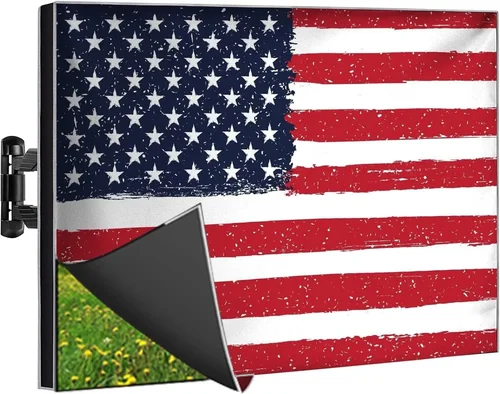
❌ Mistake: Buying an Indoor TV and Assuming It’s Outdoor-Ready
Why it’s bad: Indoor TVs are not designed to handle moisture, temperature swings, or UV exposure. Even with a cover, they can overheat, short-circuit, or suffer screen damage within months. The warranty is also typically voided if used outdoors.
What to do instead: Invest in a TV specifically engineered for outdoor use. These models have sealed components, weather-resistant coatings, and proper ventilation systems.
❌ Mistake: Ignoring the IP Rating
Why it’s bad: Without a proper IP rating, you have no guarantee the TV can withstand rain, dust, or humidity. A TV with a low or unspecified rating may fail prematurely, especially in harsh climates.
What to do instead: Always check the IP rating and match it to your environment. For large, exposed patios, aim for IP65 or higher.
❌ Mistake: Overlooking Brightness Requirements
Why it’s bad: A dim screen will be unwatchable in daylight, turning your expensive TV into a decorative mirror. Many buyers are disappointed when they realize their 400-nit TV is useless on sunny afternoons.
What to do instead: Choose a TV with at least 700 nits of brightness, and consider 1,000+ nits for full sun exposure. Look for anti-glare coatings and high contrast ratios.
❌ Mistake: Choosing the Wrong Size for the Space
Why it’s bad: A TV that’s too small won’t be visible from seating areas, while one that’s too large can dominate the space and cause eye strain. Poor size selection leads to frustration and wasted money.
What to do instead: Measure your viewing distance and use the 1.5–2.5x rule to determine ideal screen size. Test with a temporary setup if possible.
❌ Mistake: Skimping on Mounting and Installation
Why it’s bad: Improper mounting can lead to water leaks, structural damage, or even the TV falling. Using indoor brackets or DIY solutions increases risk significantly.
What to do instead: Use outdoor-rated mounts and seals. Hire a professional if you’re unsure. Ensure all cables are routed through waterproof conduits.
❌ Mistake: Not Considering Power and Connectivity Needs
Why it’s bad: Running extension cords across the patio is unsafe and unsightly. Limited ports can restrict your ability to connect devices.
What to do instead: Plan your power source and cable management in advance. Choose a TV with ample HDMI and USB ports, and consider wireless options where possible.
❌ Mistake: Ignoring Long-Term Maintenance
Why it’s bad: Outdoor TVs require occasional cleaning and inspection. Neglecting maintenance can lead to buildup, overheating, or component failure.
What to do instead: Clean the screen and vents regularly with a soft, dry cloth. Check seals and mounts annually. Follow the manufacturer’s care instructions.
Budget Guidelines: How Much Should You Spend?
– Entry-Level ($800 – $1,500): These are typically indoor TVs paired with weatherproof enclosures or basic partial-sun models. They offer decent picture quality but may lack durability, smart features, or high brightness. Best for seasonal use or covered patios with minimal exposure.
– Mid-Range ($1,500 – $3,000): This is the sweet spot for most buyers. You’ll find fully sealed outdoor TVs with 4K resolution, 700–1,000 nits brightness, smart platforms, and solid build quality. Ideal for large patios with partial to full sun exposure.
– Premium ($3,000 – $5,000): These models offer top-tier performance, including 1,500+ nits brightness, OLED or QLED panels, advanced cooling systems, and extended warranties. Perfect for entertainment enthusiasts who want the best picture and reliability.
– Luxury ($5,000+): Reserved for commercial-grade displays or ultra-large screens (85 inches and up). These TVs are built for 24/7 operation, extreme weather, and high-traffic environments. Often used in resorts, restaurants, or luxury homes.
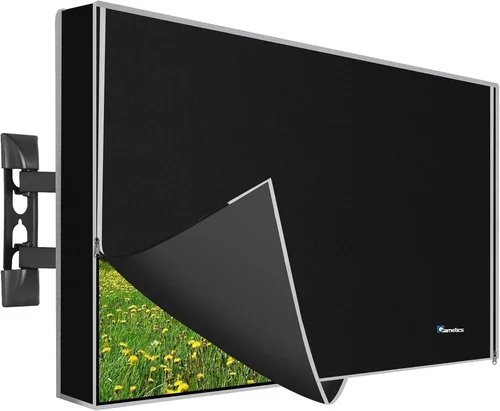
Expert Tips for Getting the Best Deal
– Buy During Off-Season: Prices on outdoor TVs drop significantly in late fall and winter when demand is low. Look for end-of-season sales from retailers like Costco, Best Buy, or specialty AV stores.
– Compare Total Cost of Ownership: Don’t just look at the sticker price. Factor in installation, mounting hardware, cables, and potential energy costs. A cheaper TV may cost more in the long run if it requires frequent repairs.
– Check for Bundles: Some retailers offer packages that include the TV, mount, and cables at a discounted rate. These can save you $200–$500 compared to buying separately.
– Read Real User Reviews: Professional reviews are helpful, but user feedback reveals long-term reliability, customer service quality, and real-world performance. Focus on reviews from people in similar climates.
– Test Before You Buy: If possible, visit a showroom to see the TV in person. Check brightness, color accuracy, and interface responsiveness under lighting conditions similar to your patio.
– Negotiate Installation: Many retailers offer free or discounted installation with purchase. Don’t hesitate to ask—especially if you’re buying multiple items.
– Consider Refurbished Models: Certified refurbished outdoor TVs from reputable brands can offer significant savings with full warranties. Just ensure they’re inspected and sealed properly.
– Verify Return Policies: Outdoor TVs are often non-returnable due to their specialized nature. Make sure the retailer offers at least a 14-day return window in case of defects or compatibility issues.

Frequently Asked Questions
Q: Can I use a regular TV outdoors with a cover?
A: Technically yes, but it’s not recommended. Indoor TVs lack proper sealing, ventilation, and UV protection. Covers can trap heat and moisture, leading to overheating and failure. For reliable, long-term use, choose a TV designed for outdoor environments.
Q: Do outdoor TVs need to be plugged in all the time?
A: Yes, most outdoor TVs require a constant power source. However, some portable models offer battery options or solar compatibility. For permanent installations, a dedicated outdoor outlet is ideal.
Q: How do I protect my garden TV from theft?
A: Use security mounts with locks, install the TV in a well-lit area, and consider adding a security camera. Some models come with built-in anti-theft features like tamper alerts.
Q: Can I leave my outdoor TV on during a storm?
A: It’s best to turn it off during severe weather, especially lightning storms. While the TV is weatherproof, power surges can damage electronics. Use a surge protector for added safety.
Q: Do outdoor TVs get hotter than indoor ones?
A: They can, but quality models include thermal management systems like fans or heat sinks. Avoid blocking vents and ensure proper airflow around the unit.
Q: Can I mount an outdoor TV under a pergola?
A: Yes, as long as the pergola provides adequate cover from direct rain and sunlight. Use a ceiling mount and ensure the structure can support the weight.
Q: Are outdoor TVs compatible with streaming devices?
A: Absolutely. Most have HDMI ports for devices like Roku, Apple TV, or Fire Stick. Some even have built-in apps, eliminating the need for external devices.
Q: How often should I clean my garden TV?
A: Clean the screen and exterior monthly with a microfiber cloth. Avoid harsh chemicals. Check vents and seals every 3–6 months for debris or wear.
Q: Can I use my outdoor TV in winter?
A: Yes, as long as it’s rated for low temperatures. Most outdoor TVs operate down to -22°F (-30°C). Avoid turning it on immediately after extreme cold—let it warm up gradually.
Q: Do outdoor TVs come with remotes?
A: Yes, but consider a universal remote or smartphone app for easier control, especially if the TV is mounted high or in a hard-to-reach spot.
Our Final Recommendations
– Best for Budget-Conscious Buyers: SunBriteTV Veranda Series – Offers excellent value with 4K resolution, 700 nits brightness, and full weatherproofing starting around $1,600. Ideal for covered patios.
– Best Overall Value: Seura Shade Series – Combines premium build quality, 1,000 nits brightness, and a sleek design. Priced around $2,800, it’s perfect for large, sun-exposed patios.
– Best Premium Option: Peerless-AV Xtreme – A commercial-grade display with 2,000 nits brightness, IP66 rating, and 24/7 operation capability. Ideal for luxury homes or commercial use.
– Best for Beginners: LG Outdoor TV (with enclosure) – A user-friendly option with smart features and reliable performance. Great for those new to outdoor entertainment.
– Best for Advanced Users: Sony X95L Outdoor Edition – Features OLED technology, Dolby Vision, and advanced cooling. For tech enthusiasts who demand the best picture quality.
Conclusion: Making the Right Choice
Choosing the right garden TV for your large patio is about more than just picking the biggest or brightest screen. It’s about finding a balance between durability, performance, and value—tailored to your specific environment and usage habits. From weather resistance and brightness to smart features and installation, every detail matters when you’re investing in outdoor entertainment.
Remember, the best garden TV isn’t necessarily the most expensive one—it’s the one that fits your space, meets your needs, and delivers reliable performance year after year. Take the time to assess your patio’s conditions, set a realistic budget, and prioritize the features that matter most to you. Whether you’re watching the big game, streaming a movie under the stars, or simply enjoying background music, the right TV will enhance every moment.
We hope this guide has empowered you with the knowledge to make a confident, informed decision. Now it’s your turn—step outside, imagine the possibilities, and bring your outdoor living space to life with the perfect garden TV. Your patio deserves it.

