
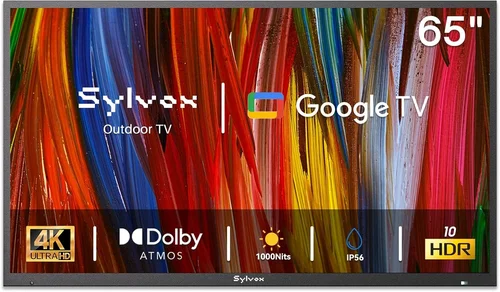
Watching football games on your deck is more than just a viewing experience—it’s a full-blown outdoor event. Whether you’re hosting a tailgate-style watch party, enjoying a crisp autumn afternoon with friends, or catching Sunday night football under string lights, having the right TV can make all the difference. But not every television is built for outdoor use. Standard indoor TVs can struggle with glare, weather exposure, temperature swings, and limited connectivity options when placed outside. That’s why choosing the right deck TV requires careful consideration of performance, durability, and design.
This comprehensive buyer’s guide is designed to help you navigate the often-overlooked world of outdoor televisions. Whether you’re a casual fan who wants to catch a game while grilling or a dedicated host planning weekly gatherings, we’ll walk you through everything you need to know before making a purchase. You’ll learn how to evaluate key features like brightness, weather resistance, screen type, and smart functionality—all tailored specifically for outdoor environments. We’ll also compare different types of outdoor TVs, highlight common pitfalls to avoid, and provide expert-backed recommendations based on real-world performance and user feedback.
The market for outdoor TVs has evolved significantly in recent years. What was once a niche category dominated by bulky, expensive models has now expanded to include sleek, high-performance options that rival indoor sets in picture quality and smart features. Brands like Samsung, Sony, LG, and specialized outdoor manufacturers such as SunBriteTV and Seura have introduced models that balance durability with cutting-edge technology. However, with so many choices—and a wide range of price points—it’s easy to get overwhelmed. This guide cuts through the noise, offering clear, actionable advice so you can confidently choose a TV that enhances your outdoor entertainment setup without breaking the bank.

What to Look for When Buying Buying Guide
1. Brightness & Anti-Glare Performance
One of the most critical factors when selecting a deck TV is brightness, measured in nits. Indoor TVs typically range from 300 to 500 nits, which is fine for dimly lit living rooms but woefully inadequate for outdoor use. On a sunny deck, even partial sunlight can wash out the screen, making it difficult to see the action—especially during daytime games. For outdoor viewing, you’ll want a TV with at least 700 nits, but ideally 1,000 nits or higher. High brightness ensures that colors remain vibrant and details stay sharp, even under direct sunlight.
Equally important is anti-glare technology. Many outdoor TVs feature matte screens or specialized coatings that reduce reflections from the sun, sky, or nearby surfaces like glass railings or water features. Some premium models go a step further with optically bonded glass, which minimizes internal reflections and improves contrast. This technology essentially “locks” the image to the surface of the screen, creating a more immersive viewing experience. When shopping, look for terms like “anti-reflective coating,” “direct sunlight readable,” or “high ambient light performance.” These indicate the TV is engineered for real-world outdoor conditions.
2. Weather Resistance & Durability
Unlike indoor TVs, outdoor models must withstand temperature fluctuations, humidity, rain, dust, and even snow. This means they need robust weatherproofing. The standard measure for this is the Ingress Protection (IP) rating. For outdoor TVs, look for at least an IP55 rating, which means the unit is protected against dust and low-pressure water jets from any direction. Higher-end models may offer IP65 or IP66 ratings, providing even greater protection against heavy rain and dust ingress.
But weather resistance isn’t just about the casing. Internal components must also be built to endure extreme conditions. Reputable outdoor TVs use sealed cooling systems (often fanless) to prevent moisture and debris from entering the chassis. They’re also constructed with corrosion-resistant materials like aluminum or powder-coated steel. Additionally, outdoor TVs are designed to operate safely in a wide temperature range—typically from -22°F to 122°F (-30°C to 50°C). This ensures reliable performance whether you’re watching a winter playoff game or a summer preseason matchup.
Don’t forget about the mounting hardware. Standard indoor mounts won’t cut it. You’ll need a weatherproof outdoor mount that’s rated for your TV’s size and weight. Many manufacturers sell compatible mounts designed specifically for their outdoor models, which often include features like tilt adjustment and cable management to keep everything tidy and protected.
3. Screen Type & Panel Technology
The type of display panel used in your outdoor TV significantly impacts picture quality, especially in bright environments. Most outdoor TVs use either LED-LCD or OLED technology, each with distinct advantages and trade-offs.
LED-LCD TVs are the most common choice for outdoor use. They offer high brightness, excellent color accuracy, and are generally more affordable than OLEDs. Many outdoor LED models use full-array local dimming (FALD), which enhances contrast by dynamically adjusting backlighting across different zones of the screen. This results in deeper blacks and brighter highlights—ideal for watching football, where fast motion and varying lighting conditions (like stadium spotlights or shadowy end zones) are common.
OLED TVs, on the other hand, deliver superior contrast and true blacks because each pixel emits its own light and can turn off completely. However, they tend to be less bright than high-end LED models and are more susceptible to burn-in over time, especially with static elements like scoreboards or network logos—common during long football broadcasts. Additionally, OLEDs are typically more expensive and less common in outdoor-specific models due to their sensitivity to moisture and temperature extremes.
For most deck setups, a high-brightness LED-LCD with anti-glare coating is the best balance of performance, durability, and value. If you’re willing to invest in a premium solution and have a covered or shaded area, an OLED outdoor TV could offer a more cinematic experience—but only if it’s specifically rated for outdoor use.
4. Smart Features & Connectivity
Just because your TV is outdoors doesn’t mean it should lack modern conveniences. Most outdoor TVs now come with built-in smart platforms like Google TV, webOS (LG), or Tizen (Samsung), allowing you to stream games directly from apps like NFL+, ESPN, YouTube TV, or Hulu + Live TV. This eliminates the need for external streaming devices and keeps your setup clean.
Look for models with voice control compatibility (via Google Assistant or Alexa), so you can change channels, adjust volume, or search for highlights without fumbling with a remote. Wi-Fi 6 support is also a plus, ensuring fast, stable streaming even when multiple devices are connected to your home network.
Connectivity is another key consideration. Ensure your outdoor TV has enough HDMI ports (at least two, preferably three) for devices like a cable box, gaming console, or soundbar. USB ports are useful for playing media files or updating firmware. Some models also include Ethernet ports for wired internet connections, which can be more reliable than Wi-Fi in outdoor settings where signal strength may vary.
Don’t overlook audio. While many outdoor TVs have decent built-in speakers, they’re often not powerful enough to overcome ambient noise like wind, traffic, or crowd chatter. Consider pairing your TV with weather-resistant outdoor speakers or a soundbar designed for exterior use. Bluetooth connectivity can also help you stream audio to wireless headphones for private listening.
5. Size & Viewing Distance
Choosing the right screen size for your deck depends on how far viewers will be sitting from the TV. A common rule of thumb is that the optimal viewing distance is about 1.5 to 2.5 times the diagonal screen size. For example, a 55-inch TV is best viewed from 6.9 to 11.5 feet away. On a typical deck, this usually means a 50- to 65-inch screen is ideal for most setups.
However, don’t automatically go for the largest size available. Oversized TVs can overwhelm a small deck and may require more robust mounting solutions. Also, larger screens consume more power and may be harder to protect from the elements unless properly enclosed.
Consider the layout of your deck. Will the TV be mounted on a wall, under a pergola, or on a freestanding stand? Measure the available space and ensure there’s enough clearance for ventilation and cable routing. Some outdoor TVs come with optional enclosures or cabinets that provide additional protection and a more finished look, blending seamlessly with outdoor décor.
6. Power Consumption & Energy Efficiency
Outdoor TVs often run for extended periods—especially during game days or multi-day tournaments—so energy efficiency matters. Look for models with ENERGY STAR certification, which indicates lower power consumption without sacrificing performance. LED-LCD TVs are generally more energy-efficient than plasma or older LCD models, and newer smart TVs often include power-saving features like auto-brightness adjustment and sleep timers.
Keep in mind that outdoor TVs may require dedicated electrical circuits, especially if you’re running additional equipment like speakers, lighting, or a mini-fridge. Consult an electrician to ensure your deck’s wiring can handle the load safely. Some homeowners opt for solar-powered setups or battery-operated TVs for off-grid decks, though these are less common and typically limited to smaller screens.
7. Brand Reputation & Reliability
Not all outdoor TVs are created equal. While major brands like Samsung and LG offer outdoor-compatible models, specialized manufacturers like SunBriteTV, Seura, and Peerless-AV have built their reputations on rugged, weather-resistant designs. These companies often provide longer warranties and better customer support for outdoor-specific issues.
Research user reviews and professional ratings from trusted sources like CNET, Wirecutter, or RTINGS.com. Pay attention to comments about long-term durability, customer service responsiveness, and real-world performance in various weather conditions. A TV that looks great in a showroom may not hold up after a few seasons of sun, rain, and temperature swings.
Also, consider the availability of replacement parts and service. If something goes wrong, you’ll want a brand that offers accessible support and doesn’t require you to ship the entire unit back for repairs.
8. Warranty & Support
Outdoor TVs are a significant investment, so a strong warranty is essential. Most reputable brands offer at least a one-year limited warranty, but premium outdoor models often come with two- to three-year coverage. Some even include on-site service, where a technician comes to your home to diagnose and fix issues—a major convenience for large, wall-mounted units.
Read the fine print. Some warranties exclude damage from improper installation, extreme weather, or power surges. Look for models that include surge protection or recommend using a UPS (uninterruptible power supply) to safeguard against electrical spikes.
Customer support is equally important. Check if the manufacturer offers phone, email, or live chat support, and whether they have a dedicated outdoor TV support team. Online resources like installation guides, FAQs, and video tutorials can also make setup and troubleshooting much easier.
Different Types of Buying Guide

Common Buying Mistakes to Avoid

❌ Mistake: Buying a Standard Indoor TV for Outdoor Use
Why it’s bad: Indoor TVs lack the brightness, weatherproofing, and thermal management needed for outdoor environments. They can overheat, suffer from glare, and fail prematurely when exposed to moisture or temperature swings.
What to do instead: Invest in a TV specifically designed for outdoor use, even if it costs more upfront. The long-term reliability and performance far outweigh the initial savings of using an indoor model.
❌ Mistake: Ignoring Viewing Angle and Placement
Why it’s bad: Placing the TV in a spot with poor sightlines—like around a corner or behind a grill—can ruin the viewing experience for most guests. Also, mounting it too high or too low forces uncomfortable neck positions.
What to do instead: Plan your deck layout in advance. Position the TV at eye level when seated, and ensure it’s visible from all primary seating areas. Use a swivel mount for flexibility.
❌ Mistake: Overlooking Audio Needs
Why it’s bad: Built-in TV speakers are often muffled and lack volume, making it hard to hear commentary or crowd noise—especially with background wind or traffic.
What to do instead: Pair your TV with weather-resistant outdoor speakers or a soundbar. Consider wireless options for cleaner installation.
❌ Mistake: Skimping on Mounting Hardware
Why it’s bad: Using indoor mounts outdoors can lead to rust, instability, or even the TV falling—posing a serious safety risk.
What to do instead: Always use a certified outdoor mount rated for your TV’s size and weight. Look for corrosion-resistant materials and secure anchoring options.
❌ Mistake: Not Planning for Power and Cables
Why it’s bad: Running extension cords across the deck creates tripping hazards and exposes wires to weather damage.
What to do instead: Have a licensed electrician install weatherproof outlets and conduit for cables. Use cable covers or raceways to keep everything tidy and protected.
❌ Mistake: Forgetting About Surge Protection
Why it’s bad: Outdoor electronics are more vulnerable to power surges from lightning or grid fluctuations, which can fry internal components.
What to do instead: Use a high-quality outdoor surge protector or UPS. Some outdoor TVs include built-in surge protection—check the specs.
❌ Mistake: Buying Based Solely on Price
Why it’s bad: The cheapest option often lacks essential features like brightness, durability, or smart functionality, leading to disappointment and early replacement.
What to do instead: Focus on value, not just cost. A mid-range outdoor TV with strong reviews and solid build quality will last longer and perform better than a budget indoor model.
Budget Guidelines: How Much Should You Spend?
Entry-Level ($500 – $1,000): This range includes portable outdoor TVs or indoor models paired with basic enclosures. They’re suitable for shaded areas or temporary use but may struggle in direct sunlight and lack advanced smart features. Ideal for casual viewers or small decks with limited exposure.
Mid-Range ($1,000 – $2,500): The sweet spot for most buyers. These TVs offer 700–1,000 nits of brightness, partial weather resistance (IP55), smart platforms, and decent audio. Great for covered decks or areas with partial shade. Brands like Samsung and LG offer reliable models in this tier.
Premium ($2,500 – $4,000): Designed for full sun exposure and harsh conditions. These TVs feature 1,000+ nits brightness, full weatherproofing (IP65/IP66), fanless cooling, and premium smart features. Models from SunBriteTV and Seura dominate this category, offering long-term durability and superior picture quality.
Luxury ($4,000+): Top-tier outdoor TVs with OLED displays, ultra-high brightness, custom enclosures, and advanced thermal management. These are built for luxury homes, commercial venues, or extreme climates. Expect professional installation and extended warranties.

Expert Tips for Getting the Best Deal
- Buy during off-season sales: The best time to purchase an outdoor TV is in late winter or early spring (February–April), when retailers clear out inventory before the summer rush. You can often save 20–30% during these periods.
- Shop at specialty retailers: Stores like Crutchfield, Abt Electronics, or Outdoor TV Direct often have better selection, expert advice, and bundled deals (e.g., TV + mount + speakers).
- Check for manufacturer rebates: Brands like Samsung and LG frequently offer rebates on outdoor-compatible models, especially during holiday weekends or major sporting events.
- Consider refurbished or open-box models: Certified pre-owned outdoor TVs from reputable sellers can offer significant savings with full warranties.
- Read return policies carefully: Outdoor TVs are large and expensive to return. Ensure the retailer offers at least a 30-day return window and covers return shipping.
- Test brightness in person if possible: If you can, visit a showroom to see how the TV performs under bright lighting. This helps you judge real-world visibility.
- Bundle with installation services: Some retailers offer free or discounted professional installation when you buy a TV and mount together—worth considering for complex setups.
- Protect your investment: Use a weatherproof cover when the TV is not in use, especially during off-seasons or storms. This extends lifespan and maintains resale value.

Frequently Asked Questions
Q: Can I use a regular TV outdoors if I cover it?
A: While you can use an indoor TV with a weatherproof enclosure, it’s not ideal. Enclosures can trap heat, reduce brightness, and limit access to ports. For reliable, long-term outdoor use, a purpose-built outdoor TV is strongly recommended.
Q: Do outdoor TVs need to be plugged in all the time?
A: Yes, most outdoor TVs require a constant power source. Portable models may run on batteries, but these are limited to smaller screens and shorter viewing times.
Q: How do I protect my outdoor TV from theft?
A: Use a lockable mount, install the TV in a visible but secure location, and consider adding a security camera. Some mounts include built-in locking mechanisms.
Q: Can I mount an outdoor TV on a brick or stone wall?
A: Yes, but you’ll need a masonry anchor kit and possibly a professional installer. Ensure the wall can support the weight and that drilling won’t damage the structure.
Q: Do outdoor TVs come with remotes?
A: Yes, most include weather-resistant remotes. Some models also support smartphone apps for control.
Q: Will an outdoor TV work in the rain?
A: Yes, as long as it has a proper IP rating (IP55 or higher). However, avoid spraying water directly on the screen or ports.
Q: Can I stream 4K content outdoors?
A: Absolutely. Many outdoor TVs support 4K resolution and HDR, delivering crisp, vibrant images even in bright conditions.
Q: How long do outdoor TVs last?
A: With proper care, a quality outdoor TV can last 7–10 years or more. Regular maintenance, surge protection, and seasonal covers help extend lifespan.
Q: Are outdoor TVs energy efficient?
A: Modern LED outdoor TVs are quite efficient, especially models with ENERGY STAR certification. Look for auto-brightness features to reduce power use.
Q: Can I use voice assistants with an outdoor TV?
A: Yes, most smart outdoor TVs support Google Assistant or Alexa, allowing hands-free control—perfect for when your hands are full with snacks and drinks.
Our Final Recommendations
Best for Budget-Conscious Buyers: Samsung The Terrace Partial Sun 55″ – Offers excellent brightness (700 nits), smart features, and solid build quality at a competitive price. Ideal for covered decks.
Best Overall Value: SunBriteTV Veranda Series 65″ – Combines full weatherproofing, 1,000+ nits brightness, and a user-friendly interface. A reliable choice for most outdoor setups.
Best Premium Option: Seura Outdoor 4K Ultra Bright 75″ – Features OLED-like contrast, ultra-high brightness, and a sleek design. Perfect for luxury decks and full sun exposure.
Best for Beginners: LG OLED G3 Outdoor Edition 55″ – Easy setup, intuitive webOS platform, and stunning picture quality. Great for those new to outdoor TVs.
Best for Advanced Users: Peerless-AV Xtreme Outdoor 86″ – Built for commercial-grade durability, with modular design, advanced cooling, and customizable mounting. Ideal for large decks or professional installations.
Conclusion: Making the Right Choice
Choosing the right deck TV for football games is about more than just screen size or brand name—it’s about creating an outdoor entertainment experience that’s reliable, enjoyable, and built to last. From brightness and weather resistance to smart features and proper mounting, every detail matters when you’re watching the game under the open sky.
Remember to assess your specific needs: How much sun does your deck get? How many people will be watching? What’s your budget? By prioritizing these factors and avoiding common pitfalls, you’ll find a TV that delivers crisp, vibrant action season after season.
Don’t rush the decision. Take advantage of sales, read real user reviews, and consult with experts if needed. And once you’ve made your choice, invest in quality accessories—like a weatherproof mount, surge protector, and outdoor speakers—to complete the setup.
With the right deck TV, every game day becomes an event. So fire up the grill, invite your friends, and get ready to cheer on your team in style—rain or shine, day or night. Your perfect outdoor viewing experience starts with the right TV.

