
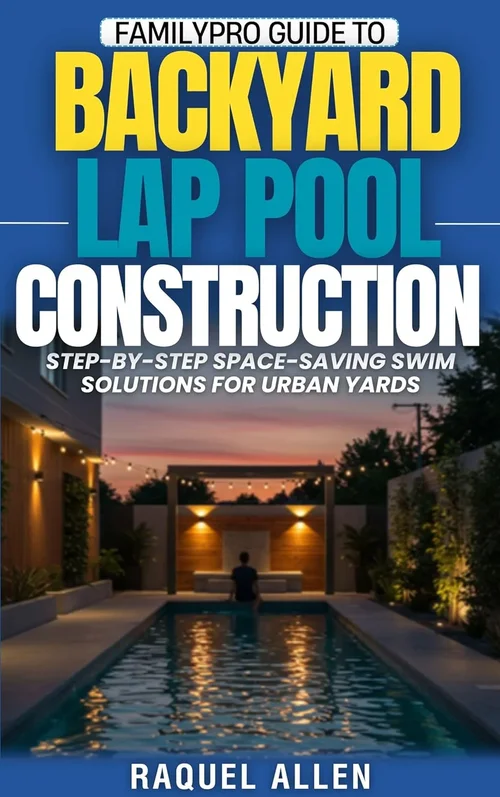
Transforming your backyard into a true outdoor oasis means more than just a sparkling pool and lush landscaping—it’s about creating a space where comfort, entertainment, and relaxation seamlessly blend. One of the most impactful upgrades you can make is installing a backyard TV in your pool area. Whether you’re hosting summer barbecues, enjoying quiet evenings under the stars, or keeping up with your favorite sports while floating on a raft, an outdoor TV elevates the entire experience. But with so many options on the market—from weatherproof displays to all-in-one outdoor entertainment systems—it’s easy to feel overwhelmed.
This comprehensive buying guide is designed to cut through the noise and help you make a smart, informed decision. We’ll walk you through every critical factor, from durability and performance to budget and installation, so you can choose a backyard TV that fits your lifestyle, withstands the elements, and delivers stunning picture quality year-round. Whether you’re a first-time buyer or upgrading from an older model, this guide will equip you with expert insights, real-world tips, and practical advice to ensure your investment pays off for years to come.
The outdoor TV market has evolved dramatically over the past decade. What once required bulky enclosures and constant maintenance now includes sleek, purpose-built models designed specifically for outdoor use. Leading brands like Samsung, LG, Sony, and specialized outdoor tech companies such as SunBriteTV and Seura have introduced TVs with enhanced brightness, anti-glare coatings, weather-resistant construction, and smart features tailored for open-air environments. With prices ranging from under $500 to well over $5,000, there’s a solution for nearly every budget and need. In this guide, we’ll explore the full spectrum of options, compare key technologies, and help you avoid common pitfalls so you can enjoy your backyard TV with confidence.

What to Look for When Buying Buying Guide
1. Weather Resistance & IP Rating
When it comes to outdoor electronics, weather resistance isn’t optional—it’s essential. Unlike indoor TVs, backyard models are exposed to rain, humidity, dust, extreme temperatures, and even salt air if you live near the coast. That’s why the Ingress Protection (IP) rating is one of the most important specs to check. The IP rating consists of two numbers: the first indicates protection against solid particles (like dust), and the second measures resistance to liquids (like rain or splashes).
For pool areas, look for a minimum IP55 rating, which means the TV is protected against dust and low-pressure water jets from any direction. However, for maximum peace of mind—especially in regions with heavy rain or high humidity—opt for IP65 or higher. IP65 ensures complete dust protection and resistance to water projected from a nozzle, making it ideal for poolside installations. Some premium outdoor TVs even boast IP66 or IP67 ratings, offering near-total protection against powerful water jets or temporary submersion.
Beyond the IP rating, consider the materials used in the TV’s construction. Aluminum or powder-coated steel housings resist rust and corrosion, while sealed internal components prevent moisture from damaging sensitive electronics. Avoid TVs with plastic casings unless they’re specifically rated for outdoor use—standard indoor TVs wrapped in plastic enclosures often fail within a season due to condensation buildup.
2. Brightness & Anti-Glare Display
One of the biggest challenges with outdoor viewing is ambient light. Sunlight reflecting off water, concrete, or patio furniture can wash out even the brightest indoor TVs. That’s why outdoor-specific models feature significantly higher brightness levels, measured in nits. While most indoor TVs range from 300 to 600 nits, outdoor TVs typically start at 700 nits and can go as high as 2,500 nits or more.
For a pool area with partial shade, a TV with 1,000–1,500 nits should provide a clear, vibrant image during daylight hours. If your viewing spot is fully exposed to direct sunlight, aim for 2,000+ nits. High brightness ensures that colors remain vivid and text remains legible, even at noon on a sunny day.
Equally important is the anti-glare coating. Look for TVs with matte or anti-reflective screens that diffuse light rather than reflecting it. Some models use advanced optical filters or polarized layers to reduce glare from water surfaces—a major advantage in pool environments. Additionally, consider the screen’s viewing angle. Wide-angle panels (178 degrees or more) allow multiple people to enjoy the picture without distortion, whether they’re lounging on a floatie or sitting on a nearby lounge chair.
Don’t forget about HDR (High Dynamic Range) support. While not all outdoor TVs include HDR, those that do offer richer contrast, deeper blacks, and more lifelike colors—especially noticeable during sunset or evening viewing when ambient light drops.
3. Build Quality & Durability
Outdoor TVs aren’t just about surviving the weather—they need to endure temperature swings, UV exposure, and physical wear over time. High-quality construction starts with the chassis. Look for TVs with metal frames and sealed internal compartments that prevent moisture and dust from entering. Avoid models with exposed vents or unsealed ports, as these can become entry points for water and insects.
Thermal management is another critical factor. Outdoor TVs generate heat, and without proper ventilation, internal components can overheat—especially in hot climates. However, traditional cooling fans aren’t suitable for outdoor use because they can suck in moisture and debris. Instead, top-tier models use passive cooling systems, such as heat sinks or convection channels, to dissipate heat without compromising weather resistance.
UV resistance is often overlooked but vital for long-term performance. Prolonged sun exposure can degrade plastic components, fade screen coatings, and weaken adhesives. Premium outdoor TVs use UV-stabilized materials and protective layers to prevent yellowing or cracking. If your TV will be mounted in a sunny spot, this feature can add years to its lifespan.
Finally, consider the mounting hardware. Outdoor TVs should come with corrosion-resistant brackets made from stainless steel or aluminum. Standard indoor mounts often rust quickly when exposed to pool chemicals or salt air. Some manufacturers include specialized outdoor mounts with the TV, while others sell them separately—be sure to factor this into your total cost.
4. Smart Features & Connectivity
Today’s outdoor TVs aren’t just passive screens—they’re full-fledged smart entertainment hubs. Most modern models run on popular platforms like Android TV, webOS (LG), or Tizen (Samsung), giving you access to streaming apps such as Netflix, YouTube, Disney+, and Hulu. This means you can watch your favorite shows without needing a separate streaming device.
Wi-Fi connectivity is standard, but for pool areas with weak signals, consider models with dual-band Wi-Fi (2.4 GHz and 5 GHz) or Ethernet ports for wired connections. A wired connection is especially useful if your outdoor space is far from your router or if you plan to stream 4K content, which requires stable bandwidth.
HDMI ports are essential for connecting external devices like gaming consoles, Blu-ray players, or cable boxes. Look for at least two HDMI inputs, preferably HDMI 2.0 or higher for 4K/60Hz support. Some TVs also include USB ports for media playback or firmware updates.
Voice control is another convenient feature. Many outdoor TVs support Alexa, Google Assistant, or Siri, allowing you to change channels, adjust volume, or search for content hands-free—perfect when you’re lounging in the pool with wet hands.
For advanced users, consider models with built-in Bluetooth for wireless audio streaming to outdoor speakers or headphones. This lets you enjoy private listening without disturbing others or dealing with tangled cords.
5. Size & Viewing Distance
Choosing the right screen size depends on your viewing distance and the layout of your pool area. A TV that’s too small will be hard to see from a distance, while one that’s too large can overwhelm the space and strain your eyes.
As a general rule, multiply your viewing distance (in inches) by 0.84 to estimate the ideal screen size. For example, if you’ll be watching from 10 feet (120 inches) away, a 100-inch screen (120 × 0.84 ≈ 101) would be ideal. However, outdoor environments often benefit from slightly larger screens due to ambient light and the desire for an immersive experience.
Common sizes for backyard TVs range from 43 inches to 85 inches. For small patios or intimate seating areas, a 50–55 inch TV is usually sufficient. For larger pool decks or open yards, consider 65 inches or more. Ultra-large screens (75+ inches) are great for entertaining but require sturdy mounting and ample space.
Also consider the TV’s bezel size. Slim bezels create a more modern, immersive look and allow for easier multi-TV setups if you plan to expand later. Some outdoor TVs feature near-borderless designs that blend seamlessly into your outdoor decor.
6. Audio Performance
While picture quality gets most of the attention, sound is equally important for an enjoyable outdoor experience. Unfortunately, many outdoor TVs have limited built-in speakers due to space and weatherproofing constraints. Sound output is often muffled, lacks bass, or struggles to compete with ambient noise like splashing water, wind, or nearby traffic.
If audio quality matters to you, look for TVs with higher wattage speakers (10W or more per channel) and enhanced audio technologies like Dolby Audio or DTS Virtual:X. These features simulate surround sound and improve clarity, but they’re no substitute for a dedicated outdoor sound system.
For the best audio experience, pair your TV with weather-resistant outdoor speakers. Options include in-ground rock speakers, wall-mounted models, or wireless Bluetooth speakers designed for pool areas. Some TVs support audio output via optical cable, RCA, or Bluetooth, giving you flexibility in how you set up your sound system.
Keep in mind that local noise ordinances may limit how loud you can play music outdoors, especially in residential areas. Consider volume-limiting features or smart speakers with voice control to manage sound levels discreetly.
7. Brand Reputation & Reliability
Not all outdoor TVs are created equal, and brand reputation plays a big role in long-term satisfaction. Established consumer electronics brands like Samsung, LG, and Sony have strong track records for quality, customer service, and software updates. However, they often charge a premium for outdoor models.
Specialized outdoor TV manufacturers like SunBriteTV, Seura, and Avid Power offer purpose-built designs with superior weather resistance and brightness. These companies focus exclusively on outdoor displays, so their products are often more durable and better optimized for open-air use. While they may lack some smart features or app ecosystems, they excel in reliability and performance under harsh conditions.
Before buying, research user reviews and professional ratings. Look for feedback on longevity, customer support, and real-world performance in similar climates. Avoid unknown brands with vague specifications or no warranty—these are often rebranded indoor TVs with minimal modifications.
Also consider regional availability. Some brands only sell through authorized dealers or require professional installation, which can affect pricing and service options. Check if the manufacturer offers local support in your area.
8. Warranty & Support
A robust warranty is a strong indicator of a manufacturer’s confidence in their product. Most reputable outdoor TVs come with at least a one-year warranty, but premium models often include two to three years of coverage. Some even offer extended warranties for an additional fee.
Pay close attention to what the warranty covers. Does it include labor and parts? Is shipping included if the TV needs repair? Are there exclusions for weather damage or improper installation? A comprehensive warranty should cover defects in materials and workmanship, but may not protect against accidental damage or acts of nature.
Customer support is equally important. Can you reach a live technician by phone or chat? Is there a local service center? Brands with dedicated outdoor support teams tend to resolve issues faster than general consumer electronics providers.
If you’re installing the TV yourself, make sure the warranty isn’t voided by DIY mounting. Some manufacturers require professional installation to maintain coverage—check the fine print before proceeding.
Different Types of Buying Guide

Common Buying Mistakes to Avoid
❌ Mistake: Buying an Indoor TV for Outdoor Use
Why it’s bad: Indoor TVs are not designed to handle moisture, temperature extremes, or UV exposure. Even with a cover, they can suffer from condensation, screen burn, or electrical failure within months. The cost of replacement often outweighs the initial savings.
What to do instead: Invest in a TV specifically built for outdoor use or use a certified outdoor enclosure. If budget is tight, consider a portable outdoor TV or a weatherized model with at least IP55 rating.
❌ Mistake: Ignoring Viewing Angle and Glare
Why it’s bad: A TV with poor viewing angles or no anti-glare coating will look washed out or distorted when viewed from the side—common in pool areas where people sit at various angles. This ruins the experience for guests and reduces usability.
What to do instead: Choose a TV with wide viewing angles (178°+) and a matte or anti-reflective screen. Test the display in daylight conditions if possible, or read reviews that mention real-world brightness performance.
❌ Mistake: Overlooking Audio Needs
Why it’s bad: Most outdoor TVs have weak built-in speakers that can’t compete with ambient noise. Relying solely on the TV’s audio leads to frustration, especially during movies or sports with critical dialogue.
What to do instead: Plan for a separate outdoor audio system from the start. Budget for weatherproof speakers and consider wireless options for easy setup. Some TVs support audio output to external systems—use this feature.
❌ Mistake: Skimping on Mounting Hardware
Why it’s bad: Using indoor mounts or low-quality brackets can lead to rust, instability, or even TV detachment in windy conditions. This poses a safety risk and can damage your investment.
What to do instead: Use corrosion-resistant, outdoor-rated mounts made from stainless steel or aluminum. Ensure the mount is rated for your TV’s weight and size, and consider professional installation for large or high-mounted units.
❌ Mistake: Not Planning for Power and Connectivity
Why it’s bad: Running extension cords across your patio is unsafe and unsightly. Weak Wi-Fi signals can cause buffering, and lack of HDMI ports limits device connectivity.
What to do instead: Have an electrician install a weatherproof outlet near the TV. Use a Wi-Fi extender or mesh network to boost signal strength. Choose a TV with multiple HDMI and USB ports for future-proofing.
❌ Mistake: Forgetting About Maintenance
Why it’s bad: Outdoor TVs require periodic cleaning and inspection. Dust, pollen, and pool chemicals can accumulate on screens and vents, affecting performance and longevity.
What to do instead: Clean the screen monthly with a microfiber cloth and mild cleaner. Inspect seals and mounts annually. Keep the area around the TV free of debris and chemical overspray.
❌ Mistake: Choosing Based on Price Alone
Why it’s bad: The cheapest option often lacks critical features like brightness, weather resistance, or smart capabilities. You may end up replacing it sooner, costing more in the long run.
What to do instead: Focus on value, not just price. Compare features, warranty, and user reviews. A mid-range TV with strong durability and performance often offers better long-term value than a bargain model.
Budget Guidelines: How Much Should You Spend?
Entry-Level ($500 – $1,200): This tier includes indoor TVs in basic outdoor enclosures or entry-level weatherized models. Expect limited brightness (500–700 nits), minimal smart features, and shorter warranties. Best for covered patios with minimal exposure. Ideal for renters or those testing the waters before upgrading.
Mid-Range ($1,200 – $2,500): The sweet spot for most homeowners. These TVs offer 1,000+ nits brightness, IP55+ ratings, decent smart platforms, and reliable build quality. Brands like LG and Samsung offer solid options here. Perfect for partially shaded pool areas with regular use.
Premium ($2,500 – $4,500): Designed for enthusiasts and frequent entertainers. Features include 2,000+ nits brightness, advanced anti-glare coatings, full smart ecosystems, and robust weatherproofing. Models from SunBriteTV and Seura dominate this space. Ideal for full sun exposure and high-end outdoor living.
Luxury ($4,500+): Top-tier commercial-grade or ultra-large displays. These TVs support 24/7 operation, extreme brightness (3,000+ nits), and professional installation. Often used in resorts or luxury homes. Includes extended warranties and dedicated support. Best for those who want the ultimate outdoor cinema experience.

Expert Tips for Getting the Best Deal
- Buy during off-season: Prices drop significantly in fall and winter when demand is low. Look for end-of-summer sales in August and September.
- Shop authorized dealers: Avoid third-party sellers on auction sites. Authorized retailers offer better warranties, support, and return policies.
- Bundle with installation: Many dealers offer discounts when you purchase mounting and installation services together. This ensures proper setup and maintains warranty coverage.
- Check for rebates: Some utility companies offer rebates for energy-efficient outdoor electronics. Ask your provider or check online databases.
- Read return policies: Ensure you can return or exchange the TV if it doesn’t meet expectations. Outdoor conditions vary, and what looks good in a showroom may not perform well in your space.
- Test before finalizing: If possible, visit a showroom or friend’s setup to see the TV in daylight. Pay attention to brightness, color accuracy, and sound quality.
- Consider refurbished models: Certified refurbished outdoor TVs from reputable brands can save 20–30% off retail price while offering the same warranty as new units.
- Plan for accessories: Budget for mounts, cables, speakers, and surge protectors. These can add $200–$500 to your total cost but are essential for a complete setup.

Frequently Asked Questions
Q: Can I use a regular TV outdoors if it’s under a covered patio?
A: Technically yes, but it’s not recommended. Even under cover, humidity, temperature swings, and dust can damage internal components over time. For reliable long-term use, choose a TV designed for outdoor environments or use a certified outdoor enclosure.
Q: How do I protect my outdoor TV from pool chemicals?
A: Install the TV upwind from the pool and at least 6–8 feet away. Use a screen protector or cover when not in use. Regularly wipe down the exterior with a damp cloth to remove chemical residue. Avoid spraying chlorine or saltwater near the TV.
Q: Do outdoor TVs consume more power?
A: Yes, due to higher brightness and cooling systems. However, many modern models are ENERGY STAR certified and use efficient LED backlighting. Expect 20–50% higher energy use than indoor TVs of the same size.
Q: Can I leave my outdoor TV on all the time?
A: Most consumer-grade outdoor TVs are not designed for 24/7 operation. Continuous use can overheat components and shorten lifespan. Use a timer or smart plug to turn it off when not in use. Commercial models are built for constant operation.
Q: What’s the difference between IP55 and IP65?
A: IP55 protects against dust and low-pressure water jets. IP65 offers complete dust protection and resistance to water projected from a nozzle. For pool areas, IP65 is strongly recommended.
Q: Do I need a special remote for outdoor use?
A: Most outdoor TVs come with standard IR remotes. For better performance in bright conditions, consider a Bluetooth remote or use a smartphone app. Some models support voice control as an alternative.
Q: How long do outdoor TVs typically last?
A: With proper care, a quality outdoor TV can last 5–10 years. Factors like climate, usage frequency, and maintenance play a big role. Premium models often outlast budget options by several years.
Q: Can I mount an outdoor TV on a wall or ceiling?
A: Yes, but ensure the mount is rated for outdoor use and can support the TV’s weight. Ceiling mounts require additional structural support. Always consult a professional for high or complex installations.
Q: Are outdoor TVs compatible with streaming devices?
A: Absolutely. Most have HDMI ports for devices like Roku, Apple TV, or Fire Stick. Some even include built-in streaming platforms, eliminating the need for external devices.
Q: What should I do if my outdoor TV gets wet?
A: Turn it off immediately and unplug it. Do not attempt to power it on. Allow it to dry completely in a warm, dry area for 24–48 hours. If it was exposed to saltwater, rinse with fresh water first. Contact the manufacturer if issues persist.
Our Final Recommendations
Best for Budget-Conscious Buyers: Seura ClearVue 55″ Weatherproof TV – At around $1,800, this model offers excellent brightness (1,500 nits), IP65 rating, and reliable performance for covered patios. Great value for the price.
Best Overall Value: SunBriteTV Veranda Series 65″ – Priced at $2,700, it combines 2,000-nit brightness, full smart features, and rugged construction. Ideal for most pool areas with partial to full sun exposure.
Best Premium Option: LG 75″ Outdoor OLED TV (Model: 75OLED80UQA) – At $4,200, this TV delivers stunning picture quality, 2,500-nit brightness, and webOS smart platform. Perfect for luxury outdoor cinemas.
Best for Beginners: Samsung The Terrace 55″ Full Sun Outdoor TV – User-friendly interface, strong app support, and excellent customer service. Great for first-time outdoor TV owners.
Best for Advanced Users: Avid Power 85″ Commercial Outdoor Display – Built for 24/7 use, 3,000+ nits brightness, and modular design. Ideal for tech-savvy users who want maximum control and performance.
Conclusion: Making the Right Choice
Choosing the right backyard TV for your pool area is about more than just picking a screen—it’s about creating a lasting entertainment experience that enhances your outdoor lifestyle. From weather resistance and brightness to smart features and audio quality, every detail matters when you’re investing in a product meant to thrive in the elements. By considering your specific needs, budget, and environment, you can find a TV that delivers stunning visuals, reliable performance, and years of enjoyment.
Remember, the best TV isn’t always the most expensive—it’s the one that fits your space, usage patterns, and expectations. Take the time to research, compare options, and plan your setup carefully. And don’t forget the importance of proper installation, maintenance, and accessories like mounts and speakers.
Your backyard should be a sanctuary, a place where memories are made under open skies. With the right TV, every sunset movie night, pool party, or quiet evening becomes a little more special. So go ahead—make the leap. Your perfect outdoor entertainment experience is just a purchase away.

