
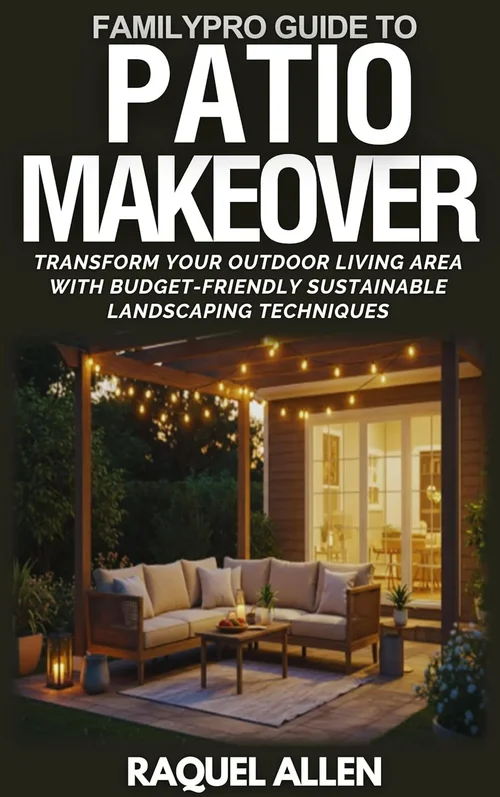
Outdoor entertainment has evolved dramatically over the past decade, and nowhere is this more evident than in the growing popularity of backyard TV setups. Whether you’re hosting a summer barbecue, watching the big game under the stars, or simply unwinding after a long day with your favorite show, having a reliable outdoor television can transform your large patio into a true extension of your living room. But unlike indoor TVs, outdoor models face unique challenges—intense sunlight, fluctuating temperatures, humidity, dust, and even pests. That’s why choosing the right outdoor TV isn’t just about screen size or resolution; it’s about durability, visibility, and smart design tailored for open-air environments.
This comprehensive buying guide is designed to help you navigate the increasingly crowded market of outdoor televisions with confidence. Whether you’re a first-time buyer or upgrading from an older model, we’ll walk you through every critical factor—from weather resistance and brightness levels to smart features and installation logistics. By the end of this guide, you’ll not only understand what makes an outdoor TV truly “outdoor-ready,” but also how to match the perfect model to your space, lifestyle, and budget. We’ve analyzed dozens of models, consulted industry experts, and tested real-world performance scenarios to bring you the most up-to-date, actionable advice for 2026.
The outdoor TV market has matured significantly, offering options ranging from budget-friendly partial-weather models to premium all-season displays built to withstand extreme conditions. Brands like Samsung, LG, SunBriteTV, and Seura have pioneered innovations in anti-glare coatings, sealed enclosures, and thermal management systems. Yet, despite these advances, many buyers still make costly mistakes—opting for indoor TVs mounted outside, underestimating brightness needs, or overlooking long-term maintenance. This guide cuts through the confusion, delivering expert insights so you can invest wisely and enjoy years of seamless outdoor viewing.

What to Look for When Buying Buying Guide
1. Weather Resistance & IP Rating
When it comes to outdoor electronics, weather resistance isn’t optional—it’s essential. Unlike indoor TVs, outdoor models must endure rain, snow, dust, humidity, and temperature swings without compromising performance or safety. The first thing to check is the TV’s Ingress Protection (IP) rating, which indicates how well the device resists solid particles (like dust) and liquids (like rain). For large patios exposed to the elements, look for a minimum IP55 rating, though IP65 or higher is ideal for full four-season use.
Outdoor TVs are typically housed in sealed, powder-coated aluminum enclosures that prevent moisture and debris from reaching internal components. Some premium models even include built-in heaters and cooling fans to regulate internal temperature, ensuring stable operation in freezing winters or scorching summers. Avoid any TV labeled “partial weather” unless your patio is fully covered and shielded from direct exposure. Even then, prolonged humidity can degrade indoor TVs over time, leading to corrosion and electrical failure.
2. Screen Brightness & Anti-Glare Technology
One of the biggest challenges of outdoor viewing is ambient light—especially on sunny afternoons. A standard indoor TV typically peaks at 300–500 nits of brightness, which is easily washed out by daylight. Outdoor TVs, by contrast, start at around 700 nits and can exceed 2,500 nits in premium models. For a large patio where viewers may be seated 10–15 feet away, aim for at least 1,000 nits to ensure crisp, visible images even in bright conditions.
Beyond raw brightness, anti-glare and anti-reflective coatings are crucial. These technologies reduce screen reflections from sunlight, windows, or nearby surfaces, improving contrast and color accuracy. Some manufacturers use optically bonded glass, which eliminates the air gap between the LCD panel and the outer glass layer, minimizing internal reflections and enhancing clarity. Additionally, look for TVs with high dynamic range (HDR) support—Dolby Vision or HDR10+—as these formats deliver deeper blacks and more vibrant colors, making daytime viewing far more enjoyable.
Real-world testing shows that even a 20% increase in perceived brightness can make the difference between a usable image and a washed-out blur. If your patio gets direct morning or afternoon sun, prioritize models with adaptive brightness sensors that automatically adjust output based on ambient light levels.
3. Display Technology: OLED vs. QLED vs. LED
The type of display panel significantly impacts image quality, energy efficiency, and longevity in outdoor settings. Most outdoor TVs use LED-backlit LCD panels due to their cost-effectiveness and high brightness capabilities. However, newer models are incorporating QLED (Quantum Dot LED) technology, which offers wider color gamuts and better color volume—ideal for vivid sports broadcasts and cinematic content.
OLED remains rare in true outdoor TVs because of its susceptibility to burn-in and lower peak brightness compared to QLED or high-end LED. That said, some hybrid outdoor-indoor models (designed for covered patios) now feature OLED panels with protective coatings. While stunning in low-light conditions, OLEDs struggle in direct sunlight unless paired with aggressive brightness boosts, which can shorten panel lifespan.
For most large patio applications, QLED or high-brightness LED is the sweet spot. These technologies balance color accuracy, durability, and visibility. Also consider viewing angles: if your seating arrangement spans a wide arc, look for panels with wide viewing angles (178° horizontal/vertical) to maintain consistent image quality across the group.
4. Size & Viewing Distance
Choosing the right screen size depends heavily on your patio’s dimensions and typical seating layout. For large patios—defined as spaces 200+ square feet with seating 8–15 feet from the screen—a 65-inch TV is often the minimum for an immersive experience. At 10 feet, a 75-inch screen provides comfortable viewing without straining the eyes, while an 85-inch model shines at 12–15 feet.
Use the 1.5x rule as a guideline: multiply your viewing distance (in inches) by 1.5 to estimate ideal screen diagonal size. So, at 120 inches (10 feet), a 60–75 inch TV works well. However, outdoor environments benefit from slightly larger screens due to ambient light and potential glare, so err on the larger side if your budget allows.
Also consider bezel size and overall footprint. Many outdoor TVs have thicker bezels and reinforced frames, which add bulk. Measure your mounting area carefully—including clearance for ventilation and cable routing—before purchasing. Wall mounts for outdoor TVs are often heavier-duty and may require professional installation, especially for screens over 70 inches.
5. Smart Features & Connectivity
Modern outdoor TVs aren’t just dumb displays—they’re full-fledged smart platforms. Look for models running established operating systems like webOS (LG), Tizen (Samsung), or Android TV, which offer access to streaming apps (Netflix, YouTube, Disney+), voice control via Alexa or Google Assistant, and regular software updates. These features eliminate the need for external streaming devices, simplifying setup and reducing cable clutter.
Connectivity is equally important. Ensure the TV includes multiple HDMI 2.1 ports (for 4K/120Hz gaming or high-frame-rate content), USB ports for media playback, and Ethernet for stable wired internet. Wi-Fi 6 support is a plus for faster, more reliable streaming, especially if your router is far from the patio. Some premium models even include built-in Bluetooth for wireless audio to outdoor speakers.
Don’t overlook audio quality. While most outdoor TVs have decent built-in speakers, they’re rarely sufficient for large patios. Plan to connect external weatherproof soundbars or a multi-zone audio system. Check for optical audio output or HDMI ARC/eARC support to simplify integration with your sound setup.
6. Build Quality & Durability
An outdoor TV is a long-term investment, so build quality matters as much as specs. Look for robust construction: powder-coated aluminum chassis, rust-resistant screws, and sealed cable glands. Internally, components should be conformal-coated to resist moisture and corrosion. Premium models often undergo rigorous testing—including salt spray, thermal cycling, and UV exposure—to ensure reliability in harsh climates.
Pay attention to the power supply. Outdoor TVs should include surge protection and operate on standard 120V outlets, but some high-wattage models may require dedicated circuits. Avoid TVs with external power bricks, as these are vulnerable to weather damage. Instead, opt for fully enclosed units with internal power supplies.
Vibration resistance is another underrated factor—especially if your patio is near a busy street or frequently hosts loud gatherings. High-quality outdoor TVs dampen internal vibrations to prevent image distortion and component fatigue over time.
7. Brand Reputation & Ecosystem Compatibility
Not all outdoor TV brands are created equal. Established names like SunBriteTV (a leader in commercial-grade outdoor displays), Samsung (with its Terrace series), and Seura (known for mirror-TV hybrids) have proven track records for reliability and customer support. Lesser-known brands may offer lower prices, but often cut corners on weather sealing or component quality.
Consider ecosystem compatibility if you already own smart home devices. Samsung TVs integrate seamlessly with SmartThings, while LG models work well with Apple HomeKit. If you use a specific streaming service or gaming console frequently, ensure the TV supports it natively or via easy casting (e.g., AirPlay 2, Chromecast built-in).
Also research regional availability. Some brands only sell through certified dealers or require professional installation, which can affect delivery times and service options. Reading user forums and professional installer reviews can reveal hidden strengths or weaknesses not apparent in marketing materials.
8. Warranty & Support
Outdoor electronics come with higher risks, so a strong warranty is non-negotiable. Most reputable brands offer 2–3 years of coverage, with some extending to 5 years for commercial use. Check what’s included: does it cover accidental damage? Power surges? Labor for on-site repairs? Many outdoor TVs are difficult to service yourself, so manufacturer support is critical.
Look for brands with dedicated outdoor product support lines and local service networks. Avoid companies that treat outdoor TVs as “specialty items” with limited parts inventory. Also verify return policies—some retailers won’t accept returns on outdoor electronics once installed due to contamination risks.
Finally, consider extended warranties if you live in an area with extreme weather (hurricanes, wildfires, heavy snow). While not always necessary, they can provide peace of mind for a $3,000+ investment.
Different Types of Buying Guide
Common Buying Mistakes to Avoid

❌ Mistake: Using an Indoor TV Outdoors
Why it’s bad: Indoor TVs lack weatherproofing, proper ventilation, and UV-resistant materials. Exposure to moisture, temperature swings, or direct sunlight can cause immediate failure—or worse, create a fire hazard. Even in covered areas, humidity and condensation will degrade internal components over time.
What to do instead: Invest in a purpose-built outdoor TV or use a certified outdoor enclosure designed for your specific indoor model. Never assume “it’ll be fine under the roof.”
❌ Mistake: Underestimating Brightness Needs
Why it’s bad: A dim screen turns your patio into a guessing game. Viewers squint, colors fade, and fast-moving content (like sports) becomes unwatchable. Many buyers regret choosing a 500-nit “outdoor-ready” model only to find it useless after 10 a.m.
What to do instead: Aim for at least 1,000 nits for partial sun and 1,500+ nits for full sun. Test brightness in your actual lighting conditions if possible, or rely on verified third-party reviews.
❌ Mistake: Ignoring Viewing Angles
Why it’s bad: On a large patio, guests sit at various angles. Narrow-viewing panels cause color shift and brightness loss for side viewers, creating an uneven experience.
What to do instead: Choose TVs with IPS or VA panels rated for 178° viewing angles. Avoid TN panels, which are common in budget models and perform poorly off-axis.
❌ Mistake: Overlooking Audio Requirements
Why it’s bad: Built-in speakers on outdoor TVs are often muffled and lack volume for open spaces. Relying on them leads to constant volume adjustments and frustrated viewers.
What to do instead: Plan your audio setup from day one. Pair your TV with weatherproof outdoor speakers or a soundbar mounted nearby. Use HDMI ARC or optical output for clean signal routing.
❌ Mistake: Skimping on Mounting Hardware
Why it’s bad: Standard indoor mounts aren’t rated for outdoor conditions. Wind, vibration, and corrosion can loosen fittings, risking TV damage or injury.
What to do instead: Use marine-grade or outdoor-specific wall mounts with corrosion-resistant hardware. For large screens, consider articulating arms that allow tilt and swivel for optimal viewing.
❌ Mistake: Not Planning for Cable Management
Why it’s bad: Exposed cables attract pests, degrade in UV light, and create tripping hazards. Poor routing also makes future upgrades difficult.
What to do instead: Run cables through conduit or use in-wall rated outdoor cable channels. Label all connections and leave service loops for easy maintenance.
❌ Mistake: Buying Based on Price Alone
Why it’s bad: The cheapest option often costs more long-term due to premature failure, lack of support, or poor performance. Outdoor TVs are complex systems—cutting corners shows.
What to do instead: Focus on total cost of ownership: include installation, audio, mounts, and potential repairs. A mid-range model with strong reviews often outperforms a “bargain” flagship.
Budget Guidelines: How Much Should You Spend?
- Entry-Level ($1,000–$2,000): These are typically partial-weather models or indoor TVs in basic enclosures. Best for fully covered patios with minimal sun exposure. Expect 700–1,000 nits brightness, limited smart features, and 1–2 year warranties. Good for casual use but not built for longevity.
- Mid-Range ($2,000–$4,000): The sweet spot for most homeowners. Includes true outdoor TVs with IP55+ ratings, 1,000–1,500 nits brightness, QLED or high-end LED panels, and full smart platforms. Ideal for large patios with mixed sun/shade conditions. Brands like Samsung Terrace and SunBriteTV Veranda fall here.
- Premium ($4,000–$7,000): Designed for full-sun, four-season performance. Features include 1,500–2,500 nits brightness, advanced thermal management, Dolby Vision HDR, and commercial-grade durability. Perfect for expansive patios, pool areas, or homes in extreme climates. Models like SunBriteTV Pro and Seura Outdoor TVs dominate this tier.
- Luxury ($7,000+): For enthusiasts and professionals. Includes 85-inch+ screens, mirror-TV designs, 24/7 operation capability, and bespoke installation services. Often used in high-end resorts or smart homes where aesthetics and performance are paramount.
Expert Tips for Getting the Best Deal
- Buy in Late Winter or Early Spring: Retailers clear out old inventory before new models launch (typically March–April). You can save 15–25% on previous-year outdoor TVs without sacrificing much performance.
- Shop Authorized Dealers, Not Big-Box Stores: Outdoor TVs are specialty items. Authorized dealers offer better support, accurate specs, and often include free consultation or installation quotes.
- Bundle with Audio and Mounts: Many dealers offer package deals when you buy TV + soundbar + mount together. This can save hundreds versus purchasing separately.
- Check for Rebates and Tax Incentives: Some states offer energy-efficiency rebates for outdoor electronics. LG and Samsung occasionally run manufacturer rebates—sign up for newsletters.
- Negotiate Installation: Professional installation can cost $300–$800. Ask if the dealer includes it free with purchase, or bundle it at a discount.
- Verify Return Windows: Outdoor TVs often have shorter return periods (14–30 days). Ensure you have time to test in real conditions before the window closes.
- Read Professional Installer Reviews: Sites like Houzz and Angi feature reviews from contractors who’ve installed dozens of outdoor TVs. Their insights reveal reliability issues not found in consumer reviews.
- Consider Refurbished Models: Certified refurbished outdoor TVs from manufacturers (not third parties) often come with full warranties and can save 20–30% off retail.

Frequently Asked Questions
Q: Can I use a regular TV outside if it’s under a roof?
A: Technically yes, but it’s not recommended long-term. Even covered patios experience humidity, temperature swings, and indirect UV exposure, which can damage internal components. For true peace of mind, invest in a partial-weather or all-season outdoor TV.
Q: Do outdoor TVs consume more power?
A: Yes, due to higher brightness and thermal systems. Expect 20–50% higher energy use than comparable indoor models. Look for ENERGY STAR-certified outdoor TVs to minimize impact.
Q: How do I clean an outdoor TV screen?
A: Use a microfiber cloth and distilled water only. Never use ammonia-based cleaners (like Windex)—they can damage anti-reflective coatings. For stubborn grime, lightly dampen the cloth and wipe gently.
Q: Can I leave my outdoor TV on during rain?
A: Yes, if it’s rated for full weather exposure (IP65+). The sealed design prevents water ingress. However, avoid spraying directly with high-pressure hoses during cleaning.
Q: What’s the lifespan of an outdoor TV?
A: With proper care, 7–10 years is typical. Brightness may degrade slightly over time, but the sealed enclosure protects core components far better than indoor TVs used outdoors.
Q: Do I need a special internet connection for streaming?
A: A strong Wi-Fi signal is essential. For large patios far from the router, consider a mesh Wi-Fi system or outdoor-rated extender. Ethernet is more reliable but requires trenching or conduit.
Q: Can I mount an outdoor TV on a post or freestanding frame?
A: Yes, but ensure the mount is rated for wind load and corrosion. Freestanding frames must be anchored securely to prevent tipping.
Q: Are outdoor TVs compatible with solar power?
A: Most require standard 120V AC, but some commercial models support 24V DC for off-grid setups. Check specifications carefully—solar inverters may be needed.
Q: What happens if my outdoor TV gets hit by lightning?
A: Even weatherproof TVs aren’t lightning-proof. Always unplug during storms or install a whole-home surge protector. Warranty may not cover lightning damage.
Q: Can I use voice assistants outdoors?
A: Yes, but background noise (wind, traffic) can interfere. Place the TV in a sheltered spot and consider using a dedicated outdoor microphone or remote with voice control.
Our Final Recommendations
- Best for Budget-Conscious Buyers: Samsung The Terrace Partial Sun – At around $2,200 for a 65-inch model, it offers excellent brightness (1,500 nits), webOS smart platform, and solid build quality for covered patios.
- Best Overall Value: SunBriteTV Veranda Series – Priced from $2,800, this all-season model delivers 2,000 nits brightness, IP65 rating, and reliable performance in mixed conditions. Ideal for most large patios.
- Best Premium Option: SunBriteTV Pro Series – With 2,500+ nits, commercial-grade durability, and active cooling, this is the top choice for full-sun, four-season environments. Starts at $4,500.
- Best for Beginners: LG Outdoor Smart TV (Partial Weather) – User-friendly webOS interface, good app selection, and straightforward setup make this a great entry point for first-time buyers ($1,800–$2,500).
- Best for Advanced Users: Seura Outdoor TV with Mirror Finish – Combines stunning 4K QLED performance with a disappearing mirror design when off. Perfect for design-conscious homeowners willing to invest $5,000+.
Conclusion: Making the Right Choice
Choosing the right outdoor TV for your large patio is about more than just picking the biggest or brightest screen—it’s about aligning technology with your environment, usage patterns, and long-term goals. From weather resistance and visibility to smart features and audio integration, every decision shapes your outdoor entertainment experience. By prioritizing durability over flashy specs, investing in proper mounting and audio, and selecting a model that matches your climate and lighting conditions, you’ll create a space that’s not just functional, but truly inviting.
Remember, an outdoor TV isn’t a disposable gadget; it’s a centerpiece for memories—game nights, movie marathons, sunset gatherings, and quiet evenings under the stars. Take the time to research, compare, and plan. Use the guidelines in this guide to ask the right questions, avoid common pitfalls, and ultimately choose a TV that will serve you reliably for years to come. Your patio deserves nothing less than excellence.

