
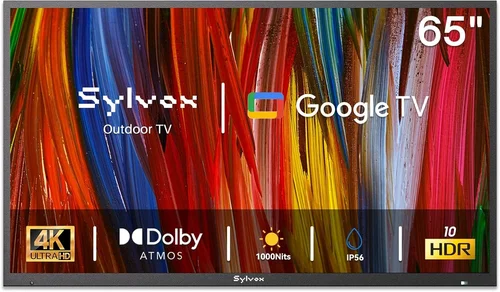
Outdoor living spaces have evolved far beyond simple patios and balconies. Today, they’re extensions of our homes—fully equipped entertainment zones where we host friends, unwind after work, or enjoy a quiet morning coffee with a view. As more people invest in creating comfortable, functional outdoor environments, one question keeps coming up: Can I put a TV outside? The short answer is yes—but not just any TV will do. Standard indoor televisions aren’t built to withstand the elements, and using one outdoors can lead to poor picture quality, premature failure, or even safety hazards.
That’s where outdoor TVs come in. Designed specifically for open-air or semi-covered spaces like patios, balconies, gazebos, and pool decks, these specialized displays are engineered to deliver reliable performance under real-world conditions. Whether you’re watching the big game under the stars or catching up on your favorite series during a summer evening, an outdoor TV ensures you don’t sacrifice image quality or durability. But with so many options flooding the market—from weatherproof models to ultra-bright screens and smart connectivity features—it’s easy to feel overwhelmed. That’s exactly why this guide exists.
In this comprehensive buying guide, you’ll learn everything you need to know to make a smart, informed decision when shopping for an outdoor TV. We’ll walk you through the key factors that matter most—like brightness, weather resistance, build quality, and smart features—and explain how they impact real-world use. You’ll discover the different types of outdoor TVs available, understand common pitfalls to avoid, and get expert-backed tips for finding the best deal. Whether you’re working with a tight budget or ready to splurge on a premium model, this guide will help you find the perfect TV for your balcony or patio setup.
The outdoor TV market has grown significantly in recent years, driven by advancements in display technology and increasing consumer demand for outdoor entertainment. Brands like Samsung, LG, Sony, SunBriteTV, and Seura now offer dedicated outdoor models that rival—and sometimes surpass—their indoor counterparts in terms of picture quality and resilience. However, not all “outdoor-ready” TVs are created equal. Some are merely indoor TVs marketed as suitable for covered patios, while others are fully sealed, IP-rated units built from the ground up for harsh environments. Understanding these differences is crucial. By the end of this guide, you’ll be equipped with the knowledge to cut through the marketing noise, compare models effectively, and choose a TV that delivers stunning visuals, long-term reliability, and seamless integration into your outdoor lifestyle.

What to Look for When Buying Buying Guide
1. Brightness & Display Performance
One of the most critical factors when choosing an outdoor TV is screen brightness, measured in nits. Indoor TVs typically range from 250 to 500 nits, which is fine for dimly lit living rooms but completely inadequate for outdoor use. Sunlight, even on overcast days, can wash out standard displays, making images appear dull or invisible. For patios and balconies exposed to direct or indirect sunlight, you’ll want a TV with a minimum brightness of 700 nits—but ideally 1,000 nits or higher for optimal visibility.
Outdoor TVs use advanced anti-glare coatings, high-luminance LED backlighting, and sometimes optical bonding (a process that eliminates air gaps between the screen layers) to enhance contrast and reduce reflections. These technologies work together to maintain color accuracy and detail even in bright conditions. For example, SunBriteTV’s Veranda series offers up to 1,000 nits of brightness, while their premium Pro series pushes beyond 2,500 nits—ideal for south-facing patios with intense sun exposure.
Additionally, consider the TV’s contrast ratio and color gamut. A high dynamic range (HDR) capable display will deliver deeper blacks and more vibrant colors, which is especially noticeable during sunset viewing or nighttime movies. Look for support for HDR10, Dolby Vision, or HLG formats if you plan to stream premium content. Also, pay attention to viewing angles—many outdoor setups involve seating at various positions, so an IPS panel with wide viewing angles (178 degrees) ensures consistent picture quality from the side.
2. Weather Resistance & IP Rating
Not all outdoor TVs are built to the same standard when it comes to weather protection. While some manufacturers claim their TVs are “weather-resistant,” this term is vague and often misleading. What you really need is a TV with a certified Ingress Protection (IP) rating, which indicates how well the unit resists dust and moisture.
For outdoor use, look for an IP55 or higher rating. IP55 means the TV is protected against dust ingress (limited) and water jets from any direction—perfect for rain, sprinklers, or accidental splashes. Higher ratings like IP65 offer complete dust protection and resistance to low-pressure water jets, making them suitable for more exposed locations. Some premium models, such as those from Seura, feature fully sealed enclosures with no ventilation holes, preventing moisture and insects from entering the internal components.
Beyond the IP rating, consider the TV’s operating temperature range. Most outdoor TVs are designed to function reliably between -22°F and 122°F (-30°C to 50°C), which covers nearly all climates. However, extreme heat can still affect performance—especially in enclosed spaces like balcony cabinets. Ensure the TV has adequate heat dissipation, either through passive cooling or built-in fans (though fanless designs are quieter and more reliable long-term).
Also, check the materials used in the chassis. Aluminum or powder-coated steel housings resist rust and corrosion better than plastic, which can degrade over time when exposed to UV rays and humidity. Avoid TVs with exposed screws or unsealed ports, as these are vulnerable points for water intrusion.
3. Build Quality & Durability
An outdoor TV isn’t just a display—it’s a long-term investment in your outdoor space. As such, build quality should be a top priority. Unlike indoor TVs, which sit safely behind glass or in climate-controlled rooms, outdoor models face constant exposure to temperature swings, UV radiation, humidity, and physical wear. A poorly constructed TV may look fine at first but could develop issues like screen fogging, component failure, or color degradation within a year.
Look for TVs with robust, all-metal exteriors and reinforced internal components. High-end models often use commercial-grade parts rated for 24/7 operation, similar to those found in digital signage. These components are built to last longer under continuous use and harsh conditions. For instance, SunBriteTV uses industrial-grade power supplies and capacitors that exceed standard consumer ratings.
Another aspect of durability is the screen itself. Tempered glass or optically bonded panels are more resistant to scratches, impacts, and thermal stress. Some models also include protective films or removable covers for added security during storms or off-seasons. If you live in an area prone to hail, strong winds, or heavy debris, consider a TV with a reinforced front panel or a compatible outdoor enclosure.
Mounting hardware is equally important. Ensure the TV comes with or is compatible with VESA-standard outdoor mounts that can withstand wind loads and vibrations. A secure, stable mount prevents accidents and ensures the TV stays level and functional over time.
4. Smart Features & Connectivity
Just because a TV is designed for outdoor use doesn’t mean it should lack modern conveniences. Today’s best outdoor TVs come equipped with full smart TV platforms, allowing you to stream content directly without needing an external device. Look for models running Android TV, webOS (LG), Tizen (Samsung), or Roku OS—these platforms offer access to popular apps like Netflix, YouTube, Disney+, and Amazon Prime Video.
Wi-Fi 5 (802.11ac) or Wi-Fi 6 connectivity ensures fast, stable streaming, even at a distance from your router. Some premium models include dual-band or tri-band support to reduce interference and maintain performance during peak usage. Ethernet ports are also valuable for wired connections, especially if your outdoor space has a network drop or you prefer the reliability of a hardwired link.
HDMI inputs are essential for connecting gaming consoles, Blu-ray players, or streaming boxes like Apple TV or Roku Ultra. Aim for at least two HDMI 2.0 or 2.1 ports to future-proof your setup. USB ports allow for media playback or firmware updates, while audio outputs (optical or 3.5mm) let you connect external speakers or soundbars for enhanced audio.
Voice control integration is another plus. Many outdoor TVs support Google Assistant or Alexa, enabling hands-free operation—perfect when you’re grilling or lounging with friends. Just say “Hey Google, play the game” and your TV responds instantly.
5. Size & Viewing Distance
Choosing the right screen size depends on your available space and typical viewing distance. A TV that’s too large can overwhelm a small balcony, while one that’s too small may be hard to see from a distance. As a general rule, multiply your viewing distance (in inches) by 0.84 to determine the ideal screen diagonal.
For example, if you’ll be sitting 8 feet (96 inches) away, a 75-inch TV (96 × 0.84 ≈ 80.6) would be appropriate. On a compact balcony where viewers are 5–6 feet away, a 55-inch or 65-inch model is usually sufficient. Keep in mind that outdoor environments often have more ambient light, so a slightly larger screen can improve immersion without sacrificing clarity.
Also consider the physical dimensions and weight of the TV. Larger models require stronger mounts and may not fit in enclosed cabinets or under low-hanging roofs. Measure your space carefully, including clearance for ventilation and cable routing. Some outdoor TVs are designed with slim profiles or front-facing ports to simplify installation in tight spaces.
6. Brand Reputation & Reliability
Not all outdoor TV brands are created equal. While major consumer electronics companies like Samsung and LG now offer outdoor models, specialized brands like SunBriteTV, Seura, and Avid Power have decades of experience designing displays specifically for outdoor use. These companies understand the unique challenges of outdoor environments and build their products accordingly.
Research customer reviews, professional ratings, and industry awards. Look for brands with a track record of reliability, responsive customer service, and transparent warranty policies. Avoid unknown or generic brands that offer suspiciously low prices—these often cut corners on materials, components, or testing.
Established outdoor TV manufacturers typically provide detailed specifications, including real-world performance data, environmental testing results, and compatibility guides. They also offer better support for installation, troubleshooting, and repairs. For example, SunBriteTV provides a 2-year warranty and free technical support, while Seura includes a lifetime warranty on select models.
7. Warranty & Support
A strong warranty is a sign of a manufacturer’s confidence in their product—and your protection against defects or failures. Most reputable outdoor TV brands offer warranties ranging from 1 to 3 years, with some premium models extending coverage up to 5 years or even lifetime for certain components.
Read the fine print carefully. Some warranties only cover manufacturing defects and exclude damage from improper installation, power surges, or environmental factors. Look for comprehensive coverage that includes parts, labor, and on-site service if available. Extended warranty options are also worth considering, especially for high-end models.
Customer support is equally important. Choose a brand with accessible technical assistance via phone, email, or live chat. Online resources like installation videos, FAQs, and user forums can also help you troubleshoot issues quickly. Avoid brands with poor communication or long response times—you don’t want to be stuck without help if your TV fails during a big event.
8. User Reviews & Real-World Feedback
While specifications and marketing materials provide useful information, nothing beats real-world user experiences. Before making a purchase, read reviews from verified buyers on trusted platforms like Amazon, Best Buy, or specialty AV forums. Pay attention to comments about picture quality in daylight, durability over time, ease of setup, and customer service interactions.
Look for patterns in feedback. If multiple users report the same issue—such as screen fogging, Wi-Fi dropouts, or poor remote range—it’s likely a genuine flaw rather than an isolated incident. Conversely, consistent praise for brightness, weather resistance, or smart features can give you confidence in your choice.
Also consider professional reviews from tech websites and AV experts. These often include side-by-side comparisons, lab testing, and long-term evaluations that go beyond what typical users can provide. Sites like CNET, RTINGS.com, and Sound & Vision frequently review outdoor TVs and offer detailed insights into performance and value.
Different Types of Buying Guide

Common Buying Mistakes to Avoid
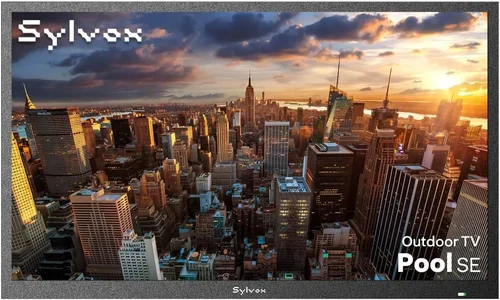
❌ Mistake: Buying an Indoor TV for Outdoor Use
Why it’s bad: Indoor TVs lack the brightness, weather sealing, and thermal management needed for outdoor environments. They can overheat, suffer screen burn-in, or fail prematurely when exposed to moisture, dust, or temperature extremes. In worst cases, water ingress can cause electrical shorts or fire hazards.
What to do instead: Always choose a TV specifically designed for outdoor use. If budget is a concern, consider a covered patio model or an indoor TV in a certified outdoor enclosure—but never use a standard TV directly outside.
❌ Mistake: Ignoring the IP Rating
Why it’s bad: Without a proper IP rating, you have no guarantee the TV can handle rain, humidity, or dust. Many “outdoor-ready” TVs are only splash-resistant, not fully waterproof, leaving them vulnerable to damage during storms or high-humidity days.
What to do instead: Verify the IP rating before purchasing. For exposed areas, insist on IP65 or higher. Check manufacturer documentation and avoid vague claims like “weather-resistant” without certification.
❌ Mistake: Overlooking Brightness Requirements
Why it’s bad: A dim screen will be unwatchable in daylight, defeating the purpose of having an outdoor TV. Even on cloudy days, ambient light can wash out images on TVs under 700 nits.
What to do instead: Match brightness to your environment. Use 700–1,000 nits for shaded areas and 1,500+ nits for full sun exposure. Test the TV in similar lighting if possible.
❌ Mistake: Skimping on Mounting Hardware
Why it’s bad: Weak or incompatible mounts can lead to TVs falling, especially in windy conditions. This poses safety risks and can damage the TV or surrounding property.
What to do instead: Invest in a heavy-duty, VESA-compatible outdoor mount rated for your TV’s size and weight. Consider tilt or full-motion mounts for optimal viewing angles.
❌ Mistake: Neglecting Audio Quality
Why it’s bad: Most outdoor TVs have small, downward-firing speakers that struggle to deliver clear sound in open spaces. Wind, traffic, and ambient noise can drown out dialogue.
What to do instead: Plan for external audio. Use weatherproof speakers, a soundbar, or wireless headphones. Many outdoor TVs support Bluetooth or optical audio output for easy integration.
❌ Mistake: Forgetting About Power and Connectivity
Why it’s bad: Running long cables across your patio or balcony can be unsafe and unsightly. Poor Wi-Fi signal can cause buffering or disconnections.
What to do instead: Ensure your outdoor space has a nearby GFCI-protected power outlet and consider a Wi-Fi extender or mesh network. Use weatherproof cable conduits to protect wires.
❌ Mistake: Not Planning for Seasonal Storage
Why it’s bad: In colder climates, leaving an outdoor TV exposed during winter can reduce its lifespan. Snow, ice, and freezing temperatures may damage components.
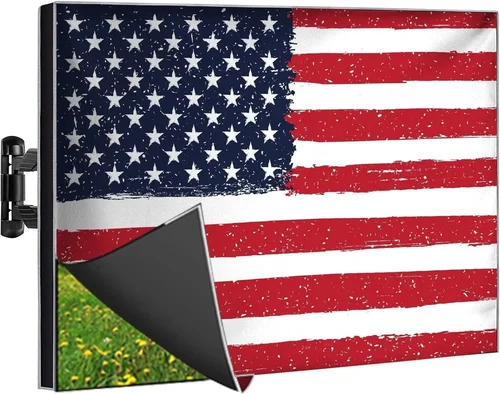
What to do instead: If possible, store the TV indoors during off-seasons or use a protective cover. Choose a model with a wide operating temperature range if year-round use is intended.
Budget Guidelines: How Much Should You Spend?
- Entry-Level ($800 – $1,500): These are typically indoor TVs housed in basic outdoor enclosures or low-cost covered patio models. Expect 500–700 nits brightness, limited smart features, and minimal weather sealing. Best for shaded balconies with minimal exposure. Examples include modified Roku or Amazon Fire TVs in third-party cases.
- Mid-Range ($1,500 – $3,500): The sweet spot for most homeowners. These TVs offer 700–1,200 nits brightness, IP55 ratings, full smart platforms, and solid build quality. Ideal for covered patios and partially exposed balconies. Brands like SunBriteTV Veranda and LG’s outdoor-ready OLEDs fall here.
- Premium ($3,500 – $6,000): Designed for full outdoor exposure, these models feature 1,500+ nits brightness, IP65+ ratings, commercial-grade components, and advanced HDR support. Perfect for pool decks, open patios, and high-end outdoor kitchens. SunBriteTV Pro and Seura Shade series are top contenders.
- Luxury ($6,000+): Top-tier units with 2,500+ nits, fully sealed designs, 24/7 operation capability, and professional installation support. Often used in luxury homes, resorts, or commercial venues. Include features like anti-vandal glass, remote monitoring, and extended warranties.
Expert Tips for Getting the Best Deal
- Shop During Off-Seasons: Outdoor TVs see peak demand in spring and summer. Buy in late fall or winter for discounts of 15–30% as retailers clear inventory.
- Compare Retailers: Check specialty AV stores, big-box retailers, and online marketplaces. Some brands (like SunBriteTV) sell directly with free shipping and installation guides.
- Bundle Accessories: Look for packages that include mounts, cables, or sound systems. These can save $200–$500 compared to buying separately.
- Check for Rebates: Some manufacturers offer mail-in rebates or trade-in programs for old TVs. Energy-efficient models may also qualify for local utility incentives.
- Read Return Policies: Ensure the seller allows returns within 30 days, especially for large items. Outdoor TVs can be difficult to resell if they don’t meet expectations.
- Test Before Finalizing: If possible, visit a showroom to see the TV in bright lighting. Compare side-by-side models to judge brightness and color accuracy.
- Consider Refurbished Models: Certified refurbished outdoor TVs from reputable sellers often come with full warranties and cost 20–40% less than new units.
- Plan for Installation: Factor in professional installation costs if you’re not DIY-savvy. Proper mounting and cable management are essential for safety and performance.

Frequently Asked Questions
Q: Can I use a regular TV on my covered balcony?
A: Technically yes, but it’s not recommended for long-term use. Covered balconies still experience humidity, temperature swings, and occasional moisture. A dedicated covered patio TV or an indoor TV in a weatherproof enclosure is a safer, more reliable choice.
Q: Do outdoor TVs need special power outlets?
A: They use standard 120V outlets, but it’s best to connect them to a GFCI (Ground Fault Circuit Interrupter) outlet for safety, especially in damp areas. Avoid extension cords; run permanent wiring if needed.
Q: How do I clean an outdoor TV screen?
A: Use a microfiber cloth and a mild cleaner designed for electronics. Avoid ammonia-based cleaners or abrasive materials. Turn off and unplug the TV before cleaning.
Q: Will an outdoor TV work in the rain?
A: Only if it has an IP65 or higher rating. Lower-rated models may survive light drizzle but aren’t safe in heavy rain. Always check the manufacturer’s guidelines.
Q: Can I leave my outdoor TV on all the time?
A: Most outdoor TVs are designed for continuous use, but it’s best to turn them off when not in use to extend lifespan and save energy. Commercial-grade models are built for 24/7 operation.
Q: Do outdoor TVs come with remotes?
A: Yes, but consider upgrading to a weather-resistant remote or using a smartphone app for better control in outdoor conditions.
Q: Are outdoor TVs energy efficient?
A: Modern outdoor TVs use LED backlighting and efficient processors, but high brightness increases power consumption. Look for ENERGY STAR certification if efficiency is a priority.
Q: Can I mount an outdoor TV on a brick or concrete wall?
A: Yes, but you’ll need masonry anchors and a heavy-duty mount. Consult a professional if you’re unsure about structural integrity.
Q: What’s the difference between an outdoor TV and a digital signage display?
A: Digital signage displays are built for 24/7 commercial use, often lack smart features, and may not support consumer streaming apps. Outdoor TVs prioritize home entertainment with full smart platforms and HDR support.
Q: How long do outdoor TVs last?
A: With proper care, most outdoor TVs last 7–10 years. Premium models with commercial components can exceed 10 years of reliable service.
Our Final Recommendations
- Best for Budget-Conscious Buyers: SunBriteTV Veranda 55-inch – Offers 1,000 nits brightness, IP55 rating, and full smart features under $2,500. Ideal for covered patios.
- Best Overall Value: Seura Shade 65-inch – Combines 1,500 nits brightness, IP65 sealing, and elegant design at a mid-premium price. Perfect balance of performance and durability.
- Best Premium Option: SunBriteTV Pro 75-inch – With 2,500+ nits, fully sealed chassis, and commercial-grade internals, this is the ultimate choice for exposed outdoor spaces.
- Best for Beginners: LG OLED G3 Outdoor Edition – Leverages LG’s renowned picture quality with outdoor enhancements. Great for those familiar with LG’s smart platform.
- Best for Advanced Users: Avid Power Outdoor 85-inch Commercial Display – Built for 24/7 use, supports remote management, and integrates with home automation systems. Ideal for tech-savvy enthusiasts.
Conclusion: Making the Right Choice
Choosing the right outdoor TV for your patio or balcony is about more than just picture quality—it’s about creating a reliable, enjoyable entertainment experience that stands up to the elements. By focusing on key factors like brightness, weather resistance, build quality, and smart features, you can narrow down your options and find a model that fits both your space and your lifestyle.
Remember, not all outdoor TVs are equal. A TV that works perfectly on a shaded balcony may fail on a sun-drenched patio. Likewise, a budget indoor TV in a case might save money upfront but cost more in repairs and replacements down the line. Invest in a purpose-built solution that matches your environment, usage patterns, and long-term goals.
Take the time to assess your needs, read real user reviews, and compare specifications carefully. Use the budget guidelines and expert tips in this guide to stretch your dollars further and avoid common pitfalls. And don’t forget the little things—like audio, mounting, and cable management—that can make or break your outdoor setup.
Ultimately, the best outdoor TV is the one that delivers consistent performance, stunning visuals, and peace of mind season after season. Whether you’re hosting a backyard movie night or enjoying a quiet evening under the stars, your outdoor TV should enhance the experience—not complicate it. With the knowledge from this guide, you’re now equipped to make a confident, informed decision. So go ahead—transform your patio or balcony into the ultimate outdoor entertainment zone. Your perfect TV is out there.

