
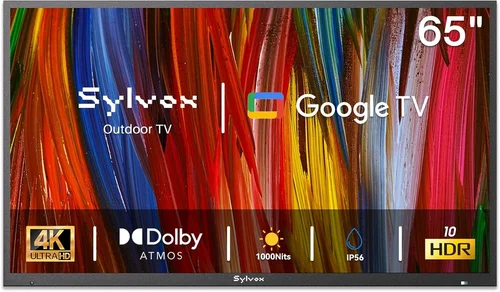
Outdoor living spaces have evolved far beyond simple patios with a table and chairs. Today’s homeowners are transforming their backyards, decks, and covered porches into full-fledged entertainment zones—complete with grills, fire pits, sound systems, and yes, outdoor televisions. But if you live in a windy area—whether it’s a coastal home, a mountain retreat, or a breezy suburban yard—adding a TV to your outdoor setup comes with unique challenges. Standard indoor TVs simply won’t cut it. They aren’t built to withstand temperature swings, humidity, dust, or, crucially, strong gusts of wind that can topple unsecured mounts or damage delicate electronics.
That’s why choosing the right patio TV for windy conditions isn’t just about picture quality or smart features—it’s about safety, durability, and long-term reliability. A poorly chosen setup could mean a shattered screen after a storm, constant readjustments due to mount wobble, or even a dangerous fall if the mounting system fails. This guide is designed to help you navigate those risks and make an informed decision. Whether you’re looking to catch the big game under the stars or enjoy movie nights al fresco, we’ll walk you through everything you need to know: from weatherproofing and mounting solutions to performance specs and budget considerations. By the end, you’ll have a clear roadmap to find a TV that not only delivers stunning visuals but also stands firm when the wind picks up.
The market for outdoor TVs has grown significantly in recent years, driven by advances in display technology and increased demand for outdoor entertainment. Major brands like Samsung, LG, Sony, and specialized outdoor manufacturers such as SunBriteTV, Seura, and Peerless have stepped up their game, offering models specifically engineered for exterior use. These aren’t just indoor TVs slapped in a plastic box—they’re built from the ground up with sealed components, anti-glare screens, and robust enclosures. However, not all outdoor TVs are created equal, especially when it comes to wind resistance. Some are designed for fully covered patios with minimal exposure, while others can handle open-air environments with high wind loads. Understanding these differences is key to avoiding costly mistakes and ensuring your investment lasts for years.

What to Look for When Buying Buying Guide
1. Weather Resistance & IP Rating
When shopping for a patio TV, especially in windy areas where rain, dust, and debris are often carried by gusts, weather resistance is non-negotiable. Look for TVs with a high Ingress Protection (IP) rating—specifically IP55 or higher. An IP55 rating means the TV is protected against low-pressure water jets from any direction and limited dust ingress, which is essential for outdoor use. For harsher environments, consider IP65 or IP66 ratings, which offer even greater protection against water and dust. These ratings ensure that internal components remain safe from moisture and particulate matter that could otherwise cause corrosion or short circuits.
Beyond the IP rating, check if the TV is specifically labeled as “outdoor” or “all-weather.” These models typically feature sealed ports, corrosion-resistant screws, and specialized gaskets to prevent water from seeping into the chassis. Avoid using indoor TVs with DIY weatherproof enclosures unless they’re certified for outdoor use—many such enclosures don’t provide adequate ventilation or structural support, leading to overheating or instability in windy conditions.
2. Mounting System & Wind Load Capacity
The mounting system is arguably the most critical factor in windy areas. A high-quality outdoor TV mount must be rated for wind loads and capable of securing the TV firmly to a stable surface. Look for mounts labeled as “heavy-duty” or “wind-resistant,” with specifications that include maximum wind speed tolerance—ideally 70 mph or higher. These mounts often feature reinforced brackets, locking mechanisms, and tilt or swivel functions that allow you to angle the screen away from direct wind exposure.
Consider the type of mount: fixed, tilt, full-motion, or ceiling-mounted. For windy patios, a fixed or tilt mount is usually the safest choice, as it minimizes movement and reduces the risk of sway. Full-motion mounts, while convenient for adjusting viewing angles, have more moving parts and are more susceptible to vibration and loosening over time. Always anchor the mount to a solid structure—like a concrete wall or steel beam—rather than wood siding or drywall, which may not hold up under repeated stress from wind.
3. Screen Brightness & Anti-Glare Technology
Outdoor viewing presents unique challenges for screen visibility. Sunlight, reflections, and ambient light can wash out even the brightest indoor TVs. For patios—especially those exposed to direct sun—look for TVs with high brightness levels, measured in nits. An outdoor TV should have at least 700 nits, but ideally 1,000 nits or more for clear visibility during the day. Many outdoor models use direct-lit LED or OLED panels with enhanced luminance to combat glare.
Equally important is anti-glare or anti-reflective coating. These coatings reduce mirror-like reflections from windows, water features, or shiny surfaces nearby. Some premium outdoor TVs also feature optically bonded glass, which minimizes air gaps between the screen and protective layer, further reducing reflections and improving clarity. Without these features, you may find yourself constantly adjusting the TV’s position or only watching after sunset—defeating the purpose of an outdoor entertainment system.
4. Build Quality & Materials
Durability starts with construction. Outdoor TVs should be built with rugged, weather-resistant materials such as powder-coated aluminum, stainless steel, or reinforced polymers. These materials resist rust, UV degradation, and thermal expansion—common issues in outdoor environments. Avoid TVs with plastic casings unless they’re specifically engineered for exterior use; standard plastics can become brittle and crack under temperature fluctuations or UV exposure.
Pay attention to the finish and seams. High-quality outdoor TVs have seamless designs with minimal gaps where water or dust could enter. Look for models with sealed cable management systems and removable back panels for easy maintenance. Additionally, check if the TV includes a built-in heater or cooling system. These features help regulate internal temperature, preventing condensation in humid climates or overheating in direct sunlight—both of which can shorten the lifespan of the display.
5. Smart Features & Connectivity
Just because a TV is built for the outdoors doesn’t mean it should lack modern conveniences. Most outdoor TVs now come with smart platforms like Android TV, webOS, or Roku, allowing you to stream content directly without external devices. This is especially useful for patios where running HDMI cables from an indoor receiver can be impractical. Look for models with built-in Wi-Fi (preferably dual-band 2.4GHz and 5GHz) for stable streaming, even at a distance from your router.
Connectivity options are also important. Ensure the TV has multiple HDMI ports, USB inputs, and possibly optical audio output for connecting soundbars or outdoor speakers. Some models include weatherproof cable ports with rubber grommets to protect connections from moisture. If you plan to use gaming consoles or streaming sticks, verify compatibility and port placement—some outdoor TVs place ports in hard-to-reach areas, making setup cumbersome.
6. Size & Viewing Distance
Choosing the right screen size depends on your patio layout and typical viewing distance. For most outdoor setups, a 55-inch to 75-inch TV is ideal. Smaller screens (under 50 inches) may be hard to see from a distance, especially in bright conditions, while larger screens (80+ inches) require more space and a sturdier mount. Use the 1.5x rule as a guideline: multiply your viewing distance (in inches) by 1.5 to determine the optimal screen size. For example, if you’re sitting 10 feet (120 inches) away, a 60- to 70-inch TV would be appropriate.
Also consider the TV’s bezel size and overall footprint. Slim bezels provide a more immersive viewing experience and take up less wall space, which is helpful on smaller patios. However, ensure the TV’s weight is compatible with your mount—larger screens can weigh 50+ pounds, requiring heavy-duty hardware. Always measure your mounting area and account for ventilation space (typically 2–4 inches behind the TV) to prevent overheating.
7. Brand Reputation & Specialization
Not all TV brands are equal when it comes to outdoor performance. While mainstream manufacturers like Samsung and LG offer some outdoor-compatible models, companies like SunBriteTV, Seura, and Peerless specialize in all-weather displays and have years of experience engineering for harsh conditions. These brands often provide better customer support, longer warranties, and more reliable performance in extreme environments.
Research customer reviews and look for brands with a proven track record in coastal, desert, or mountainous regions—areas known for high winds and temperature extremes. Avoid lesser-known brands that market “outdoor-ready” TVs without certifications or real-world testing. A reputable brand will also offer detailed installation guides, compatibility charts for mounts, and responsive technical support—critical if you encounter issues after setup.
8. Warranty & Support
Outdoor TVs are a significant investment, so warranty coverage is essential. Look for models with at least a 2- to 3-year warranty, with some premium brands offering up to 5 years. The warranty should cover both the display and external components like the enclosure and mounting hardware. Be wary of warranties that exclude “acts of nature” or “improper installation”—these loopholes can leave you unprotected if wind damage occurs.
Check the manufacturer’s support network. Do they offer phone, email, or chat support? Are replacement parts readily available? Some brands provide on-site service or partner with local installers, which can save time and hassle. Also, verify if the warranty is transferable—this adds value if you sell your home. A strong warranty and support system reflect the manufacturer’s confidence in their product and your peace of mind.
Different Types of Buying Guide

Common Buying Mistakes to Avoid
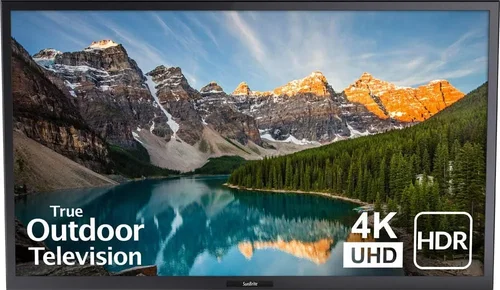
❌ Mistake: Using an Indoor TV Outdoors
Why it’s bad: Indoor TVs lack weatherproofing, proper ventilation, and UV-resistant materials. Exposure to moisture, temperature swings, and sunlight can cause immediate damage, including screen burn, corrosion, and electrical failure. In windy areas, the risk is even higher—moisture carried by wind can seep into vents and ports.
What to do instead: Invest in a TV specifically designed for outdoor use. These models are engineered with sealed components, anti-corrosion coatings, and thermal management systems. If budget is a concern, consider a semi-outdoor solution with a certified weatherproof enclosure, but never use an indoor TV without proper protection.
❌ Mistake: Choosing the Wrong Mount for Windy Conditions
Why it’s bad: A weak or improperly installed mount can lead to wobbling, loosening, or complete detachment during high winds. This not only damages the TV but poses a serious safety hazard to people and property below.
What to do instead: Select a heavy-duty, wind-rated mount and install it on a solid structural surface. Use lag bolts into studs or concrete, and consider adding a secondary safety cable as a backup. Avoid mounts with excessive extension arms unless absolutely necessary—shorter, sturdier designs are more stable.
❌ Mistake: Ignoring Local Weather Patterns
Why it’s bad: Wind speed, direction, and frequency vary by location. A TV that works fine in a calm backyard may fail in a coastal area with constant 40+ mph gusts. Ignoring these factors leads to premature wear or failure.
What to do instead: Research your area’s average wind speeds and seasonal patterns. Choose a TV and mount rated for higher wind loads than your typical conditions. If you live near the ocean, also consider salt spray resistance—some outdoor TVs include anti-corrosion treatments for marine environments.
❌ Mistake: Overlooking Cable Management
Why it’s bad: Exposed cables are vulnerable to wind, rain, and UV damage. They can also become tripping hazards or get snagged by patio furniture. Poor cable routing may also void the TV’s warranty if moisture enters through unsealed ports.
What to do instead: Use weatherproof cable conduits or raceways to protect wires. Route cables through the wall or under decking when possible. Choose a TV with sealed cable entry points and consider wireless alternatives (like Bluetooth speakers) to reduce clutter.
❌ Mistake: Skimping on Brightness and Anti-Glare
Why it’s bad: A dim or reflective screen makes outdoor viewing frustrating, especially during the day. You’ll end up watching mostly at night, limiting the TV’s usefulness.
What to do instead: Prioritize brightness (1,000+ nits) and anti-glare technology. Test the screen in similar lighting conditions if possible. Some retailers offer in-home demos or extended return policies for outdoor TVs—take advantage of these to ensure visibility meets your expectations.
❌ Mistake: Buying Based on Price Alone
Why it’s bad: The cheapest outdoor TV may save money upfront but cost more in repairs, replacements, or safety risks. Low-cost models often cut corners on materials, warranties, and wind resistance.
What to do instead: Focus on value, not just price. Consider total cost of ownership, including installation, maintenance, and expected lifespan. A mid-range TV with strong reviews and a solid warranty often outperforms a budget model over time.
❌ Mistake: Neglecting Professional Installation
Why it’s bad: DIY installation can lead to improper mounting, electrical hazards, or voided warranties. In windy areas, even small errors—like loose bolts or incorrect tilt—can have serious consequences.
What to do instead: Hire a certified outdoor TV installer, especially for complex setups or high-wind zones. Professionals have the tools, experience, and insurance to ensure safe, code-compliant installation. Many manufacturers also require professional installation to maintain warranty coverage.
Budget Guidelines: How Much Should You Spend?
- Entry-Level ($800 – $1,500): These are typically semi-outdoor setups using indoor TVs with third-party weatherproof enclosures. Best for covered patios with minimal wind exposure. Expect basic smart features, moderate brightness (500–700 nits), and limited warranty (1–2 years). Ideal for occasional use or mild climates.
- Mid-Range ($1,500 – $3,000): The sweet spot for most homeowners. These are fully enclosed outdoor TVs from reputable brands, offering IP55+ ratings, 700–1,000 nits brightness, and robust mounting compatibility. Include smart platforms, multiple HDMI ports, and 2–3 year warranties. Suitable for windy areas with proper installation.
- Premium ($3,000 – $5,000): Designed for harsh environments, these TVs feature IP65+ ratings, 1,000+ nits brightness, anti-glare glass, and advanced thermal management. Often include commercial-grade mounts, extended warranties (3–5 years), and professional installation support. Perfect for coastal homes, mountain cabins, or open-air patios.
- Luxury ($5,000+): Top-tier models with ultra-bright displays (1,500+ nits), 4K HDR, OLED panels, and custom finishes. Built for 24/7 operation, these are used in high-end resorts, luxury homes, or commercial venues. Include full-service installation, lifetime support, and vandal-resistant designs. Only necessary for extreme conditions or professional use.
Expert Tips for Getting the Best Deal
- Buy During Off-Season: Outdoor TVs are in highest demand during spring and summer. Shop in late fall or winter (October–February) for discounts of 15–30%. Retailers often clear inventory before new models arrive.
- Check Manufacturer Rebates: Brands like SunBriteTV and Seura occasionally offer rebates or bundle deals with mounts and cables. Sign up for newsletters or follow them on social media for alerts.
- Compare Retailers: Prices vary widely between big-box stores, specialty outdoor retailers, and online marketplaces. Use price-tracking tools like Honey or CamelCamelCamel to monitor fluctuations.
- Consider Refurbished Models: Certified refurbished outdoor TVs from reputable sellers can save 20–40% off retail. Ensure they come with a warranty and have been tested for outdoor performance.
- Bundle with Accessories: Some retailers offer discounts when you buy a TV, mount, and soundbar together. This can simplify setup and reduce overall cost.
- Verify Return Policies: Outdoor TVs are harder to return due to size and installation. Choose retailers with at least a 30-day return window and free return shipping.
- Test Before Committing: If possible, visit a showroom or request a demo. Check brightness, sound quality, and ease of use in conditions similar to your patio.
- Invest in a Surge Protector: Outdoor electronics are vulnerable to power surges from lightning or grid fluctuations. Use a weatherproof surge protector with at least 2,000 joules of protection.

Frequently Asked Questions
Q: Can I use a regular TV on my patio if it’s under a roof?
A: Only if it’s fully enclosed and protected from moisture, dust, and temperature extremes. Even under a roof, wind can carry rain and debris. For safety and longevity, use a TV specifically rated for outdoor use.
Q: How do I protect my outdoor TV from strong winds?
A: Use a wind-rated mount, secure it to a solid structure, and consider a fixed or tilt mount to reduce movement. Add a safety cable as a backup, and avoid placing the TV in direct wind paths.
Q: Do outdoor TVs need special power outlets?
A: They use standard 120V outlets, but the circuit should be GFCI-protected for safety. Avoid extension cords; run permanent wiring through conduit if needed.
Q: Can I leave my outdoor TV on during a storm?
A: It’s not recommended. While outdoor TVs are weather-resistant, lightning and extreme winds can cause damage. Turn off and unplug during severe weather if possible.
Q: How long do outdoor TVs last?
A: With proper care, most last 5–10 years. Premium models with commercial-grade components can last even longer. Regular cleaning and maintenance extend lifespan.
Q: Are outdoor TVs worth the cost?
A: If you use your patio frequently and live in a suitable climate, yes. They enhance outdoor living and can increase home value. For occasional use, a portable or semi-outdoor option may suffice.
Q: Can I connect a soundbar to an outdoor TV?
A: Yes, most outdoor TVs have audio outputs. Choose a weatherproof soundbar or use wireless Bluetooth speakers designed for outdoor use.
Q: Do I need a permit to install an outdoor TV?
A: It depends on local building codes. In some areas, wall-mounted TVs over a certain size or weight require permits, especially if structural modifications are made. Check with your local building department.
Q: What’s the difference between IP55 and IP65?
A: IP55 protects against low-pressure water jets and limited dust. IP65 offers complete dust protection and protection against water jets from any direction—better for harsher environments.
Q: Can I paint or modify the TV enclosure?
A: No. Painting or drilling can compromise the weatherproof seal and void the warranty. Use manufacturer-approved accessories only.
Our Final Recommendations
- Best for Budget-Conscious Buyers: SunBriteTV Veranda Series 55-inch – Offers excellent weather resistance, 700 nits brightness, and a solid warranty at under $2,000. Great for covered patios with moderate wind.
- Best Overall Value: Seura Outdoor 65-inch 4K Smart TV – Combines 1,000 nits brightness, IP55 rating, and a sleek design. Includes smart features and a 3-year warranty. Ideal for most windy patios.
- Best Premium Option: Peerless-AV Xtreme Outdoor 75-inch – Built for extreme conditions with IP66 rating, 1,500 nits brightness, and commercial-grade durability. Perfect for coastal or mountain homes.
- Best for Beginners: Samsung The Terrace 55-inch – User-friendly smart platform, easy setup, and reliable performance. Comes with a detailed installation guide and strong customer support.
- Best for Advanced Users: SunBriteTV Pro Series 86-inch – Ultra-bright 2,000 nits display, modular design, and customizable mounting. Designed for professionals and high-end installations.
Conclusion: Making the Right Choice
Choosing the right patio TV for a windy area is about more than just picture quality—it’s about safety, durability, and long-term enjoyment. From weather resistance and wind-rated mounts to brightness and smart features, every detail matters when you’re bringing entertainment outdoors. By prioritizing your specific needs—whether that’s budget, location, or usage frequency—you can find a TV that not only withstands the elements but enhances your outdoor lifestyle.
Remember, the cheapest option isn’t always the best, and cutting corners on installation or mounting can lead to costly consequences. Take the time to research, compare models, and consult with professionals if needed. Your patio is an extension of your home, and with the right TV, it can become a year-round gathering spot for family and friends.
Now that you’re equipped with expert knowledge, it’s time to make your decision. Measure your space, assess your wind conditions, and choose a TV that matches your lifestyle. Whether you’re watching the sunset with a movie or hosting a game-day party, your outdoor TV should deliver reliability and brilliance—no matter what the weather brings.

