
When you live by the coast, your outdoor space isn’t just an extension of your home—it’s a lifestyle. Whether you’re lounging by the pool, hosting sunset soirées, or simply unwinding after a long day with the ocean breeze in your hair, having the right entertainment setup can elevate every moment. That’s where a poolside TV comes in. More than just a screen mounted on the wall, a coastal-ready outdoor TV is engineered to withstand salt air, humidity, intense UV exposure, and sudden weather changes—all while delivering crisp visuals and reliable performance under the open sky.
But not all TVs are created equal when it comes to outdoor use, especially in harsh coastal environments. Standard indoor televisions will quickly succumb to corrosion, screen glare, or internal damage from moisture and salt particles. That’s why choosing the right poolside TV requires careful consideration of durability, visibility, smart features, and environmental resilience. This comprehensive buying guide is designed to help homeowners in seaside communities make informed decisions. You’ll learn how to evaluate key specs, avoid costly mistakes, understand price tiers, and ultimately select a TV that enhances your outdoor living experience for years to come.
The market for outdoor televisions has evolved significantly over the past decade. What once meant bulky, expensive all-weather enclosures now includes sleek, purpose-built models from trusted brands like Samsung, LG, Sony, and specialized outdoor tech companies such as SunBriteTV and Seura. These units are designed from the ground up for outdoor use, with weatherproof casings, anti-reflective screens, and advanced thermal management systems. As smart home integration becomes standard, many poolside TVs now support voice assistants, streaming apps, and seamless connectivity with other outdoor tech like soundbars or lighting systems. With so many options available—and prices ranging from under $1,000 to well over $5,000—it’s essential to know exactly what you’re paying for and whether it aligns with your needs, climate, and budget.

What to Look for When Buying Buying Guide
1. Weather Resistance & IP Rating
Living near the coast means your TV will be constantly exposed to salt spray, high humidity, occasional rain, and even sand. Standard indoor TVs lack the protection needed to survive these conditions—even if they’re placed under a covered patio. That’s why weather resistance is the single most critical factor when choosing a poolside TV.
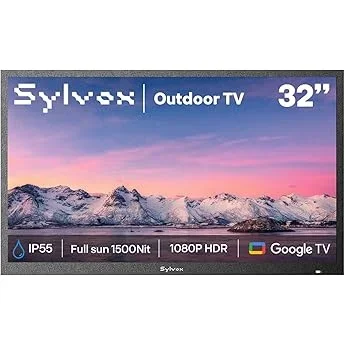
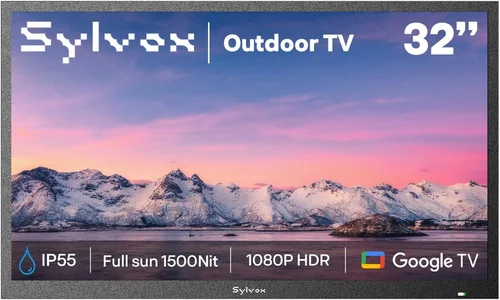
Look for models with an official Ingress Protection (IP) rating. For coastal environments, an IP55 or higher rating is strongly recommended. IP55 means the TV is protected against dust ingress (limited to no harmful deposits) and low-pressure water jets from any direction—ideal for splashes, light rain, or mist from pool water. Some premium models offer IP65 or IP66 ratings, providing even greater protection against dust and powerful water jets, making them suitable for fully exposed areas.
Beyond the IP rating, examine the materials used in construction. Aluminum or powder-coated steel housings resist rust and corrosion better than plastic or untreated metals. Internal components should also be sealed or conformal-coated to prevent salt-induced corrosion. Brands like SunBriteTV use marine-grade materials specifically tested in coastal climates, which can make a significant difference in longevity.
2. Screen Brightness & Anti-Glare Technology
Watching TV outdoors isn’t just about seeing the screen—it’s about seeing it clearly, even in direct sunlight. Standard indoor TVs typically peak at 300–500 nits of brightness, which is fine for a dimly lit living room but nearly invisible under midday sun. For poolside viewing, you need a display that can compete with ambient light.
Outdoor TVs designed for bright environments deliver 700 nits or more, with some high-end models exceeding 1,500 nits. This ensures that colors remain vibrant and details stay sharp, even when the sun is shining directly on the screen. However, brightness alone isn’t enough. Glare from water reflections, windows, or nearby surfaces can wash out the image.
That’s where anti-glare coatings and optically bonded glass come into play. Optically bonded screens eliminate the air gap between the LCD panel and the outer glass, reducing internal reflections and improving contrast. Combined with a matte or low-reflective finish, these technologies significantly enhance visibility in sunny conditions. Some models also feature automatic brightness sensors that adjust output based on ambient light, conserving energy and reducing eye strain during evening viewing.
When comparing models, check for specifications like “high-brightness LED backlight,” “anti-reflective coating,” or “direct sunlight readable.” Avoid TVs that only mention “outdoor use” without specifying brightness levels—many budget options fall short in real-world conditions.
3. Build Quality & Durability
A poolside TV isn’t just exposed to the elements—it’s also subject to temperature swings, vibration from nearby activity, and potential physical impacts (think pool toys or accidental bumps). Build quality directly affects how well your TV withstands these stresses over time.
Start by examining the chassis. Look for rigid, well-sealed enclosures with no visible gaps or flimsy panels. Premium outdoor TVs often use fully sealed designs with gaskets around ports and vents to prevent moisture ingress. Internal cooling systems should be passive (fanless) to avoid drawing in salty air, which can clog fans and cause overheating. Many top-tier models use heat-dissipating heatsinks instead of active cooling.
Mounting hardware is another consideration. Coastal homes often experience strong winds, so your TV must be securely anchored. Ensure the model includes a VESA-compatible mounting pattern and consider investing in a heavy-duty outdoor mount rated for wind loads. Some manufacturers offer optional wall or ceiling mounts designed specifically for their outdoor TVs, which provide better stability and alignment.
Finally, consider the warranty. A robust build should be backed by a comprehensive warranty—ideally 3–5 years with coverage for both parts and labor. Brands that specialize in outdoor electronics often provide longer warranties because they stand behind their durability claims.
4. Smart Features & Connectivity
Today’s outdoor TVs aren’t just passive displays—they’re full-fledged smart entertainment hubs. Whether you’re streaming Netflix during a pool party or checking the weather before heading out, having built-in smart functionality adds convenience and versatility.
Look for models running established platforms like Android TV, webOS (LG), or Tizen (Samsung). These ecosystems offer access to popular apps like YouTube, Disney+, Spotify, and local news channels. Voice control via Google Assistant or Amazon Alexa is increasingly common and especially useful when your hands are wet or occupied.
Connectivity options matter too. Ensure the TV has multiple HDMI ports (preferably HDMI 2.1 for future-proofing), USB inputs for media playback, and robust Wi-Fi (dual-band 2.4GHz/5GHz) for stable streaming. Some models include Ethernet ports for wired connections, which can be more reliable in areas with weak wireless signals.
For integrated outdoor setups, consider TVs that support HDMI-CEC or work with smart home hubs like Apple HomeKit, Samsung SmartThings, or Hubitat. This allows you to control the TV alongside lights, speakers, or irrigation systems using a single app or voice command.
One often-overlooked feature is IR blaster compatibility. If you plan to hide your streaming device (like a Roku or Apple TV) in a weatherproof enclosure, an IR receiver on the TV lets you control it with a standard remote—no line-of-sight required.
5. Audio Performance & External Speaker Support
While visuals are paramount, sound quality shouldn’t be an afterthought. Most outdoor TVs have slim profiles to reduce wind resistance, which limits space for large speakers. As a result, built-in audio is often tinny or underpowered—especially when competing with pool pumps, waves, or background music.
That said, some models include surprisingly capable sound systems. Look for TVs with at least 20W of total output and features like Dolby Audio or DTS Virtual:X for virtual surround sound. However, for the best experience, plan to pair your TV with external speakers.
Outdoor-rated soundbars or wireless speaker systems (like those from Sonos, Bose, or Polk) can dramatically improve audio clarity and volume. Ensure your TV has optical audio output, HDMI ARC/eARC, or Bluetooth 5.0+ for seamless pairing. Some advanced models even support multi-room audio, letting you sync sound across your patio, deck, and backyard.
If you’re mounting the TV high on a wall, consider upward-firing speakers or upward-angled mounts to direct sound toward seated viewers. Avoid placing speakers too close to the pool edge, as chlorine and moisture can damage unprotected electronics.
6. Size & Viewing Distance
Choosing the right screen size isn’t just about aesthetics—it’s about optimal viewing comfort. Too small, and details get lost; too large, and the image becomes overwhelming or pixelated from close range.
A general rule of thumb: for every 1 inch of screen diagonal, allow 1.5 feet of viewing distance. So, a 55-inch TV is best viewed from 6–8 feet away, while a 75-inch model shines at 9–12 feet. In a typical poolside setup with lounge chairs or a sectional sofa, 55–65 inches is often ideal. Larger screens (70+ inches) work well for spacious decks or outdoor theaters but require stronger mounting and higher brightness.
Also consider the TV’s bezel width and overall footprint. Slim bezels create a more immersive experience and look cleaner in modern outdoor designs. Measure your intended mounting space carefully—including clearance for ventilation and cable routing—before purchasing.
If your seating area is partially shaded or used mostly at night, you might get away with a slightly smaller screen. But for all-day use under variable lighting, err on the side of larger size and higher brightness.
7. Brand Reputation & Specialization
Not all TV manufacturers treat outdoor use equally. While mainstream brands like Samsung and LG now offer outdoor-compatible models, companies that specialize in weatherproof electronics often deliver superior performance and support.
SunBriteTV, for example, has been building outdoor TVs since 2004 and tests its products in extreme conditions, including salt fog chambers and thermal cycling labs. Their Veranda and Pro series are engineered specifically for covered and fully exposed installations, respectively. Similarly, Seura focuses on luxury outdoor displays with customizable bezels and integrated lighting.
Mainstream brands may offer lower prices, but their “outdoor” models are sometimes just indoor TVs in weatherproof enclosures—a compromise that can lead to overheating or reduced lifespan. Check whether the model is purpose-built or an add-on solution.
Read professional reviews from outlets like CNET, Wirecutter, or specialized outdoor tech blogs. User forums and Reddit communities (like r/outdoortv) can also reveal real-world insights about reliability, customer service, and long-term performance in coastal areas.
8. Warranty & Customer Support
Outdoor electronics are an investment, and you want assurance that your purchase is protected. A strong warranty reflects confidence in product durability—and gives you peace of mind.
Standard indoor TVs typically come with 1-year limited warranties. Outdoor models should offer at least 3 years, with some premium brands providing 5 years or more. Look for coverage that includes both manufacturing defects and environmental damage (e.g., corrosion from salt air).
Customer support is equally important. Can you reach a human quickly? Do they offer on-site service or expedited replacements? Brands with dedicated outdoor support teams (like SunBriteTV’s “Outdoor Concierge”) tend to resolve issues faster than general consumer electronics lines.
Before buying, review the warranty terms carefully. Some exclude damage from improper installation or lack of maintenance. Keep records of purchase, installation, and any cleaning routines to avoid claim denials.
Different Types of Buying Guide

Common Buying Mistakes to Avoid
❌ Mistake: Using an Indoor TV Outdoors
Why it’s bad: Indoor TVs lack weatherproofing, corrosion resistance, and sufficient brightness. Salt air will corrode internal components within months, and the screen will be unreadable in sunlight. Repairs are rarely cost-effective.
What to do instead: Invest in a purpose-built outdoor TV or a certified semi-outdoor model. If budget is tight, use a high-quality weatherproof enclosure with active cooling—but never assume an indoor TV is “safe” under a roof.
❌ Mistake: Ignoring Viewing Angles and Glare
Why it’s bad: Even with high brightness, poor screen coating or incorrect placement can render the TV unusable due to reflections from water, glass, or nearby surfaces.
What to do instead: Choose a TV with optically bonded, anti-reflective glass. Position the screen perpendicular to the sun’s path when possible, and use outdoor curtains or shades to control glare during peak hours.
❌ Mistake: Overlooking Audio Needs
Why it’s bad: Built-in speakers on outdoor TVs are often weak and muffled by ambient noise. You’ll end up straining to hear dialogue or miss key audio cues.
What to do instead: Plan for external audio from day one. Pair your TV with weather-resistant speakers or a soundbar. Use wired connections when possible for reliability.
❌ Mistake: Skimping on Mounting Hardware
Why it’s bad: Cheap mounts can fail in high winds, causing the TV to fall and potentially injure someone or damage property. Coastal areas often experience sudden gusts.
What to do instead: Use a mount rated for outdoor use and your TV’s weight. Anchor it securely to structural studs or concrete, not just drywall or fascia boards.
❌ Mistake: Not Checking Local Regulations
Why it’s bad: Some coastal communities have strict rules about exterior modifications, noise levels, or electrical installations. Installing without permits can lead to fines or forced removal.
What to do instead: Consult your HOA or local building department before installation. Ensure your setup complies with electrical codes, especially near water sources.
❌ Mistake: Forgetting About Maintenance
Why it’s bad: Salt buildup, pollen, and debris can accumulate on screens and vents, reducing performance and lifespan. Neglect leads to premature failure.
What to do instead: Clean the screen monthly with a microfiber cloth and mild cleaner. Inspect seals and vents quarterly. Follow the manufacturer’s maintenance guidelines.
❌ Mistake: Buying Based Solely on Price
Why it’s bad: The cheapest option often lacks critical features like proper weatherproofing or brightness, leading to frustration and replacement costs.
What to do instead: Prioritize value over price. A mid-range outdoor TV that lasts 7–10 years is smarter than a budget model that fails in 2.
Budget Guidelines: How Much Should You Spend?
Outdoor TVs represent a significant investment, but understanding price tiers helps you allocate your budget wisely. Here’s what to expect at each level:
Entry-Level ($800–$1,500): These are typically indoor TVs in basic weatherproof enclosures or lower-tier semi-outdoor models. Brightness rarely exceeds 600 nits, and build quality may be inconsistent. Best for fully covered, low-exposure areas like screened porches. Expect shorter lifespans in salty environments.
Mid-Range ($1,500–$3,500): This is the sweet spot for most coastal homeowners. You’ll find purpose-built semi-outdoor TVs with 700–1,000 nits brightness, IP54/IP55 ratings, and decent smart features. Brands like LG’s Outdoor Series or Samsung’s Terrace (covered version) fall here. Ideal for covered lanais with occasional splash exposure.
Premium ($3,500–$6,000): Designed for serious outdoor entertainment, these models offer 1,000+ nits brightness, IP65 ratings, fanless cooling, and robust smart platforms. Examples include SunBriteTV’s Veranda Series and Seura’s Shadow Series. Perfect for partially exposed decks or high-end pool areas.
Luxury ($6,000+): Top-tier all-weather TVs built for extreme conditions. Features include 1,500+ nits brightness, marine-grade materials, 5-year warranties, and custom bezels. SunBriteTV’s Pro Series and commercial-grade displays from Peerless-AV belong here. Ideal for beachfront properties, resorts, or those who demand flawless performance year-round.
Expert Tips for Getting the Best Deal
- Buy during off-season: Prices drop significantly in late fall and winter (October–February) when demand for outdoor tech declines. Retailers often clear inventory before spring.
- Shop certified retailers: Purchase from authorized dealers (like Crutchfield, Abt, or manufacturer websites) to ensure warranty validity and access to expert support.
- Bundle with installation: Many retailers offer discounted professional installation when you buy the TV—worth it for complex mounts or electrical work near water.
- Check for rebates: Some utility companies or green energy programs offer rebates for energy-efficient outdoor electronics. LG and Samsung occasionally run promotions.
- Read return policies: Ensure you can return or exchange the TV if it doesn’t perform as expected. Outdoor conditions vary, and what works in Arizona may fail in Florida.
- Test before finalizing: If possible, view the TV in person under bright lighting. Online specs don’t always reflect real-world visibility.
- Consider refurbished models: Certified pre-owned outdoor TVs from reputable sellers can save 20–30% with full warranties.
- Negotiate add-ons: Ask for free mounts, extended warranties, or cable kits—especially at local electronics stores.

Frequently Asked Questions
Q: Can I use a regular TV by the pool if it’s under a covered roof?
A: Technically yes, but it’s not recommended. Salt air, humidity, and occasional splashes can still damage internal components over time. A purpose-built semi-outdoor TV is a safer, longer-lasting choice.
Q: How do I clean my outdoor TV screen?
A: Use a soft, lint-free microfiber cloth slightly dampened with water or a screen-safe cleaner. Never spray liquid directly on the screen. Avoid ammonia-based cleaners, which can damage anti-reflective coatings.
Q: Will my outdoor TV work in the rain?
A: Yes—if it has an appropriate IP rating (IP55 or higher). However, avoid operating it during heavy downpours or thunderstorms for safety reasons.
Q: Do outdoor TVs consume more power?
A: High-brightness models do use more energy than indoor TVs, but many are ENERGY STAR certified. Look for efficient LED backlighting and auto-dimming features to reduce consumption.
Q: Can I mount my outdoor TV on a freestanding pole?
A: Yes, but ensure the pole is anchored securely into concrete and rated for wind loads. Consult a structural engineer in hurricane-prone areas.
Q: What’s the difference between “outdoor” and “all-weather” TVs?
A: “Outdoor” often refers to semi-protected use (covered areas), while “all-weather” models are built for full exposure to sun, rain, and snow. Check the IP rating and installation guidelines.
Q: How long do outdoor TVs last?
A: With proper maintenance, most quality outdoor TVs last 7–10 years. Salt-heavy environments may shorten this to 5–7 years unless you choose marine-grade models.
Q: Can I connect my outdoor TV to a cable box or satellite?
A: Absolutely. Use weatherproof HDMI extenders or run cables through conduit to protect them from moisture. Ensure all connections are sealed.
Q: Are outdoor TVs compatible with streaming devices?
A: Yes—most support HDMI inputs for Roku, Apple TV, Fire Stick, etc. Some even have built-in streaming apps, reducing the need for external devices.
Q: What if my TV gets hit by a flying pool toy?
A: Premium models use tempered or reinforced glass that resists shattering. Still, avoid placing the TV in high-traffic zones. Consider a protective mesh guard if needed.
Our Final Recommendations
Best for Budget-Conscious Buyers: LG 55″ Outdoor Smart TV (OLED55LX3QPUA) – Offers excellent brightness (800 nits), webOS smart platform, and IP54 rating for covered patios. Priced around $2,200, it’s a great entry into outdoor viewing without sacrificing core features.
Best Overall Value: SunBriteTV Veranda Series 65″ – Purpose-built for covered outdoor use with 1,000 nits brightness, IP55 rating, and 3-year warranty. At ~$3,800, it balances performance, durability, and smart functionality for most coastal homes.
Best Premium Option: SunBriteTV Pro Series 75″ – Engineered for full exposure with 1,500+ nits, IP65 rating, fanless cooling, and marine-grade construction. Ideal for open decks or beachfront properties. Expect to pay $6,500+.
Best for Beginners: Samsung The Terrace 55″ (Partial Sun) – User-friendly Tizen OS, sleek design, and reliable performance under cover. Great for those new to outdoor tech who want a trusted brand name.
Best for Advanced Users: Seura Shadow 4K Ultra Bright 70″ – Combines luxury aesthetics with cutting-edge brightness (1,200 nits) and customizable bezels. Perfect for tech-savvy homeowners who value design and performance equally.
Conclusion: Making the Right Choice
Choosing the right poolside TV for your coastal home is about more than just picking a screen—it’s about investing in durability, visibility, and long-term enjoyment. From weather resistance and brightness to smart features and audio support, every detail matters when you’re battling salt air, sun glare, and unpredictable weather. By prioritizing your specific needs—whether that’s a budget-friendly covered patio setup or a luxury all-weather entertainment system—you can create an outdoor oasis that rivals any indoor living space.
Remember, the cheapest option isn’t always the most cost-effective, and cutting corners on build quality or installation can lead to headaches down the line. Take the time to research, compare models, and consult with professionals if needed. Your poolside TV should enhance your lifestyle, not become a source of frustration.
Ultimately, the best TV is the one that fits your environment, budget, and viewing habits. With the insights from this guide, you’re equipped to make a confident, informed decision. So go ahead—press play on your next sunset movie night, game day gathering, or quiet evening under the stars. Your perfect poolside experience awaits.

