
Outdoor living spaces have evolved dramatically over the past decade, transforming from simple patios and decks into fully functional extensions of our homes. In hot climates—whether you’re in Phoenix, Dubai, Miami, or Southern California—the desire to enjoy entertainment outdoors year-round has never been stronger. But here’s the catch: standard indoor TVs simply aren’t built to withstand the extreme temperatures, intense sunlight, humidity, dust, and insects common in these environments. That’s where outdoor TVs come in—specially engineered displays designed to deliver reliable performance under harsh conditions.
This comprehensive buying guide is crafted for homeowners, outdoor enthusiasts, and smart buyers who want to invest wisely in a television that can thrive on their patio, deck, or covered outdoor space. Whether you’re planning movie nights under the stars, watching the big game with friends, or simply enjoying background music while grilling, choosing the right outdoor TV is critical. The market is flooded with options—from weatherproof enclosures to fully integrated outdoor models—and it’s easy to get overwhelmed by technical jargon, inflated claims, or misleading marketing. Our goal is to cut through the noise and give you the expert knowledge you need to make a confident, informed decision.
In this guide, you’ll learn how to evaluate key performance factors like brightness, thermal management, and weather resistance. We’ll compare different types of outdoor TVs, highlight common purchasing mistakes, break down budget expectations, and share insider tips to help you get the best value. By the end, you’ll know exactly what to look for—and what to avoid—when selecting an outdoor TV that will deliver stunning picture quality, durability, and long-term reliability in even the hottest climates.

What to Look for When Buying Buying Guide
1. Brightness & Sunlight Readability
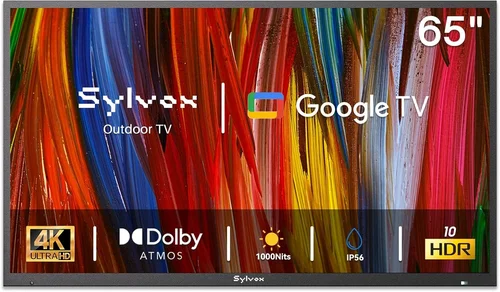
One of the most critical factors when choosing an outdoor TV for hot climates is brightness—specifically, how well the screen remains visible under direct sunlight. Standard indoor TVs typically range from 300 to 500 nits (a unit measuring luminance), which is fine for dim living rooms but completely inadequate for outdoor use. In bright daylight, reflections and ambient light can wash out the image, making it nearly impossible to see what’s on screen.
Outdoor TVs designed for full sun exposure should deliver a minimum of 700 nits, with premium models reaching 1,500 to 2,500 nits or more. For patios that receive direct sunlight for several hours a day—especially in desert or tropical regions—you’ll want a display with at least 1,000 nits. Some manufacturers use anti-glare coatings or optically bonded glass to reduce reflections, which further improves visibility. Look for terms like “high-brightness LED,” “sunlight-readable,” or “outdoor-optimized panel” in product descriptions.
It’s also important to consider the viewing angle. Many high-brightness panels sacrifice off-axis viewing, so if your seating area is spread across a wide arc, opt for a model with wide viewing angles (178 degrees or more). Additionally, some outdoor TVs include ambient light sensors that automatically adjust brightness based on surrounding conditions, which helps preserve battery life (if applicable) and prevents overheating.
2. Thermal Management & Heat Resistance
Hot climates pose a unique challenge: electronics generate heat, and when ambient temperatures soar above 90°F (32°C)—or even 110°F (43°C) in desert regions—that heat has nowhere to go. Without proper thermal management, TVs can overheat, leading to performance throttling, color distortion, shortened lifespan, or outright failure.
True outdoor TVs are engineered with active or passive cooling systems. Passive systems rely on heat sinks and ventilated casings to dissipate heat naturally, while active systems use internal fans or liquid cooling to maintain safe operating temperatures. Look for models rated for continuous operation in temperatures up to 122°F (50°C) or higher. Some premium units even include thermal sensors that reduce brightness or shut down temporarily if internal temps exceed safe limits.
Avoid placing any TV—even an outdoor-rated one—in direct, unshaded sunlight for extended periods unless it’s specifically designed for full-sun exposure. Even with cooling, prolonged exposure accelerates component degradation. If your patio lacks shade, consider installing a retractable awning or choosing a TV with a built-in sun hood.
Also, beware of “outdoor enclosures” that house indoor TVs. While these can offer basic protection, they often trap heat and lack the thermal engineering of purpose-built outdoor displays. Over time, this can lead to premature failure—especially in regions with high summer temperatures.
3. Weather Resistance & IP Rating
Not all outdoor TVs are created equal when it comes to weatherproofing. The Ingress Protection (IP) rating system tells you exactly how well a device resists dust and water. For outdoor use in hot, dry climates, you’ll want at least an IP55 rating—meaning the TV is protected against dust ingress (limited) and low-pressure water jets from any direction.
However, if you live in a region with occasional rain, high humidity, or coastal salt air (like Southern California or the Gulf Coast), aim for IP65 or higher. IP65 means the unit is dust-tight and protected against water projected from a nozzle. Some top-tier models boast IP66 or IP67 ratings, offering even greater resilience against heavy rain or temporary submersion.
Pay attention to sealing around ports, vents, and the screen itself. Gaskets, rubber seals, and conformal coatings on internal components are signs of serious weatherproofing. Also, check whether the TV is designed for permanent outdoor installation or seasonal use. Permanent models often feature fully sealed back panels and corrosion-resistant materials like marine-grade aluminum.
4. Build Quality & Durational Materials
Durability isn’t just about surviving a storm—it’s about enduring years of UV exposure, temperature swings, and physical wear. Cheap plastic housings may crack or yellow under constant sun exposure, while low-grade metals can corrode in humid or salty air.
Look for TVs constructed with powder-coated aluminum, stainless steel hardware, and UV-resistant polymers. These materials resist fading, rust, and warping. The screen should be made of tempered glass or optically bonded acrylic to prevent scratching and reduce glare. Internally, components should be rated for industrial or commercial use, not consumer-grade electronics.
Weight can also be an indicator of build quality. Heavier TVs often use thicker casings and better heat dissipation systems. However, don’t assume all heavy TVs are high-quality—some are just poorly designed. Always check customer reviews for long-term reliability reports, especially from users in similar climates.
Mounting hardware matters too. Ensure the TV comes with a sturdy, corrosion-resistant wall mount or is compatible with VESA-standard outdoor mounts. If you’re installing on a freestanding post or pergola, verify that the mounting solution can handle wind loads and thermal expansion.
5. Display Technology & Picture Quality
While brightness and durability are paramount, you still want a TV that delivers excellent picture quality. Most outdoor TVs use LED-LCD panels with local dimming for better contrast, but some premium models now feature OLED or QLED technology. OLED offers superior blacks and contrast but can be more susceptible to burn-in and may not reach the same peak brightness as high-end LED models—making it less ideal for full-sun environments.
For hot climates, LED-LCD with full-array local dimming (FALD) is usually the best balance of brightness, color accuracy, and longevity. Look for HDR support (HDR10, Dolby Vision, or HLG) to enhance dynamic range, especially during daytime viewing. Refresh rate matters too: 60Hz is standard, but 120Hz panels provide smoother motion for sports and action content.
Resolution is another consideration. While 4K UHD is now the norm, ensure the TV supports true 4K streaming and has adequate processing power to handle high-bitrate content without lag. Some budget outdoor TVs use upscaling rather than native 4K panels—check specifications carefully.
Audio quality is often overlooked but important. Built-in speakers on outdoor TVs are typically modest due to space and weather constraints. Consider pairing your TV with weatherproof outdoor speakers or a soundbar designed for exterior use.
6. Connectivity & Smart Features
Modern outdoor TVs should integrate seamlessly with your existing entertainment ecosystem. Look for multiple HDMI ports (preferably HDMI 2.0 or 2.1 for 4K/60Hz), USB inputs, optical audio out, and Ethernet for wired internet. Wi-Fi 5 or Wi-Fi 6 ensures stable streaming in areas with weaker signals.
Smart TV platforms vary by brand. Samsung’s Tizen, LG’s webOS, and Sony’s Android TV are popular choices, each with robust app ecosystems. However, not all smart features are optimized for outdoor use—voice assistants may struggle with background noise, and touch remotes aren’t practical in bright light. Consider using a smartphone app or universal remote for better control.
Some outdoor TVs include built-in streaming devices (like Roku or Fire TV), which can simplify setup. Others support screen mirroring via Miracast or AirPlay 2. If you plan to use gaming consoles or media players, verify compatibility and input lag specs.
7. Size & Viewing Distance
Choosing the right screen size depends on your seating arrangement and viewing distance. For patios, 43 to 65 inches is typical, but larger spaces may benefit from 75-inch or even 85-inch models. A general rule: your viewing distance (in inches) should be about 1.5 to 2.5 times the screen’s diagonal size.
For example, if your seating is 8 feet (96 inches) away, a 50- to 65-inch TV would be ideal. Going too small sacrifices immersion; going too large can cause eye strain or make text hard to read. Also, consider the TV’s bezel width—slim bezels create a more cinematic experience and take up less wall space.
Portability is rarely a concern for fixed patio installations, but if you plan to move the TV between indoor and outdoor spaces seasonally, look for lighter models with carrying handles or wheeled carts.
8. Warranty & Support
Outdoor TVs represent a significant investment, so robust warranty coverage is essential. Most reputable brands offer 2- to 3-year limited warranties that cover defects, but not always environmental damage. Read the fine print: some exclude failures due to “extreme weather” or “improper installation.”
Look for companies that provide dedicated outdoor support lines, extended warranty options, and clear return policies. Brands with local service centers or certified installers in your area are preferable. Avoid no-name brands with vague warranty terms or no customer service presence.
Customer reviews can reveal a lot about post-purchase support. Search for phrases like “quick replacement,” “responsive tech support,” or “warranty honored” to gauge reliability.
Different Types of Buying Guide

Common Buying Mistakes to Avoid
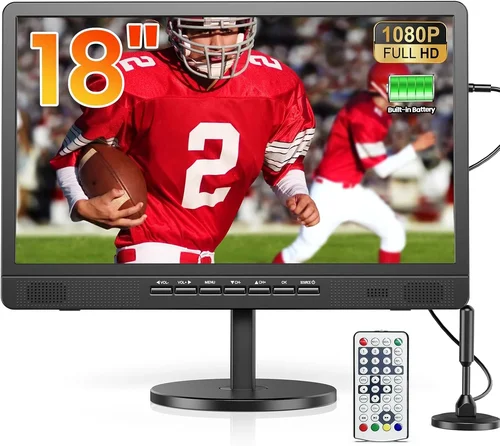
❌ Mistake: Buying an Indoor TV for Outdoor Use
Why it’s bad: Indoor TVs lack weatherproofing, thermal management, and sufficient brightness. They will overheat, suffer screen burn, or fail within months—especially in hot climates. Even with a cover, condensation and UV exposure degrade components quickly.
What to do instead: Invest in a purpose-built outdoor TV or use a certified weatherproof enclosure designed for your specific model. Never assume “it’ll be fine under the awning.”
❌ Mistake: Ignoring the IP Rating
Why it’s bad: A TV without a proper IP rating may look sealed but can still allow dust, insects, or moisture to enter through vents or ports. This leads to corrosion, short circuits, and premature failure.
What to do instead: Always check the IP rating and verify it matches your climate. For hot, dry areas, IP55 is minimum; for humid or rainy zones, go for IP65 or higher.
❌ Mistake: Overlooking Thermal Specifications
Why it’s bad: High ambient temperatures combined with internal heat can push a TV beyond its safe operating range. This causes throttling, color shifts, or shutdowns—ruining your viewing experience.
What to do instead: Choose a model rated for continuous operation at temperatures above your local summer highs. Look for active cooling or heat-dissipating designs.
❌ Mistake: Choosing Based Solely on Price
Why it’s bad: The cheapest option often sacrifices critical features like brightness, durability, or warranty. You may end up replacing it within a year, costing more in the long run.
What to do instead: Set a realistic budget based on your needs and prioritize value over price. A mid-range outdoor TV often outperforms a premium indoor model in harsh conditions.
❌ Mistake: Neglecting Installation Requirements
Why it’s bad: Improper mounting, exposed cables, or poor ventilation can void warranties and create safety hazards. Wind, rain, and heat can damage poorly installed units.
What to do instead: Hire a certified installer or follow manufacturer guidelines precisely. Use weatherproof conduit, secure mounts, and ensure adequate airflow.
❌ Mistake: Assuming All “Outdoor” TVs Are Equal
Why it’s bad: Marketing terms like “weather-resistant” or “outdoor-ready” are not standardized. Some products are barely more than indoor TVs with a coat of paint.
What to do instead: Research brands with proven outdoor track records (e.g., SunBriteTV, Samsung Terrace, LG Outdoor). Read third-party reviews and check real-world performance in similar climates.
❌ Mistake: Forgetting About Audio
Why it’s bad: Built-in speakers on outdoor TVs are often weak and muffled. Without external audio, dialogue and effects get lost in ambient noise.
What to do instead: Pair your TV with weatherproof outdoor speakers or a soundbar. Consider wireless options for clean, cable-free setups.
Budget Guidelines: How Much Should You Spend?
Entry-Level ($500 – $1,000): This tier typically includes indoor TVs in basic weatherproof enclosures or low-end partial-shade models. Expect 700–1,000 nits brightness, IP54 rating, and limited smart features. Best for covered patios with minimal sun exposure. Lifespan may be shorter in extreme heat.
Mid-Range ($1,000 – $2,500): The sweet spot for most homeowners. These TVs offer 1,000–1,500 nits brightness, IP55 or IP65 ratings, active cooling, and reliable smart platforms. Ideal for partially shaded or fully exposed patios in hot climates. Brands like SunBriteTV Veranda and Samsung Terrace fall here.
Premium ($2,500 – $4,000): For enthusiasts and those seeking top-tier performance. Expect 1,500–2,500+ nits, IP66 ratings, advanced thermal management, OLED/QLED options, and commercial-grade durability. Perfect for full-sun environments and luxury outdoor living spaces.
Luxury ($4,000+): Reserved for commercial installations or ultra-high-end homes. These include 24/7 operation capability, custom mounting solutions, extended warranties, and integration with smart home systems. Models like the SunBriteTV Pro Series or LG UltraBright Commercial Displays dominate this tier.
Expert Tips for Getting the Best Deal
– Buy During Off-Season: Prices drop significantly in late fall and winter when demand is low. Many retailers offer discounts of 20–30% between October and February.
– Shop Authorized Retailers: Avoid third-party sellers on marketplaces. Buy directly from brand websites or certified dealers to ensure warranty validity and access to support.
– Bundle with Accessories: Some retailers offer free mounts, cables, or speakers with TV purchases. Compare total package value, not just the TV price.
– Check for Rebates: Utility companies in hot climates sometimes offer rebates for energy-efficient outdoor electronics. Ask your provider.
– Test Before Committing: If possible, visit a showroom to evaluate brightness and color accuracy in daylight conditions. Online reviews with photos are also helpful.
– Negotiate Installation: Many dealers include free or discounted installation with purchase—especially for premium models. Don’t hesitate to ask.
– Consider Refurbished Units: Certified refurbished outdoor TVs from reputable brands often come with full warranties and can save you 25–40%.
– Read the Return Policy: Ensure you have at least 30 days to return the TV if it doesn’t meet expectations. Some outdoor units require professional installation, so confirm return logistics upfront.

Frequently Asked Questions
Q: Can I use a regular TV outside if it’s under a covered patio?
A: Technically yes, but it’s not recommended for long-term use. Even under cover, temperature swings, humidity, dust, and UV exposure can damage internal components. A partial-shade outdoor TV or weatherproof enclosure is a safer, more durable choice.
Q: How long do outdoor TVs last in hot climates?
A: With proper installation and maintenance, high-quality outdoor TVs can last 7–10 years or more. Cheaper models or indoor TVs in enclosures may fail within 2–3 years due to overheating or corrosion.
Q: Do outdoor TVs consume more power?
A: High-brightness panels do draw more power than indoor TVs, but modern LED models are still energy-efficient. Look for ENERGY STAR certification to minimize electricity costs.
Q: Can I leave my outdoor TV on all day?
A: Most outdoor TVs are designed for extended use, but continuous 24/7 operation is best left to commercial-grade models. For home use, occasional breaks help prolong lifespan.
Q: Are outdoor TVs compatible with streaming devices?
A: Yes. Most support HDMI inputs for Roku, Apple TV, Fire Stick, etc. Some even have built-in streaming platforms. Just ensure the device is also weather-protected if placed externally.
Q: What’s the difference between “partial shade” and “full sun” outdoor TVs?
A: Partial-shade models are rated for covered areas with indirect light (700–1,000 nits). Full-sun TVs handle direct sunlight with higher brightness (1,500+ nits), better cooling, and enhanced glare reduction.
Q: Do I need a special mount for an outdoor TV?
A: Yes. Use a VESA-compatible outdoor mount made of corrosion-resistant materials. Ensure it’s rated for the TV’s weight and can withstand wind loads.
Q: Can outdoor TVs be used in winter?
A: Absolutely. Most are rated for operation down to -22°F (-30°C), making them suitable for year-round use in most climates—including cold winters after hot summers.
Q: How do I clean an outdoor TV?
A: Use a microfiber cloth slightly dampened with water or a mild glass cleaner. Avoid abrasive materials or harsh chemicals. Never spray liquid directly onto the screen.
Q: Are there solar-powered outdoor TV options?
A: Not yet mainstream, but portable solar-compatible models exist for off-grid use. For permanent installations, solar panels can power the TV and reduce grid dependence.
Our Final Recommendations
Best for Budget-Conscious Buyers: SunBriteTV Veranda Series (43″–65″) – Offers excellent value with 1,000 nits brightness, IP55 rating, and reliable performance for covered patios under $1,800.
Best Overall Value: Samsung The Terrace (55″–75″) – Combines stunning 4K QLED picture, 2,000 nits brightness, IP55 rating, and robust smart features. Ideal for full-sun patios at a competitive price.
Best Premium Option: SunBriteTV Pro 2 Series (55″–86″) – Built for extreme conditions with 2,500 nits, IP66 rating, active cooling, and commercial durability. Perfect for luxury outdoor theaters.
Best for Beginners: LG 55″ Outdoor Smart TV – User-friendly webOS platform, 1,500 nits brightness, and straightforward setup. Great for first-time outdoor TV owners.
Best for Advanced Users: Peerless-AV Xtreme High-Brightness Display – Modular design, customizable mounting, and integration with professional AV systems. Ideal for tech-savvy homeowners or integrators.
Conclusion: Making the Right Choice
Choosing the right outdoor TV for a hot climate isn’t just about finding the brightest screen or the toughest casing—it’s about matching the right technology to your specific environment, usage habits, and long-term goals. From thermal management and weather resistance to brightness and smart features, every detail matters when your TV will face relentless sun, heat, and humidity year after year.
We’ve covered the essentials: why indoor TVs fail outdoors, how to interpret IP ratings and nits, the importance of build quality, and how to avoid costly mistakes. We’ve broken down budget tiers, compared product types, and shared expert strategies to help you maximize value and minimize regret.
Now it’s your turn. Assess your patio’s exposure, define your must-have features, and prioritize durability alongside performance. Don’t rush—this is an investment that should enhance your outdoor lifestyle for years to come. Whether you’re watching sunset movies with family or hosting game-day parties, the right outdoor TV will turn your patio into a true entertainment destination.
Take the time to research, compare, and consult professionals if needed. And when you do make your purchase, install it properly, maintain it regularly, and enjoy the freedom of outdoor viewing—no matter how hot it gets.

