
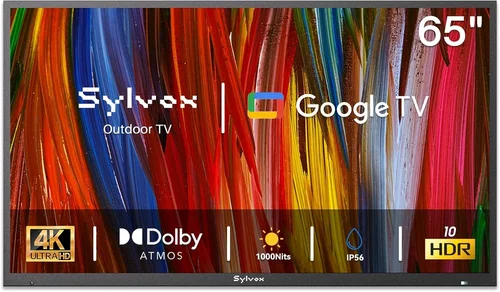
Outdoor living has evolved dramatically over the past decade, and nowhere is this more evident than in how we entertain and relax in our backyards, patios, and pool decks. As homeowners increasingly treat their outdoor spaces as extensions of their indoor living areas, the demand for durable, high-performance technology—especially televisions—has surged. But not just any TV will do when you’re dealing with scorching sun, high humidity, dust, and temperature extremes. This is especially true in hot climates, where standard indoor TVs can overheat, suffer screen glare, or fail prematurely due to environmental stress.
That’s where outdoor TVs come in—specifically designed to withstand the rigors of year-round outdoor use. Unlike their indoor counterparts, these units are built with weatherproof enclosures, enhanced cooling systems, anti-glare screens, and UV-resistant materials. However, the market is crowded with options ranging from budget-friendly models to premium, commercial-grade displays. Choosing the right one requires more than just picking the biggest screen or the lowest price. It demands a strategic approach based on climate resilience, performance needs, installation requirements, and long-term value.
This comprehensive buying guide is designed to help you navigate the complex world of outdoor TVs—particularly those suited for hot climates. Whether you’re installing a TV by the pool in Phoenix, on a covered patio in Miami, or under a pergola in Southern California, we’ll walk you through every critical factor to consider. You’ll learn how to evaluate build quality, understand performance specs in high-heat conditions, compare different types of outdoor TVs, avoid common pitfalls, and ultimately select a model that delivers stunning picture quality and reliable performance for years to come. By the end of this guide, you’ll be equipped with expert-level knowledge to make a confident, informed decision—no matter your budget or setup.

What to Look for When Buying Buying Guide
1. Climate-Specific Durability
When shopping for an outdoor TV in a hot climate, durability isn’t just about surviving rain or snow—it’s about thriving under relentless sun and heat. Standard TVs are engineered for controlled indoor environments, typically operating between 50°F and 95°F. In contrast, outdoor TVs must function reliably in temperatures that can soar above 100°F, especially in direct sunlight or near reflective surfaces like pools or concrete patios. Look for models rated for “full sun” or “extreme heat” operation, often specified with an operating temperature range of -22°F to 122°F or higher. These units feature internal thermal management systems—such as active cooling fans, heat sinks, or passive ventilation—that prevent overheating and protect sensitive electronics.
Additionally, UV resistance is crucial. Prolonged exposure to ultraviolet rays can degrade plastic casings, fade screen coatings, and damage internal components. High-quality outdoor TVs use UV-stabilized materials and anti-reflective screen treatments to maintain clarity and structural integrity. For example, brands like SunBrite and Seura incorporate UV inhibitors into their enclosures and use optically bonded glass to reduce glare and prevent yellowing. If your TV will be installed in a partially shaded area, you might get away with a “partial sun” model, but for full sun exposure—especially in desert or tropical climates—opt for a “full sun” certified unit. This ensures the TV won’t shut down during peak afternoon hours or suffer premature wear.
2. Screen Brightness and Anti-Glare Technology
One of the biggest challenges of outdoor viewing in hot climates is screen visibility. Sunlight reflecting off the screen can wash out images, making it nearly impossible to see details—even on a clear day. This is why brightness, measured in nits, is a critical specification. While indoor TVs typically range from 300 to 600 nits, outdoor models need significantly higher brightness to combat ambient light. For partial shade, a minimum of 700 nits is recommended, but for full sun exposure, you’ll want at least 1,000 to 2,500 nits. Some premium models, like the SunBrite Veranda 3 Series, boast up to 2,500 nits—comparable to commercial digital signage.
Equally important is anti-glare technology. Many outdoor TVs use optically bonded glass, which fuses the screen layer directly to the display panel. This reduces internal reflections and improves contrast in bright conditions. Additionally, some models feature anti-reflective coatings or matte finishes that diffuse sunlight rather than reflecting it directly into your eyes. Avoid glossy screens unless they’re specifically designed for outdoor use—standard glossy finishes will turn your TV into a mirror on sunny days. Also, consider the viewing angle: wide-angle panels (like IPS or VA with enhanced coatings) allow multiple viewers to enjoy a clear picture from various positions around a patio or deck.
3. Weatherproofing and Ingress Protection (IP Rating)
Outdoor TVs must be built to resist not only heat but also dust, moisture, and occasional splashes—especially near pools, grills, or open patios. This is where the Ingress Protection (IP) rating comes into play. The IP code consists of two digits: the first indicates protection against solid particles (like dust), and the second against liquids (like rain or spray). For outdoor use, look for a minimum IP55 rating, which means the TV is dust-protected and can withstand low-pressure water jets from any direction. However, for hot climates with high humidity or frequent rain showers, an IP65 or IP66 rating is ideal—offering complete dust protection and resistance to powerful water jets.
Beyond the IP rating, examine the TV’s enclosure design. Sealed ports, rubber gaskets, and corrosion-resistant screws are signs of a well-engineered unit. Some manufacturers, like Samsung with their The Terrace line, use marine-grade aluminum chassis to prevent rust and oxidation. Also, consider where the TV will be mounted: if it’s under a roof or pergola, it may not need the highest waterproofing, but if it’s exposed to direct rain or sprinklers, full weatherproofing is non-negotiable. Don’t forget about the remote control—many outdoor TVs come with weather-resistant remotes or offer app-based control via Wi-Fi to avoid handling wet or dusty devices.
4. Performance Specifications: Resolution, HDR, and Smart Features
While durability is paramount, you still want a TV that delivers a premium viewing experience. In 2026, 4K Ultra HD is the standard for outdoor TVs, with many models now supporting 8K resolution for future-proofing. However, unless you’re sitting very close to a large screen (75 inches or more), 4K is more than sufficient and offers better value. Look for support for HDR (High Dynamic Range) formats like HDR10, HLG, and Dolby Vision, which enhance color depth, contrast, and brightness—especially important in bright outdoor settings where detail can get lost.
Smart TV platforms are also essential for modern outdoor entertainment. Most outdoor TVs run on Android TV, webOS, or Roku, giving you access to streaming services like Netflix, Disney+, and YouTube. Ensure the model you choose has regular software updates and a responsive interface—laggy menus can be frustrating during a backyard movie night. Connectivity is another key factor: look for multiple HDMI ports (preferably HDMI 2.1 for 4K/120Hz gaming), USB inputs, and wireless options like Bluetooth and Wi-Fi 6 for faster streaming. If you plan to connect a soundbar or outdoor speakers, check for optical audio output or ARC (Audio Return Channel) support.
5. Size and Viewing Distance
Choosing the right screen size depends on your outdoor space and typical viewing distance. A common mistake is selecting a TV that’s too small for the area, resulting in a subpar experience. As a rule of thumb, multiply your viewing distance (in feet) by 0.84 to get the ideal screen size in inches. For example, if you’re sitting 10 feet away, a 84-inch TV (about 7 feet) would be ideal—but that’s impractical for most patios. More realistically, a 55- to 65-inch TV works well for distances of 8 to 12 feet, while 75-inch models are better for larger decks or pool areas with 12+ feet of viewing space.
Consider the mounting location: will the TV be wall-mounted, on a stand, or in a weatherproof enclosure? Wall mounting saves space and reduces glare from low-angle sun, but ensure the wall can support the weight—some outdoor TVs exceed 100 pounds. Also, think about sightlines: avoid placing the TV where it’s directly facing the sun during peak hours. A slight tilt or adjustable mount can help optimize the viewing angle. For multi-zone setups (e.g., kitchen, lounge, and dining areas), consider a smaller secondary TV or a wireless streaming solution to sync content across devices.
6. Installation and Mounting Requirements
Proper installation is just as important as the TV itself—especially in hot climates where improper mounting can lead to overheating or structural failure. Outdoor TVs should never be installed in enclosed spaces without ventilation, as trapped heat can damage internal components. Most manufacturers recommend at least 4–6 inches of clearance around the TV for airflow. If you’re using a weatherproof enclosure, ensure it has built-in ventilation or active cooling.
Mounting hardware must be corrosion-resistant and rated for outdoor use. Stainless steel or powder-coated aluminum mounts are ideal. For wall installations, use lag bolts anchored into studs or concrete—never rely on drywall anchors. If mounting on a pergola or post, consider a tilt or full-motion mount to adjust the angle based on sun position. Some premium models come with integrated mounting systems, while others require third-party solutions. Always follow the manufacturer’s guidelines and, if in doubt, hire a professional installer with experience in outdoor AV setups.
7. Brand Reputation and Ecosystem Compatibility
Not all outdoor TV brands are created equal. Established players like SunBrite (a leader in outdoor displays since 2004), Samsung (with The Terrace), and Seura (known for luxury outdoor TVs and mirrors) have proven track records in durability and performance. These brands invest heavily in R&D, offer comprehensive warranties, and provide reliable customer support. Lesser-known or generic brands may offer lower prices, but often cut corners on materials, cooling systems, or software updates.
Also consider ecosystem compatibility. If you already own smart home devices (like Amazon Echo, Google Nest, or Apple HomeKit), choose a TV that integrates seamlessly. Samsung’s The Terrace works well with SmartThings, while SunBrite models often support voice control via Alexa or Google Assistant. This allows you to control the TV, adjust volume, or switch inputs using voice commands—convenient when your hands are full with a drink or grill tongs.
8. Warranty and Customer Support
Outdoor TVs are a significant investment, often costing two to three times more than indoor models of similar size. Therefore, a strong warranty is essential. Most reputable brands offer 2- to 3-year limited warranties covering parts and labor, with some extending to 5 years for commercial use. Look for warranties that include coverage for heat-related failures, screen burn-in, and weather damage—some exclude these by default. Also, check if the warranty is transferable, which can add value if you sell your home.
Customer support is equally important. Can you easily reach a technician? Are replacement parts available? Brands with dedicated outdoor TV support teams (like SunBrite’s U.S.-based service) tend to resolve issues faster than generic electronics retailers. Read user reviews on forums like AVS Forum or Reddit to gauge real-world reliability and support experiences. A TV that fails after one summer in Arizona is not worth the savings, no matter how attractive the initial price.
Different Types of Buying Guide

Common Buying Mistakes to Avoid
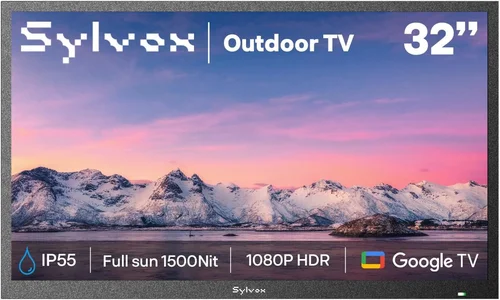
❌ Mistake: Buying an Indoor TV for Outdoor Use
Why it’s bad: Indoor TVs lack the necessary weatherproofing, cooling, and brightness to survive outdoors. They can overheat, suffer screen damage from UV exposure, and fail within months—even under a covered patio. The internal components are not sealed, making them vulnerable to dust and moisture.
What to do instead: Always choose a TV specifically designed for outdoor use. Look for certifications like IP55 or higher, and verify the operating temperature range. If you’re on a tight budget, consider a partial sun model rather than risking an indoor TV.
❌ Mistake: Ignoring Sun Exposure and Glare
Why it’s bad: Even with a high-brightness screen, improper placement can render your TV unwatchable. Placing the screen directly facing the afternoon sun creates blinding glare, especially on glossy surfaces.
What to do instead: Assess your patio’s sun patterns throughout the day. Use a tilt mount to angle the screen away from direct sunlight. Consider installing a retractable awning or pergola with shade cloth to reduce ambient light. Opt for anti-reflective screens and matte finishes.
❌ Mistake: Overlooking Ventilation and Mounting Clearance
Why it’s bad: Outdoor TVs generate heat, and without proper airflow, internal temperatures can rise to dangerous levels—even with cooling systems. Enclosing the TV in a tight cabinet or mounting it flush against a wall traps heat and shortens its lifespan.
What to do instead: Follow the manufacturer’s clearance guidelines—typically 4–6 inches on all sides. Use ventilated enclosures or open-frame mounts. Avoid placing the TV near heat sources like grills or fire pits.
❌ Mistake: Choosing Based on Price Alone
Why it’s bad: The cheapest outdoor TVs often use inferior materials, lack proper cooling, and have weak warranties. They may save you money upfront but cost more in repairs or replacements down the line.
What to do instead: Focus on value, not just price. Compare features, durability, and warranty terms. A mid-range model from a reputable brand often offers the best long-term return on investment.
❌ Mistake: Neglecting Audio Quality
Why it’s bad: Most outdoor TVs have small, downward-firing speakers that struggle to overcome ambient noise like wind, traffic, or pool pumps. Relying on built-in audio leads to a poor listening experience.
What to do instead: Invest in outdoor speakers or a weatherproof soundbar. Look for TVs with optical audio output or Bluetooth for wireless audio streaming. Consider a multi-zone audio system for larger patios.
❌ Mistake: Skipping Professional Installation
Why it’s bad: Improper mounting can lead to structural failure, electrical hazards, or voided warranties. DIY installations often lack the precision and safety checks needed for outdoor environments.
What to do instead: Hire a certified AV installer with outdoor experience. They can ensure proper grounding, cable management, and compliance with local building codes—especially important in hurricane-prone or high-wind areas.
❌ Mistake: Not Planning for Cable Management
Why it’s bad: Exposed cables are unsightly, prone to weather damage, and can become tripping hazards. They also attract pests and degrade over time.
What to do instead: Use weatherproof conduit or in-wall cable channels. Plan your layout before mounting the TV, and label all cables for easy troubleshooting. Consider wireless streaming to reduce cable clutter.
Budget Guidelines: How Much Should You Spend?
Entry-Level ($1,500 – $3,000): These are typically partial sun models ideal for covered patios or shaded decks. Expect 4K resolution, 700–1,000 nits brightness, and basic smart features. Brands like Element and RCA offer affordable options, but build quality and cooling may be limited. Best for occasional use in mild climates.
Mid-Range ($3,000 – $5,000): This is the sweet spot for most homeowners. Models like the SunBrite Veranda 3 Series or Samsung The Terrace (55-inch) offer full sun capability, 1,500+ nits brightness, robust cooling, and premium smart platforms. They balance performance, durability, and price—ideal for regular outdoor entertainment in hot climates.
Premium ($5,000 – $8,000): Designed for enthusiasts and high-end installations, these TVs feature 2,000+ nits brightness, advanced HDR, and luxury finishes. The Seura Outdoor TV Mirror falls here, blending functionality with design. Perfect for uncovered pool areas or modern outdoor kitchens.
Luxury ($8,000+): Top-tier models like the SunBrite Pro 2 Series or commercial-grade Samsung displays offer 24/7 operation, vandal resistance, and remote management. These are built for hotels, resorts, or ultra-luxury homes where reliability and image quality are non-negotiable.
Expert Tips for Getting the Best Deal
– Buy during off-season sales: Outdoor TVs often go on sale in late fall or winter when demand drops. Look for Black Friday, Cyber Monday, or end-of-season clearance events.
– Shop at specialty retailers: Stores like Crutchfield, Abt, or Outdoor TV Direct offer expert advice, bundled installations, and extended warranties not available at big-box stores.
– Negotiate installation packages: Many retailers offer discounts when you bundle the TV with mounting and setup services.
– Check for rebates: Some manufacturers offer mail-in rebates or trade-in programs for old TVs.
– Read real user reviews: Look beyond star ratings. Forums like AVS Forum provide detailed insights into long-term performance in hot climates.
– Test before you buy: If possible, visit a showroom to see the TV in bright lighting. Compare brightness, color accuracy, and menu responsiveness.
– Consider refurbished models: Certified refurbished units from reputable brands can save 20–30% and often come with the same warranty as new.
– Review return policies: Ensure you can return or exchange the TV if it doesn’t meet expectations—especially important for online purchases.

Frequently Asked Questions
Q: Can I use a regular TV outdoors if it’s under a roof?
A: Technically yes, but it’s not recommended. Even under cover, outdoor environments expose TVs to heat, humidity, dust, and temperature swings that indoor models aren’t built to handle. Over time, this leads to overheating, screen damage, and premature failure. A partial sun outdoor TV is a safer, longer-lasting investment.
Q: How do I clean an outdoor TV screen?
A: Use a microfiber cloth and a mild solution of water and isopropyl alcohol (50/50). Avoid ammonia-based cleaners like Windex, which can damage anti-reflective coatings. Turn off the TV and let it cool before cleaning. For enclosures, wipe with a damp cloth and mild soap.
Q: Do outdoor TVs consume more power?
A: Yes, due to higher brightness and cooling systems. However, many modern models are Energy Star certified and use efficient LED backlighting. Expect 20–30% higher energy use than indoor TVs of the same size.
Q: Can I leave my outdoor TV on all the time?
A: Most outdoor TVs are designed for continuous use, but check the manufacturer’s guidelines. Commercial-grade models are built for 24/7 operation, while consumer models may recommend periodic rest cycles to prolong lifespan.
Q: What’s the difference between partial sun and full sun TVs?
A: Partial sun TVs are for shaded or covered areas and typically have 700–1,000 nits brightness. Full sun TVs are for direct sunlight and feature 1,500+ nits, advanced cooling, and UV protection. Using a partial sun TV in full sun will result in poor visibility and potential overheating.
Q: Can I mount an outdoor TV on a brick or stucco wall?
A: Yes, but use appropriate anchors like Tapcon screws for concrete or expansion bolts for brick. Ensure the wall is structurally sound and can support the TV’s weight. Consult a professional if unsure.
Q: Do outdoor TVs come with warranties that cover heat damage?
A: Most reputable brands do, but always read the fine print. Some warranties exclude “environmental damage” unless the TV is used within specified conditions. SunBrite and Samsung typically cover heat-related failures if the TV is installed correctly.
Q: Can I use a soundbar with an outdoor TV?
A: Yes, but choose a weather-resistant model or place it under cover. Connect via HDMI ARC, optical audio, or Bluetooth. Avoid placing the soundbar directly on the ground where it can collect moisture.
Q: How long do outdoor TVs last?
A: With proper installation and maintenance, high-quality outdoor TVs can last 7–10 years or more. Cheaper models may fail within 3–5 years, especially in extreme climates.
Q: Are outdoor TVs worth the extra cost?
A: Absolutely—if you use your outdoor space regularly. The durability, visibility, and reliability justify the premium, especially in hot climates where indoor TVs would fail quickly.
Our Final Recommendations
Best for Budget-Conscious Buyers: Element 55″ Partial Sun Outdoor TV – At around $1,800, this model offers solid 4K performance, 800 nits brightness, and IP55 rating. Ideal for covered patios in mild climates.
Best Overall Value: SunBrite Veranda 3 Series 65″ – Priced at $4,200, it delivers 1,500 nits brightness, full sun capability, and excellent cooling. A reliable choice for most hot climate installations.
Best Premium Option: Seura 65″ Outdoor TV Mirror – At $7,500, it combines a high-brightness display with a sleek mirror finish. Perfect for luxury outdoor living spaces.
Best for Beginners: Samsung The Terrace 55″ – User-friendly smart platform, strong brand support, and 1,000 nits brightness. Great for first-time outdoor TV buyers.
Best for Advanced Users: SunBrite Pro 2 Series 75″ – Commercial-grade durability, 2,500 nits brightness, and 24/7 operation. Built for demanding environments and professional installations.
Conclusion: Making the Right Choice
Choosing the right outdoor TV for a hot climate is about more than just picture quality—it’s about resilience, visibility, and long-term reliability. From understanding IP ratings and brightness levels to avoiding common installation pitfalls, every decision impacts your outdoor entertainment experience. By prioritizing climate-specific durability, investing in proper mounting, and selecting a reputable brand, you ensure your TV withstands the elements and delivers stunning performance year after year.
Remember, the cheapest option isn’t always the best value. A mid-range outdoor TV from a trusted manufacturer often provides the ideal balance of performance, protection, and price. Take the time to assess your space, consider your usage patterns, and consult with experts if needed. Your backyard deserves the same attention to detail as your living room—and with the right TV, it can become the ultimate outdoor oasis.
Now that you’re armed with expert knowledge, it’s time to make your purchase with confidence. Whether you’re hosting summer barbecues, watching sunset movies by the pool, or enjoying quiet mornings with coffee and news, the perfect outdoor TV is within reach. Start your search today—and transform your patio into a true extension of your home.

