
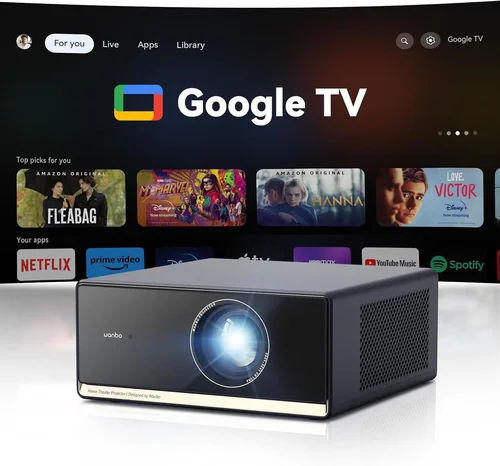
If you’re someone who loves spending time outdoors—whether it’s sipping hot cocoa on a snowy evening, hosting a backyard movie night under the stars, or simply enjoying your morning coffee on the patio—you know how magical those moments can be. But when the temperature drops and the wind picks up, most standard TVs simply aren’t built to handle the elements. That’s where cold weather patio TVs come in: rugged, weather-resistant displays engineered to perform reliably even in freezing conditions. Whether you live in a northern climate with harsh winters or just want peace of mind during unexpected cold snaps, investing in a TV designed for outdoor use in low temperatures isn’t just a luxury—it’s a necessity.
This comprehensive buying guide is designed to cut through the confusion and help you make an informed decision. We’ll walk you through everything you need to know, from understanding key technical specs to comparing different types of outdoor TVs, avoiding common pitfalls, and finding the best value for your budget. By the end of this article, you’ll have a clear roadmap to choosing a patio TV that not only survives the cold but delivers stunning picture quality, reliable performance, and long-term durability. The market for outdoor TVs has evolved significantly over the past few years, with major brands now offering models specifically rated for sub-zero operation, integrated heating systems, and robust enclosures that protect against snow, ice, and condensation. Whether you’re upgrading an existing setup or building your dream outdoor entertainment space from scratch, this guide will ensure you get exactly what you need—without overspending or compromising on quality.

What to Look for When Buying Buying Guide
1. Operating Temperature Range
The single most critical factor when selecting a cold weather patio TV is its operating temperature range. Unlike indoor TVs, which are typically rated for use between 32°F and 95°F (0°C to 35°C), outdoor models must withstand much harsher conditions. Look for TVs explicitly rated for operation in temperatures as low as -22°F (-30°C) or lower. This spec isn’t just marketing fluff—it reflects real engineering differences, such as specialized LCD panels that remain responsive in the cold, internal heaters that prevent screen fogging, and components rated for extreme thermal cycling.
For example, if you live in Minnesota, Montana, or parts of Canada where winter lows regularly dip below 0°F, a TV rated only down to 23°F (-5°C) will likely fail or degrade quickly. Always check the manufacturer’s official spec sheet—not just product descriptions—for verified operating ranges. Some brands, like SunBriteTV and Samsung’s outdoor line, publish detailed environmental tolerances, including storage temps (which can be even lower than operating temps).
2. Weatherproofing & IP Rating
Outdoor TVs must resist more than just cold—they also face rain, snow, dust, and UV exposure. The Ingress Protection (IP) rating tells you how well the TV is sealed against these elements. For cold climates, aim for at least an IP55 rating (protects against low-pressure water jets and dust), but IP65 or higher is ideal. This means the TV is dust-tight and can withstand direct water spray from any direction—perfect for snowy or icy conditions.
Pay special attention to the back panel and input ports. Many outdoor TVs include weatherproof covers or gaskets over HDMI and USB ports, but some cheaper models skimp here. Also, ensure the mounting hardware is corrosion-resistant (powder-coated aluminum or stainless steel) to prevent rust over time. A TV might survive the cold, but if moisture seeps into the electronics due to poor sealing, it won’t last more than one season.
3. Display Technology & Brightness
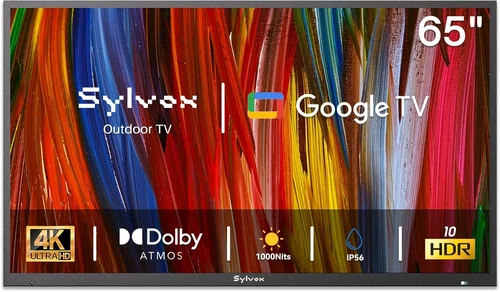
Not all outdoor TVs are created equal when it comes to screen technology. While most use LED-backlit LCD panels, the brightness (measured in nits) is what sets cold-weather models apart. Standard indoor TVs average around 300–500 nits, but outdoor units often exceed 1,000 nits—and some reach 2,000+ nits—to combat glare from snow reflection or bright winter skies.
Look for TVs with anti-reflective coatings and high dynamic range (HDR) support, which improves contrast and color accuracy in variable lighting. Additionally, consider whether the TV uses a direct-lit or full-array local dimming (FALD) backlight. FALD provides better black levels and reduces blooming, which is especially noticeable during dark winter evenings. Avoid TVs with edge-lit displays if possible—they tend to struggle with uniformity in cold conditions.
4. Internal Heating & Thermal Management
One of the biggest challenges in cold weather is preventing condensation and ensuring the LCD panel remains fluid enough to respond quickly. High-quality cold weather patio TVs include built-in internal heaters that gently warm the screen and internal components when temperatures drop. These systems activate automatically based on ambient sensors and are designed to be energy-efficient, drawing minimal power while preventing damage.
Some models even feature dual-zone heating—separate systems for the screen and the mainboard—to ensure consistent performance. Without proper thermal management, you may experience lag, ghosting, or permanent pixel damage. Always verify that the TV includes active heating, not just passive insulation. Passive designs rely on air gaps or foam, which aren’t sufficient for prolonged sub-freezing exposure.
5. Build Quality & Enclosure Design
The physical construction of an outdoor TV matters just as much as its electronics. Look for fully sealed aluminum or composite housings that resist corrosion and provide structural rigidity. The screen should be protected by tempered glass or optically clear acrylic that’s scratch-resistant and shatterproof. Avoid plastic enclosures—they become brittle in extreme cold and offer little protection against impacts.
Also consider ventilation. While the TV needs to be sealed against moisture, it still requires airflow to dissipate heat from the internal components. Premium models use passive cooling systems with strategically placed vents that allow air exchange without compromising weather resistance. Check for certifications like UL Listed for outdoor use, which indicates third-party testing for safety and durability.
6. Smart Features & Connectivity
Even in the great outdoors, you’ll want access to streaming services, voice control, and multi-device connectivity. Most modern outdoor TVs run on smart platforms like Android TV, Roku TV, or webOS, allowing you to install apps like Netflix, YouTube, or Disney+. Ensure the TV supports Wi-Fi 5 (802.11ac) or Wi-Fi 6 for reliable streaming, especially if your outdoor space is far from the router.
HDMI ports are essential for connecting soundbars, gaming consoles, or cable boxes. Look for at least two HDMI 2.0 or 2.1 ports with HDCP 2.2 support for 4K content. Some models include weatherproof cable conduits or built-in cable management to keep connections tidy and protected. If you plan to use Bluetooth speakers or headphones, confirm the TV supports Bluetooth 5.0 or higher for stable pairing.
7. Size & Viewing Distance
Choosing the right screen size depends on your patio layout and typical viewing distance. A general rule of thumb: for every 1.5 feet of viewing distance, you should have 1 inch of screen diagonal. So, if you’re sitting 10 feet away, a 70-inch TV is ideal. However, outdoor environments often have more ambient light and wider seating arrangements, so err on the larger side if possible.
Keep in mind that larger screens consume more power and may require stronger mounting solutions. Also, ensure your chosen location has enough space for safe installation—outdoor TVs are heavier than indoor models due to their reinforced casings. Most manufacturers provide recommended viewing distances and mounting guidelines in their manuals.
8. Warranty & Customer Support
Outdoor TVs are a significant investment, often costing two to three times more than comparable indoor models. Because of this, a strong warranty is non-negotiable. Look for at least a 2-year comprehensive warranty that covers both parts and labor, including damage from environmental factors. Some premium brands, like Seura and SkyVue, offer 3- to 5-year warranties with optional extended coverage.
Equally important is customer support. Can you easily reach a technician if something goes wrong? Are replacement parts readily available? Read user reviews to see how responsive the brand is to service requests. A TV that breaks down in January shouldn’t leave you waiting weeks for a repair—especially if you rely on it for seasonal events or daily relaxation.
Different Types of Buying Guide

Common Buying Mistakes to Avoid
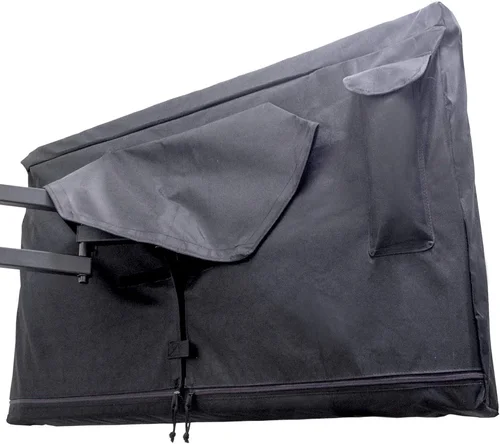
❌ Mistake: Assuming All “Outdoor” TVs Are Cold-Weather Rated
Why it’s bad: Many retailers market TVs as “outdoor” based solely on brightness or weather resistance, but omit critical cold-weather specs. A TV that works fine in summer may fail completely in winter if it lacks internal heating or low-temperature-rated components.
What to do instead: Always verify the operating temperature range in the technical specifications. If the manufacturer doesn’t list it clearly, assume it’s not suitable for freezing conditions.
❌ Mistake: Skimping on Mounting Hardware
Why it’s bad: Standard indoor mounts aren’t designed for the weight and wind load of outdoor TVs. Using incompatible hardware can lead to sagging, vibration, or even detachment during storms.
What to do instead: Purchase a mount specifically rated for outdoor use and your TV’s size/weight. Look for tilt and swivel options if you need adjustable viewing angles, and ensure it’s compatible with your wall or ceiling material.
❌ Mistake: Ignoring Power Requirements
Why it’s bad: Outdoor TVs with internal heaters draw significantly more power than indoor models—sometimes 2–3 times more. Plugging into an undersized circuit can trip breakers or create fire hazards.
What to do instead: Consult an electrician to assess your outdoor power setup. Consider installing a dedicated GFCI-protected outlet near the TV location, and use heavy-duty extension cords if necessary.
❌ Mistake: Overlooking Audio Needs
Why it’s bad: Most outdoor TVs have weak built-in speakers due to space and weatherproofing constraints. Relying on them results in tinny, quiet audio that ruins the experience.
What to do instead: Pair your TV with weather-resistant outdoor speakers or a soundbar. Many models support wireless audio via Bluetooth or Wi-Fi, so you can place speakers strategically around your patio.
❌ Mistake: Buying Based Solely on Price
Why it’s bad: The cheapest outdoor TV often cuts corners on critical features like thermal management, sealing, or component quality. You may end up replacing it within a year.
What to do instead: Focus on value, not just cost. A mid-range TV with proven cold-weather performance will save money long-term compared to a budget model that fails prematurely.
❌ Mistake: Neglecting Regular Maintenance
Why it’s bad: Even the best outdoor TVs need occasional cleaning and inspection. Snow buildup, ice dams, or debris can block vents or damage seals over time.
What to do instead: Clean the screen and housing monthly with a soft, damp cloth. Check seals and ports for cracks or wear, and clear any snow or ice after storms.
Budget Guidelines: How Much Should You Spend?
- Entry-Level ($800–$1,500): These are typically partial-shade models or DIY enclosures. They may handle light cold snaps but aren’t reliable for sustained sub-freezing use. Best for mild climates or temporary setups.
- Mid-Range ($1,500–$3,500): The sweet spot for most homeowners. These TVs offer solid cold-weather performance, IP55+ ratings, and basic smart features. Ideal for covered patios in regions with moderate winters.
- Premium ($3,500–$6,000): Built for extreme conditions with full heating systems, IP65+ sealing, and commercial-grade components. Perfect for uncovered decks in snowy climates or year-round use.
- Luxury ($6,000+): Top-tier models with ultra-bright displays (2,000+ nits), advanced thermal management, and luxury finishes. Often used in high-end resorts or custom outdoor theaters.
Expert Tips for Getting the Best Deal
- Buy in Spring or Early Summer: Retailers often discount last year’s outdoor TV models to make room for new inventory. You can save 15–25% compared to winter pricing.
- Check Manufacturer Refurbished Programs: Brands like SunBriteTV and Samsung sell certified refurbished units with full warranties at 20–30% off retail.
- Bundle with Accessories: Some dealers offer free mounts, cables, or speakers when you buy a TV—ask about package deals.
- Read Professional Reviews, Not Just User Ratings: Sites like CNET, RTINGS.com, and Outdoor Tech Lab test TVs in real-world conditions, including cold-weather performance.
- Verify Return Policies: Ensure you can return the TV if it doesn’t perform as expected in your specific climate. Some retailers charge restocking fees for outdoor electronics.
- Consider Energy Efficiency: Look for ENERGY STAR certification or low standby power consumption—heating systems can spike your electricity bill.
- Install During Mild Weather: Avoid mounting in freezing or wet conditions, which can compromise seal integrity and make wiring difficult.

Frequently Asked Questions
Q: Can I use a regular indoor TV outside in winter if I cover it?
A: No. Indoor TVs lack the necessary weatherproofing, thermal management, and component ratings for outdoor use. Even with a cover, condensation, temperature swings, and moisture will likely cause failure within weeks.
Q: How do I know if my patio TV needs a heater?
A: If your area experiences temperatures below 32°F (0°C) for extended periods, you absolutely need a TV with internal heating. Look for models that specify “cold-weather operation” or list minimum operating temps below freezing.
Q: Will snow damage my outdoor TV?
A: Not if it’s properly installed and rated for outdoor use. However, heavy snow accumulation on the screen can affect visibility and potentially strain the mount. Gently brush off snow with a soft broom after storms.
Q: Can I leave my outdoor TV on all winter?
A: Yes, but only if it’s designed for 24/7 operation (most premium models are). Leaving it on maintains internal temperature and prevents cold-start issues. Use a smart plug to schedule on/off times and save energy.
Q: Do outdoor TVs work with streaming devices like Apple TV or Roku?
A: Absolutely. Most outdoor TVs have HDMI ports and support external streaming devices. Just ensure the device is protected from the elements—use a weatherproof box or place it indoors with a long HDMI cable.
Q: How long do cold weather patio TVs typically last?
A: With proper care, high-quality models last 7–10 years or more. Cheaper units may fail within 2–3 years, especially in harsh climates.
Q: Are there solar-powered outdoor TV options?
A: Yes, but they’re rare and usually limited to smaller portable models. For full-size TVs, you’ll need a robust solar setup with battery storage to handle the power demands of heating and display.
Q: Can I mount my outdoor TV on a brick or stone wall?
A: Yes, but use masonry anchors and a mount rated for the weight. Consult a professional if you’re unsure—improper mounting can crack walls or cause the TV to fall.
Q: Do I need a permit to install an outdoor TV?
A: In most residential areas, no—but check local codes, especially if you’re running new electrical wiring or modifying your home’s exterior.
Our Final Recommendations
- Best for Budget-Conscious Buyers: Seura Shadow 55″ – A partial-shade model with solid build quality and decent cold tolerance down to 23°F. Great for covered patios in milder winters.
- Best Overall Value: SunBriteTV Veranda Series 65″ – Offers full weatherproofing, internal heating, and excellent brightness at a mid-range price. Ideal for most homeowners.
- Best Premium Option: SkyVue Pro 75″ – Engineered for extreme climates with dual-zone heating, IP66 rating, and 2,500-nit brightness. Perfect for uncovered decks in snowy regions.
- Best for Beginners: Samsung The Terrace 65″ – User-friendly smart platform, reliable performance, and strong customer support. Easy to set up and use right out of the box.
- Best for Advanced Users: Peerless-AV Xtreme 86″ – Commercial-grade durability, customizable mounting, and 24/7 operation capability. Ideal for tech-savvy users who want maximum control.
Conclusion: Making the Right Choice
Choosing the right cold weather patio TV isn’t just about finding the brightest screen or the lowest price—it’s about matching your specific environment, usage habits, and long-term expectations. From understanding operating temperature ranges and IP ratings to avoiding common installation pitfalls, every detail matters when your TV will be exposed to snow, ice, and sub-zero winds. By prioritizing build quality, thermal management, and reputable brands, you’ll invest in a display that enhances your outdoor living space for years to come.
Remember, the best TV for your neighbor in Florida might not survive a single winter in Minnesota. Take the time to assess your climate, measure your space, and read real-world reviews. Don’t rush the decision—this is a purchase you’ll live with every day, whether you’re watching the sunrise with coffee or hosting a holiday movie marathon under the stars. With the insights from this guide, you’re now equipped to make a confident, informed choice that delivers both performance and peace of mind. Your perfect cold-weather patio TV is out there—go find it.

