
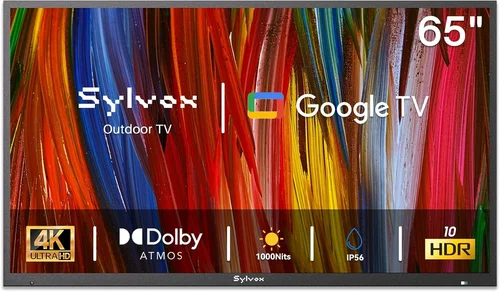
Living near the coast offers breathtaking views, salty breezes, and a relaxed lifestyle—but it also presents unique challenges when it comes to outdoor electronics. If you’re dreaming of movie nights under the stars or catching the big game from your patio, a standard indoor TV simply won’t cut it. The combination of high humidity, salt spray, intense UV exposure, and temperature swings can wreak havoc on conventional displays. That’s why choosing the right patio TV for coastal homes isn’t just about picture quality—it’s about survival in a harsh environment.
This comprehensive guide is designed specifically for homeowners in coastal regions who want to enjoy reliable, high-performance outdoor entertainment without constant repairs or premature replacements. Whether you’re installing a TV under a covered pergola, on an open-air deck, or in a screened-in porch, we’ll walk you through every critical factor to consider. From corrosion-resistant materials to weatherproof ratings and smart features that enhance your outdoor experience, this guide equips you with expert-level knowledge to make a confident, informed decision.
The market for outdoor TVs has evolved dramatically in recent years. What once consisted of bulky, expensive commercial-grade displays now includes sleek, consumer-friendly models that blend durability with cutting-edge technology. Brands like Samsung, SunBriteTV, Seura, and LG have stepped up their game, offering options that range from budget-conscious to luxury-tier. However, not all “outdoor” TVs are created equal—especially when you factor in the corrosive effects of ocean air. By the end of this guide, you’ll understand exactly what separates a truly coastal-ready patio TV from a glorified indoor model with a weatherproof sticker.

What to Look for When Buying Buying Guide
1. Weather Resistance & IP Rating
When shopping for a patio TV in a coastal environment, the first and most critical factor is weather resistance. Coastal air is laden with salt, moisture, and fine particulates that can corrode internal components, degrade screens, and shorten the lifespan of any electronic device. Look for TVs with an official Ingress Protection (IP) rating—specifically IP55 or higher. An IP55 rating means the TV is protected against dust and low-pressure water jets from any direction, which is essential for withstanding sea spray and rain.
However, don’t stop at the IP rating. Dig deeper into the manufacturer’s specifications. Some brands go beyond basic ratings by using marine-grade aluminum enclosures, sealed ventilation systems, and anti-corrosion coatings on circuit boards. For example, SunBriteTV’s Veranda series features a powder-coated aluminum chassis and internal components treated with conformal coating to resist salt damage. These details matter—especially if your TV will be exposed to direct ocean winds or frequent storms.
Also consider the TV’s operating temperature range. Coastal areas often experience rapid temperature shifts between day and night. A quality outdoor TV should function reliably between 32°F and 104°F (0°C to 40°C), with some premium models extending to -4°F in cold climates. Avoid models that claim “outdoor use” but lack detailed environmental specs—they’re likely just indoor TVs in a weather-resistant box.
2. Screen Brightness & Anti-Glare Technology
One of the biggest challenges with outdoor viewing is ambient light. Even under a covered patio, sunlight reflecting off water, sand, or light-colored surfaces can wash out your picture. Standard indoor TVs typically peak at 300–500 nits of brightness—far too dim for daytime use outdoors. For coastal patios, you need a display with at least 700 nits, but ideally 1,000 nits or more.
High-brightness LED or QLED panels are essential, but brightness alone isn’t enough. Look for TVs with advanced anti-glare coatings and optically bonded screens. Optical bonding fuses the glass directly to the display layer, reducing internal reflections and improving clarity in bright conditions. Samsung’s The Terrace, for instance, uses a proprietary anti-reflective coating that maintains color accuracy even in direct sunlight.
Additionally, consider the screen’s viewing angle. Coastal patios often have seating arranged in wide arcs or multiple levels. A TV with wide viewing angles (178 degrees or more) ensures everyone gets a clear picture, even from the side. OLED panels offer excellent viewing angles but are less common in outdoor models due to brightness limitations. QLED and high-end LED remain the best choices for coastal environments.
3. Build Quality & Durability
Durability goes beyond weatherproofing. The physical construction of your patio TV must withstand not only environmental stress but also potential impacts from wind-blown debris, salt buildup, and long-term exposure. Start by examining the materials used in the chassis and bezel. Marine-grade aluminum, stainless steel hardware, and UV-resistant plastics are ideal. Avoid models with plastic casings that can become brittle under constant sun exposure.
Pay attention to the mounting system as well. Coastal winds can be fierce, so your TV must be securely anchored. Look for VESA-compatible mounts rated for outdoor use, preferably with reinforced brackets and corrosion-resistant fasteners. Some premium models, like the Seura Outdoor TV, come with integrated mounting solutions designed specifically for high-wind areas.
Internal durability is just as important. Check if the TV uses solid-state components (like SSD storage for smart features) instead of moving parts that can fail in humid conditions. Also, verify that cooling systems are passive (fanless) or use sealed, filtered fans to prevent salt and dust ingress. Active cooling with exposed vents may seem efficient, but it’s a vulnerability in coastal settings.
4. Smart Features & Connectivity
Modern outdoor TVs aren’t just about surviving the elements—they’re also about delivering a seamless entertainment experience. Most high-quality patio TVs now come with built-in smart platforms like Android TV, webOS, or Tizen, allowing you to stream content directly without external devices. This is especially useful on the patio, where running cables to a separate streaming box can be impractical.
Ensure the TV supports Wi-Fi 6 or at least dual-band Wi-Fi for stable streaming in outdoor environments where signal strength may vary. Bluetooth connectivity is also valuable for pairing wireless speakers or headphones during quiet evening viewing. HDMI ports should be weather-sealed or accessible via a protective compartment to prevent corrosion.
Voice control integration (via Alexa, Google Assistant, or Siri) adds convenience, especially when your hands are full with drinks or grilling tools. Some models even include built-in microphones and speakers optimized for outdoor acoustics, though external sound systems are often recommended for larger spaces.
5. Size & Viewing Distance
Choosing the right screen size depends on your patio layout and typical viewing distance. A common mistake is going too small—outdoor environments lack the visual confinement of indoor rooms, so larger screens feel more immersive. As a rule of thumb, divide your viewing distance (in inches) by 1.5 to get the ideal screen size in inches. For example, if you’re sitting 10 feet (120 inches) away, aim for an 80-inch TV.
However, coastal patios often have space constraints. Measure your installation area carefully, including clearance for ventilation and cable management. Wall-mounted TVs should have at least 2–3 inches of space around the edges for airflow. If you’re using a freestanding cabinet or weatherproof enclosure, ensure it’s rated for the TV’s weight and size.
Also consider how the TV will look when not in use. Some models feature sleek, low-profile designs that blend into outdoor décor, while others have bold bezels that may clash with minimalist spaces. If aesthetics matter, look for TVs with customizable bezel options or slim profiles.
6. Brand Reputation & Specialization
Not all TV manufacturers treat outdoor use seriously. While mainstream brands like Samsung and LG offer excellent indoor models, their outdoor lines are often limited or repackaged indoor units. Specialized brands like SunBriteTV, Seura, and SkyVue have spent years engineering TVs specifically for outdoor and coastal environments. These companies conduct rigorous testing in salt spray chambers, UV exposure labs, and wind tunnels to ensure reliability.
Research customer reviews from other coastal homeowners. Look for feedback on long-term performance, especially after storms or prolonged humidity. Brands with strong reputations often provide better customer service and faster replacement parts. Avoid obscure or generic brands that lack verifiable certifications or detailed technical documentation.
Additionally, consider whether the brand offers regional support. If your TV fails during a storm, you’ll want local service technicians familiar with salt damage and outdoor installations. Some manufacturers partner with certified outdoor AV installers who can handle everything from mounting to cable routing.
7. Warranty & Support
A robust warranty is your safety net against the unpredictable nature of coastal weather. Standard indoor TVs typically come with 1-year warranties, but outdoor models should offer at least 2–3 years, with some premium brands providing up to 5 years. More importantly, check what the warranty covers. Does it include salt corrosion? Water damage from condensation? UV degradation?
Read the fine print carefully. Some warranties become void if the TV is installed in direct sunlight or without proper ventilation. Others require professional installation to remain valid. Brands like SunBriteTV offer extended service plans that cover on-site repairs and expedited replacements—worth considering if you live in a remote coastal area.
Customer support responsiveness is another key factor. Test the brand’s support team before buying by calling or emailing a technical question. A helpful, knowledgeable response is a good sign. Avoid companies with automated-only support or long hold times.
8. Energy Efficiency & Heat Management
Outdoor TVs generate heat, and in coastal climates, that heat can become trapped due to high humidity and limited airflow. Poor thermal management can lead to overheating, reduced brightness, and premature failure. Look for TVs with passive cooling systems or sealed active cooling that prevents moisture ingress.
Energy efficiency matters too. While outdoor TVs generally consume more power than indoor models due to higher brightness, some are optimized for lower energy use. Check the ENERGY STAR rating or manufacturer’s power consumption specs. Models with automatic brightness adjustment (based on ambient light sensors) can save energy and extend component life.
Also consider how the TV handles condensation. In humid coastal areas, temperature drops at night can cause moisture to form inside the TV. Quality outdoor models include internal heaters or desiccant packs to prevent this. Some even have built-in humidity sensors that trigger protective modes.
Different Types of Buying Guide

Common Buying Mistakes to Avoid
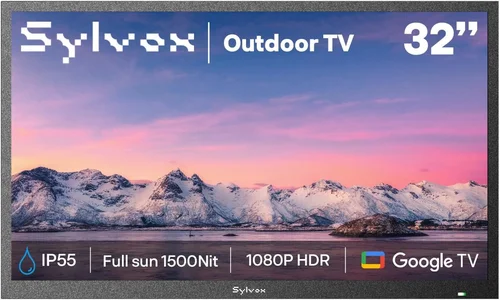
❌ Mistake: Buying an Indoor TV and Putting It in a Weatherproof Box
Why it’s bad: While weatherproof enclosures can protect against rain and dust, they don’t address internal vulnerabilities like poor thermal management, low brightness, or lack of corrosion resistance. Indoor TVs aren’t designed for constant humidity or temperature swings, and enclosing them can trap heat, leading to overheating and failure.
What to do instead: Invest in a TV specifically engineered for outdoor use. If budget is tight, choose a covered patio model or a reputable enclosure system from brands like Peerless or Crimson, but understand the limitations. Always ensure proper ventilation and avoid direct sun exposure.
❌ Mistake: Ignoring the IP Rating
Why it’s bad: An IP rating isn’t just a marketing term—it’s a standardized measure of protection. Skipping this detail could mean buying a TV that fails after the first storm. Many “outdoor” TVs have no official IP rating, relying instead on vague claims like “weather-resistant.”
What to do instead: Always verify the IP rating (look for IP55 or higher) and cross-check it with independent reviews or certifications. If the manufacturer doesn’t publish it, assume the TV isn’t truly outdoor-ready.
❌ Mistake: Overlooking Brightness Requirements
Why it’s bad: A dim screen turns your patio into a frustrating viewing experience. Even under cover, ambient light from the sky, water, or nearby surfaces can overwhelm a low-brightness display, making colors washed out and details hard to see.
What to do instead: Aim for at least 700 nits, but 1,000+ nits is ideal for coastal areas with high reflectivity. Test the TV in similar lighting conditions if possible, or rely on professional reviews that measure real-world brightness.
❌ Mistake: Choosing the Wrong Size for the Space
Why it’s bad: A TV that’s too small feels underwhelming outdoors, where the environment competes for attention. Conversely, a TV that’s too large can overwhelm a small patio or require excessive mounting hardware.
What to do instead: Use the viewing distance formula (distance in inches ÷ 1.5 = ideal screen size) and measure your space carefully. Consider future seating arrangements and whether the TV will be visible from multiple angles.
❌ Mistake: Skipping Professional Installation
Why it’s bad: Improper mounting can lead to water intrusion, wind damage, or electrical hazards. Coastal winds exert significant force on mounted electronics, and DIY installations often lack the structural integrity needed.
What to do instead: Hire a certified outdoor AV installer familiar with coastal conditions. They’ll ensure proper grounding, sealed cable entries, and secure mounting—critical for safety and longevity.
❌ Mistake: Neglecting Audio Solutions
Why it’s bad: Outdoor TVs often have limited built-in speakers due to space and weather constraints. Relying solely on the TV’s audio results in weak, tinny sound that gets lost in wind and ambient noise.
What to do instead: Pair your TV with weatherproof outdoor speakers or a soundbar designed for patios. Wireless options like Sonos Move or Bose SoundLink can be placed strategically for optimal coverage.
❌ Mistake: Assuming All “Outdoor” TVs Are Equal
Why it’s bad: The term “outdoor TV” is unregulated. Some models are little more than indoor TVs with a protective coating, while others are fully engineered for harsh environments. Confusing the two can lead to premature failure.
What to do instead: Research the brand’s outdoor specialization, read third-party reviews, and compare technical specs. Look for models with proven track records in coastal installations.
Budget Guidelines: How Much Should You Spend?
- Entry-Level ($800 – $1,500): These are typically indoor/outdoor convertible models or basic covered patio TVs. Expect modest brightness (500–700 nits), limited weather resistance (IP54 or lower), and shorter warranties. Best for shaded, low-exposure areas with minimal salt exposure. Examples include some LG and Samsung models marketed for outdoor use.
- Mid-Range ($1,500 – $3,500): This is the sweet spot for most coastal homeowners. These TVs offer 700–1,000 nits brightness, IP55 ratings, corrosion-resistant materials, and 2–3 year warranties. Ideal for covered patios with occasional sun exposure. Brands like SunBriteTV’s Veranda series and Seura’s Signature line fall here.
- Premium ($3,500 – $6,000): Designed for full outdoor exposure, these models feature 1,000+ nits brightness, marine-grade construction, advanced anti-glare coatings, and 3–5 year warranties. Perfect for open decks or high-wind coastal areas. Samsung’s The Terrace and SunBriteTV’s Pro series are top contenders.
- Luxury ($6,000+): These are commercial-grade displays built for 24/7 operation in extreme conditions. They include features like internal heaters, humidity sensors, redundant cooling, and custom mounting systems. Ideal for luxury beach homes, resorts, or rental properties. Expect professional installation and ongoing maintenance.
Expert Tips for Getting the Best Deal
- Buy During Off-Season: Patio TVs see peak demand in spring and summer. Shop in late fall or winter (October–February) for discounts of 15–25%. Many retailers clear inventory before new models launch.
- Check Manufacturer Rebates: Brands like Samsung and SunBriteTV often offer seasonal rebates or bundle deals (e.g., free mounting hardware with purchase). Sign up for newsletters to stay informed.
- Compare Online and In-Store: Online retailers like Amazon, Crutchfield, and Abt often have better prices, but local AV specialists may offer installation packages or price matching. Use online quotes to negotiate in-store.
- Look for Certified Refurbished Models: Some manufacturers sell refurbished outdoor TVs with full warranties at 20–30% off. These are often returned units that have been tested and recertified.
- Bundle with Installation: Many dealers offer discounts when you purchase the TV and installation together. This ensures proper setup and may include extended warranty coverage.
- Test Before Committing: If possible, visit a showroom or dealer with outdoor displays. View the TV in bright conditions to assess brightness and glare resistance.
- Read Return Policies: Ensure the retailer allows returns if the TV doesn’t perform as expected. Some outdoor models have strict no-return policies due to installation complexity.
- Consider Long-Term Value: A cheaper TV may cost more over time due to repairs or early replacement. Factor in warranty length, brand reliability, and expected lifespan when comparing prices.

Frequently Asked Questions
Q: Can I use a regular TV on my covered patio?
A: It’s not recommended. Even under cover, coastal humidity, salt air, and temperature fluctuations can damage internal components. A dedicated outdoor TV is designed to handle these conditions and will last significantly longer.
Q: How do I protect my patio TV from salt corrosion?
A: Choose a TV with marine-grade materials, conformal coating, and an IP55+ rating. Regularly wipe down the exterior with a damp cloth to remove salt residue, and ensure proper ventilation to prevent moisture buildup.
Q: Do outdoor TVs need special mounts?
A: Yes. Use VESA-compatible outdoor mounts made from stainless steel or aluminum with corrosion-resistant hardware. Wall mounts should allow airflow and be rated for wind loads in your area.
Q: Can I leave my patio TV on all the time?
A: Most outdoor TVs are designed for extended use, but continuous operation can reduce lifespan. Use a timer or smart plug to turn it off when not in use, especially during storms.
Q: What’s the difference between a covered patio TV and a full outdoor TV?
A: Covered patio TVs are built for shaded areas with limited exposure to rain and sun. Full outdoor TVs can withstand direct sunlight, heavy rain, and salt spray. Choose based on your installation environment.
Q: How bright should my outdoor TV be?
A: For coastal patios, aim for at least 700 nits. If the TV will be in direct sun or near reflective surfaces (water, sand), 1,000+ nits is ideal for clear visibility.
Q: Are outdoor TVs energy efficient?
A: They consume more power than indoor TVs due to higher brightness, but many include energy-saving features like ambient light sensors and automatic brightness adjustment.
Q: Can I connect streaming devices to an outdoor TV?
A: Yes, but use weatherproof HDMI extenders or wireless streaming solutions (like Apple TV or Roku) to avoid running cables through walls. Ensure ports are sealed when not in use.
Q: What happens if my outdoor TV gets wet?
A: If it’s properly rated (IP55+), occasional rain or splashes won’t damage it. However, standing water or submersion can cause failure. Always install with proper drainage and avoid low-lying areas.
Q: How long do outdoor TVs last?
A: With proper care, a quality outdoor TV can last 5–8 years in coastal environments. Regular maintenance, professional installation, and avoiding extreme exposure can extend lifespan.
Our Final Recommendations
- Best for Budget-Conscious Buyers: LG 65″ UQ75 Series (with weatherproof enclosure) – A cost-effective solution for covered patios. Pair with a Peerless outdoor enclosure for added protection. Expect 600 nits brightness and basic smart features.
- Best Overall Value: SunBriteTV Veranda 3 Series 75″ – Excellent balance of price, performance, and durability. Features 1,000 nits brightness, IP55 rating, and 3-year warranty. Ideal for most coastal covered patios.
- Best Premium Option: Samsung The Terrace 75″ Full Sun – Top-tier brightness (2,000 nits), anti-reflective coating, and sleek design. Built for direct sun exposure and harsh coastal conditions. Includes 3-year warranty and professional installation support.
- Best for Beginners: Seura Signature 65″ – User-friendly setup, excellent customer support, and reliable performance under cover. Great for first-time outdoor TV buyers who want peace of mind.
- Best for Advanced Users: SunBriteTV Pro 2 Series 86″ – Commercial-grade durability, internal heating, and humidity control. Designed for extreme environments and 24/7 operation. Requires professional installation.
Conclusion: Making the Right Choice
Choosing the right patio TV for a coastal home is about more than just entertainment—it’s an investment in durability, performance, and long-term enjoyment. The salty, humid, and sun-drenched environment demands a display that’s engineered to thrive, not just survive. By prioritizing weather resistance, screen brightness, build quality, and brand reputation, you’ll avoid costly mistakes and enjoy crystal-clear viewing for years to come.
Remember, the cheapest option isn’t always the best value. A mid-range outdoor TV with proper installation and care can outlast a budget model by several years, saving you money and frustration. Take the time to assess your specific needs: How exposed is your patio? How far will viewers be seated? Do you need smart features or just basic streaming? Answering these questions will guide you to the perfect fit.
Finally, don’t hesitate to consult with outdoor AV professionals. They can assess your space, recommend the right model, and ensure a safe, secure installation. With the right TV and setup, your coastal patio can become the ultimate outdoor entertainment destination—rain or shine, day or night.
Now that you’re equipped with expert knowledge, it’s time to make your decision. Prioritize your must-have features, set a realistic budget, and choose a TV that matches your lifestyle. Your perfect patio viewing experience is just a purchase away.

