
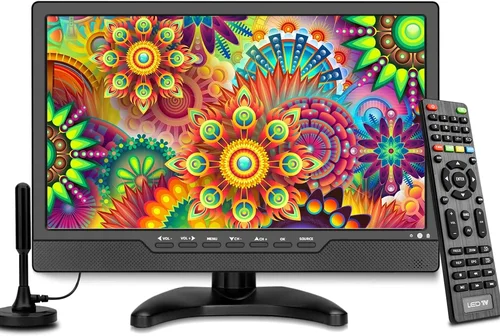
When it comes to transforming your apartment balcony, small patio, or rooftop into a cozy outdoor entertainment zone, few upgrades deliver as much value and enjoyment as a dedicated patio TV. Whether you’re sipping morning coffee while catching the news, hosting friends for a movie night under the stars, or simply unwinding after a long day with your favorite show, having a reliable TV designed—or at least well-suited—for outdoor use can elevate your living experience significantly. However, not all TVs are created equal when it comes to outdoor performance, and choosing the right one requires more than just picking the biggest screen or the flashiest brand.
This comprehensive buying guide is designed to cut through the noise and help you make an informed decision tailored to your specific needs, space constraints, and budget. We’ll walk you through every critical factor—from brightness and weather resistance to smart features and portability—so you can confidently select a patio TV that delivers stunning picture quality, durability, and long-term satisfaction. Whether you’re a first-time buyer or upgrading from an older model, this guide equips you with expert insights, real-world comparisons, and actionable advice to ensure you get the best possible value for your investment.
The market for outdoor and semi-outdoor TVs has evolved dramatically in recent years. What once required bulky, expensive weatherproof enclosures now includes sleek, purpose-built models from trusted brands like Samsung, LG, Sony, and specialized outdoor manufacturers such as SunBriteTV and Seura. At the same time, many indoor TVs can now be successfully used in covered patios with proper mounting and protection. This shift means more options than ever—but also more complexity in choosing wisely. Our goal is to simplify that process by focusing on what truly matters for apartment dwellers: compact size, ease of installation, resistance to glare and moisture, and seamless integration with your existing tech ecosystem.

What to Look for When Buying a Patio TV
1. Brightness & Display Performance
One of the most critical—and often overlooked—factors when selecting a patio TV is display brightness, measured in nits. Unlike indoor viewing, where ambient light is controlled, outdoor environments are flooded with natural sunlight, especially during daytime hours. A standard indoor TV typically peaks at around 300–400 nits, which is fine for a dimly lit living room but will appear washed out or nearly invisible on a sunny balcony.
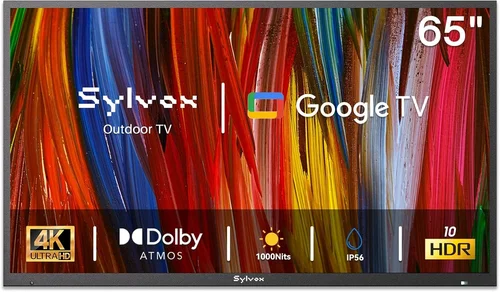
For patios, especially those with partial or full sun exposure, you’ll want a TV with a minimum brightness of 700 nits, though 1000+ nits is ideal. High-brightness displays use advanced backlighting (often LED or mini-LED) and anti-reflective coatings to combat glare and maintain color accuracy even in direct sunlight. Look for terms like “high luminance,” “sunlight readable,” or “outdoor-optimized display” in product descriptions.
Additionally, consider panel type. OLED TVs offer exceptional contrast and deep blacks but can struggle with peak brightness compared to QLED or mini-LED alternatives. For patios, QLED or mini-LED panels generally provide better visibility in bright conditions. Also pay attention to viewing angles—since you may be seated off-center on a small balcony, an IPS or wide-viewing-angle panel ensures consistent colors from multiple positions.
2. Weather Resistance & Durability
Even if your TV is installed under a covered balcony, it’s still exposed to humidity, temperature swings, dust, and occasional splashes—especially if you live in a coastal area or experience heavy rain. Standard indoor TVs aren’t built to handle these conditions and can suffer from corrosion, overheating, or electrical failure over time.
True outdoor TVs are engineered with sealed components, corrosion-resistant materials, and internal temperature regulation systems. Many are rated IP55 or higher, meaning they’re protected against dust and low-pressure water jets. Some models even include built-in heaters or coolers to prevent condensation in cold or humid climates.
If you’re considering an indoor TV for outdoor use, ensure it’s housed in a certified outdoor enclosure that provides equivalent protection. These enclosures add cost and bulk but can be a cost-effective way to repurpose a high-quality indoor display. Just remember: the enclosure must allow for proper ventilation to avoid overheating.
Also consider the mounting hardware. Outdoor-rated brackets and screws should be stainless steel or coated to resist rust. Avoid plastic mounts—they degrade quickly under UV exposure.
3. Size & Portability
Apartment patios are rarely spacious, so screen size must balance visibility with spatial constraints. A 55-inch TV might overwhelm a 6×8-foot balcony, while a 32-inch could feel too small for comfortable viewing from a seated distance of 6–8 feet.
As a general rule:
– 32–43 inches: Ideal for very small patios or close-range viewing (e.g., from a bistro set).
– 50–55 inches: The sweet spot for most apartment balconies, offering immersive viewing without dominating the space.
– 65+ inches: Best reserved for larger terraces or rooftop decks with ample seating distance.
Portability matters too—especially if you rent and may move. Some outdoor TVs come with built-in handles or lightweight designs, while others are permanently mounted. If you plan to relocate, look for models under 30 pounds or consider a portable outdoor projector as an alternative.
Don’t forget about depth! Ultra-thin TVs save space and look sleek, but some outdoor models are thicker due to protective casings. Measure your available wall or stand space before buying.
4. Smart Features & Connectivity
Modern patio TVs should integrate seamlessly with your digital lifestyle. Most new models run on popular smart platforms like Google TV, webOS (LG), or Tizen (Samsung), giving you access to Netflix, YouTube, Disney+, and more without needing a separate streaming device.
Check for:
– Wi-Fi 6 or dual-band Wi-Fi for stable streaming in outdoor areas where signal strength may weaken.
– Multiple HDMI ports (at least 3) for connecting soundbars, gaming consoles, or cable boxes.
– USB ports for media playback or powering accessories.
– Bluetooth for wireless audio to headphones or outdoor speakers.
Voice control via Google Assistant or Alexa is also valuable—imagine adjusting volume or searching for shows without fumbling for a remote in the dark.
Avoid TVs with outdated operating systems or limited app support. A smart TV that can’t update its software will become obsolete quickly, especially as streaming services evolve.
5. Audio Quality & Sound Solutions
Outdoor acoustics are tricky. Wind, traffic noise, and open spaces can drown out built-in TV speakers, which are often weak even on premium models. While many patio TVs include enhanced audio systems, don’t rely solely on them for satisfying sound.
Consider pairing your TV with a weather-resistant Bluetooth speaker or a compact outdoor soundbar. Look for models with IPX4 or higher ratings and rechargeable batteries for true wireless freedom. Alternatively, wired outdoor speaker systems can be installed permanently for a more immersive experience.
Some high-end outdoor TVs feature front-firing speakers or built-in subwoofers, but these are rare and often add significant cost. For most users, external audio is the smarter investment.
6. Installation & Mounting Options
How you mount your TV affects both safety and viewing comfort. Wall mounts are common, but ensure your balcony wall can support the weight—especially if it’s made of drywall or lightweight composite materials. Concrete or brick walls are ideal; otherwise, use heavy-duty toggle bolts or consult a professional.
Tilt and full-motion mounts allow you to adjust the angle for optimal viewing, which is helpful if your seating is low (e.g., floor cushions) or if you want to reduce glare from windows or lights. Ceiling mounts are another option for unique layouts, though they require more complex wiring.
Cable management is crucial outdoors. Use conduit or weatherproof raceways to protect HDMI and power cords from the elements. Never leave cables dangling—they’re tripping hazards and prone to damage.
If you’re renting, check your lease agreement. Some landlords prohibit drilling into exterior walls. In such cases, freestanding TV carts or weighted bases offer a no-drill solution, though they take up floor space.
7. Energy Efficiency & Operating Costs
Outdoor TVs often run longer hours than indoor ones—think morning news, evening movies, weekend binges—so energy consumption matters. Look for ENERGY STAR-certified models, which use up to 30% less power than standard TVs.
LED-backlit displays are inherently more efficient than older LCD or plasma technologies. Also, features like auto-brightness adjustment (which dims the screen in low light) can significantly reduce power usage overnight.
While the upfront cost of an energy-efficient TV may be slightly higher, the long-term savings on electricity—and reduced environmental impact—make it worthwhile, especially if you live in an area with high utility rates.
8. Brand Reputation & Customer Support
Not all TV brands are equally reliable when it comes to outdoor performance. Established names like Samsung, LG, and Sony have proven track records, but specialized outdoor manufacturers like SunBriteTV, Seura, and Avip offer purpose-built solutions with superior weatherproofing and brightness.
Research customer reviews on trusted sites like Wirecutter, CNET, or Amazon, focusing on long-term durability and post-purchase support. Pay attention to comments about customer service responsiveness—especially if you encounter issues with warranties or repairs.
Avoid unknown brands with vague specifications or no verifiable user feedback. A cheap TV that fails after one season isn’t a bargain—it’s a waste.
Different Types of Patio TVs

Common Buying Mistakes to Avoid
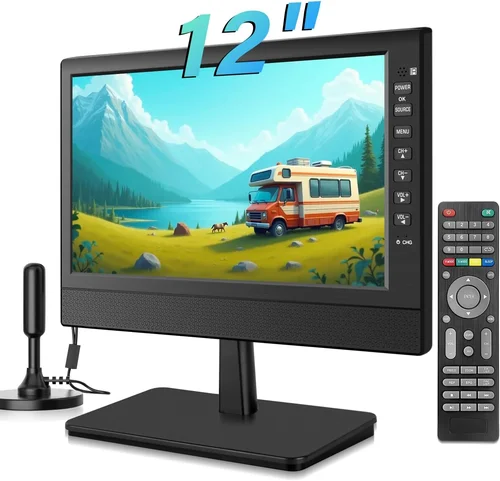
❌ Mistake: Choosing an Indoor TV Without Considering Brightness
Why it’s bad: An indoor TV placed on a sunny patio will look dim and washed out, making it nearly unusable during daylight hours. You’ll end up watching everything at night only, defeating the purpose of an outdoor setup.
What to do instead: Prioritize brightness (700+ nits) and anti-glare coatings. If using an indoor TV, ensure it’s in a shaded area and consider adding a hood or visor to reduce direct light.
❌ Mistake: Ignoring Weather Protection
Why it’s bad: Moisture, dust, and temperature fluctuations can fry internal components within months. Repair costs often exceed the TV’s value, and warranties rarely cover outdoor misuse.
What to do instead: Use a certified outdoor TV or a properly rated enclosure. Check IP ratings and avoid “weather-resistant” claims without certification.
❌ Mistake: Overlooking Audio Needs
Why it’s bad: Built-in TV speakers are rarely loud or clear enough for outdoor environments. You’ll strain to hear dialogue over wind or traffic.
What to do instead: Budget for a weatherproof Bluetooth speaker or outdoor sound system from day one. Test audio setup before finalizing your purchase.
❌ Mistake: Buying Too Large for the Space
Why it’s bad: A massive TV can overwhelm a small balcony, block light, and create an awkward focal point. It may also require costly structural reinforcements.
What to do instead: Measure your space and seating distance. Use online screen size calculators to find the ideal dimensions for your layout.
❌ Mistake: Skipping Professional Installation
Why it’s bad: Improper mounting can lead to falls, electrical hazards, or water intrusion. DIY mistakes often void warranties.
What to do instead: Hire a certified installer, especially for wall mounts or complex wiring. Many retailers offer installation services at checkout.
❌ Mistake: Neglecting Return Policies and Warranties
Why it’s bad: Outdoor TVs are expensive, and defects may not appear immediately. Without a good return window or extended warranty, you’re stuck with a lemon.
What to do instead: Choose retailers with at least 30-day returns and brands offering 2–3 year warranties. Consider third-party protection plans for high-end models.
❌ Mistake: Forgetting About Power and Connectivity
Why it’s bad: Running extension cords across your patio creates tripping hazards and looks messy. Weak Wi-Fi can cause buffering during streaming.
What to do instead: Plan your power source and internet connection in advance. Use outdoor-rated extension cords or hire an electrician to install a dedicated outlet.
Budget Guidelines: How Much Should You Spend?
Entry-Level ($400–$800): This tier includes basic indoor TVs used in fully covered, shaded patios or portable outdoor displays. Expect smaller screens (32–43 inches), lower brightness (300–500 nits), and minimal weather protection. Best for occasional use in mild climates. Examples: TCL 4-Series, Hisense A6.
Mid-Range ($800–$1,800): The sweet spot for most apartment dwellers. These are typically high-brightness indoor TVs (700+ nits) used with outdoor enclosures, or semi-outdoor models designed for partial cover. You’ll get 50–55-inch screens, smart platforms, and decent audio. Great balance of performance and value. Examples: Samsung Q60C (with enclosure), LG UQ75.
Premium ($1,800–$3,500): Purpose-built outdoor TVs with full weatherproofing, extreme brightness (1000+ nits), and robust construction. Ideal for exposed patios or harsh climates. Includes advanced features like thermal management, anti-reflective glass, and premium smart OS. Examples: SunBriteTV Veranda Series, Seura Outdoor TV.
Luxury ($3,500+): Top-tier all-weather models with OLED or mini-LED displays, ultra-thin designs, integrated sound systems, and smart home integration. Often customizable in size and finish. Built to last 10+ years with minimal maintenance. Examples: SunBriteTV Pro Series, Samsung The Terrace.
Expert Tips for Getting the Best Deal
– Buy during off-seasons: Prices drop significantly in late winter and early spring (February–April) as retailers clear inventory for new models. Avoid summer and holiday rushes.
– Shop certified refurbished: Many brands sell factory-refurbished outdoor TVs with full warranties at 20–40% off retail. These are thoroughly tested and often indistinguishable from new units.
– Compare total cost of ownership: A cheaper TV may require a $300 enclosure and $200 sound system, while a premium all-in-one model includes everything. Calculate the full package.
– Check local incentives: Some utility companies offer rebates for ENERGY STAR appliances, including outdoor TVs. Ask your provider.
– Negotiate with retailers: Big-box stores and specialty AV shops often match online prices or throw in free installation if you ask.
– Read the fine print on warranties: Ensure coverage includes outdoor use. Many indoor TV warranties are voided if used outside.
– Test before you commit: If possible, visit a showroom to see brightness and color performance in person. Online specs don’t always reflect real-world visibility.
– Consider leasing or financing: For high-end models, monthly payment plans can make ownership more accessible without draining your savings.

Frequently Asked Questions
Q: Can I use a regular indoor TV on my covered balcony?
A: Yes—if your balcony is fully enclosed or under a solid roof with no direct exposure to rain, snow, or intense sun. However, you must protect it from humidity and temperature swings. Use a ventilated outdoor enclosure and avoid placing it near doors or windows where condensation can form. For best results, choose a high-brightness indoor model (700+ nits).
Q: Do outdoor TVs need special power outlets?
A: Not necessarily, but it’s wise to use a GFCI (Ground Fault Circuit Interrupter) outlet for safety, especially in damp areas. These outlets shut off power if they detect a leak, preventing shocks. If your patio lacks one, hire an electrician to install it.
Q: How do I hide cables on my patio TV?
A: Use weatherproof cable raceways, conduit, or in-wall channels (if permitted). Paint raceways to match your wall color for a seamless look. Avoid taping cords to surfaces—they degrade and look messy.
Q: Will my Wi-Fi reach my patio?
A: Possibly not. Concrete walls, metal railings, and distance can weaken signals. Test your connection before buying. If weak, consider a Wi-Fi extender, mesh network, or powerline adapter to boost coverage.
Q: Are outdoor TVs worth the extra cost?
A: Absolutely—if you use your patio regularly. The durability, brightness, and reliability justify the investment over time. A $2,000 outdoor TV that lasts 8 years costs less per year than replacing two $800 indoor TVs that fail prematurely.
Q: Can I mount my TV on a balcony railing?
A: Generally no. Railings aren’t designed to support heavy loads and may violate building codes. Wall or ceiling mounts are safer and more stable. If railing mounting is your only option, consult a structural engineer first.
Q: Do I need a permit to install an outdoor TV?
A: It depends on your city and building type. In some areas, exterior modifications require approval—especially in historic districts or condos. Check with your landlord or local building department before drilling.
Q: What’s the difference between IP55 and IP65?
A: IP ratings indicate protection level. IP55 guards against dust and low-pressure water jets from any direction. IP65 offers complete dust protection and resistance to stronger water spray. For most patios, IP55 is sufficient; IP65 is better for poolside or coastal use.
Q: Can I leave my outdoor TV on all night?
A: Yes, but enable sleep timers or auto-off features to save energy. Most modern outdoor TVs have low standby power draw, but continuous operation increases wear. Use a smart plug to schedule on/off times.
Q: Are there solar-powered outdoor TV options?
A: Not yet for full-sized TVs, but solar-powered projectors and portable displays are emerging. For now, hardwired or battery-powered solutions are more practical.
Our Final Recommendations
Best for Budget-Conscious Buyers: Samsung Q60C 55″ QLED (with Peerless-AV Outdoor Enclosure)
Why: Delivers 1000+ nits brightness, vibrant colors, and reliable smart features at a mid-range price. The enclosure adds weather protection without breaking the bank.
Best Overall Value: SunBriteTV Veranda Series 55″
Why: Purpose-built for outdoor use with IP55 rating, 1000-nit display, and built-in smart platform. Durable, bright, and backed by excellent customer support.
Best Premium Option: Samsung The Terrace 65″ Full Sun
Why: Mini-LED backlighting, 2000+ nits brightness, anti-reflective coating, and sleek design. Perfect for sunny patios and tech enthusiasts who want the best.
Best for Beginners: LG UQ75 50″ UHD Smart TV + Covered Balcony Setup
Why: Affordable, easy to set up, and works well in shaded areas. Pair with a basic soundbar for a simple, effective outdoor system.
Best for Advanced Users: Seura 55″ Shadow Series Outdoor TV
Why: Ultra-thin profile, customizable bezels, and whisper-quiet operation. Ideal for those who want a seamless, high-end aesthetic with top-tier performance.
Conclusion: Making the Right Choice
Choosing the right patio TV for your apartment isn’t just about picking the shiniest screen—it’s about aligning your purchase with your lifestyle, space, and long-term goals. From battling glare on a sunny balcony to ensuring your investment withstands seasonal changes, every decision matters. By focusing on brightness, weather resistance, size, and smart integration, you’ll avoid common pitfalls and enjoy years of reliable outdoor entertainment.
Remember: the cheapest option isn’t always the best value, and the most expensive model may be overkill for your needs. Prioritize what matters most—whether that’s portability, picture quality, or ease of installation—and build your setup around those priorities. With the insights from this guide, you’re equipped to navigate the market confidently and select a patio TV that truly enhances your outdoor living experience.
So go ahead—transform that underused balcony into your personal oasis. Whether it’s a quiet morning with the news or a lively gathering under the stars, the right TV makes all the difference. Happy viewing!

