
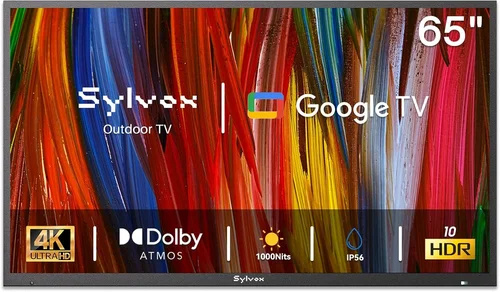
Outdoor living spaces have evolved far beyond simple patios and balconies—today’s homeowners and renters treat these areas as true extensions of their indoor living rooms. Whether you’re sipping coffee at sunrise on a city balcony or hosting movie nights under the stars in your backyard, having reliable, high-quality entertainment outdoors is no longer a luxury—it’s an expectation. But bringing TV technology outside isn’t as simple as dragging your living room set into the elements. Standard indoor TVs simply aren’t built to withstand rain, humidity, extreme temperatures, or direct sunlight glare. That’s where outdoor TVs come in.
This comprehensive buying guide is designed to help you navigate the often-confusing world of outdoor televisions with confidence. Whether you’re a first-time buyer or upgrading from an older model, we’ll walk you through every critical decision point—from understanding weatherproof ratings to choosing the right screen size for your space. You’ll learn how to balance performance, durability, and budget while avoiding common pitfalls that lead to buyer’s remorse. By the end, you’ll have all the knowledge needed to select an outdoor TV that delivers stunning picture quality, lasts for years, and enhances your outdoor lifestyle.
The outdoor TV market has matured significantly over the past decade. What once consisted of bulky, expensive specialty units now includes a wide range of options—from fully sealed all-weather models to semi-outdoor solutions that work well under covered patios. Brands like Samsung, LG, Sony, SunBriteTV, and Seura have pushed innovation forward, integrating features like anti-glare screens, enhanced brightness, and smart connectivity into ruggedized designs. At the same time, more affordable alternatives have emerged, making outdoor viewing accessible to a broader audience. With so many choices available, it’s essential to understand what truly matters when selecting a TV for your balcony or patio.

What to Look for When Buying Buying Guide
1. Weather Resistance & IP Rating
When it comes to outdoor TVs, weather resistance isn’t optional—it’s foundational. Unlike indoor models, outdoor TVs must endure rain, snow, dust, humidity, and temperature swings without failing. The key metric here is the Ingress Protection (IP) rating, which tells you exactly how well a TV resists environmental threats. An IP rating consists of two numbers: the first indicates protection against solid particles (like dust), and the second refers to liquid ingress (like rain or splashes). For outdoor use, look for at least an IP55 rating—this means the TV is protected from limited dust ingress and low-pressure water jets from any direction.
For fully exposed areas (like an open balcony without overhead cover), aim for IP65 or higher. IP65 offers complete dust protection and resistance to water projected from a nozzle, making it ideal for year-round use in most climates. Some premium models even boast IP66 or IP67 ratings, which provide additional protection against powerful water jets or temporary immersion—perfect if you live in a region with heavy storms or coastal humidity. Always check the manufacturer’s specifications carefully; some brands market “outdoor-ready” TVs that are only suitable for covered spaces and may void warranties if used in direct weather exposure.
2. Screen Brightness & Anti-Glare Technology
One of the biggest challenges with outdoor viewing is ambient light—especially direct sunlight. Even the best indoor TV can turn into a dark, unwatchable mirror when placed outside. That’s why outdoor TVs must deliver significantly higher brightness levels than their indoor counterparts. While a typical living room TV operates around 300–500 nits, outdoor models should start at 700 nits and go up to 2,500+ nits for full sun exposure. Higher brightness ensures that colors remain vibrant and details stay visible even on the brightest afternoons.
Equally important is anti-glare technology. Many outdoor TVs feature optically bonded glass or specialized matte coatings that diffuse reflections and reduce screen glare. This is crucial for maintaining image clarity when the sun hits the screen at an angle. Some manufacturers also incorporate ambient light sensors that automatically adjust brightness based on surrounding conditions—helping conserve energy during cloudy days while ramping up output when needed. If you plan to watch during daylight hours (think weekend brunches or afternoon sports), prioritize models with both high peak brightness and advanced anti-reflective treatments.
3. Build Quality & Durability
An outdoor TV isn’t just about surviving the weather—it’s about thriving in it for years. Build quality directly impacts longevity, especially in harsh environments. Start by examining the materials used in the chassis and bezel. High-end outdoor TVs often feature powder-coated aluminum or stainless steel frames that resist corrosion, rust, and UV degradation. Avoid plastic-heavy designs, which can become brittle over time when exposed to constant sun and temperature changes.
Internal components matter too. Look for TVs with sealed cooling systems (passive or active) that prevent moisture and dust from entering sensitive electronics. Some models include internal heaters for cold climates, ensuring reliable startup even in sub-freezing temperatures. Additionally, consider the mounting hardware—outdoor-rated brackets and enclosures should be included or readily available. A poorly mounted TV can become a liability in high winds or seismic zones. Finally, check for certifications like UL Listed for outdoor use or compliance with regional safety standards (e.g., CE, FCC), which indicate rigorous testing under real-world conditions.
4. Display Technology & Picture Quality
Not all outdoor TVs deliver the same visual experience. The underlying display technology plays a major role in color accuracy, contrast, viewing angles, and motion handling. Most premium outdoor models use OLED or QLED panels, which offer superior black levels, wide color gamuts, and excellent brightness control. OLED, in particular, excels in high-contrast scenes and off-axis viewing—ideal for group gatherings where viewers sit at various angles.
However, OLED screens can be more susceptible to permanent burn-in if static images (like news tickers or gaming HUDs) are displayed for extended periods outdoors. QLED, on the other hand, uses quantum dots to enhance color and brightness without the same burn-in risk, making it a safer choice for mixed-use scenarios. For budget-conscious buyers, high-brightness LED-LCD panels with local dimming can still deliver impressive results, especially under partial cover. Regardless of technology, ensure the TV supports modern HDR formats (HDR10, HLG, Dolby Vision) for richer, more lifelike images. Also, verify refresh rate—60Hz is standard, but 120Hz models offer smoother motion for sports and action content.
5. Smart Features & Connectivity
Today’s outdoor TVs aren’t just dumb screens—they’re full-fledged smart platforms. Built-in Wi-Fi, Bluetooth, and voice assistants (like Alexa or Google Assistant) allow seamless streaming from Netflix, YouTube, Disney+, and other services without needing external devices. Look for models running established operating systems such as webOS (LG), Tizen (Samsung), or Android TV, which offer regular updates, app stores, and intuitive interfaces.
Connectivity options are equally vital. Ensure the TV includes multiple HDMI ports (preferably HDMI 2.1 for future-proofing), USB inputs, and audio outputs (optical or 3.5mm) for soundbars or outdoor speakers. Some models even feature weatherproof cable glands or rear access panels to simplify wiring while maintaining IP integrity. If you plan to connect gaming consoles, cable boxes, or streaming sticks, confirm compatibility and port placement—nothing ruins an outdoor setup like tangled cords or inaccessible ports behind a sealed enclosure.
6. Size & Viewing Distance
Choosing the right screen size depends on your available space and typical viewing distance. For balconies or small patios, a 43- to 55-inch TV usually strikes the best balance between immersion and practicality. Larger spaces (like expansive decks or outdoor kitchens) can accommodate 65-inch or even 75-inch models without overwhelming the area.
Use the 1.5x rule as a guideline: multiply your seating distance (in inches) by 1.5 to estimate the ideal screen diagonal. For example, if viewers sit 8 feet (96 inches) away, a 55- to 65-inch TV is appropriate. Avoid going too large—oversized screens can cause eye strain and look disproportionate in compact settings. Also, consider ceiling height and mounting options; some outdoor TVs require specialized tilt or swivel mounts to optimize viewing angles, especially when installed above grills or seating areas.
7. Brand Reputation & Ecosystem Compatibility
Not all brands approach outdoor TVs with the same level of expertise. Established names like Samsung, LG, and Sony leverage their indoor TV R&D to create robust outdoor variants, often with better software support and longer product lifecycles. Specialty brands like SunBriteTV and Seura focus exclusively on outdoor displays, offering deep customization and proven field reliability—but at a premium price.
Consider ecosystem compatibility if you already own smart home devices. A Samsung TV integrates seamlessly with SmartThings hubs, while LG models work well with Apple AirPlay and HomeKit. Sony TVs often support Google Cast and Chromecast built-in. Choosing a brand that aligns with your existing tech stack simplifies control and automation. Also, research customer service responsiveness—outdoor TVs are harder to replace or repair, so responsive support can save significant hassle down the line.
8. Warranty & Support
Outdoor TVs represent a significant investment, so robust warranty coverage is non-negotiable. Most reputable brands offer 2- to 3-year limited warranties that cover defects and weather-related failures—but read the fine print. Some exclude damage from improper installation, extreme weather events, or use in uncovered areas unless explicitly rated for it.
Look for extended warranty options or service plans that include on-site repairs or expedited replacements. Brands with dedicated outdoor divisions (like SunBriteTV) often provide better technical support and faster turnaround times. Additionally, check if the warranty is transferable—this adds value if you sell your home. Avoid no-name brands with vague or non-existent warranty terms; they may save money upfront but cost far more in the long run due to premature failure or lack of support.
Different Types of Buying Guide
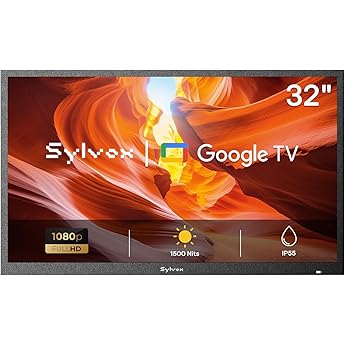
Common Buying Mistakes to Avoid
❌ Mistake: Using an Indoor TV Outdoors Without Protection
Why it’s bad: Indoor TVs lack weatherproofing and aren’t designed for temperature extremes. Even brief exposure to rain or high humidity can cause electrical shorts, screen fogging, or permanent damage. Most manufacturers void warranties if used outside.
What to do instead: Either invest in a purpose-built outdoor TV or use a certified outdoor enclosure designed for your specific indoor model. Never assume “it’ll be fine under the eaves.”
❌ Mistake: Ignoring Local Climate Conditions
Why it’s bad: A TV rated for mild coastal climates may fail in desert heat or arctic cold. Temperature ranges matter—some models shut down below 32°F or above 104°F, leaving you without entertainment during key seasons.
What to do instead: Check the operating temperature range in the specs. If you live in Arizona, choose a model rated for 120°F+. In Minnesota, ensure it functions down to -20°F or lower.
❌ Mistake: Overlooking Power and Connectivity Needs
Why it’s bad: Outdoor setups often lack convenient power outlets or network access. Running extension cords across walkways creates tripping hazards and looks messy.
What to do instead: Plan your electrical and networking layout before purchase. Consider GFCI outlets, buried conduit for cables, or wireless HDMI transmitters to reduce clutter.
❌ Mistake: Choosing Based Solely on Price
Why it’s bad: The cheapest “outdoor” TV may cut corners on brightness, sealing, or build quality, leading to early failure. You’ll end up spending more on replacements.
What to do instead: Prioritize value over lowest cost. A mid-range model with solid IP rating and brightness often outperforms a bargain bin special in real-world use.
❌ Mistake: Neglecting Audio Solutions
Why it’s bad: Outdoor environments absorb sound, making built-in TV speakers inadequate. Wind, traffic, and distance can drown out dialogue.
What to do instead: Pair your TV with weather-resistant outdoor speakers or a soundbar. Many outdoor TVs include audio outputs specifically for this purpose.
❌ Mistake: Poor Mounting or Installation
Why it’s bad: Improper mounting can lead to instability, water ingress, or even TV detachment in high winds. DIY jobs often miss critical sealing steps.
What to do instead: Hire a certified installer or follow manufacturer guidelines precisely. Use stainless steel hardware and seal all penetrations with silicone rated for outdoor use.
❌ Mistake: Assuming All “Smart” Features Work Offline
Why it’s bad: Many smart TVs require internet for initial setup, updates, or app functionality. Weak Wi-Fi signals outdoors can render features useless.
What to do instead: Test your outdoor Wi-Fi coverage first. Use mesh extenders or powerline adapters to boost signal strength to the TV location.
Budget Guidelines: How Much Should You Spend?
Entry-Level ($600–$1,200): This tier includes semi-outdoor TVs or indoor models paired with basic enclosures. Expect moderate brightness (500–700 nits), limited weather resistance (IP54), and standard smart features. Ideal for covered patios in mild climates. Brands like TCL and Hisense offer decent value here, but durability may be compromised in harsher conditions.
Mid-Range ($1,200–$2,500): The sweet spot for most buyers. These TVs deliver 800–1,500 nits brightness, IP55+ ratings, and robust build quality. You’ll find reliable smart platforms, good HDR support, and compatibility with outdoor audio systems. Models from Samsung (The Terrace), LG (OLED Flex for outdoor use), and Vizio’s outdoor line fit here. Perfect for partially covered decks and balconies.
Premium ($2,500–$4,500): Designed for enthusiasts and those in extreme climates. Features include 1,500–2,500+ nits brightness, full IP65/IP66 sealing, internal heaters/coolers, and premium materials. Expect top-tier picture quality (QLED/OLED), advanced anti-glare coatings, and comprehensive warranties. SunBriteTV Veranda and Seura Shadow Series are prime examples.
Luxury ($4,500+): For commercial applications or discerning homeowners who want the absolute best. These units offer 24/7 operation capability, modular designs, centralized control systems, and custom finishes. Often used in luxury resorts, yachts, or high-end residential projects. Expect bespoke installation and ongoing service contracts.
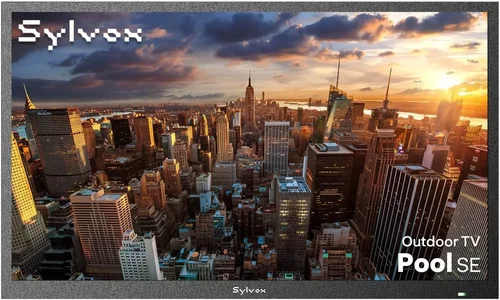
Expert Tips for Getting the Best Deal
- Buy during off-seasons: Prices drop significantly in late fall and winter when demand is low. Retailers often clear inventory before spring launches.
- Check manufacturer refurbished programs: Brands like Samsung and LG sell certified pre-owned outdoor TVs at 20–30% off with full warranties.
- Bundle with installation: Some retailers offer free or discounted professional mounting when you buy the TV—worth hundreds in labor savings.
- Negotiate extended warranties: If buying in-store, ask to include a 3- or 5-year plan at no extra cost—it’s often negotiable.
- Compare total cost of ownership: Factor in enclosure costs, mounting hardware, and potential repair expenses. A slightly pricier TV with better durability may save money long-term.
- Read real user reviews: Look beyond star ratings. Search for keywords like “rain,” “sun glare,” or “winter” to find authentic performance insights.
- Verify return policies: Ensure you can return the TV if it doesn’t perform as expected in your specific environment—some retailers restrict returns on outdoor electronics.
- Consider energy efficiency: High-brightness TVs consume more power. Look for ENERGY STAR ratings to reduce electricity costs, especially if running for hours daily.

Frequently Asked Questions
Q: Can I use a regular TV on my covered balcony?
A: It depends on the level of coverage. If your balcony is fully enclosed or has a solid roof with walls on at least three sides, a high-brightness indoor TV with an outdoor enclosure may work. However, if it’s open on one or more sides—even with a roof—you risk moisture, dust, and temperature damage. Always opt for a purpose-built outdoor TV or verified enclosure for safety and warranty compliance.
Q: Do outdoor TVs need special mounts?
A: Yes. Standard TV mounts aren’t designed for outdoor conditions. Use corrosion-resistant, weatherproof mounts rated for your TV’s weight and size. Tilt and swivel functions are helpful for adjusting viewing angles, but ensure all hardware is stainless steel and properly sealed.
Q: How do I clean an outdoor TV screen?
A: Use a microfiber cloth and distilled water only. Avoid ammonia-based cleaners (like Windex), which can damage anti-glare coatings. For stubborn grime, lightly dampen the cloth—never spray liquid directly on the screen. Power off the TV before cleaning.
Q: Will an outdoor TV work in direct sunlight?
A: Only if it’s specifically rated for full sun exposure (typically 1,500+ nits brightness and IP65+). Most semi-outdoor models struggle in direct midday sun. For best results, install the TV in a shaded or partially covered area, or use retractable awnings.
Q: Can I leave my outdoor TV on all the time?
A: Commercial-grade models are built for 24/7 operation, but consumer outdoor TVs are not. Continuous use generates heat and accelerates component wear. Turn it off when not in use, and avoid displaying static images for long periods to prevent burn-in.
Q: Are outdoor TVs compatible with streaming devices?
A: Absolutely. Most include HDMI ports for Fire Stick, Roku, Apple TV, or Chromecast. However, ensure the device is also protected from the elements—use a weatherproof case or install it indoors with an HDMI extender.
Q: What’s the difference between IP55 and IP65?
A: IP55 protects against dust (limited ingress) and low-pressure water jets. IP65 offers complete dust protection and resistance to water from any direction. For balconies exposed to wind-driven rain, IP65 is strongly recommended.
Q: Do I need a surge protector for an outdoor TV?
A: Yes. Outdoor electronics are vulnerable to power surges from lightning or grid fluctuations. Use a high-quality outdoor-rated surge protector with at least 2,000 joules of protection and connect it to a GFCI outlet.
Q: Can I paint or modify an outdoor TV?
A: No. Painting or drilling voids the warranty and compromises the weatherproof seal. If you need a custom color, choose a model with interchangeable bezels or consult the manufacturer for approved options.
Q: How long do outdoor TVs last?
A: With proper installation and maintenance, most quality outdoor TVs last 7–10 years. Harsh climates or poor ventilation can shorten lifespan. Regular cleaning and seasonal inspections help maximize longevity.
Our Final Recommendations
Best for Budget-Conscious Buyers: Samsung The Terrace Partial Sun – Offers excellent brightness (1,000 nits), IP55 rating, and Tizen OS at a competitive price. Ideal for covered patios and delivers strong value without sacrificing core outdoor features.
Best Overall Value: SunBriteTV Veranda Series – Combines full weatherproofing (IP65), 1,000+ nits brightness, and reliable performance across climates. Slightly pricier than mid-range options but built to last a decade with minimal maintenance.
Best Premium Option: Seura Shadow Series OLED – Features stunning OLED picture quality, 2,000-nit peak brightness, and a sleek, frameless design. Perfect for luxury outdoor living spaces where image quality and aesthetics matter most.
Best for Beginners: LG 55″ OLED Flex (with outdoor kit) – While primarily an indoor TV, LG offers an official outdoor conversion kit that makes it suitable for covered areas. Great for those who want OLED quality without committing to a dedicated outdoor model.
Best for Advanced Users: Sony X95L Outdoor Edition – Integrates Sony’s flagship processing with a ruggedized chassis, supporting Dolby Vision IQ and advanced local dimming. Ideal for tech-savvy users who demand cinematic performance outdoors.
Conclusion: Making the Right Choice
Selecting the right outdoor TV for your balcony or patio is about more than just picture quality—it’s about creating a durable, enjoyable, and safe entertainment experience that enhances your outdoor lifestyle. From understanding IP ratings and brightness requirements to avoiding common installation pitfalls, every decision shapes how well your TV performs in the real world. Remember: the cheapest option rarely delivers the best long-term value, and cutting corners on weatherproofing can lead to costly failures.
Prioritize your specific needs—whether that’s surviving a Seattle downpour, enjoying Sunday football in Arizona heat, or simply streaming movies under a covered pergola. Match those needs to the right type of TV, budget tier, and brand reputation. And don’t forget the supporting cast: proper mounting, reliable audio, and smart connectivity all contribute to a seamless outdoor viewing experience.
With the insights from this guide, you’re now equipped to make an informed, confident purchase. Take your time, compare models carefully, and invest in a solution that will bring joy to your outdoor space for years to come. Your perfect outdoor TV isn’t just a screen—it’s the centerpiece of countless memories under the open sky.

