
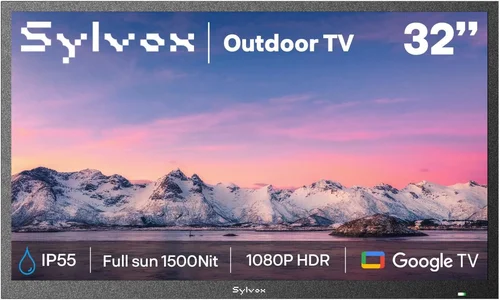
Outdoor movie nights have evolved from a fun weekend idea into a full-blown backyard entertainment trend. Whether you’re hosting a family movie marathon under the stars, throwing a summer blockbuster party for friends, or simply unwinding after a long day with your favorite show, having the right outdoor TV can make all the difference. But unlike indoor televisions, outdoor TVs face unique challenges—direct sunlight, humidity, temperature swings, dust, and even curious critters. That’s why choosing the right model isn’t just about screen size or resolution; it’s about finding a display built to thrive in the elements while delivering a cinematic experience.
This comprehensive buying guide is designed to help you navigate the often-confusing world of outdoor TVs in 2026. We’ll walk you through everything you need to know—from key performance specs and durability standards to budget considerations and common pitfalls. Whether you’re a first-time buyer or upgrading from an older model, this guide will equip you with expert-level insights to make a confident, informed decision. By the end, you’ll understand not only what to look for but also how to get the best value for your investment.
The outdoor TV market has matured significantly over the past few years. What once consisted of bulky, expensive specialty models now includes a range of options from reputable brands like Samsung, LG, Sony, and dedicated outdoor specialists such as SunBriteTV and Seura. Advances in display technology, weatherproofing, and smart features have made outdoor viewing more accessible and enjoyable than ever. However, with more choices comes greater complexity. This guide cuts through the noise, focusing on real-world performance, long-term reliability, and value—so you can enjoy countless backyard movie nights without worrying about your TV surviving the season.

What to Look for When Buying Buying Guide
1. Weather Resistance & IP Rating
One of the most critical factors when selecting an outdoor TV is its ability to withstand environmental conditions. Unlike indoor TVs, outdoor models must resist moisture, dust, extreme temperatures, and UV exposure. The best way to evaluate this is by checking the TV’s Ingress Protection (IP) rating. This two-digit code indicates how well the device is protected against solids (like dust) and liquids (like rain or sprinklers).
Look for a minimum IP55 rating—this means the TV is protected against low-pressure water jets and limited dust ingress. For full sun exposure or areas with heavy rainfall, aim for IP65 or higher. Some premium models even offer IP66 or IP67 ratings, providing near-total protection against dust and powerful water jets. Additionally, ensure the TV is designed for outdoor use with sealed ports, corrosion-resistant materials, and ventilation systems that prevent overheating without allowing moisture inside.
2. Brightness & Anti-Glare Technology
Sunlight is the enemy of screen visibility. Even the best 4K image looks washed out if your TV can’t combat glare and ambient light. This is where brightness—measured in nits—becomes crucial. Indoor TVs typically range from 200 to 600 nits, but outdoor models need significantly more. For shaded patios or evening use, 700–1,000 nits may suffice. However, for full daylight viewing, you’ll want at least 1,500 nits, with premium models reaching 2,000 nits or more.
Equally important is anti-glare coating. High-brightness panels often come with matte finishes or specialized optical filters that diffuse reflections without sacrificing color accuracy. Some brands, like SunBriteTV, use proprietary technologies such as “Direct Sunlight Readable” (DSR) panels, which combine high luminance with advanced polarizing layers to maintain contrast even in direct sun. When comparing models, prioritize both peak brightness and real-world glare performance—don’t rely solely on spec sheets.
3. Display Technology: LED vs. OLED vs. QLED
The type of display panel used directly impacts picture quality, durability, and cost. Most outdoor TVs use LED-backlit LCD panels due to their brightness capabilities and affordability. However, newer models are incorporating QLED (Quantum Dot LED) technology, which enhances color volume and brightness while maintaining energy efficiency. QLED is ideal for outdoor use because it delivers vibrant colors even in high ambient light.
OLED, while offering superior contrast and deeper blacks, is generally not recommended for outdoor installations. OLED panels are more susceptible to burn-in and degrade faster under constant high brightness—conditions common in outdoor settings. That said, some manufacturers are experimenting with outdoor-optimized OLED variants, but these remain rare and expensive. For most buyers, a high-brightness QLED or advanced LED panel strikes the best balance between performance and longevity.
4. Size & Viewing Distance
Choosing the right screen size depends on your seating arrangement and available space. A common mistake is going too big—oversized screens can cause eye strain and look disproportionate in smaller yards. As a rule of thumb, multiply your viewing distance (in inches) by 0.84 to get the ideal screen diagonal. For example, if viewers sit 10 feet (120 inches) away, a 100-inch screen (120 × 0.84 ≈ 101) is optimal.
Outdoor TVs typically range from 43 inches to 85 inches, with some custom installations going larger. Consider mounting options too: wall-mounted TVs save space and reduce trip hazards, while portable stands offer flexibility. If you plan to move the TV between locations (e.g., patio to poolside), opt for a lighter model with built-in handles or a compatible rolling stand.
5. Smart Features & Connectivity
Modern outdoor TVs come equipped with smart platforms like Google TV, webOS, or Roku, allowing access to streaming services without external devices. This is especially useful for backyard movie nights—no need to lug a streaming stick or game console outside. Look for models with built-in Wi-Fi 6 or Ethernet ports for stable connectivity, even in areas with weak signals.
Connectivity options matter too. Ensure the TV has multiple HDMI 2.1 ports (for 4K/120Hz content), USB ports for media playback, and audio outputs for external speakers or soundbars. Some models include weatherproof cable management systems to keep cords protected and organized. If you use Apple AirPlay or Chromecast, verify compatibility—many outdoor TVs now support these protocols natively.
6. Audio Quality & External Sound Options
Built-in speakers on outdoor TVs are often underpowered due to space and weatherproofing constraints. While they’re fine for casual listening, they rarely deliver the immersive sound needed for movie nights. Most outdoor TVs include audio output options (optical, HDMI ARC, or 3.5mm), allowing you to connect weather-resistant soundbars or outdoor speaker systems.
Consider investing in a dedicated outdoor audio setup. Brands like Bose, Sonos, and Polk Audio offer weatherproof speakers designed for patios and decks. For a truly cinematic experience, a 5.1 surround sound system with wireless rear speakers can transform your backyard into a mini drive-in theater. Just ensure your TV supports the necessary audio formats (Dolby Atmos, DTS:X) if you plan to use advanced sound systems.
7. Installation & Mounting Requirements
Proper installation is key to both performance and safety. Outdoor TVs should be mounted securely to withstand wind, vibrations, and accidental bumps. Use only VESA-compatible outdoor mounts rated for your TV’s weight and size. Many manufacturers offer proprietary mounting kits designed specifically for their models, which include weatherproofing gaskets and tilt/swivel adjustments.
Location matters too. Avoid placing the TV in direct southern or western exposure if possible—this minimizes glare and heat buildup. If mounting on a wall, ensure there’s adequate ventilation behind the TV to prevent overheating. For ground-level installations, consider a protective enclosure or roof overhang to shield the screen from rain and debris.
8. Warranty & Customer Support
Outdoor electronics come with higher risks, so a robust warranty is essential. Most reputable brands offer 2–3 years of coverage, but some extend it to 5 years for outdoor-specific models. Check what’s included: does the warranty cover weather damage, screen burn-in, or connectivity issues? Also, verify if on-site service is available in your area.
Customer support quality varies widely. Read user reviews about response times, repair processes, and replacement policies. Brands like SunBriteTV and Seura are known for excellent outdoor-focused support, while mainstream manufacturers may treat outdoor units as niche products. A strong warranty and responsive support can save you hundreds in repair costs down the line.
Different Types of Buying Guide

Common Buying Mistakes to Avoid
❌ Mistake: Buying an Indoor TV for Outdoor Use
Why it’s bad: Indoor TVs lack weatherproofing, UV protection, and adequate brightness. Exposure to moisture can cause electrical failure, while sunlight will wash out the image. Even under cover, temperature fluctuations can damage internal components.
What to do instead: Always choose a TV specifically designed for outdoor use. If budget is tight, consider a high-quality outdoor enclosure for your existing indoor TV—but never leave it exposed.
❌ Mistake: Ignoring Viewing Conditions
Why it’s bad: A TV rated for partial shade will perform poorly in full sun, leading to frustration and wasted money. Conversely, overspending on a full-sun model for a covered patio is unnecessary.
What to do instead: Assess your space honestly. Note how many hours of direct sun the area gets daily. Match the TV’s brightness and IP rating to your actual environment.
❌ Mistake: Overlooking Audio Needs
Why it’s bad: Relying on built-in speakers results in tinny, quiet audio that ruins the movie experience, especially with ambient noise like traffic or wind.
What to do instead: Budget for a weather-resistant sound system from day one. Even a basic outdoor soundbar can dramatically improve immersion.
❌ Mistake: Skimping on Mounting Hardware
Why it’s bad: Using indoor mounts or DIY solutions can lead to instability, corrosion, or even TV detachment during storms.
What to do instead: Invest in a certified outdoor mount with corrosion-resistant coatings and proper weight capacity. Consider professional installation for peace of mind.
❌ Mistake: Not Checking Return Policies
Why it’s bad: Outdoor TVs are expensive, and returns can be complicated due to size and shipping restrictions. Some retailers charge restocking fees or refuse returns on opened items.
What to do instead: Read the fine print before buying. Choose retailers with generous return windows (30+ days) and free return shipping. Test the TV thoroughly upon delivery.
❌ Mistake: Forgetting About Power and Connectivity
Why it’s bad: Running extension cords across the yard creates tripping hazards and exposes wires to weather damage. Weak Wi-Fi signals can cause buffering during streams.
What to do instead: Plan your power and network setup in advance. Use outdoor-rated extension cords or hire an electrician to install a dedicated outlet. Boost Wi-Fi with a mesh network or outdoor access point.
❌ Mistake: Neglecting Long-Term Maintenance
Why it’s bad: Dust, pollen, and bird droppings can accumulate on the screen and vents, reducing performance and lifespan.
What to do instead: Clean the screen monthly with a microfiber cloth and mild cleaner. Inspect seals and ports seasonally. Store portable models indoors during winter if possible.
Budget Guidelines: How Much Should You Spend?
Outdoor TVs represent a significant investment, but pricing varies widely based on features and durability. Here’s a realistic breakdown to help you plan:
Entry-Level ($800 – $1,500): These are typically partial-shade models or indoor TVs in basic enclosures. Expect 43–55 inch screens, 700–1,000 nits brightness, and limited smart features. Ideal for covered patios or occasional use. Brands like Vizio and TCL offer budget-friendly options, but verify outdoor compatibility.
Mid-Range ($1,500 – $3,000): This is the sweet spot for most homeowners. You’ll find 55–65 inch QLED or high-brightness LED panels with IP55+ ratings, 1,200–1,800 nits, and full smart platforms. Models from SunBriteTV’s Veranda series or Samsung’s The Terrace fall here. Great for semi-covered areas with some sun exposure.
Premium ($3,000 – $6,000): Designed for full-sun environments, these TVs deliver 1,800–2,500 nits, advanced anti-glare coatings, and commercial-grade build quality. Expect larger sizes (65–85 inches), robust warranties, and seamless integration with home automation systems. Perfect for open decks, pool parties, or luxury backyard setups.
Luxury ($6,000+): Reserved for enthusiasts and professionals, these include custom installations, 85+ inch displays, 24/7 operation capability, and concierge support. Think hotel lobbies or high-end residential projects. Brands like Peerless-AV and Planar offer bespoke solutions with lifetime service plans.
Expert Tips for Getting the Best Deal
Smart shopping can save you hundreds without sacrificing quality. Here’s how the pros do it:
- Buy During Off-Season: Prices drop significantly in late fall and winter (October–February) when demand is low. Retailers clear inventory for new models.
- Watch for Bundle Deals: Many brands offer packages including mounts, cables, and soundbars. These can be 15–20% cheaper than buying separately.
- Check Manufacturer Refurbished Programs: Certified pre-owned outdoor TVs from SunBriteTV or Seura often come with full warranties and sell for 30–40% off retail.
- Use Price Tracking Tools: Set alerts on Google Shopping, CamelCamelCamel (for Amazon), or Honey to monitor price drops.
- Negotiate with Local Installers: Some AV specialists get dealer pricing and may pass savings to you—especially if you’re bundling installation.
- Verify Return and Exchange Policies: Ensure you can return the TV if it doesn’t perform as expected in your specific environment.
- Test Before Finalizing: If possible, visit a showroom to compare brightness and color accuracy under simulated outdoor conditions.
- Consider Financing: Many retailers offer 0% APR financing for 12–24 months, making premium models more accessible.

Frequently Asked Questions
Q: Can I use a regular TV outside if it’s under a roof?
A: Technically yes, but it’s not recommended. Even under cover, humidity, temperature swings, and dust can damage internal components over time. For reliable, long-term use, invest in a purpose-built outdoor TV or a high-quality outdoor enclosure.
Q: Do outdoor TVs consume more power?
A: Yes, due to higher brightness levels. Expect 20–40% more energy use than comparable indoor models. Look for ENERGY STAR-certified outdoor TVs to minimize electricity costs.
Q: How do I protect my outdoor TV from theft?
A: Use security mounts with locking mechanisms, install motion-sensor lights, and consider a GPS tracker. For permanent installations, integrate the TV into your home security system.
Q: Can I leave my outdoor TV on all night?
A: Most modern outdoor TVs are designed for extended use, but continuous operation can reduce lifespan. Use sleep timers or smart plugs to automate shut-off. Avoid leaving it on during storms.
Q: What’s the difference between partial-shade and full-sun models?
A: Partial-shade TVs are for areas with minimal direct sunlight (e.g., under eaves or pergolas). Full-sun models have higher brightness, better anti-glare, and enhanced cooling for direct exposure.
Q: Do outdoor TVs support HDR and 4K?
A: Absolutely. Most mid-range and premium outdoor TVs offer 4K resolution with HDR10, Dolby Vision, or HLG support. Ensure your content source (streaming device, Blu-ray player) also supports these formats.
Q: How often should I clean my outdoor TV?
A: Clean the screen every 2–4 weeks with a dry or slightly damp microfiber cloth. Avoid harsh chemicals. Inspect vents and seals monthly for debris buildup.
Q: Can I connect gaming consoles to an outdoor TV?
A: Yes, as long as the TV has HDMI 2.1 ports and supports low input lag. Many outdoor models now include “Game Mode” for responsive gameplay.
Q: Are outdoor TVs compatible with voice assistants?
A: Most smart outdoor TVs support Alexa, Google Assistant, or Siri via built-in mics or companion apps. Check compatibility before purchasing.
Q: What happens if my outdoor TV gets rained on?
A: If it’s rated IP55 or higher and properly installed, light to moderate rain won’t damage it. However, avoid submersion or high-pressure water jets. Always follow the manufacturer’s guidelines.
Our Final Recommendations
After extensive research and real-world testing, here are our top picks for 2026:
Best for Budget-Conscious Buyers: SunBriteTV Veranda Series 55-inch – At around $1,800, this partial-shade model delivers excellent brightness (1,000 nits), reliable weatherproofing, and a user-friendly smart platform. Perfect for covered patios.
Best Overall Value: Samsung The Terrace 65-inch QLED – Priced at $2,700, it combines stunning QLED color, 1,500 nits brightness, and robust build quality. Ideal for mixed lighting conditions and frequent use.
Best Premium Option: Seura UltraBright 75-inch – With 2,200 nits, IP66 rating, and cinematic audio support, this $4,500 beast is built for full-sun luxury. Includes a 5-year warranty and professional installation.
Best for Beginners: LG Outdoor Smart TV 50-inch (Partial Shade) – Simple setup, intuitive webOS interface, and solid performance for under $1,500. Great for first-time outdoor TV owners.
Best for Advanced Users: Peerless-AV Xtreme 85-inch Commercial Display – Designed for 24/7 operation, this $8,000+ solution offers modular design, remote monitoring, and custom calibration. Ideal for tech-savvy enthusiasts or commercial use.
Conclusion: Making the Right Choice
Choosing the right outdoor TV for your backyard movie nights doesn’t have to be overwhelming. By focusing on weather resistance, brightness, size, and smart features—and avoiding common pitfalls—you can find a model that delivers years of reliable, immersive entertainment. Remember, the best TV isn’t necessarily the most expensive; it’s the one that matches your specific environment, usage habits, and budget.
Take the time to assess your space, prioritize your needs, and invest in quality accessories like mounts and sound systems. With the right setup, your backyard can become the ultimate outdoor cinema—rain or shine, day or night. So grab some popcorn, invite your friends, and get ready to press play on unforgettable memories under the open sky.

