
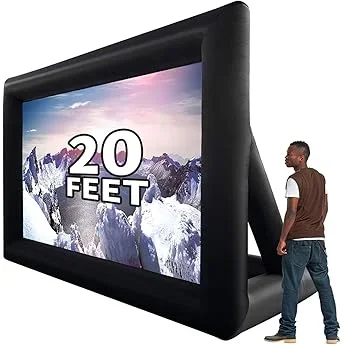
Outdoor TVs have evolved from a niche luxury item to a must-have centerpiece for modern family gatherings. Whether you’re hosting a summer barbecue, watching the big game under the stars, or enjoying a movie night in your backyard oasis, having a television built specifically for outdoor conditions can transform your outdoor living space into a true entertainment hub. Unlike standard indoor TVs that can struggle with glare, humidity, or temperature swings, outdoor TVs are engineered to withstand the elements while delivering crisp visuals and reliable performance—even in direct sunlight.
This comprehensive buying guide is designed to help you navigate the rapidly expanding world of outdoor televisions in 2026. With so many models, brands, and features flooding the market, it’s easy to feel overwhelmed. Our goal is to cut through the noise and give you the expert insights you need to make a confident, informed decision. You’ll learn how to evaluate key factors like brightness, weather resistance, smart functionality, and installation requirements. We’ll also compare different types of outdoor TVs, highlight common pitfalls to avoid, and offer real-world recommendations based on budget and use case. Whether you’re a first-time buyer or upgrading from an older model, this guide will equip you with everything you need to choose the perfect outdoor TV for your family’s lifestyle.
The outdoor TV market has matured significantly over the past few years. What once consisted of bulky, expensive specialty units now includes sleek, feature-rich options from major consumer electronics brands. Innovations in display technology—such as high-brightness LED panels, anti-glare coatings, and integrated weatherproofing—have made outdoor viewing more enjoyable and accessible than ever. At the same time, smart TV platforms, voice control, and seamless streaming integration mean you don’t have to sacrifice functionality just because you’re watching outside. As more families invest in outdoor living spaces—from patios and decks to poolside cabanas and rooftop terraces—the demand for durable, high-performance outdoor TVs continues to grow. This guide will help you find the right balance of performance, durability, and value for your unique setup.
What to Look for When Buying Buying Guide
1. Brightness & Display Performance
When it comes to outdoor TVs, brightness isn’t just a nice-to-have—it’s essential. Standard indoor TVs typically range from 300 to 500 nits (a measure of luminance), which is fine for dimly lit living rooms but falls flat in daylight. Outdoor environments, especially those with direct sun exposure, require significantly higher brightness levels to maintain visibility. Look for models that deliver at least 700 nits, with premium options pushing 1,500 to 2,000 nits or more. These ultra-bright displays use advanced LED backlighting and anti-reflective coatings to combat glare and ensure colors remain vibrant even at noon.
Beyond raw brightness, consider the display technology itself. Most outdoor TVs use either QLED or high-end LED panels, both of which offer excellent color accuracy and contrast. QLED screens, in particular, provide deeper blacks and richer colors thanks to quantum dot technology. However, not all bright TVs are created equal. Some manufacturers inflate brightness specs by using aggressive local dimming or boosting settings that wash out colors. Always check real-world reviews or look for certifications like HDR10+ or Dolby Vision, which indicate support for high dynamic range content and better overall picture quality.
Another critical factor is viewing angle. Outdoor seating often spans wide arcs—think lounge chairs, picnic tables, or a curved sectional sofa. A TV with poor off-axis performance will look washed out or dim when viewed from the side. IPS (In-Plane Switching) panels generally offer wider viewing angles than VA (Vertical Alignment) panels, though they may sacrifice some contrast. For family gatherings where people are spread out, prioritize a model with at least 178-degree horizontal and vertical viewing angles.
2. Weather Resistance & Durability
An outdoor TV isn’t just a regular TV shoved into a plastic box—it’s a purpose-built appliance designed to endure rain, snow, dust, extreme temperatures, and even UV exposure. The cornerstone of outdoor durability is the IP (Ingress Protection) rating, which indicates how well the unit resists water and solid particles. For outdoor use, you’ll want at least an IP55 rating (protected against low-pressure water jets and limited dust ingress), but IP65 or higher is ideal for full weatherproofing.
Beyond the IP rating, examine the materials used in construction. High-quality outdoor TVs feature powder-coated aluminum or stainless-steel chassis that resist rust and corrosion. Internal components are often sealed with conformal coatings to prevent moisture damage, and vents (if present) are fitted with hydrophobic filters to keep water out while allowing airflow for cooling. Some models even include built-in heaters or cooling fans to regulate internal temperature in extreme climates—essential if you live in areas with sub-freezing winters or scorching summers.
Don’t overlook the mounting system. A sturdy, corrosion-resistant wall mount or ceiling bracket is just as important as the TV itself. Many outdoor TVs come with compatible mounts designed specifically for their dimensions and weight distribution. Ensure the mount is rated for outdoor use and can handle wind loads if installed on a freestanding pole or pergola.
3. Smart Features & Connectivity
In 2026, no TV—indoor or outdoor—is complete without smart functionality. Most outdoor TVs now run on popular platforms like Google TV, webOS, or Roku OS, giving you access to Netflix, Disney+, YouTube, and thousands of other apps directly from your remote. This eliminates the need for external streaming devices and simplifies setup. Look for models with built-in Wi-Fi 6 or Wi-Fi 6E for faster, more reliable streaming, especially if multiple family members will be using the TV simultaneously.
Voice control is another valuable feature. Integration with Google Assistant or Amazon Alexa allows you to change channels, adjust volume, or search for content hands-free—perfect when you’re grilling or entertaining guests. Some high-end models even include far-field microphones so you can issue voice commands from across the patio.
Connectivity options matter too. Ensure the TV has enough HDMI ports (at least three, preferably HDMI 2.1 for 4K/120Hz gaming), USB inputs for media playback, and audio outputs for external speakers or soundbars. If you plan to connect a cable box, gaming console, or satellite receiver, verify compatibility with your existing equipment. Bluetooth support is also useful for pairing wireless headphones during late-night movie sessions without disturbing others.
4. Size & Viewing Distance
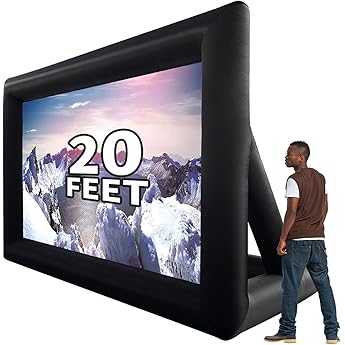
Choosing the right screen size depends on your outdoor layout and typical seating arrangement. A common mistake is underestimating how large a screen needs to be for comfortable outdoor viewing. Unlike indoor setups where viewers sit 6–8 feet away, outdoor spaces often require greater distances due to larger furniture arrangements or open layouts.
As a rule of thumb, multiply your viewing distance (in inches) by 0.84 to determine the ideal screen diagonal. For example, if your seating is 12 feet (144 inches) away, aim for a 120-inch screen (144 × 0.84 ≈ 121). However, most residential outdoor TVs max out at 75 inches due to practical installation constraints. In such cases, prioritize brightness and resolution over sheer size—a bright, sharp 65-inch TV will outperform a dim 75-inch one in daylight.
Consider the physical dimensions and weight of the TV as well. Larger screens require stronger mounts and more robust structural support. Measure your intended installation area carefully, including clearance for ventilation and cable routing. Also, think about portability: if you plan to move the TV between locations (e.g., from the patio to the garage for winter storage), opt for a lighter model or one with a dedicated carrying handle.
5. Audio Quality & Sound Solutions
While picture quality grabs most of the attention, audio is equally important for immersive family entertainment. Unfortunately, many outdoor TVs sacrifice speaker quality to maintain a slim profile and weatherproof design. Built-in speakers often lack bass and clarity, especially in open-air environments where sound dissipates quickly.
To compensate, look for models with enhanced audio features like Dolby Audio, DTS:X, or dedicated subwoofer outputs. Even better, plan to pair your outdoor TV with external weather-resistant speakers or a soundbar. Many manufacturers offer matching outdoor audio systems designed to sync seamlessly with their TVs. Wireless options like Bluetooth speakers or Wi-Fi-enabled soundbars (e.g., Sonos Move or Bose Portable Smart Speaker) provide flexibility and can be repositioned as needed.
If you’re installing a permanent setup, consider in-ground or wall-mounted speakers for a clean, integrated look. Just ensure all audio components are rated for outdoor use and protected from moisture.
6. Installation & Mounting Requirements
Proper installation is crucial for both performance and safety. Unlike indoor TVs that sit on stands or wall mounts in climate-controlled rooms, outdoor units must withstand wind, rain, and temperature fluctuations. Professional installation is highly recommended, especially for ceiling or pole mounts, but many models are designed for DIY setup with clear instructions and pre-drilled mounting holes.
Key considerations include:
– Structural integrity of the mounting surface (e.g., concrete wall, wooden beam, or metal pole)
– Cable management (use conduit or waterproof raceways to protect HDMI and power cables)
– Power source proximity (outdoor-rated GFCI outlets are a must)
– Ventilation (avoid enclosing the TV in a sealed cabinet unless it’s specifically designed for it)
Some outdoor TVs come with optional enclosures or cabinets that provide additional protection and aesthetic appeal. These can be useful in harsh climates but may reduce airflow and increase internal temperature—so choose wisely.
7. Brand Reputation & Ecosystem Compatibility
Not all outdoor TV brands are equal. Established names like Samsung, LG, Sony, and SunBrite (a leader in outdoor displays) have proven track records for reliability and customer support. Lesser-known brands may offer lower prices, but they often cut corners on build quality, software updates, or warranty coverage.
Consider ecosystem compatibility if you already own smart home devices. For instance, a Google TV-powered outdoor screen integrates smoothly with Nest cameras, Chromecast, and Android phones. Similarly, LG’s webOS works well with other LG appliances and smart home hubs. Choosing a brand that aligns with your existing tech stack can simplify control and automation.
8. Warranty & Support
Outdoor electronics face harsher conditions than their indoor counterparts, so robust warranty coverage is non-negotiable. Look for at least a 2-year manufacturer warranty, with some premium brands offering 3–5 years. Check what’s covered: does it include accidental damage, corrosion, or software issues? Is on-site service available, or do you need to ship the unit back?
Customer support responsiveness matters too. Read user reviews to see how quickly brands resolve issues like firmware bugs, connectivity problems, or hardware failures. A strong warranty and responsive support team can save you hundreds in repair costs and downtime.
Different Types of Buying Guide

Common Buying Mistakes to Avoid
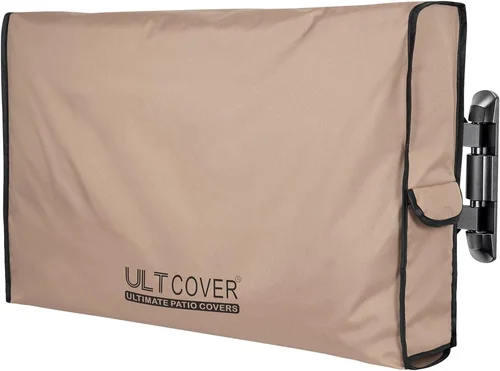
❌ Mistake: Buying a Standard Indoor TV for Outdoor Use
Why it’s bad: Indoor TVs lack weatherproofing, have insufficient brightness for daylight viewing, and aren’t designed to handle temperature extremes. Using one outdoors voids warranties and drastically shortens lifespan—often leading to failure within months.
What to do instead: Invest in a purpose-built outdoor TV or use a high-brightness indoor model only in fully covered, climate-controlled spaces with minimal sun exposure.
❌ Mistake: Ignoring Viewing Angles
Why it’s bad: Many buyers focus solely on center-screen brightness but forget that family gatherings involve people sitting at various angles. A TV with narrow viewing angles will look dim or discolored for side viewers, ruining the shared experience.
What to do instead: Choose a model with IPS panel technology or verified wide viewing angles (178°+). Test the TV from different positions before finalizing your purchase.
❌ Mistake: Overlooking Audio Needs
Why it’s bad: Relying on built-in speakers in an open outdoor space results in tinny, weak sound that fails to engage listeners—especially during noisy events like barbecues or pool parties.
What to do instead: Budget for weather-resistant external speakers or a soundbar from day one. Even a modest wireless speaker setup can dramatically improve audio quality.
❌ Mistake: Skimping on Mounting Hardware
Why it’s bad: Using indoor mounts or flimsy brackets outdoors risks collapse due to wind, rain, or corrosion. This can damage the TV, injure people, or destroy your outdoor furniture.
What to do instead: Purchase manufacturer-recommended outdoor mounts or consult a professional installer. Ensure all hardware is stainless steel or powder-coated for rust resistance.
❌ Mistake: Not Planning for Cable Management
Why it’s bad: Exposed cables are tripping hazards, attract pests, and degrade quickly when exposed to UV rays and moisture. They also detract from the clean look of your outdoor setup.
What to do instead: Use waterproof conduit, cable raceways, or in-wall wiring (if structurally feasible). Label cables for easy troubleshooting later.
❌ Mistake: Assuming All “Outdoor” TVs Are Equal
Why it’s bad: Some brands market TVs as “outdoor-ready” but only include basic weather resistance or require separate enclosures. This leads to confusion and unexpected costs.
What to do instead: Read specifications carefully. Look for IP ratings, sealed chassis designs, and integrated cooling/heating systems. Avoid models that require third-party cabinets unless you’re prepared for added expense and complexity.
❌ Mistake: Neglecting Future-Proofing
Why it’s bad: Buying a TV with outdated ports (e.g., only HDMI 1.4) or no smart platform limits compatibility with newer devices like 4K Blu-ray players, next-gen consoles, or streaming services.
What to do instead: Choose a model with HDMI 2.1, Wi-Fi 6, and a modern smart OS. This ensures your investment remains relevant for 5–7 years.
Budget Guidelines: How Much Should You Spend?
Entry-Level ($800–$1,500): These are typically partial-shade or convertible models suitable for covered patios with minimal sun exposure. Expect brightness around 700–900 nits, basic smart features, and limited weather resistance (IP54). Ideal for casual evening use or small family gatherings. Brands like TCL and Hisense offer surprisingly capable options in this range.
Mid-Range ($1,500–$3,500): This is the sweet spot for most families. You’ll find all-weather TVs with 1,000+ nits brightness, robust IP65 ratings, full smart platforms, and better audio. Models from SunBrite, Samsung (The Terrace), and LG (OLED Flex for outdoor use) dominate this tier. Perfect for uncovered decks, pool areas, or three-season rooms.
Premium ($3,500–$6,000): Designed for enthusiasts and those in extreme climates. These TVs feature 1,500–2,000+ nits, advanced thermal management, premium materials, and extended warranties. Often include professional installation services and ecosystem integration (e.g., control via smart home hubs). Great for year-round use in snowy or desert regions.
Luxury ($6,000+): Top-tier commercial-grade displays or custom installations. These units support 24/7 operation, offer modular designs, and may include features like touch capability, integrated cameras, or multi-zone audio. Reserved for large estates, luxury resorts, or tech-savvy homeowners who want the absolute best.
Expert Tips for Getting the Best Deal
– Buy during off-seasons: Prices drop significantly in late fall and winter (October–February) when demand for outdoor electronics declines. Retailers often clear inventory before spring launches.
– Check manufacturer refurbished programs: Brands like Samsung and LG sell certified refurbished outdoor TVs at 20–30% off with full warranties. These are rigorously tested and nearly indistinguishable from new units.
– Bundle with installation: Many retailers offer discounted or free professional installation when you purchase the TV and mount together. This saves time and ensures safety.
– Negotiate extended warranties: Outdoor TVs are expensive to repair. Ask if the retailer will throw in an extra year of coverage at no cost—especially during holiday sales.
– Compare total cost of ownership: Factor in mount, cables, speakers, and potential enclosure costs. A cheaper TV may end up costing more once accessories are added.
– Read real-user reviews: Professional reviews are helpful, but owner feedback on forums like AVS Forum or Reddit reveals long-term reliability issues not apparent in lab tests.
– Test in person if possible: Visit a specialty outdoor living store to see brightness and color accuracy under simulated daylight conditions. Online photos can’t replicate real-world glare.

Frequently Asked Questions
Q: Can I use a regular TV outdoors if it’s under a roof?
A: Only if the space is fully enclosed, climate-controlled, and protected from direct sunlight and moisture. Even then, indoor TVs aren’t built for temperature swings and may overheat or fail prematurely. For true outdoor use—even under cover—an outdoor-rated model is strongly recommended.
Q: Do outdoor TVs consume more power?
A: Yes, due to higher brightness and internal cooling/heating systems. Expect 20–40% higher energy use than comparable indoor models. Look for ENERGY STAR-certified outdoor TVs to minimize impact.
Q: How do I clean an outdoor TV?
A: Use a microfiber cloth and mild soap solution. Never spray liquid directly on the screen. Avoid abrasive cleaners or ammonia-based products, which can damage anti-glare coatings.
Q: Can I leave my outdoor TV on during rain?
A: Yes—if it’s rated IP65 or higher. These models are designed to operate safely in wet conditions. However, avoid touching the screen or controls with wet hands.
Q: Will an outdoor TV work in freezing temperatures?
A: Most all-weather models include internal heaters that activate below 32°F (0°C). Check the operating temperature range in the specs—typically -22°F to 122°F (-30°C to 50°C) for premium units.
Q: Do I need a special antenna for outdoor TV?
A: Not necessarily. If you’re using streaming services, no antenna is needed. For over-the-air broadcasts, a standard outdoor antenna works fine, but ensure it’s compatible with your TV’s tuner.
Q: Can I mount an outdoor TV on a swing arm?
A: Yes, but only if the arm is specifically rated for outdoor use and the TV’s weight. Most manufacturers offer compatible articulating mounts for flexible viewing angles.
Q: Are outdoor TVs compatible with solar power?
A: Technically yes, but you’ll need a robust inverter and battery system to handle the TV’s peak power draw. Consult an electrician to size your solar setup correctly.
Q: What’s the average lifespan of an outdoor TV?
A: With proper care, 7–10 years is typical. Premium models with commercial-grade components can last even longer. Regular maintenance (cleaning, checking seals) extends longevity.
Q: Can I use voice assistants outdoors?
A: Yes, but background noise (wind, traffic, chatter) can interfere. Far-field microphones on high-end models help, but for best results, pair with a dedicated outdoor smart speaker placed closer to seating areas.
Our Final Recommendations
Best for Budget-Conscious Buyers: SunBrite Veranda Series (55″) – At around $1,800, this partial-shade model delivers 1,000 nits brightness, IP55 rating, and Google TV for a fraction of the cost of full all-weather units. Perfect for covered patios.
Best Overall Value: Samsung The Terrace (65″) – Priced near $3,200, it combines QLED clarity, 1,500 nits brightness, IP55 weatherproofing, and seamless SmartThings integration. Ideal for most family backyards.
Best Premium Option: SunBrite Pro 2 Series (75″) – At $5,500, this all-weather beast offers 2,000 nits, military-grade durability, and 24/7 operation capability. Built for harsh climates and serious entertainers.
Best for Beginners: LG OLED Flex (outdoor mode, 65″) – While primarily an indoor TV, its outdoor mode boosts brightness to 1,200 nits and includes basic weather resistance. Great for those testing the waters before committing to a full outdoor setup.
Best for Advanced Users: Peerless-AV Xtreme Outdoor Display (custom sizes) – A commercial-grade solution with modular design, 3,000+ nits, and full customization. Best for tech integrators or luxury home builders.
Conclusion: Making the Right Choice
Choosing the right outdoor TV for family gatherings isn’t just about picking the shiniest screen—it’s about matching technology to your lifestyle, environment, and long-term goals. From brightness and weather resistance to smart features and audio quality, every decision shapes how your family experiences outdoor entertainment. By prioritizing durability, visibility, and ease of use, you’ll create a space where memories are made under the open sky.
Remember: the cheapest option isn’t always the most cost-effective, and the biggest screen isn’t always the best fit. Take time to assess your space, consider your typical usage patterns, and invest in quality where it matters most. With the insights from this guide, you’re now equipped to navigate the 2026 outdoor TV market with confidence. Whether you’re watching fireworks on the Fourth of July, cheering on your favorite team, or enjoying a quiet movie night with loved ones, the right outdoor TV will elevate every moment. So go ahead—bring the living room outside, and make your backyard the heart of your home.

