
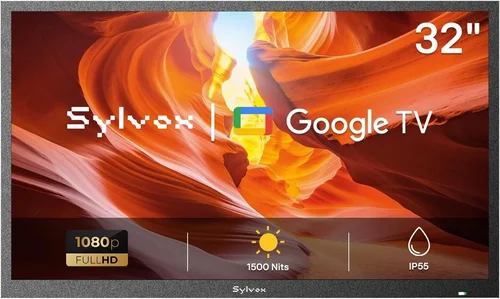
Outdoor living spaces have evolved dramatically over the past decade. What was once just a place for grilling and lounging has transformed into fully functional entertainment zones—complete with outdoor kitchens, fire pits, sound systems, and yes, outdoor TVs. Whether you’re hosting a backyard movie night, watching the big game with friends, or simply enjoying your favorite show while soaking up the sun, an outdoor TV can elevate your deck experience to a whole new level. But unlike indoor TVs, outdoor models face unique challenges: direct sunlight, humidity, temperature swings, dust, and even wildlife. That’s why choosing the right one isn’t just about screen size or resolution—it’s about durability, visibility, and performance in real-world outdoor conditions.
This comprehensive buying guide is designed to help you navigate the often-confusing world of outdoor televisions. We’ll break down everything you need to know—from key technical specs and build quality to budget considerations and common pitfalls. Whether you’re a first-time buyer or upgrading from an older model, this guide will equip you with expert-level insights so you can make a confident, informed decision. By the end, you’ll understand not only what to look for but also how to maximize value, longevity, and enjoyment from your investment.
The outdoor TV market has grown significantly in recent years, driven by increased demand for outdoor entertainment and advancements in display technology. Major brands like Samsung, LG, Sony, and specialized companies such as SunBriteTV and Seura now offer purpose-built outdoor models that are engineered to withstand the elements. At the same time, more consumers are considering weather-resistant indoor TVs paired with outdoor enclosures as a cost-effective alternative. With so many options available—ranging from under $1,000 to well over $5,000—it’s easy to feel overwhelmed. This guide cuts through the noise, offering clear, actionable advice tailored to real-life use cases on decks, patios, and other open-air spaces.

What to Look for When Buying Buying Guide
1. Weather Resistance & IP Rating
One of the most critical factors when choosing an outdoor TV is its ability to withstand environmental conditions. Unlike indoor TVs, outdoor models must resist moisture, dust, extreme temperatures, and UV exposure. The best way to evaluate this is by checking the TV’s Ingress Protection (IP) rating. This two-digit code indicates how well the device is protected against solids (first digit) and liquids (second digit). For outdoor use, look for a minimum IP55 rating—this means the TV is protected against dust ingress and low-pressure water jets from any direction. Higher-end models often feature IP65 or IP66 ratings, offering even greater protection against heavy rain and dust storms.
Beyond the IP rating, consider the TV’s operating temperature range. Most quality outdoor TVs can function reliably between -22°F and 122°F (-30°C to 50°C), which covers nearly all climate zones in the U.S. and beyond. Cheaper alternatives or indoor TVs in enclosures may not handle rapid temperature changes well, leading to condensation inside the screen or premature component failure. Always verify that the manufacturer explicitly states the TV is designed for outdoor use—not just “weather-resistant” or “suitable for covered patios.” True outdoor TVs are built with sealed components, corrosion-resistant materials, and internal heating/cooling systems to maintain optimal performance.
2. Brightness & Anti-Glare Display
Sunlight is the enemy of screen visibility outdoors. Even on a cloudy day, ambient light can wash out an indoor TV’s image, making it nearly impossible to see details. That’s why brightness—measured in nits—is arguably the most important spec for outdoor viewing. While indoor TVs typically range from 300 to 600 nits, outdoor models start at around 700 nits and can go as high as 2,500 nits or more. For decks with partial shade or morning/evening use, 700–1,000 nits may suffice. But if your deck gets direct sunlight for several hours a day, aim for at least 1,500 nits.
Equally important is the display’s anti-reflective coating. High-brightness alone won’t help if glare from the sun washes out the screen. Look for TVs with optically bonded glass and anti-glare treatments that diffuse reflections without sacrificing color accuracy or contrast. Some premium models also feature adaptive brightness sensors that automatically adjust screen luminance based on ambient light conditions. This ensures optimal visibility whether you’re watching at noon or under string lights at night. Avoid matte finishes that can reduce sharpness—instead, opt for glossy screens with advanced anti-reflective layers.
3. Build Quality & Durability
An outdoor TV isn’t just exposed to weather—it’s also subject to physical stress from wind, accidental bumps, and even curious pets or children. That’s why build quality matters immensely. Start by examining the materials used in the chassis and bezel. High-quality outdoor TVs use powder-coated aluminum or stainless steel, which resist rust and corrosion far better than plastic or standard metal finishes. The mounting hardware should also be marine-grade or stainless steel to prevent degradation over time.
Internal components are equally important. Look for TVs with sealed circuit boards, conformal coatings on electronics, and robust ventilation systems that prevent overheating without allowing moisture ingress. Some manufacturers include internal heaters to prevent condensation during cold starts, while others use passive cooling designs to avoid fan noise. Pay attention to hinge mechanisms if you’re considering a swivel mount—these should be sturdy enough to hold the TV securely in windy conditions. Finally, check for certifications like UL Listed for outdoor use or compliance with international standards such as IEC 60529 for environmental protection.
4. Size & Viewing Distance
Choosing the right screen size isn’t just about aesthetics—it directly impacts your viewing experience. A TV that’s too small will be hard to see from a distance, while one that’s too large can overwhelm your space and create uncomfortable viewing angles. As a general rule, multiply your optimal viewing distance (in inches) by 0.84 to determine the ideal screen diagonal. For example, if you’ll be sitting 10 feet (120 inches) away, a 100-inch screen (120 × 0.84 ≈ 101) would be ideal. However, outdoor settings often involve larger seating areas, so many homeowners opt for 65-inch to 85-inch models even at shorter distances.
Consider your deck’s layout and mounting options. Will the TV be wall-mounted, ceiling-mounted, or placed on a stand? Ensure there’s enough clearance for ventilation and that the viewing angle accommodates all seating positions. Ultra-wide viewing angles (178° horizontal/vertical) are essential for group viewing, especially if people will be seated off-center. Also, think about future-proofing: if you plan to expand your outdoor setup with additional seating or a pergola, choose a size that will still work well in the long term.
5. Smart Features & Connectivity
Modern outdoor TVs come packed with smart features, but not all are created equal. Most support popular streaming platforms like Netflix, YouTube, and Disney+, but app availability and interface responsiveness can vary. Look for models running established operating systems such as Android TV, webOS (LG), or Tizen (Samsung), which offer regular updates, voice control, and seamless integration with smart home devices. Avoid proprietary systems that may become obsolete quickly.
Connectivity is another key consideration. Ensure the TV has enough HDMI ports (at least three, preferably HDMI 2.1 for 4K/120Hz content), USB inputs, and audio outputs for external speakers or soundbars. Wi-Fi 6 support ensures stable streaming even in areas with network congestion. Some high-end models include built-in Bluetooth for wireless audio or compatibility with outdoor sound systems. If you plan to connect gaming consoles, cable boxes, or media players, verify that the TV supports the necessary resolutions and refresh rates. Lastly, consider ease of setup—some outdoor TVs require professional installation due to their weight or mounting complexity.
6. Audio Performance
While many outdoor TVs include built-in speakers, they’re often underpowered for open-air environments where sound dissipates quickly. Most outdoor models deliver between 10W and 20W of audio output, which may be sufficient for casual listening but falls short for parties or immersive movie nights. If audio quality is a priority, plan to pair your TV with external outdoor speakers or a weather-resistant soundbar. Look for TVs with optical audio out, HDMI ARC, or Bluetooth connectivity to simplify integration.
That said, some premium outdoor TVs now feature enhanced audio systems with dedicated woofers, Dolby Atmos support, or even upward-firing speakers for spatial sound. These can provide a surprisingly rich listening experience without additional gear—ideal for smaller decks or minimalist setups. Always test audio performance in person if possible, or read detailed reviews that cover sound quality in outdoor conditions. Remember: wind, ambient noise, and distance all affect perceived volume, so err on the side of louder, clearer audio.
7. Brand Reputation & Ecosystem Compatibility
Not all TV brands are equally committed to the outdoor market. While mainstream manufacturers like Samsung and LG offer outdoor-compatible models, they often lack the specialized engineering found in brands dedicated exclusively to outdoor displays. Companies like SunBriteTV, Seura, and Avid Power have spent years refining their designs for real-world outdoor use, resulting in superior durability and performance. Research brand history, customer support responsiveness, and community feedback before making a decision.
Also consider ecosystem compatibility. If you already own smart home devices from a particular brand (e.g., Google Nest, Amazon Echo, or Apple HomeKit), choose a TV that integrates smoothly with your existing setup. Voice control, remote app functionality, and multi-room audio synchronization can significantly enhance convenience. Some outdoor TVs even support geofencing, automatically turning on when you approach your deck. Avoid niche brands with limited software updates or sparse service networks—you don’t want to be stuck with a broken TV and no repair options.
8. Warranty & Support
Outdoor electronics are inherently more prone to failure than indoor counterparts, so a strong warranty is non-negotiable. Look for at least a 2-year comprehensive warranty that covers both parts and labor, including damage from environmental factors. Premium brands often offer 3- to 5-year warranties, sometimes with on-site service or expedited replacement programs. Read the fine print: some warranties exclude “acts of nature” or require professional installation to remain valid.
Customer support quality varies widely. Check if the manufacturer provides phone, email, and live chat support, and whether technicians are trained specifically for outdoor units. User forums and third-party review sites can reveal patterns of poor service or frequent defects. A good warranty isn’t just about coverage—it’s a reflection of the company’s confidence in its product. Don’t hesitate to contact support before purchasing to gauge response time and helpfulness.
Different Types of Buying Guide

Common Buying Mistakes to Avoid
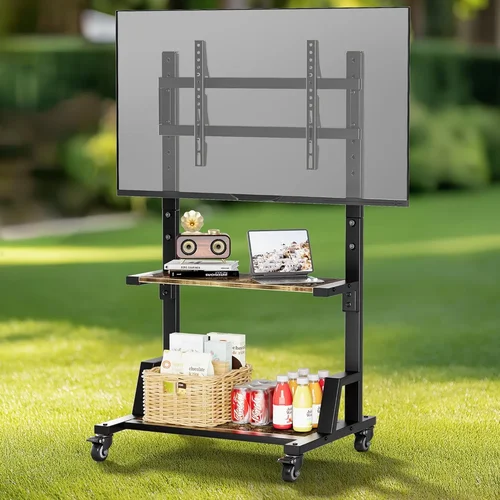
❌ Mistake: Buying an Indoor TV for Outdoor Use
Why it’s bad: Indoor TVs aren’t designed to handle moisture, temperature extremes, or UV exposure. Even under a covered patio, condensation can form inside the screen during humid nights, leading to permanent damage. Additionally, indoor TVs lack the brightness needed for daylight viewing, resulting in a washed-out image.
What to do instead: Either invest in a true outdoor TV or use a high-quality outdoor enclosure specifically rated for your climate. Never assume “it’s just under the roof” means it’s safe—many indoor TVs fail within months when used outdoors.
❌ Mistake: Ignoring Brightness Specs
Why it’s bad: A TV with only 500 nits will be virtually unwatchable in direct sunlight, no matter how good its resolution or color accuracy. You’ll end up squinting or only using it at night, defeating the purpose of outdoor entertainment.
What to do instead: Prioritize brightness (aim for ≥1,000 nits for sunny decks) and look for anti-glare coatings. Test the TV in similar lighting conditions if possible, or rely on verified reviews that include outdoor visibility assessments.
❌ Mistake: Overlooking Mounting Requirements
Why it’s bad: Outdoor TVs are heavier and require specialized mounts that can withstand wind loads and corrosion. Using standard indoor mounts can lead to instability, sagging, or even collapse—posing safety risks.
What to do instead: Purchase a mount explicitly rated for outdoor use and your TV’s weight/size. Consider professional installation, especially for ceiling or cantilever mounts. Ensure the mounting surface (wall, beam, or post) is structurally sound.
❌ Mistake: Skipping the Warranty Check
Why it’s bad: Outdoor TVs are expensive, and repairs can be costly. A weak or voided warranty leaves you vulnerable to unexpected expenses if the TV fails due to weather or manufacturing defects.
What to do instead: Always verify warranty terms before buying. Choose brands with strong outdoor-specific coverage and responsive customer service. Keep installation receipts—many warranties require proof of professional setup.
❌ Mistake: Neglecting Audio Planning
Why it’s bad: Built-in speakers on outdoor TVs are often too quiet for open spaces. Relying solely on them results in poor dialogue clarity and lackluster sound during gatherings.
What to do instead: Budget for outdoor speakers or a weather-resistant soundbar from day one. Look for TVs with audio output options and plan speaker placement during the initial setup.
❌ Mistake: Choosing Based on Price Alone
Why it’s bad: The cheapest option often sacrifices critical features like brightness, durability, or smart functionality. You may end up replacing it sooner than expected, costing more in the long run.
What to do instead: Focus on total value—not just upfront cost. Consider lifespan, performance, and included features. A mid-range outdoor TV often delivers better long-term satisfaction than a bargain model.
❌ Mistake: Forgetting About Future Upgrades
Why it’s bad: Technology evolves quickly. A TV without modern connectivity (HDMI 2.1, Wi-Fi 6, etc.) may become incompatible with new devices or streaming standards within a few years.
What to do instead: Choose a model with forward-compatible ports and software update support. Avoid overly proprietary systems that limit flexibility.
Budget Guidelines: How Much Should You Spend?
Entry-Level ($800–$1,500): This tier typically includes indoor TVs in basic outdoor enclosures or lower-brightness covered patio models. Expect 55–65 inch screens, 700–1,000 nits brightness, and limited smart features. Best for shaded decks with minimal sun exposure and occasional use. Brands like Vizio or TCL in enclosures fall here.
Mid-Range ($1,500–$3,500): The sweet spot for most homeowners. These are purpose-built outdoor TVs with 1,000–1,500 nits brightness, IP55+ ratings, robust build quality, and full smart functionality. Ideal for decks with partial sun and regular entertainment use. Models from SunBriteTV’s Veranda series or Samsung’s The Terrace fit here.
Premium ($3,500–$6,000): For enthusiasts and those with full-sun decks. These TVs offer 1,500–2,500+ nits brightness, IP66 ratings, advanced anti-glare tech, superior audio, and premium materials. Often include extended warranties and professional installation support. Seura’s Shadowbox or LG’s outdoor OLED models are examples.
Luxury ($6,000+): Top-tier all-weather or commercial-grade displays with 24/7 operation capability, ultra-high brightness, custom finishes, and integrated smart home ecosystems. Designed for luxury homes, resorts, or permanent outdoor theaters. Expect bespoke options and white-glove service.
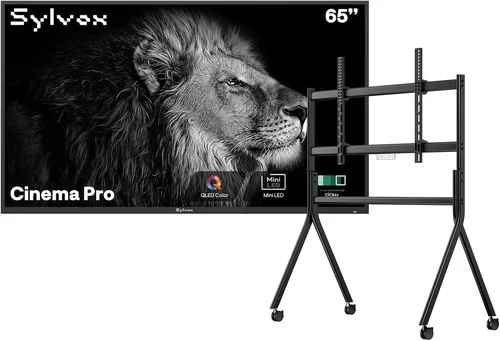
Expert Tips for Getting the Best Deal
- Shop during off-seasons: Outdoor TVs see peak demand in spring and summer. Look for discounts in late fall or winter—many retailers clear inventory before new models arrive.
- Compare bundled packages: Some dealers offer TV + mount + installation deals that save 15–20% versus buying separately. Always ask about promotions.
- Check manufacturer refurbished programs: Brands like SunBriteTV sell certified refurbished units with full warranties at 20–30% off retail. These are often as good as new.
- Read professional reviews, not just specs: Websites like RTINGS.com, CNET, and Outdoor Electronics Review test real-world performance—including glare handling and durability—which specs alone can’t reveal.
- Negotiate installation: If buying from a local AV integrator, ask if they’ll waive or reduce installation fees with a TV purchase. Many will to secure the sale.
- Verify return policies: Ensure you can return the TV if it doesn’t perform as expected in your specific environment. Some outdoor conditions (e.g., intense afternoon sun) are hard to replicate in stores.
- Consider energy efficiency: Higher brightness means higher power consumption. Look for ENERGY STAR-rated models to keep electricity costs manageable, especially for all-day use.
- Join owner forums: Communities like AVS Forum or Reddit’s r/outdoortv share deals, troubleshooting tips, and real-user experiences that aren’t available elsewhere.

Frequently Asked Questions
Q: Can I use a regular TV outside if it’s under a covered patio?
A: Technically yes, but it’s not recommended for long-term use. Even covered areas experience humidity, temperature swings, and indirect UV exposure, which can degrade indoor TVs over time. For occasional use in fully shaded, dry spaces, it might work—but for reliable performance, invest in a proper outdoor TV or enclosure.
Q: Do outdoor TVs need special power outlets?
A: Not necessarily, but they should be connected via a GFCI (Ground Fault Circuit Interrupter) outlet for safety, especially in damp locations. Also, use a high-quality outdoor-rated surge protector to guard against lightning or power surges.
Q: How do I clean my outdoor TV screen?
A: Use a microfiber cloth and distilled water only. Avoid ammonia-based cleaners, paper towels, or abrasive materials, which can damage anti-glare coatings. Clean gently when the TV is off and cool to prevent streaking.
Q: Will an outdoor TV work in winter?
A: Yes, if it’s rated for cold climates (most are down to -22°F). Some models include internal heaters to prevent condensation during startup. Avoid turning on the TV immediately after bringing it in from extreme cold—let it acclimate first.
Q: Can I mount an outdoor TV on a wooden deck post?
A: Only if the post is structurally reinforced and anchored securely into the ground. Wood can warp or rot over time, compromising stability. Consult a contractor or use a dedicated metal pole mount for safety.
Q: Do outdoor TVs support 4K and HDR?
A: Absolutely. Most modern outdoor TVs offer 4K resolution with HDR10, Dolby Vision, or HLG support. Ensure your source devices (streaming box, game console) also support these formats for the best experience.
Q: How long do outdoor TVs last?
A: With proper care, a quality outdoor TV can last 7–10 years or more. Indoor TVs in enclosures typically last 3–5 years outdoors due to component stress. Regular maintenance (cleaning, checking seals) extends lifespan.
Q: Are outdoor TVs worth the extra cost?
A: If you use your deck frequently for entertainment, yes. The durability, visibility, and peace of mind outweigh the upfront cost. For occasional use in mild climates, an enclosure setup may suffice—but don’t expect the same longevity.
Q: Can I control my outdoor TV with my phone?
A: Most smart outdoor TVs support companion apps for iOS and Android, allowing remote control, casting, and voice commands via Google Assistant or Alexa. Check compatibility before buying.
Q: What happens if my outdoor TV gets rained on?
A: A properly rated outdoor TV (IP55 or higher) is designed to handle rain without damage. However, avoid spraying water directly into vents or ports. If flooding occurs, power off the TV and let it dry completely before reuse.
Our Final Recommendations
Best for Budget-Conscious Buyers: SunBriteTV Veranda Series (55″–75″) – Offers excellent value with 1,000+ nits brightness, IP55 rating, and reliable smart features starting around $1,800. Perfect for covered decks and mild climates.
Best Overall Value: Samsung The Terrace (65″–75″) – Combines QLED color, 2,000 nits brightness, IP55 protection, and seamless SmartThings integration. Priced around $3,500, it’s a versatile choice for most outdoor setups.
Best Premium Option: Seura Shadowbox (65″–86″) – Ultra-bright (2,500 nits), sleek design, and whisper-quiet operation. With IP66 rating and custom finishes, it’s ideal for luxury decks and full-sun environments (~$5,500).
Best for Beginners: LG 65″ Outdoor OLED (Model 65G3OUT) – Easy setup, stunning picture quality, and strong warranty. Great for those new to outdoor AV who want plug-and-play simplicity (~$4,200).
Best for Advanced Users: Avid Power ProLine Commercial Display (75″–98″) – Built for 24/7 operation, extreme brightness (3,000 nits), and network management tools. Ideal for tech-savvy homeowners or small commercial venues (~$8,000+).
Conclusion: Making the Right Choice
Choosing the right outdoor TV for your deck is about balancing performance, durability, and budget—all while matching your specific environment and usage habits. Remember: this isn’t just another TV purchase. It’s an investment in your outdoor lifestyle, designed to withstand the elements while delivering crystal-clear entertainment year-round. Prioritize brightness and weather resistance above all else, and don’t skimp on mounting or audio planning.
Take the time to assess your deck’s sun exposure, seating layout, and connectivity needs. Read real-user reviews, compare warranties, and consider future-proofing with modern ports and smart features. Whether you’re watching a sunset movie or hosting a game-day party, the right outdoor TV will transform your deck into a true extension of your home.
Ultimately, the best TV is the one that fits your space, your style, and your expectations. Use this guide as your roadmap, and you’ll enjoy countless hours of outdoor entertainment with confidence—rain or shine. Ready to upgrade your deck? Start by defining your must-have features, set a realistic budget, and explore the top-rated models that align with your vision. Your perfect outdoor viewing experience is just a purchase away.

