
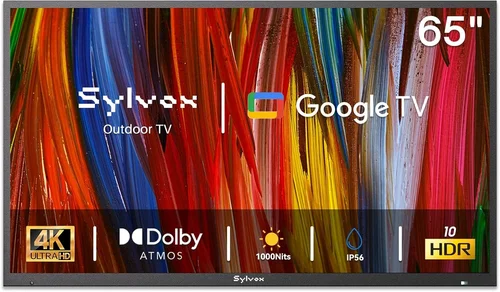
Outdoor living spaces have evolved dramatically over the past decade. What was once a simple backyard with a grill and a few lounge chairs has transformed into fully equipped entertainment zones—complete with outdoor kitchens, fire pits, sound systems, and yes, even televisions. Among these upgrades, the outdoor TV has emerged as a centerpiece for poolside relaxation, backyard movie nights, and alfresco sports viewing. Whether you’re hosting a summer party or unwinding after a long day, having a television that can withstand the elements while delivering crisp, vibrant visuals makes all the difference.
But not all TVs are created equal—especially when it comes to outdoor use. Standard indoor televisions simply aren’t built to handle direct sunlight, humidity, rain, or temperature swings. That’s why investing in a purpose-built outdoor television is essential if you want a reliable, long-lasting entertainment experience by the pool. With so many options on the market in 2026—from fully weatherproof models to partial-sun solutions—it’s easy to feel overwhelmed. This guide cuts through the noise to help you make an informed decision based on your specific needs, budget, and environment.
In this comprehensive buying guide, you’ll learn everything you need to know about choosing the best outdoor television for your pool area. We’ll break down the critical factors to consider—from display technology and brightness to durability and smart features—and compare different types of outdoor TVs so you can understand which category fits your setup. You’ll also discover common pitfalls to avoid, realistic budget expectations, expert tips for scoring the best deal, and answers to frequently asked questions. By the end, you’ll be equipped with the knowledge to confidently select a TV that enhances your outdoor lifestyle without compromising on performance or longevity.

What to Look for When Buying Buying Guide
1. Weather Resistance & IP Rating
When it comes to outdoor electronics, weather resistance isn’t optional—it’s mandatory. Unlike indoor TVs, outdoor models must endure rain, snow, dust, humidity, and extreme temperatures without failing. The first thing to check is the TV’s Ingress Protection (IP) rating, which indicates how well the device resists solid particles (like dust) and liquids (like water). For pool areas, look for a minimum IP55 rating, but ideally aim for IP65 or higher. An IP65-rated TV is dust-tight and protected against low-pressure water jets from any direction—perfect for splashes, light rain, or mist from a nearby fountain.
Beyond the IP rating, consider the TV’s internal sealing. High-quality outdoor TVs use gaskets, sealed ports, and corrosion-resistant materials to prevent moisture from seeping into sensitive components. Some premium models even feature heated screens or internal climate control systems to prevent condensation in humid or cold environments. If your pool area is exposed to direct rainfall or frequent splashing, don’t compromise on weatherproofing—your TV’s lifespan depends on it.
2. Brightness & Sunlight Readability
One of the biggest challenges with outdoor viewing is glare and washed-out images caused by direct sunlight. Indoor TVs typically operate at around 300–500 nits of brightness, which is fine for dimly lit rooms but completely inadequate outdoors. For poolside use—especially in full sun—you need a TV with at least 700 nits, but ideally 1,000 nits or more. Many top-tier outdoor TVs now boast brightness levels exceeding 2,000 nits, ensuring vivid colors and sharp details even at midday.
In addition to raw brightness, look for anti-reflective coatings and optically bonded screens. These technologies reduce glare by minimizing light reflection off the glass surface, making it easier to see the picture without squinting or adjusting your seating angle. Some manufacturers also incorporate high-dynamic-range (HDR) support specifically optimized for bright environments, enhancing contrast and color accuracy under harsh lighting conditions. If your pool area gets significant sun exposure, prioritize brightness and anti-glare features above all else.
3. Display Technology: LED vs. OLED vs. QLED
The type of display panel used in your outdoor TV significantly impacts image quality, energy efficiency, and durability. Most outdoor TVs use LED-backlit LCD panels due to their brightness capabilities and cost-effectiveness. However, newer models are incorporating advanced variants like QLED (Quantum Dot LED), which offer richer colors, better color volume, and improved energy efficiency compared to standard LEDs.
OLED TVs, while stunning indoors with perfect blacks and infinite contrast, are generally not recommended for outdoor use. Their organic compounds degrade faster under UV exposure and high heat, and they struggle with brightness levels needed for daylight viewing. That said, some manufacturers are experimenting with “outdoor-ready” OLEDs with enhanced cooling and protective layers—but these remain niche and expensive. For most pool area applications, a high-brightness QLED or premium LED panel strikes the best balance between performance, longevity, and value.
4. Build Quality & Durational Design
An outdoor TV isn’t just about surviving the weather—it’s about thriving in it for years. Look for rugged, powder-coated aluminum or stainless-steel enclosures that resist rust, fading, and warping. Avoid plastic housings, which can become brittle under UV exposure and may crack in freezing temperatures. The mounting hardware should also be marine-grade stainless steel to prevent corrosion from salt air (especially important if you live near the coast).
Internally, high-end outdoor TVs often include reinforced circuit boards, surge protection, and thermal management systems. These features help maintain stable performance during temperature fluctuations and protect against power surges caused by lightning or electrical storms. Additionally, consider the TV’s operating temperature range—most quality models function reliably between -30°F and 120°F (-34°C to 49°C), making them suitable for nearly any climate. Investing in a well-built TV upfront saves you from costly replacements and service calls down the line.
5. Smart Features & Connectivity
Just because your TV is outdoors doesn’t mean it should lack modern conveniences. Most premium outdoor TVs now come with built-in smart platforms like Android TV, webOS, or Roku, giving you access to streaming services such as Netflix, YouTube, Disney+, and more—all without needing an external streaming box. Voice control via Google Assistant or Alexa is also common, allowing you to change channels or adjust volume hands-free while lounging by the pool.
Connectivity is equally important. Ensure the TV has multiple HDMI ports (preferably HDMI 2.1 for future-proofing), USB inputs, Wi-Fi 6 or Ethernet for stable internet, and Bluetooth for wireless audio. Some models even include weatherproof external speaker outputs or support for multi-room audio systems. If you plan to connect gaming consoles, soundbars, or cable boxes, verify that the ports are easily accessible and protected from the elements. A truly smart outdoor TV integrates seamlessly into your home ecosystem while standing up to the rigors of outdoor life.
6. Size & Viewing Distance
Choosing the right screen size isn’t just about aesthetics—it’s about optimal viewing comfort. For pool areas, consider how far your seating or lounging zones are from the TV. As a general rule, multiply your viewing distance (in inches) by 0.84 to get the ideal screen diagonal in inches. For example, if your closest seat is 10 feet (120 inches) away, a 100-inch screen would be ideal. However, don’t go too large; oversized screens can cause eye strain and look disproportionate in smaller spaces.
Also factor in ambient light and seating angles. A larger screen may require higher brightness to maintain clarity across its surface, especially in bright conditions. Many homeowners opt for 65-inch to 75-inch models for medium-sized patios, while larger decks or resort-style pools might accommodate 85-inch or even 98-inch displays. Remember: it’s better to slightly undersize than oversize—you can always add a secondary screen later if needed.
7. Installation & Mounting Options
Proper installation is crucial for both safety and performance. Outdoor TVs should never be mounted on flimsy brackets or temporary structures. Instead, use heavy-duty, tiltable wall mounts or ceiling brackets designed specifically for outdoor use. Look for mounts with integrated cable management to keep wires hidden and protected from the elements.
Consider your pool area’s layout: Will the TV be wall-mounted under a covered patio, or will it be exposed on a freestanding pole? Some manufacturers offer all-in-one solutions with built-in stands or weatherproof enclosures that include mounting hardware. If you’re installing near water, ensure the mount is positioned high enough to avoid splash damage and complies with local electrical codes (especially regarding GFCI outlets). Professional installation is highly recommended—not only does it ensure stability, but it also preserves your warranty in many cases.
8. Warranty & Customer Support
Outdoor TVs represent a significant investment, so robust warranty coverage is non-negotiable. Most reputable brands offer 2–3 years of comprehensive warranty that covers both parts and labor, including damage from environmental factors. Avoid companies that only provide limited warranties or exclude weather-related issues—this is a red flag.
Equally important is customer support accessibility. Can you reach a real person quickly if something goes wrong? Do they offer on-site service or remote diagnostics? Brands like SunBrite, Seura, and Samsung (with their Terrace line) are known for excellent post-purchase support, including detailed installation guides, video tutorials, and responsive technical teams. Before buying, read recent customer reviews focusing on after-sales service—not just product performance. A strong warranty and reliable support network can turn a frustrating experience into a smooth one.
Different Types of Buying Guide

Common Buying Mistakes to Avoid
❌ Mistake: Using an Indoor TV Outdoors
Why it’s bad: Indoor TVs lack weatherproofing, have insufficient brightness for daylight viewing, and can short-circuit or overheat when exposed to moisture or temperature swings. Many homeowners try to “protect” indoor TVs with DIY covers or enclosures, but this often traps heat and humidity, accelerating component failure.
What to do instead: Always choose a certified outdoor TV designed for your specific environment. If budget is tight, consider a partial-sun model for covered areas rather than risking an indoor unit.
❌ Mistake: Ignoring Viewing Angles and Glare
Why it’s bad: Even the brightest TV will look washed out if placed where sunlight directly hits the screen. Poor placement leads to constant squinting, neck strain, and frustration—especially during daytime viewing.
What to do instead: Assess your pool area’s sun patterns throughout the day. Mount the TV under an overhang, use retractable shades, or position it perpendicular to the sun’s path. Test potential locations with a temporary setup before permanent installation.
❌ Mistake: Overlooking Power and Electrical Safety
Why it’s bad: Outdoor electrical setups must comply with local codes, especially near water sources. Using indoor outlets or ungrounded extensions can create serious shock hazards, particularly around pools.
What to do instead: Hire a licensed electrician to install a dedicated GFCI-protected outlet within 6 feet of the TV location. Use weatherproof conduit for wiring and ensure all connections are sealed.
❌ Mistake: Choosing Based Solely on Price
Why it’s bad: The cheapest outdoor TVs often cut corners on brightness, build quality, and warranty—leading to premature failure. Conversely, overspending on features you don’t need (like 24/7 commercial operation) wastes money.
What to do instead: Match the TV to your actual usage. A family using the pool area evenings only doesn’t need a $10,000 all-weather beast. Focus on value, not just cost.
❌ Mistake: Neglecting Audio Quality
Why it’s bad: Most outdoor TVs have underwhelming built-in speakers that struggle to overcome ambient noise from splashing water, wind, or nearby traffic.
What to do instead: Pair your TV with weatherproof outdoor speakers or a soundbar. Many models support Bluetooth or wired audio outputs for seamless integration.
❌ Mistake: Skipping Professional Installation
Why it’s bad: DIY mounting on unstable surfaces or improper cable routing can lead to falls, water damage, or voided warranties. Heavy screens require precise anchoring.
What to do instead: Invest in professional installation, especially for wall-mounted or ceiling-hung setups. Many retailers offer bundled installation services with purchase.
❌ Mistake: Not Checking Return and Warranty Policies
Why it’s bad: Outdoor TVs are complex installations—if the unit arrives damaged or doesn’t perform as expected, returning it can be logistically challenging and costly.
What to do instead: Buy from retailers with generous return windows (30+ days) and clear warranty terms. Verify whether shipping and restocking fees apply.
Budget Guidelines: How Much Should You Spend?
Entry-Level ($1,200 – $2,500): These TVs are ideal for covered patios or shaded pool areas with minimal direct sun exposure. Expect brightness around 700–1,000 nits, basic smart features, and decent weather resistance (IP55). Brands like Element and some Vizio outdoor models fall here. Great for casual evening viewing but may struggle in bright conditions.
Mid-Range ($2,500 – $5,000): This is the sweet spot for most homeowners. You’ll get 1,000–1,800 nits of brightness, QLED or high-end LED panels, robust aluminum builds, and full smart platform integration. Models from SunBriteTV (Veranda series) and Samsung Terrace (mid-tier) offer excellent reliability and performance for partial to full-sun environments.
Premium ($5,000 – $8,000): Designed for full sun and harsh conditions, these TVs deliver 2,000+ nits, advanced anti-glare coatings, and military-grade durability. Expect features like internal temperature control, extended warranties, and premium audio support. Perfect for open pool decks or coastal homes.
Luxury ($8,000+): Reserved for enthusiasts and commercial applications, luxury outdoor TVs offer bespoke designs, 8K resolution (in select models), 24/7 operation capability, and custom mounting solutions. Brands like Seura and Aviditi dominate this space, catering to high-end resorts and luxury residences.
Expert Tips for Getting the Best Deal
- Shop during off-seasons: Prices on outdoor TVs often drop in late fall and winter when demand is low. Retailers like Costco, Best Buy, and specialty outdoor electronics stores run clearance sales ahead of spring.
- Bundle with accessories: Many sellers offer discounts when you purchase a TV with a mount, soundbar, or extended warranty. Compare bundled vs. à la carte pricing.
- Check manufacturer rebates: Companies like Samsung and SunBriteTV frequently offer mail-in rebates or instant savings during holiday weekends (Memorial Day, Labor Day, Black Friday).
- Consider refurbished units: Certified pre-owned outdoor TVs from reputable dealers can save 20–30% off retail while still carrying full warranties.
- Negotiate with local installers: Some AV integrators offer package deals that include TV, mount, and labor at a reduced rate—especially if you’re upgrading multiple systems.
- Read the fine print on warranties: Ensure coverage includes accidental damage, power surges, and environmental wear—not just manufacturing defects.
- Test before finalizing: If possible, request a demo unit or visit a showroom. Brightness and glare performance are hard to judge from specs alone.
- Use credit card protections: Pay with a card that offers extended warranty coverage (many add 1–2 years to the manufacturer’s warranty) and purchase protection.

Frequently Asked Questions
Q: Can I use a regular TV outdoors if I cover it?
A: Technically yes, but it’s not recommended. Most covers trap heat and moisture, leading to overheating and internal corrosion. Additionally, indoor TVs lack the brightness needed for daylight viewing. For reliable, long-term performance, invest in a purpose-built outdoor model.
Q: How do I clean my outdoor TV screen?
A: Use a microfiber cloth lightly dampened with distilled water or a screen-safe cleaner. Never spray liquid directly onto the screen. Avoid ammonia-based cleaners, which can damage anti-reflective coatings. Clean gently to prevent scratching.
Q: Will my outdoor TV work in winter or cold climates?
A: Yes—if it’s rated for low temperatures. Most quality outdoor TVs operate down to -30°F. However, avoid turning the TV on immediately after it’s been exposed to extreme cold; let it acclimate indoors for a few hours first to prevent condensation.
Q: Do outdoor TVs consume more power than indoor ones?
A: Generally no. While they may have brighter backlights, modern outdoor TVs use energy-efficient LED or QLED panels. Many are ENERGY STAR certified. Power consumption is comparable to similarly sized indoor models.
Q: Can I stream content reliably outdoors?
A: Yes, provided you have strong Wi-Fi coverage. Consider installing a mesh Wi-Fi system or outdoor access point near your pool area. For wired connections, use weatherproof Ethernet cables rated for outdoor use.
Q: Are outdoor TVs safe near pools?
A: Absolutely—when installed correctly. Ensure the TV is mounted at least 6–8 feet above the waterline and connected to a GFCI outlet. Never place electronics within the “splash zone” unless specifically designed for it.
Q: How long do outdoor TVs typically last?
A: With proper care and installation, most outdoor TVs last 7–10 years. Premium models with robust cooling and sealing can exceed 10 years. Regular maintenance (cleaning, checking seals) extends lifespan significantly.
Q: Can I mount an outdoor TV on a post or freestanding structure?
A: Yes, but the structure must be rated for the TV’s weight and wind load. Use commercial-grade outdoor mounts and consult local building codes. Freestanding setups should be anchored securely to prevent tipping.
Q: Do outdoor TVs come with remotes that work in bright light?
A: Most include standard IR remotes, which can struggle in direct sunlight. Consider upgrading to a Bluetooth remote or using a smartphone app for better reliability. Some models support voice control as an alternative.
Q: What’s the difference between “outdoor-ready” and “all-weather” TVs?
A: “Outdoor-ready” usually means partial-sun compatibility with basic weather resistance. “All-weather” models are built for full exposure, extreme temperatures, and harsh environments with enhanced sealing and internal climate control.
Our Final Recommendations
Best for Budget-Conscious Buyers: Element 65″ Partial Sun Outdoor TV – At around $1,800, this model offers solid 1,000-nit brightness, Android TV, and IP55 rating. Ideal for covered patios or shaded pool nooks.
Best Overall Value: SunBriteTV Veranda 75″ Series – Priced near $4,200, it delivers 1,500 nits, QLED color, and a rugged aluminum chassis. Perfect balance of performance, durability, and smart features for most pool areas.
Best Premium Option: Samsung The Terrace 85″ Full Sun Model – With 2,200 nits, anti-reflective coating, and IP56 rating, this $7,500 powerhouse handles direct sun effortlessly. Includes premium sound and seamless smart integration.
Best for Beginners: Seura 55″ Shade Series – User-friendly setup, excellent customer support, and reliable performance in partial sun. Great first outdoor TV with room to grow.
Best for Advanced Users: Aviditi Pro 98″ All-Weather Display – Built for 24/7 operation, this commercial-grade beast features heated internals, 2,500+ nits, and customizable mounting. Ideal for luxury estates or hospitality venues.
Conclusion: Making the Right Choice
Choosing the right outdoor television for your pool area is about more than just picking the shiniest screen—it’s about aligning technology with your lifestyle, environment, and long-term goals. From weather resistance and brightness to smart features and installation logistics, every detail matters when you’re investing in an entertainment hub that will endure sun, rain, and everything in between.
Remember: the best TV isn’t necessarily the most expensive or the biggest—it’s the one that fits your space, meets your viewing needs, and stands the test of time. Take the time to assess your pool area’s conditions, prioritize must-have features, and don’t skimp on professional installation. With the insights from this guide, you’re now equipped to navigate the 2026 outdoor TV market with confidence.
So go ahead—transform your backyard into a cinematic oasis. Whether you’re watching the sunset with a glass of wine or cheering on your favorite team under the stars, the right outdoor TV will make every moment unforgettable. Happy viewing!

