
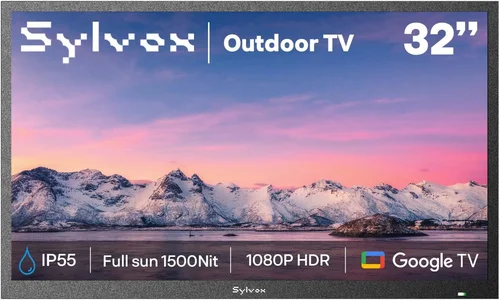
Outdoor living spaces have evolved far beyond simple patios and decks. Today’s homeowners are transforming their backyards into full-fledged entertainment zones—complete with outdoor kitchens, fire pits, sound systems, and yes, even televisions. Among the most popular structures for housing these amenities is the pergola: an open-air framework that provides partial shade, architectural charm, and a natural gathering spot. But when it comes to mounting a TV under a pergola, not just any television will do. Standard indoor TVs aren’t built to withstand the elements—UV exposure, humidity, temperature swings, rain, dust, and even morning dew can quickly degrade performance or cause permanent damage.
That’s where outdoor televisions come in. Designed specifically for open-air environments, these ruggedized displays offer weatherproofing, enhanced brightness, and specialized mounting solutions tailored for pergolas, gazebos, and covered patios. Whether you’re watching the big game with friends, streaming a movie under the stars, or catching up on news while grilling, the right outdoor TV can elevate your backyard experience. However, the market is flooded with options—from fully sealed “all-weather” models to indoor TVs marketed as “outdoor-compatible” with add-on covers. Navigating this landscape requires careful consideration of performance, durability, budget, and installation logistics.
This comprehensive buying guide is designed to cut through the noise and help you make an informed decision. You’ll learn exactly what separates a true outdoor TV from a repackaged indoor model, how to evaluate key specs like brightness and IP ratings, and which brands offer the best blend of reliability and value. We’ll also break down common pitfalls, compare different product categories, provide budget-friendly recommendations, and share expert tips to ensure you get the most out of your investment. By the end, you’ll have a clear roadmap for choosing the perfect outdoor television for your pergola setup—no guesswork required.
The outdoor TV market has matured significantly over the past decade. What began as a niche segment dominated by a handful of premium brands has expanded to include more affordable options, smart functionality, and sleeker designs that blend seamlessly into modern outdoor living spaces. Major players like Samsung, LG, and Sony now offer outdoor-ready models, while specialists such as SunBriteTV, Seura, and Peerless continue to innovate with purpose-built solutions. At the same time, consumer demand has shifted toward larger screen sizes, 4K HDR support, voice control, and integration with smart home ecosystems. With so many variables at play—climate conditions, viewing distance, ambient light levels, and aesthetic preferences—it’s essential to approach your purchase strategically. This guide will equip you with the knowledge to do just that.

What to Look for When Buying Outdoor TVs for Pergolas
1. Weather Resistance & IP Rating
When mounting a TV under a pergola, even if it’s partially covered, you’re exposing it to outdoor conditions—rain, snow, dust, pollen, and temperature extremes. Unlike indoor TVs, which assume a controlled environment, outdoor models must be engineered to resist moisture and debris. The first thing to check is the TV’s Ingress Protection (IP) rating. This two-digit code indicates how well the device resists solids (first digit) and liquids (second digit). For pergola use, look for a minimum rating of IP55 (protected against dust and low-pressure water jets) or higher. IP65 or IP66 ratings are ideal, offering full dust protection and resistance to heavy rain or hose sprays.
But don’t stop at the IP rating. True outdoor TVs feature sealed chassis designs with no ventilation holes, corrosion-resistant internal components, and specialized gaskets around ports and connectors. Some models even include internal heaters or cooling fans to maintain optimal operating temperatures in extreme climates. Avoid “outdoor-compatible” indoor TVs sold with separate weatherproof covers—these often trap heat, reduce airflow, and can lead to overheating or condensation buildup. A purpose-built outdoor TV integrates weather protection directly into its construction, ensuring long-term reliability.
2. Brightness & Anti-Glare Performance
One of the biggest challenges of outdoor viewing is ambient light. Even under a pergola, sunlight reflecting off concrete, water features, or nearby surfaces can wash out your screen. Standard indoor TVs typically peak at 300–500 nits of brightness—fine for a dim living room but inadequate for daylight viewing. Outdoor TVs, by contrast, are engineered for high luminance, often delivering 700 nits or more. Premium models can exceed 2,500 nits, rivaling commercial signage.
Equally important is anti-reflective coating. Look for displays with matte or optically bonded screens that minimize glare without sacrificing color accuracy. Some manufacturers use advanced polarizing filters or direct-lit LED backlighting to enhance contrast in bright conditions. If your pergola faces east or west, where morning or afternoon sun hits directly, prioritize TVs with the highest brightness ratings. For shaded or north-facing pergolas, 1,000–1,500 nits may suffice. Always check real-world reviews—spec sheets can be misleading, and some brands inflate brightness claims under ideal lab conditions.
3. Screen Size & Viewing Distance
Choosing the right screen size isn’t just about aesthetics—it directly impacts your viewing experience. For pergola setups, consider both the physical space available and typical seating arrangements. A TV that’s too large can overwhelm a small structure, while one that’s too small forces viewers to squint. As a rule of thumb, multiply your optimal viewing distance (in inches) by 0.84 to determine the ideal screen diagonal. For example, if your seating is 8 feet (96 inches) away, aim for a 55–65-inch TV.
However, outdoor environments often have more ambient light and less acoustic containment, so larger screens can compensate for reduced perceived sharpness. Many homeowners opt for 65-inch or 75-inch models even at moderate distances. Also, consider the TV’s bezel width—slim bezels create a more immersive experience and fit better under pergola beams. If your pergola has limited vertical clearance, measure carefully: some outdoor TVs are slightly thicker than indoor equivalents due to reinforced casings.
4. Build Quality & Durational Materials
Outdoor TVs endure more stress than their indoor counterparts. Temperature fluctuations can cause expansion and contraction, while humidity promotes corrosion. High-quality outdoor models use marine-grade aluminum or powder-coated steel enclosures that resist rust and UV degradation. Internal components are often conformal-coated—a protective layer applied to circuit boards to prevent moisture damage.
Pay attention to hinge points, port covers, and mounting hardware. Flimsy materials may fail within a season. Reputable brands conduct accelerated aging tests, simulating years of sun, rain, and thermal cycling. Look for certifications like UL Listed for outdoor use or compliance with ASTM standards for environmental durability. Avoid plastic-heavy builds unless explicitly rated for outdoor exposure—many “weather-resistant” TVs use plastic backs that become brittle under UV light.
5. Smart Features & Connectivity
Modern outdoor TVs aren’t just dumb displays—they’re full-fledged smart platforms. Most support Wi-Fi, Bluetooth, and popular streaming services like Netflix, YouTube, and Disney+. Built-in voice assistants (Google Assistant, Alexa) allow hands-free control, which is especially useful when you’re cooking or relaxing. HDMI ports are essential for connecting cable boxes, gaming consoles, or media players, but ensure they’re weather-sealed or located behind protective flaps.
Consider future-proofing: USB-C, eARC for high-quality audio passthrough, and support for HDMI 2.1 (for 4K/120Hz gaming) are increasingly common. Some models include built-in tuners for over-the-air broadcasts, eliminating the need for external antennas. If you plan to integrate your TV with a whole-home audio system or smart lighting, check compatibility with platforms like Control4, Crestron, or Savant.
6. Mounting & Installation Flexibility
Mounting an outdoor TV under a pergola requires specialized hardware. Standard VESA mounts won’t cut it—you need brackets rated for outdoor use, often made from stainless steel or galvanized metal. Many outdoor TVs come with proprietary mounting systems designed to withstand wind loads and allow tilt/swivel adjustments for optimal viewing angles.
Consider cable management: exposed wires are unsightly and vulnerable to weather. Look for TVs with internal cable channels or optional conduit kits. If your pergola lacks power outlets, factor in the cost of outdoor-rated extension cords or professional electrical installation. Some homeowners run cables through hollow pergola posts for a clean look. Always consult local building codes—some jurisdictions require permits for permanent outdoor electrical work.
7. Brand Reputation & Ecosystem Support
Not all outdoor TV brands are created equal. Established names like SunBriteTV (a leader since 2004) and Seura (known for their weatherproof soundbars and TVs) have proven track records in harsh environments. Consumer electronics giants like Samsung and LG now offer “outdoor” variants of their mainstream models, but these may lack the ruggedization of dedicated outdoor units.
Research warranty terms and customer support responsiveness. A reputable brand should offer at least a 2–3 year warranty covering both parts and labor, with service centers accessible in your region. Read user forums and professional installer reviews—some brands have hidden issues like poor firmware updates or limited spare parts availability. Also, consider ecosystem synergy: if you already own smart speakers or security cameras from a particular brand, choosing a compatible TV simplifies integration.
8. Warranty & Long-Term Support
Outdoor electronics represent a significant investment, so robust warranty coverage is non-negotiable. Standard indoor TV warranties often exclude “commercial or outdoor use,” leaving you unprotected. True outdoor TVs come with extended warranties specifically for exterior applications—sometimes up to 5 years. Check what’s covered: does it include accidental damage, power surges, or corrosion?
Support matters too. Can you get replacement parts years down the line? Is there a dedicated hotline for outdoor product issues? Some brands offer on-site service, while others require you to ship the unit. Read the fine print: labor costs, return shipping fees, and deductibles can add up. A strong warranty isn’t just about peace of mind—it’s a reflection of the manufacturer’s confidence in their product’s durability.
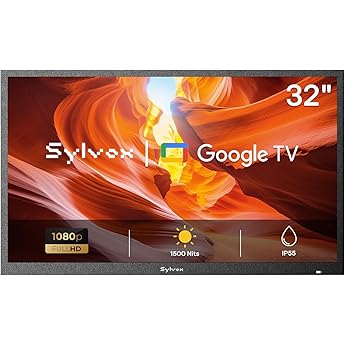
Different Types of Outdoor TVs for Pergolas
Common Buying Mistakes to Avoid
❌ Mistake: Assuming All “Outdoor” TVs Are Created Equal
Why it’s bad: Many retailers label indoor TVs as “outdoor-ready” simply because they sell compatible covers. These setups often lack proper thermal management, leading to overheating or premature failure. The cover itself can trap moisture, creating a greenhouse effect that damages internal components.
What to do instead: Only buy TVs explicitly designed and certified for outdoor use. Look for terms like “all-weather,” “weatherproof,” or “IP-rated.” Verify the manufacturer’s documentation confirms outdoor installation without additional enclosures.
❌ Mistake: Ignoring Local Climate Conditions
Why it’s bad: A TV rated for mild climates may fail in desert heat, coastal salt air, or freezing winters. Humidity, UV intensity, and temperature ranges vary widely by region and directly impact longevity.
What to do instead: Match your TV’s specs to your environment. Coastal homeowners should prioritize corrosion-resistant materials. Desert dwellers need high-temperature tolerance and superior cooling. Check the manufacturer’s operating temperature range—ideally -22°F to 122°F (-30°C to 50°C).
❌ Mistake: Overlooking Power and Connectivity Needs
Why it’s bad: Running extension cords across your yard is unsafe and unsightly. Without proper wiring, you risk tripping hazards, electrical faults, or code violations.
What to do instead: Plan your electrical setup before purchasing. Hire a licensed electrician to install an outdoor GFCI outlet near the TV location. Use weatherproof conduit for cable runs and ensure all connections are rated for exterior use.
❌ Mistake: Choosing Based Solely on Price
Why it’s bad: The cheapest option often sacrifices critical features like brightness, weather sealing, or warranty coverage. You may end up replacing it within 2–3 years, costing more long-term.
What to do instead: Treat your outdoor TV as a long-term investment. Allocate budget for quality construction and proven reliability. Mid-range models often offer the best value—robust enough for most climates without luxury-tier pricing.
❌ Mistake: Neglecting Audio Quality
Why it’s bad: Most outdoor TVs have underpowered built-in speakers. In open spaces, sound dissipates quickly, resulting in muffled dialogue and weak bass.
What to do instead: Pair your TV with outdoor-rated speakers or a soundbar. Many brands offer matching audio systems designed for the same environmental challenges. Consider wireless options to reduce cable clutter.
❌ Mistake: Skipping Professional Installation
Why it’s bad: Improper mounting can lead to sagging, vibration damage, or even collapse in high winds. DIY errors may void your warranty.
What to do instead: Hire a certified installer familiar with outdoor AV setups. They’ll ensure secure mounting, proper cable routing, and compliance with local codes—especially important for pergolas, which may not be load-rated for heavy TVs.
❌ Mistake: Forgetting About Maintenance
Why it’s bad: Even the toughest outdoor TV needs occasional cleaning. Dust, pollen, and bird droppings can accumulate on screens and vents, affecting performance and appearance.
What to do instead: Establish a seasonal maintenance routine. Use a microfiber cloth and mild cleaner for the screen. Inspect seals and ports for debris. Keep the area around the TV clear of vegetation that could block airflow or attract pests.
Budget Guidelines: How Much Should You Spend?
Entry-Level ($800–$1,800): This tier typically includes indoor TVs paired with third-party weatherproof covers or basic partial-cover outdoor models. Expect limited brightness (500–700 nits), minimal weather sealing (IP43 or lower), and shorter warranties (1–2 years). Best for shaded pergolas in mild climates or temporary setups. Brands like TCL and Hisense offer budget-friendly options, but verify outdoor compatibility.
Mid-Range ($1,800–$3,500): The sweet spot for most homeowners. These TVs feature true outdoor construction, IP55+ ratings, 1,000–1,500 nits brightness, and 2–3 year warranties. Models from SunBriteTV’s Veranda series or Samsung’s The Terrace (partial-cover version) fall here. Ideal for covered pergolas with some sun exposure. Includes smart platforms, decent audio, and reliable mounting kits.
Premium ($3,500–$6,000): For enthusiasts and those in harsh environments. Expect IP66 ratings, 2,000+ nits brightness, advanced cooling/heating systems, and 3–5 year warranties. Full-array local dimming, Dolby Vision, and premium materials define this tier. SunBriteTV’s Pro Series and Seura’s Shadow Series excel here. Perfect for open pergolas, coastal homes, or frequent entertainers.
Luxury ($6,000+): Top-tier commercial-grade displays with 24/7 operation capability, extreme durability, and bespoke finishes. Used in high-end resorts, large estates, or commercial venues. Features include modular designs, custom bezels, and integrated control systems. Overkill for most residential pergolas but unmatched in performance and longevity.
Expert Tips for Getting the Best Deal
1. Time Your Purchase Around Seasonal Sales: Outdoor TVs see the biggest discounts in late winter and early spring (February–April) as retailers clear inventory for new models. Black Friday and Prime Day also offer solid deals, but selection may be limited.
2. Buy Direct from Manufacturers or Authorized Dealers: Avoid unauthorized sellers on marketplaces like eBay or Amazon third-party listings. They may sell refurbished units as new or void warranties. Stick to brand websites or certified AV integrators.
3. Negotiate Bundles: Many dealers offer package deals—TV + mount + soundbar + installation—at a reduced rate. Ask about trade-ins if you’re upgrading from an older model.
4. Check for Rebates and Tax Credits: Some states offer energy-efficiency rebates for outdoor electronics. While rare, it’s worth a quick search. Also, certain installations may qualify as home improvements for tax purposes.
5. Read Professional Installer Reviews: Consumer reviews focus on picture quality, but installers evaluate durability, ease of mounting, and real-world weather performance. Sites like AVS Forum and Reddit’s r/homeautomation have active installer communities.
6. Test Before Committing (If Possible): Some retailers allow in-home trials or have showrooms with outdoor setups. If not, ensure the return policy covers outdoor use—many don’t allow returns after installation.
7. Prioritize Future-Proofing: Choose a TV with HDMI 2.1, Wi-Fi 6, and regular firmware updates. This extends its usable life as streaming standards evolve.
8. Consider Resale Value: Premium brands like SunBriteTV hold value better than generic models. If you plan to sell your home, a high-quality outdoor TV can be a selling point.

Frequently Asked Questions
Q: Can I use a regular indoor TV under my pergola if it’s covered?
A: Technically yes, but it’s not recommended for long-term use. Even covered pergolas experience humidity, temperature swings, and indirect moisture. Without proper sealing, internal components can corrode or short-circuit. If you must use an indoor TV, invest in a high-quality, vented outdoor cover and monitor it closely.
Q: How bright should my outdoor TV be for daytime viewing?
A: For shaded pergolas, 1,000–1,500 nits is sufficient. For direct sunlight exposure, aim for 2,000+ nits. Brightness needs also depend on screen size—larger screens require more luminance to maintain perceived clarity.
Q: Do outdoor TVs consume more power than indoor models?
A: Yes, due to higher brightness and internal cooling/heating systems. Expect 20–50% higher energy use. Look for ENERGY STAR-certified models to offset costs.
Q: Can I mount an outdoor TV on a pergola beam?
A: Only if the beam is structurally sound and rated for dynamic loads. Consult a contractor to assess weight capacity. Most pergola beams aren’t designed to support 50+ lbs of TV plus mount. Wall or post mounting is often safer.
Q: Are outdoor TVs compatible with streaming devices like Roku or Apple TV?
A: Absolutely. Most outdoor TVs have HDMI ports for external devices. However, ensure the streaming box is protected from weather—mount it indoors or in a sealed enclosure nearby.
Q: What’s the average lifespan of an outdoor TV?
A: With proper care, 7–10 years is typical. Premium models can last 12+ years. Indoor TVs used outdoors may fail in 2–3 years due to environmental stress.
Q: Do I need a special antenna for over-the-air broadcasts outdoors?
A: Yes. Use an outdoor-rated UHF/VHF antenna mounted away from the TV to avoid interference. Indoor antennas won’t provide reliable signal in open areas.
Q: Can outdoor TVs get damaged by lightning?
A: Like any electronic device, they’re vulnerable to power surges. Install a whole-house surge protector and consider unplugging during storms if you’re in a lightning-prone area.
Q: Are there solar-powered outdoor TV options?
A: Not yet for full-sized TVs, but solar-compatible power systems are emerging. Currently, you’ll need a grid connection or large battery bank, which adds complexity and cost.
Q: How do I clean my outdoor TV screen?
A: Use a soft, lint-free microfiber cloth slightly dampened with water or a 50/50 mix of water and isopropyl alcohol. Never spray liquid directly on the screen. Avoid ammonia-based cleaners.
Our Final Recommendations
Best for Budget-Conscious Buyers: SunBriteTV Veranda Series (55″) – At around $2,200, it offers true outdoor construction, 1,000 nits brightness, and a 3-year warranty. Ideal for covered pergolas in moderate climates.
Best Overall Value: Samsung The Terrace Partial Cover (65″) – Combines Samsung’s smart platform with outdoor durability. Priced near $3,000, it delivers excellent picture quality, IP55 rating, and seamless integration with Samsung ecosystems.
Best Premium Option: SunBriteTV Pro Series (75″) – Built for extreme conditions with IP66 rating, 2,500 nits brightness, and military-grade materials. At $5,500+, it’s overkill for most but unmatched in reliability.
Best for Beginners: Seura Shadow Series (50″) – User-friendly setup, elegant design, and strong customer support. Great for first-time outdoor TV owners who value aesthetics and ease of use.
Best for Advanced Users: Peerless-AV Xtreme Outdoor Display (65″) – Modular, customizable, and built for 24/7 operation. Perfect for tech-savvy homeowners who want full control over their outdoor AV system.
Conclusion: Making the Right Choice
Choosing an outdoor television for your pergola isn’t just about picking the shiniest screen—it’s about aligning technology with your environment, lifestyle, and long-term goals. From weather resistance and brightness to smart features and installation logistics, every detail matters. By prioritizing durability over trends, matching specs to your climate, and investing in quality support, you’ll enjoy years of reliable performance under the open sky.
Remember, the best TV is the one that fits your unique setup. Don’t rush the decision. Measure your space, assess your viewing habits, and consult with professionals if needed. And when you do buy, choose a model that balances performance, protection, and peace of mind. Your backyard oasis deserves nothing less.
Now that you’re armed with expert knowledge, it’s time to transform your pergola into the ultimate outdoor entertainment hub. Whether you’re hosting game nights, movie marathons, or quiet evenings under the stars, the right outdoor TV will make every moment unforgettable. Happy viewing!

