
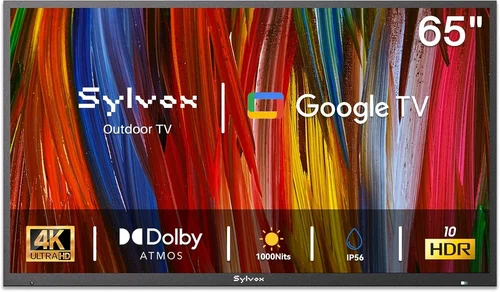
Outdoor living spaces have evolved dramatically over the past decade. What once consisted of a simple patio chair and a small table has transformed into fully functional outdoor entertainment zones—complete with grills, fire pits, sound systems, and yes, outdoor televisions. As more homeowners invest in creating comfortable, weather-resistant backyard environments, the demand for high-quality outdoor TVs has surged. But not all outdoor TVs are created equal—especially when you live in a humid climate.
Humidity presents unique challenges for electronic devices. Moisture in the air can seep into internal components, cause corrosion, degrade picture quality, and ultimately shorten the lifespan of your TV. Standard indoor TVs, even when placed under a covered patio or pergola, are not designed to withstand prolonged exposure to high humidity, temperature swings, or direct weather elements. That’s why choosing the right outdoor television for humid areas isn’t just a luxury—it’s a necessity for long-term performance and value.
This comprehensive buying guide is designed to help you navigate the complex world of outdoor televisions with confidence. Whether you’re upgrading your poolside setup, enhancing your covered deck, or building an outdoor home theater, we’ll walk you through everything you need to know. You’ll learn how to evaluate build quality, understand IP ratings, compare display technologies, assess smart features, and avoid common pitfalls. By the end of this guide, you’ll be equipped with expert-level knowledge to make a smart, informed decision that fits your budget, space, and lifestyle.
The outdoor TV market has matured significantly, with manufacturers now offering purpose-built models that rival indoor TVs in picture quality, durability, and functionality. From fully sealed, all-weather enclosures to advanced cooling and heating systems, today’s outdoor TVs are engineered to thrive in challenging environments. However, with so many options—ranging from budget-friendly partial-weather models to premium all-season units—it’s easy to feel overwhelmed. This guide cuts through the noise, focusing specifically on what matters most for humid climates: protection against moisture, reliable performance in high humidity, and long-term durability.
We’ll explore key factors like IP ratings, display brightness, smart platform integration, and warranty coverage. You’ll also find detailed comparisons of different TV types, budget breakdowns, expert tips for getting the best deal, and real-world recommendations based on performance and value. Whether you’re in Florida, Louisiana, Hawaii, or any other humid region, this guide will help you find the perfect outdoor TV that delivers stunning visuals season after season—without succumbing to the elements.

What to Look for When Buying Buying Guide
1. IP Rating and Weather Resistance
The Ingress Protection (IP) rating is one of the most critical specifications when selecting an outdoor TV for humid areas. This two-digit code indicates how well a device resists dust and moisture. The first digit refers to solid particle protection (like dust), while the second digit measures liquid ingress protection. For outdoor use in humid climates, you should look for a minimum IP55 rating, but ideally IP65 or higher.
An IP65-rated TV is dust-tight and protected against water jets from any direction—making it suitable for covered patios, screened-in porches, and areas exposed to rain or high humidity. IP66 and IP67 ratings offer even greater protection, withstanding powerful water jets and temporary immersion. In humid environments, where condensation can form on electronics even without direct rain, a high IP rating ensures that internal components remain dry and functional.
Many manufacturers go beyond standard IP ratings by using conformal coating on circuit boards, sealed cable ports, and moisture-resistant gaskets. These additional protections are essential in tropical or subtropical regions where humidity levels frequently exceed 70%. A TV with only a basic IP54 rating might survive light drizzle but could fail prematurely in constant high humidity due to internal condensation.
When evaluating IP ratings, also consider the TV’s installation location. If it’s under a solid roof with overhangs and minimal direct exposure, an IP55 may suffice. But if it’s in an open-air space or near a pool where splashing is common, aim for IP65 or better. Always verify the manufacturer’s testing standards—some brands claim “weather-resistant” without official IP certification, which can be misleading.
2. Display Brightness and Anti-Glare Technology
Brightness is arguably the most important visual factor for outdoor TVs, especially in humid areas where sunlight can be intense and reflections problematic. Standard indoor TVs typically range from 300 to 500 nits, which is insufficient for outdoor viewing. In contrast, outdoor TVs should deliver at least 700 nits, with premium models exceeding 2,000 nits.
High brightness ensures that the image remains visible even in direct sunlight or bright ambient conditions. This is crucial for patios, decks, and pool areas where natural light dominates. However, brightness alone isn’t enough—anti-glare and anti-reflective coatings are equally important. These coatings reduce surface reflections from the sun, windows, or nearby water features, improving contrast and color accuracy.
Look for TVs with optically bonded glass, which eliminates the air gap between the LCD panel and the outer glass. This reduces internal reflections and enhances clarity in bright environments. Some models also feature advanced polarizing filters that minimize glare from specific angles, ideal for seating arrangements where viewers may be off-axis.
In humid climates, high brightness also helps counteract the slight haze that can form on screens due to moisture buildup. A TV with strong luminance will maintain image vibrancy even when the screen isn’t perfectly dry. Additionally, consider TVs with local dimming or high dynamic range (HDR) support, as these features improve contrast and make dark scenes more visible in daylight.
3. Build Quality and Durational Materials
Outdoor TVs must endure more than just humidity—they face temperature extremes, UV exposure, salt air (in coastal areas), and physical wear. Build quality directly impacts longevity, especially in humid environments where corrosion and material degradation are accelerated.
Start with the enclosure material. Aluminum is the gold standard for outdoor TVs due to its corrosion resistance, lightweight nature, and ability to dissipate heat. Look for powder-coated aluminum housings, which provide an additional protective layer against rust and fading. Avoid plastic enclosures unless they are specifically engineered for outdoor use with UV stabilizers and reinforced polymers.
Internal components should also be designed for durability. High-quality capacitors, sealed connectors, and moisture-resistant circuit boards are essential. Some manufacturers use marine-grade components, originally developed for boats and coastal installations, which offer superior resistance to salt and humidity.
Ventilation is another key consideration. While the TV must be sealed against moisture, it still needs airflow to prevent overheating. Look for models with passive cooling systems—such as heat sinks and convection channels—that allow heat to escape without compromising the IP rating. Active cooling (fans) is less common in outdoor TVs due to the risk of moisture ingress, but some premium models use filtered fan systems for enhanced thermal management.
Finally, check the mounting hardware. Stainless steel brackets and corrosion-resistant screws are a must. Many outdoor TVs come with proprietary mounting systems that ensure a secure, weather-tight installation. Avoid using standard indoor TV mounts, as they may not provide adequate protection or stability.
4. Smart Features and Connectivity
Modern outdoor TVs are no longer just passive displays—they’re full-fledged smart entertainment hubs. In humid areas, where you may spend extended periods outdoors, having access to streaming services, voice control, and app integration enhances the experience.
Look for TVs with built-in Wi-Fi and support for major streaming platforms like Netflix, YouTube, Disney+, and Amazon Prime Video. Android TV, webOS, and Roku TV are popular operating systems that offer extensive app libraries and regular updates. Some models also support Apple AirPlay and Google Chromecast, allowing you to mirror content from smartphones and tablets.
Voice control via Google Assistant or Amazon Alexa is increasingly common and highly convenient for outdoor use, where typing on a remote can be cumbersome. Integration with smart home systems—such as lighting, speakers, or security cameras—adds further functionality.
Connectivity options are equally important. Ensure the TV has multiple HDMI ports (preferably HDMI 2.1 for 4K/120Hz content), USB ports for media playback, and audio outputs for external speakers or soundbars. Some models include weatherproof cable glands or access panels to protect connections from moisture.
5. Size and Viewing Distance
Selecting the right screen size depends on your outdoor space, seating arrangement, and typical viewing distance. Unlike indoor TVs, where you might sit 6–8 feet away, outdoor viewing distances can vary widely—from 4 feet at a small bistro table to 15+ feet in a large backyard theater.
As a general rule, divide your viewing distance (in inches) by 12 to estimate the ideal screen size in inches. For example, if you’re sitting 10 feet (120 inches) away, a 55- to 65-inch TV is appropriate. However, outdoor environments often benefit from larger screens due to ambient light and the need for greater visual impact.
Consider the TV’s placement. Will it be wall-mounted, on a stand, or built into an outdoor cabinet? Ensure the chosen size fits comfortably within the space without overwhelming it. Also, account for glare and viewing angles—larger screens may require strategic positioning to minimize reflections from windows or water features.
In humid areas, larger screens can be more susceptible to condensation on the surface, so ensure the TV has adequate ventilation and anti-fog features. Some models include internal heaters that gently warm the screen to prevent moisture buildup during cool, humid nights.
6. Warranty and Customer Support
Given the investment involved and the harsh conditions outdoor TVs endure, a strong warranty is non-negotiable. Most reputable manufacturers offer 2- to 3-year warranties for outdoor models, with some extending coverage to 5 years for commercial or premium units.
Check what the warranty covers. Does it include labor, parts, and on-site service? Is damage from humidity or weather explicitly included, or is it excluded under “acts of nature”? Some brands offer prorated warranties, while others provide full replacement for the first year.
Customer support is equally important. Look for manufacturers with dedicated outdoor TV support teams, online resources, and local service networks. Brands like SunBrite, Samsung, and LG have established reputations for responsive support and reliable service.
Avoid third-party or “white-label” outdoor TVs sold through online marketplaces without clear warranty terms. These may use repackaged indoor TVs with minimal weatherproofing, offering little recourse if they fail.
7. Brand Reputation and Reviews
Not all outdoor TV brands are created equal. Some specialize exclusively in outdoor displays, while others adapt indoor models for outdoor use. Research the brand’s history, customer feedback, and industry reputation before buying.
Established names like SunBriteTV, Samsung (with its Terrace series), and LG (with its outdoor-ready models) have proven track records in the outdoor TV market. These companies invest in R&D, rigorous testing, and customer support. They often publish detailed specifications, installation guides, and compatibility lists.
Read user reviews from customers in similar climates. Look for patterns—do multiple users report issues with humidity damage, screen fogging, or connectivity problems? Are positive reviews verified purchases from reputable retailers?
Avoid brands with limited online presence, vague specifications, or no customer service contact information. Be cautious of “too good to be true” deals on platforms like eBay or Amazon Marketplace, where counterfeit or refurbished units may be sold as new.
8. Installation and Maintenance Requirements
Even the best outdoor TV won’t perform well if it’s improperly installed or poorly maintained. Professional installation is highly recommended, especially for wall-mounted units or those integrated into outdoor structures.
Ensure the mounting surface is sturdy and can support the TV’s weight. Use weatherproof sealant around wall penetrations to prevent moisture intrusion. Run cables through conduit or use outdoor-rated cable management systems to protect connections.
Regular maintenance is essential in humid areas. Clean the screen monthly with a microfiber cloth and mild cleaner. Inspect seals, gaskets, and ports for signs of wear or corrosion. Check for condensation inside the screen—if visible, it may indicate a seal failure.
Some TVs include self-diagnostic features that alert you to temperature or humidity issues. Others have removable front panels for easy cleaning and inspection. Choose a model that balances performance with practical maintenance needs.
Different Types of Buying Guide

Common Buying Mistakes to Avoid
❌ Mistake: Buying an Indoor TV for Outdoor Use
Why it’s bad: Indoor TVs lack weatherproofing, proper ventilation, and humidity resistance. Even under cover, they can fail within months due to condensation, corrosion, or overheating. The cost of replacement far exceeds the savings.
What to do instead: Invest in a purpose-built outdoor TV or use a certified outdoor enclosure. These are designed to handle moisture, temperature swings, and UV exposure.
❌ Mistake: Ignoring IP Ratings
Why it’s bad: Without a proper IP rating, you have no guarantee of moisture protection. A TV labeled “weather-resistant” may not withstand high humidity or rain.
What to do instead: Always verify the IP rating and choose IP65 or higher for humid areas. Check manufacturer documentation for testing standards.
❌ Mistake: Overlooking Brightness Requirements
Why it’s bad: A dim screen will appear washed out in sunlight, making it unusable during the day. This defeats the purpose of an outdoor TV.
What to do instead: Choose a TV with at least 700 nits, preferably 1,000+ nits. Look for anti-glare coatings and optically bonded glass.
❌ Mistake: Skimping on Installation
Why it’s bad: Poor installation can lead to water intrusion, electrical hazards, or structural failure. DIY mistakes are common and costly.
What to do instead: Hire a certified installer familiar with outdoor electronics. Ensure proper sealing, grounding, and cable management.
❌ Mistake: Choosing Based on Price Alone
Why it’s bad: The cheapest option often lacks durability, smart features, or warranty support. It may need replacement in 1–2 years.
What to do instead: Focus on value—balance price with build quality, features, and longevity. Mid-range models often offer the best return on investment.
❌ Mistake: Neglecting Maintenance
Why it’s bad: Dust, pollen, and moisture buildup can degrade performance and shorten lifespan. Many users assume outdoor TVs are maintenance-free.
What to do instead: Clean the screen regularly, inspect seals, and check for condensation. Follow the manufacturer’s maintenance guidelines.
Budget Guidelines: How Much Should You Spend?
Entry-Level ($800 – $1,500): These are typically partial-weather models or indoor TVs in basic enclosures. Suitable for fully covered, low-humidity areas. Expect lower brightness (500–700 nits), limited smart features, and shorter warranties. Best for occasional use.
Mid-Range ($1,500 – $3,500): The sweet spot for most homeowners. These TVs offer IP65 ratings, 1,000+ nits brightness, full smart platforms, and solid build quality. Ideal for covered patios and decks in humid climates. Brands like SunBrite and Samsung Terrace fall here.
Premium ($3,500 – $6,000): Designed for open-air and high-exposure environments. Feature IP66/IP67 ratings, 2,000+ nits, advanced cooling, and commercial-grade components. Excellent for poolside, coastal, or tropical settings. Often include extended warranties and professional installation support.
Luxury ($6,000+): Top-tier models with 4K HDR, ultra-bright displays, integrated sound systems, and custom finishes. Built for luxury homes, resorts, or outdoor theaters. May include remote monitoring, self-diagnostics, and 5-year warranties.
Expert Tips for Getting the Best Deal
1. Buy During Off-Season: Prices drop in fall and winter when outdoor demand is low. Look for end-of-season sales from retailers like Best Buy, Home Depot, or specialty outdoor electronics stores.
2. Compare Total Cost of Ownership: Factor in installation, mounting hardware, and potential maintenance. A cheaper TV with high upkeep costs may end up more expensive.
3. Check for Bundles: Some retailers offer TV + mount + soundbar packages at a discount. These can save $200–$500 compared to buying separately.
4. Read the Fine Print on Warranties: Ensure humidity and weather damage are covered. Avoid brands with “limited” warranties that exclude common failure modes.
5. Test Before You Buy: If possible, visit a showroom to evaluate brightness and interface usability. Some models look great on paper but underperform in real-world conditions.
6. Use Price Tracking Tools: Set alerts on Google Shopping or CamelCamelCamel to monitor price drops on specific models.
7. Consider Refurbished Units: Certified refurbished outdoor TVs from reputable sellers can offer significant savings with full warranty coverage.
8. Negotiate Installation: Some retailers offer free or discounted installation with purchase. Ask about bundled services.
Frequently Asked Questions
Q: Can I use a regular TV outdoors if it’s under cover?
A: Technically yes, but it’s not recommended. Even under cover, humidity, temperature changes, and condensation can damage internal components. A purpose-built outdoor TV or certified enclosure is a safer, longer-lasting solution.
Q: How do I protect my outdoor TV from rain?
A: Choose a TV with an IP65 or higher rating and install it under a solid roof with overhangs. Use weatherproof cable glands and seal all wall penetrations. Avoid direct exposure to rain or sprinklers.
Q: Will an outdoor TV work in direct sunlight?
A: Yes, but only if it has high brightness (1,000+ nits) and anti-glare coatings. Lower-brightness models will appear washed out. Position the TV to minimize direct sun on the screen.
Q: Do outdoor TVs consume more power?
A: Not necessarily. Many outdoor models use efficient LED backlighting and smart power management. However, brighter screens may use slightly more energy—check the Energy Guide label.
Q: Can I mount an outdoor TV on a brick or stucco wall?
A: Yes, but use appropriate anchors and sealants. Consult a professional installer to ensure structural integrity and weatherproofing.
Q: How long do outdoor TVs last?
A: With proper care, most last 5–10 years. Humidity-resistant models with quality components tend to outlast cheaper alternatives.
Q: Are outdoor TVs compatible with soundbars?
A: Yes, most support external audio via HDMI ARC, optical, or Bluetooth. Choose a weather-resistant soundbar for full outdoor integration.
Q: What’s the difference between partial-weather and all-weather TVs?
A: Partial-weather models are for covered, low-exposure areas. All-weather TVs are fully sealed, rated IP65+, and built for open-air use in rain, snow, and high humidity.
Our Final Recommendations
Best for Budget-Conscious Buyers: SunBriteTV Veranda Series (55-inch, ~$1,800) – Excellent value with IP55 rating, 700 nits brightness, and full smart features. Ideal for covered patios.
Best Overall Value: Samsung The Terrace (65-inch, ~$3,200) – IP55-rated, 2,000 nits, anti-glare screen, and robust smart platform. Perfect balance of performance and price.
Best Premium Option: SunBriteTV Pro Series (75-inch, ~$5,500) – IP66-rated, 3,000 nits, marine-grade components, and 3-year warranty. Built for extreme humidity and coastal environments.
Best for Beginners: LG Outdoor TV (55-inch, ~$2,500) – User-friendly webOS, good brightness, and reliable build. Great entry point for first-time buyers.
Best for Advanced Users: Peerless-AV Xtreme (65-inch, ~$4,800) – Commercial-grade, IP67-rated, 24/7 operation, and advanced thermal management. Ideal for tech-savvy users wanting maximum durability.
Conclusion: Making the Right Choice
Choosing the right outdoor television for a humid area is about more than just picture quality—it’s about resilience, reliability, and long-term value. Humidity is a silent killer of electronics, but with the right knowledge and preparation, you can enjoy stunning outdoor entertainment for years to come.
This guide has equipped you with the tools to evaluate IP ratings, prioritize brightness and build quality, understand smart features, and avoid common pitfalls. You now know that not all “outdoor” TVs are equal, and that investing in a purpose-built model pays dividends in performance and peace of mind.
Remember to assess your specific environment: Is your space fully covered or exposed? How intense is the sunlight? What’s your typical viewing distance? These factors will guide your decision more than any brand or price tag.
Prioritize your needs, set a realistic budget, and don’t compromise on weather protection. Whether you’re watching the sunset with family or hosting a backyard movie night, your outdoor TV should enhance the experience—not become a source of frustration.
Take action today. Research the models we’ve recommended, compare prices, and consult with a professional installer. Your perfect outdoor entertainment setup is within reach. Make the smart choice, and enjoy every moment under the open sky.

