
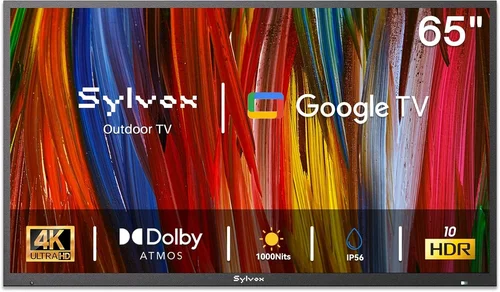
Outdoor television has evolved dramatically over the past decade, transforming from a niche luxury item into a practical entertainment solution for homeowners, hospitality venues, and even commercial spaces. With more people investing in outdoor living areas—patios, decks, poolside lounges, and covered porches—the demand for weather-resistant, high-performance TVs has surged. However, not all outdoor TVs are created equal, especially when it comes to extreme environments. If you live in a hot climate—think Phoenix, Dubai, Miami, or parts of Australia—you’re facing unique challenges: scorching sun, high humidity, dust, and temperature fluctuations that can wreak havoc on standard electronics. This guide is designed specifically for those conditions, offering expert-level insights to help you make a smart, long-lasting investment.
What you’ll learn here goes beyond basic specs and brand names. We’ll dive deep into the engineering behind outdoor TVs built for heat, explain why certain materials and cooling systems matter more than resolution or smart features, and help you avoid costly mistakes. Whether you’re upgrading your backyard entertainment setup or installing a TV in a commercial outdoor venue, this comprehensive buying guide will equip you with the knowledge to choose a television that performs reliably year-round, even under relentless sun. The market today offers a wide range of options—from fully sealed, all-weather models to semi-outdoor displays and DIY weatherproof enclosures—but only a select few are truly optimized for sustained high-temperature operation. By the end of this article, you’ll know exactly what to look for, how to compare models effectively, and how to maximize value without compromising durability.
The outdoor TV market in 2026 is more competitive and technologically advanced than ever. Major brands like Samsung, LG, Sony, and specialized manufacturers such as SunBriteTV, Seura, and Peerless have expanded their offerings with models engineered for extreme environments. Innovations in passive cooling, anti-glare coatings, UV-resistant housings, and energy-efficient displays have made it possible to enjoy crisp, vibrant visuals even at noon on a 100°F day. Yet, despite these advances, many consumers still fall into common traps—buying indoor TVs with weatherproof covers, underestimating the importance of thermal management, or overlooking warranty coverage for outdoor use. This guide cuts through the marketing noise and delivers actionable, expert-backed advice tailored to hot climates. You’ll learn how to evaluate real-world performance, interpret technical specifications in context, and prioritize features that ensure longevity and reliability. Whether you’re spending $800 or $5,000, your goal should be the same: a TV that delivers consistent performance, resists degradation from heat and sun, and enhances your outdoor experience for years to come.

What to Look for When Buying Buying Guide
1. Thermal Management & Cooling Systems
One of the most critical factors for outdoor TVs in hot climates is how well the unit manages internal heat. Unlike indoor TVs, which operate in climate-controlled environments, outdoor models are exposed to direct sunlight, ambient temperatures exceeding 100°F (38°C), and limited airflow. Without proper thermal management, internal components can overheat, leading to reduced lifespan, color distortion, screen burn-in, or even complete failure. Look for TVs with passive cooling systems—such as heat-dissipating aluminum chassis, ventless designs, or integrated heat sinks—that don’t rely on fans, which can fail or suck in dust and moisture. Active cooling (fans) may seem beneficial, but in dusty or humid environments, they often become maintenance headaches. The best outdoor TVs use thermal throttling and temperature sensors to automatically adjust brightness and processing power when internal temps rise, protecting the display and electronics. For example, SunBriteTV’s Veranda series uses a fanless, sealed design with a thermally conductive frame that draws heat away from critical components. Always check the operating temperature range: a TV rated for 122°F (50°C) is far better suited for desert climates than one capped at 95°F (35°C).
2. Display Brightness & Anti-Glare Technology
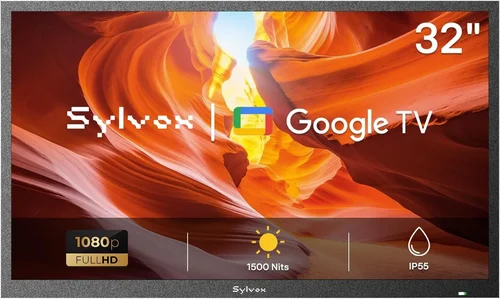
In hot climates, sunlight is often intense and relentless, making screen visibility a major challenge. A TV with low brightness will appear washed out or completely unreadable during daylight hours. For outdoor use, especially in full sun, you need a display with a minimum of 700 nits of brightness—though 1,000 nits or higher is ideal. Many premium outdoor TVs now offer 2,000 to 3,000 nits, rivaling commercial digital signage. But brightness alone isn’t enough. You also need anti-reflective coatings and matte screen finishes to reduce glare from sunlight. Glossy screens may look sharp indoors, but outdoors they act like mirrors, reflecting sky, trees, and surroundings. Look for TVs with optical bonding, a process where the glass is fused directly to the LCD layer, minimizing air gaps that cause reflections. Seura’s outdoor models, for instance, use advanced anti-glare layers that maintain color accuracy while maximizing visibility. Additionally, consider the screen’s viewing angle—wide angles (178°) ensure the image remains clear even when viewed from the side, which is common in outdoor seating arrangements.
3. Weather Resistance & IP Rating
Not all “outdoor” TVs are truly weatherproof. While many claim to be suitable for outdoor use, their level of protection varies significantly. The key metric here is the Ingress Protection (IP) rating, which indicates resistance to dust and water. For hot climates—especially those with monsoons, dust storms, or high humidity—you need a minimum of IP55, meaning the TV is protected against dust ingress and low-pressure water jets from any direction. However, for full four-season durability, aim for IP65 or higher. IP65 ensures complete dust protection and resistance to water projected from a nozzle, making it ideal for uncovered patios or coastal areas. Check whether the rating applies to the entire unit or just certain components. Some manufacturers only rate the front bezel, leaving ports and internal electronics vulnerable. Also, verify that all external materials—bezels, screws, seals—are made from corrosion-resistant alloys like marine-grade aluminum or stainless steel. Avoid plastic housings, which can warp or degrade under prolonged UV exposure.
4. UV Protection & Material Durability
Ultraviolet (UV) radiation from the sun doesn’t just fade outdoor furniture—it can also damage TV components over time. Prolonged exposure to UV light can yellow plastic casings, degrade adhesives, and weaken seals, leading to moisture ingress and component failure. High-quality outdoor TVs use UV-stabilized materials in their enclosures and screen coatings. These materials are engineered to resist breakdown from solar radiation, maintaining structural integrity and appearance for years. Additionally, the screen itself should have a UV-blocking layer to protect the LCD or OLED panel from degradation. For example, Peerless-AV’s outdoor displays use polycarbonate blends with UV inhibitors that prevent brittleness and discoloration. Another consideration is thermal expansion: materials expand and contract with temperature changes. A well-designed outdoor TV accounts for this with flexible seals and expansion joints that prevent cracking or warping. Always ask the manufacturer about UV testing standards—look for compliance with ASTM G154 (accelerated UV exposure testing) or similar protocols.
5. Smart Features & Connectivity
While durability is paramount, modern outdoor TVs also need to deliver a seamless entertainment experience. Most buyers expect smart TV functionality, including access to streaming apps like Netflix, YouTube, and Disney+. However, not all smart platforms are created equal. Look for TVs with fast processors (quad-core or better), ample RAM (2GB+), and regular software updates. Android TV, webOS, and Tizen are common platforms, each with pros and cons. Android TV offers the most app flexibility, while webOS (LG) and Tizen (Samsung) are known for smooth performance and intuitive interfaces. Ensure the TV supports Wi-Fi 6 for reliable connectivity, especially if your outdoor area is far from the router. For wired connections, check for weatherproof HDMI and USB ports with rubberized covers or internal gaskets. Some models, like the LG Outdoor OLED, include built-in Bluetooth for wireless audio to outdoor speakers. Also consider voice control compatibility (Google Assistant, Alexa) for hands-free operation—ideal when you’re grilling or lounging poolside.
6. Installation & Mounting Flexibility
How you mount your outdoor TV can significantly impact its performance and longevity. In hot climates, proper installation ensures airflow, prevents overheating, and protects against wind, rain, and debris. Look for TVs that support VESA-compatible mounting (standard patterns like 200×200, 400×400) so you can use robust outdoor-rated brackets. Avoid flush-mounting directly against walls without ventilation space—this traps heat and reduces cooling efficiency. Instead, use tilt or full-motion mounts that allow the TV to be angled away from direct sun and provide rear airflow. Some premium models come with integrated mounting systems designed for outdoor use, including corrosion-resistant hardware and cable management. Also consider the TV’s weight and dimensions: heavier units may require reinforced structures, especially in windy areas. For commercial installations, check if the TV supports centralized control systems like RS-232 or IP control for integration with building automation.
7. Warranty & Manufacturer Support
A strong warranty is a strong indicator of a manufacturer’s confidence in their product—especially for outdoor electronics. Standard indoor TVs often come with 1-year warranties, but outdoor models should offer at least 2–3 years of coverage, with some brands like SunBriteTV providing up to 5 years. More importantly, the warranty must explicitly cover outdoor use. Many manufacturers void warranties if the TV is used outside, even if marketed as “outdoor-ready.” Read the fine print: does the warranty include damage from heat, humidity, or UV exposure? Is on-site service available, or do you have to ship the unit back? Look for brands with dedicated outdoor support teams and local service partners. Also, check if the warranty is transferable—this adds value if you sell your home. Peerless-AV, for example, offers a 3-year limited warranty with optional extended coverage and 24/7 technical support. Avoid third-party “outdoor enclosures” for indoor TVs, as they typically void the original warranty and offer no protection against internal heat buildup.
8. Energy Efficiency & Power Consumption
Outdoor TVs in hot climates often run for extended periods, especially during summer evenings or outdoor events. High power consumption not only increases electricity bills but also generates more internal heat, compounding thermal stress. Look for models with Energy Star certification or similar efficiency ratings. LED-backlit LCDs are generally more efficient than OLEDs in bright environments, though newer OLEDs with improved brightness and heat dissipation are closing the gap. Check the TV’s power consumption in watts under typical usage (e.g., 150W for a 55-inch model). Some outdoor TVs include ambient light sensors that automatically adjust brightness based on sunlight, reducing power use and heat output when full brightness isn’t needed. Additionally, consider solar compatibility if you’re in a remote location or aiming for off-grid sustainability. While rare, some commercial outdoor displays can integrate with solar power systems via DC inputs or smart power management.
Different Types of Buying Guide

Common Buying Mistakes to Avoid
❌ Mistake: Buying an Indoor TV with a Weatherproof Cover
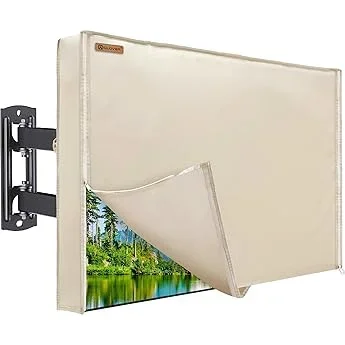
Why it’s bad: This is one of the most common and costly errors. Indoor TVs are not designed to handle heat, humidity, or UV exposure. Even with a cover, internal components can overheat because there’s no active or passive cooling system. The cover traps heat, creating a greenhouse effect that accelerates component failure. Additionally, most covers don’t provide true IP-rated protection, leaving gaps for dust and moisture.
What to do instead: Invest in a purpose-built outdoor TV or a semi-outdoor model rated for your climate. If budget is tight, consider a high-brightness indoor TV with a vented, IP65-rated enclosure from a reputable brand like Peerless or Cradlepoint—but only for covered areas with shade.
❌ Mistake: Ignoring the Operating Temperature Range
Why it’s bad: Many buyers focus on resolution, smart features, or price but overlook the TV’s thermal limits. A TV rated for 95°F will shut down or degrade quickly in a 110°F desert environment. Overheating can cause permanent damage to the backlight, LCD layer, or power supply.
What to do instead: Always check the manufacturer’s specified operating temperature range. For hot climates, choose a TV rated for at least 122°F (50°C). Look for models with thermal sensors and automatic brightness adjustment to prevent overheating.
❌ Mistake: Choosing a Glossy Screen for Sunlit Areas
Why it’s bad: Glossy screens reflect sunlight, making the image nearly impossible to see during the day. This forces you to max out brightness, which increases power consumption and heat output—creating a vicious cycle.
What to do instead: Opt for a matte or anti-reflective screen with optical bonding. These finishes diffuse light and maintain visibility even in direct sun. Test the screen in bright conditions if possible, or look for user reviews mentioning daytime clarity.
❌ Mistake: Overlooking Warranty Coverage for Outdoor Use
Why it’s bad: Many “outdoor-ready” TVs come with warranties that exclude outdoor installation. If the TV fails due to heat or humidity, the manufacturer may deny the claim, leaving you with a costly repair or replacement.
What to do instead: Read the warranty terms carefully. Ensure it explicitly covers outdoor use and environmental factors like UV exposure and temperature extremes. Choose brands with dedicated outdoor support and transferable warranties.
❌ Mistake: Poor Mounting and Ventilation
Why it’s bad: Mounting the TV flush against a wall or in an enclosed cabinet restricts airflow, causing heat buildup. This reduces lifespan and can trigger thermal shutdowns during peak usage.
What to do instead: Use a tilt or full-motion mount that allows 2–4 inches of clearance behind the TV. Ensure the mounting surface is shaded or use a sunshade. Avoid enclosed spaces unless the TV is specifically designed for it.
❌ Mistake: Underestimating Power and Connectivity Needs
Why it’s bad: Running long HDMI or power cables through walls or underground can lead to signal loss, voltage drop, or safety hazards. Poor connectivity also limits streaming quality and smart features.
What to do instead: Plan your cable routing in advance. Use outdoor-rated, shielded cables and consider a wireless HDMI extender or mesh Wi-Fi system. For power, install a dedicated outdoor GFCI outlet near the TV.
❌ Mistake: Buying Based on Price Alone
Why it’s bad: The cheapest outdoor TV may save you money upfront but cost more in the long run due to premature failure, frequent repairs, or poor performance in heat.
What to do instead: Focus on total cost of ownership, including durability, warranty, energy efficiency, and expected lifespan. A $3,000 TV that lasts 10 years is better value than a $1,500 model that fails in 3.
Budget Guidelines: How Much Should You Spend?
- Entry-Level ($800 – $1,500): These are typically indoor TVs in basic weatherproof enclosures or low-cost semi-outdoor models. Best for covered patios with shade and mild climates. Expect limited brightness (500–700 nits), basic smart features, and 1–2 year warranties. Suitable for occasional use but not recommended for full sun or extreme heat.
- Mid-Range ($1,500 – $3,000): This is the sweet spot for most homeowners in hot climates. These TVs offer 1,000+ nits brightness, IP55 or IP65 ratings, passive cooling, and robust smart platforms. Brands like SunBriteTV Veranda and Seura offer excellent value here. Ideal for covered or partially shaded outdoor areas with reliable performance and 3–5 year lifespans.
- Premium ($3,000 – $5,000): Designed for full sun, uncovered areas, and commercial use. Features include 2,000+ nits brightness, fanless thermal management, UV-resistant materials, and advanced anti-glare coatings. Models like the SunBriteTV Pro Series or LG Outdoor OLED deliver cinema-quality visuals with extreme durability. Backed by 3–5 year warranties and professional installation support.
- Luxury ($5,000+): Top-tier commercial-grade displays with 24/7 operation capability, modular designs, and integration with building automation systems. Used in luxury resorts, stadiums, and high-end homes. Offer the highest brightness, longest lifespan (10+ years), and comprehensive service plans. Overkill for most residential users but essential for demanding environments.
Expert Tips for Getting the Best Deal
- Buy during off-season sales: Outdoor TVs see peak demand in spring and summer. Shop in late fall or winter (October–February) for discounts of 15–30%. Retailers often clear inventory before new models launch.
- Compare total cost, not just price: Factor in installation, mounting hardware, cables, and potential repairs. A cheaper TV with poor durability may cost more over time.
- Check for rebates and tax incentives: Some regions offer energy efficiency rebates for outdoor electronics. Commercial buyers may qualify for tax deductions on business-related installations.
- Buy from authorized dealers: This ensures full warranty coverage and access to genuine parts. Avoid third-party sellers on marketplaces unless verified.
- Test before you buy (if possible): Visit a showroom or request a demo unit. Check brightness, color accuracy, and smart features in daylight conditions.
- Negotiate installation packages: Many retailers offer bundled deals including mounting, cable management, and setup. This can save $200–$500 compared to hiring separately.
- Consider refurbished or open-box models: Reputable brands like SunBriteTV offer certified refurbished units with full warranties at 20–40% off retail.
- Read real user reviews: Look for feedback from buyers in similar climates. Pay attention to comments about heat performance, longevity, and customer service.

Frequently Asked Questions
Q: Can I use a regular TV outdoors if it’s under a covered patio?
A: It depends on the coverage and climate. If the area is fully enclosed, shaded, and protected from rain and humidity, a high-brightness indoor TV (1,000+ nits) with a weatherproof enclosure may work. However, heat buildup and UV exposure can still cause issues over time. For reliability, a purpose-built semi-outdoor TV is a safer long-term investment.
Q: How do I know if an outdoor TV can handle extreme heat?
A: Check the operating temperature range in the specifications. Look for a minimum rating of 122°F (50°C). Also, verify the cooling system—fanless designs with heat-dissipating materials are best for hot climates. Avoid models with active cooling (fans) in dusty environments.
Q: Do outdoor TVs need special power outlets?
A: Yes. Use a GFCI (Ground Fault Circuit Interrupter) outlet rated for outdoor use. This protects against electrical shock in wet conditions. Ensure the outlet is within 6 feet of the TV to avoid voltage drop.
Q: Can I mount an outdoor TV on a brick or stucco wall?
A: Yes, but use appropriate anchors and corrosion-resistant screws. For brick, use masonry anchors; for stucco, ensure the wall is structurally sound. Consider a professional installer for heavy units.
Q: Will an outdoor TV work in the rain?
A: Only if it has an IP65 or higher rating. IP65 models can withstand rain, but avoid directing water jets at the screen or ports. For monsoon-prone areas, choose IP66 or IP67.
Q: How long do outdoor TVs typically last?
A: With proper installation and maintenance, high-quality outdoor TVs last 7–10 years. Cheaper models or indoor TVs in enclosures may fail in 2–4 years due to heat and moisture damage.
Q: Can I use streaming devices like Roku or Fire Stick with an outdoor TV?
A: Yes, but ensure the device is also protected from heat and moisture. Use a weatherproof HDMI extender or place the streaming box in a ventilated, shaded enclosure near the TV.
Q: Are OLED TVs good for outdoor use in hot climates?
A: OLEDs offer superior contrast and color, but traditional models struggle with brightness and heat. However, newer outdoor OLEDs (like LG’s) use enhanced cooling and brightness boosters. They’re viable but more expensive and may have shorter lifespans under constant high heat.
Q: Do I need a sunshade for my outdoor TV?
A: Highly recommended, especially in full sun. A retractable awning or fixed shade reduces direct UV exposure, lowers surface temperature, and extends the TV’s life. Even the best outdoor TVs benefit from shade during peak sun hours.
Q: Can I repair an outdoor TV if it breaks?
A: It depends on the brand and warranty. Some manufacturers offer on-site service or mail-in repairs. Others may require replacement. Check the support policy before buying. Avoid models with proprietary parts that are hard to source.
Our Final Recommendations
- Best for Budget-Conscious Buyers: SunBriteTV Veranda 55-inch – At around $2,200, it offers excellent brightness (1,000 nits), IP55 rating, and passive cooling. Ideal for covered patios in hot climates.
- Best Overall Value: Seura Outdoor 65-inch 4K – Priced at $3,500, it combines 2,000 nits brightness, anti-glare coating, and a sleek design. Great for semi-covered areas with strong smart features.
- Best Premium Option: SunBriteTV Pro Series 75-inch – At $4,800, this is built for full sun and extreme heat. Fanless, IP65-rated, and rated for 122°F operation. Perfect for luxury outdoor theaters.
- Best for Beginners: LG Outdoor OLED 55-inch – User-friendly webOS interface, stunning picture quality, and reliable performance. Best for those new to outdoor TVs who want a premium experience.
- Best for Advanced Users: Peerless-AV Xtreme 86-inch Commercial Display – Designed for 24/7 operation, this $7,500 unit offers modular design, remote monitoring, and extreme durability. Ideal for commercial or high-end residential use.
Conclusion: Making the Right Choice
Choosing the right outdoor TV for a hot climate isn’t just about picking the brightest or most expensive model—it’s about matching the TV’s engineering to your environment, usage patterns, and long-term goals. From thermal management and UV protection to smart features and warranty coverage, every detail matters when the mercury climbs. By prioritizing durability, visibility, and reliable performance, you can transform your outdoor space into a true entertainment destination that lasts for years. Remember, the best TV is the one that works flawlessly when you need it most—whether that’s a summer BBQ, a movie night under the stars, or a commercial event in the midday sun. Use this guide to compare options wisely, avoid common pitfalls, and invest in a solution that delivers both value and peace of mind. Your perfect outdoor viewing experience is within reach—just make sure it’s built to handle the heat.

