
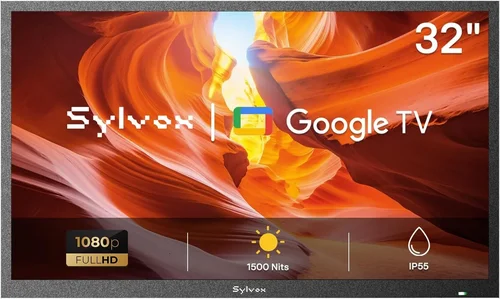
Outdoor movie nights have evolved from a casual backyard activity into a full-fledged entertainment experience. What once involved projecting onto a white sheet or garage door has now transformed into a high-definition, weather-resistant, and immersive audiovisual event—thanks to the rise of outdoor televisions. Whether you’re hosting a summer blockbuster night, a cozy fall screening under string lights, or even a winter holiday movie marathon with hot cocoa in hand, having the right outdoor TV can make all the difference.
But choosing the perfect outdoor television isn’t as simple as picking up any old indoor model and mounting it outside. The elements—sunlight, rain, dust, temperature swings, and humidity—pose serious challenges that standard TVs simply aren’t built to handle. That’s why this guide exists: to help you navigate the complex world of outdoor TVs with confidence. We’ll walk you through everything you need to know—from understanding key performance specs and build quality to comparing types, avoiding common pitfalls, and finding the best value for your budget. By the end, you’ll be equipped to make an informed decision that turns your backyard into a true cinematic oasis.
The outdoor TV market has grown significantly in recent years, driven by increased demand for outdoor living spaces and smart home integration. Major brands like Samsung, LG, Sony, and specialized manufacturers such as SunBriteTV, Seura, and Peerless have stepped up with purpose-built models designed specifically for alfresco environments. These aren’t just ruggedized versions of indoor TVs—they’re engineered from the ground up with features like anti-glare screens, weatherproof casings, enhanced brightness, and thermal management systems. With options ranging from affordable portable units to ultra-premium 8K models, there’s something for every backyard setup and budget. Let’s dive in.

What to Look for When Buying an Outdoor Television
1. Brightness & Anti-Glare Performance
One of the most critical factors when selecting an outdoor TV is its brightness level, measured in nits. Indoor TVs typically range from 250 to 500 nits, which is fine for dimly lit living rooms but utterly inadequate under direct sunlight. Outdoor TVs need to combat ambient light—especially during daytime viewing—so look for models with at least 700 nits, though 1000+ nits is ideal for full sun exposure. Many premium outdoor TVs use high-brightness LED or OLED panels with specialized anti-reflective coatings to minimize glare and maintain color accuracy even in bright conditions.
Beyond raw brightness, consider the screen technology. Full-array local dimming (FALD) can enhance contrast in shaded areas, while quantum dot displays (like Samsung’s QLED) deliver vibrant colors that hold up well outdoors. Avoid TVs with glossy finishes unless they include advanced anti-glare treatments—otherwise, you’ll be constantly repositioning your seating to avoid reflections. Some manufacturers also offer optional sunshades or hoods that further reduce glare and protect the screen.
2. Weather Resistance & IP Rating
Outdoor TVs must withstand rain, snow, dust, and extreme temperatures—so their build quality and ingress protection (IP) rating are non-negotiable. The IP rating consists of two numbers: the first indicates protection against solid particles (like dust), and the second against liquids (like rain). For outdoor use, aim for at least IP55 (protected from limited dust ingress and low-pressure water jets from any direction). Higher-end models often feature IP65 or IP66 ratings, offering near-total dust protection and resistance to powerful water jets.
Look for fully sealed enclosures with no ventilation holes, which could allow moisture or insects inside. The chassis should be made from corrosion-resistant materials like powder-coated aluminum or stainless steel. Additionally, internal components are often conformal-coated to prevent damage from humidity and condensation. If you live in a region with harsh winters or coastal salt air, these details become even more important.
3. Temperature Tolerance & Thermal Management
Unlike indoor TVs, outdoor models must operate reliably across a wide temperature range—from sub-freezing winters to scorching summer afternoons. Most outdoor TVs are rated to function between -22°F (-30°C) and 122°F (50°C), but always check the manufacturer’s specifications. Internal thermal management systems, such as passive heat sinks or active cooling fans (though rare due to sealing requirements), help prevent overheating and component degradation.
Some units include built-in heaters for cold climates, ensuring the screen remains responsive and the internal electronics stay within safe operating ranges. This is especially crucial if your TV will be mounted in an unheated area like a covered patio or pergola. Avoid placing your TV in direct sunlight without adequate shading, as prolonged exposure can exceed even the highest temperature ratings.
4. Display Technology: LED vs. OLED vs. QLED
The choice of display technology significantly impacts picture quality, longevity, and suitability for outdoor use. Traditional LED-LCD panels are the most common in outdoor TVs due to their brightness, affordability, and durability. They perform well in bright environments and are less prone to burn-in than OLEDs.
OLED TVs offer superior contrast, deeper blacks, and wider viewing angles—but they’re generally not recommended for full-sun outdoor installations because their peak brightness is lower and they’re more susceptible to image retention under static content (like logos or subtitles). However, some newer OLED models with enhanced brightness and anti-reflective layers are beginning to appear in semi-outdoor settings like covered patios.
QLED (Quantum Dot LED) technology, popularized by Samsung, strikes a balance—delivering excellent color volume, high brightness, and long lifespan. It’s a strong choice for mixed lighting conditions and is widely used in premium outdoor TV lines.
5. Size, Mounting & Viewing Distance
Choosing the right screen size depends on your seating arrangement and viewing distance. As a general rule, multiply your viewing distance (in inches) by 0.84 to get the ideal screen diagonal in inches. For example, if viewers sit 10 feet (120 inches) away, a 100-inch screen (120 × 0.84) would be optimal.
Outdoor TVs come in sizes ranging from 43 inches up to 85 inches or more. Larger screens enhance immersion but require more robust mounting solutions. Ensure your wall, ceiling, or stand can support the weight—many outdoor TVs are heavier than their indoor counterparts due to reinforced casings. Full-motion articulating mounts allow you to angle the screen for better viewing angles and protection from rain, but verify compatibility with your chosen model.
Portability is another consideration. Some outdoor TVs are designed as all-in-one units with built-in stands or wheels, ideal for temporary setups or renters. Others are fixed-mount only, requiring permanent installation.
6. Smart Features & Connectivity
Modern outdoor TVs often include smart platforms like Android TV, webOS (LG), or Tizen (Samsung), giving you access to streaming apps such as Netflix, Disney+, and YouTube without needing an external device. This is especially convenient for backyard movie nights—no more fumbling with HDMI cables or streaming sticks in the dark.
Check for sufficient HDMI ports (at least two, preferably HDMI 2.1 for future-proofing), USB inputs, and wireless connectivity (Wi-Fi 6 and Bluetooth 5.0+). Some models support voice assistants like Alexa or Google Assistant, allowing hands-free control. If you plan to connect a soundbar, gaming console, or media player, ensure the TV has the necessary audio outputs (optical, ARC, or eARC).
7. Audio Quality & External Sound Options
Built-in speakers on outdoor TVs are often underpowered due to space and sealing constraints. While adequate for casual listening, they rarely deliver the immersive sound needed for a true movie experience—especially with ambient noise from wind, traffic, or nature. Most outdoor TVs include audio output options (optical, 3.5mm, or HDMI ARC) to connect external speakers or soundbars.
For the best results, pair your TV with weather-resistant outdoor speakers or a wireless sound system. Many homeowners opt for hidden in-ground speakers or weatherproof soundbars mounted below the screen. Some premium outdoor TVs even feature enhanced audio processing or upward-firing drivers to simulate surround sound.
8. Brand Reputation & Warranty Coverage
Not all outdoor TV brands are created equal. Established names like SunBriteTV (a leader in the category since 2004), Seura (known for its sleek designs), and Peerless (renowned for durability) have proven track records in harsh environments. Major consumer electronics brands like Samsung and LG now offer outdoor-compatible models, but their warranties may not cover full outdoor use unless explicitly stated.
Always read the fine print: some manufacturers void warranties if the TV is installed in direct exposure without proper shelter. Look for at least a 2–3 year warranty, with options for extended coverage. Customer support responsiveness is also crucial—imagine your TV failing during a big game or movie premiere with no quick fix available.
Different Types of Outdoor Televisions

Common Buying Mistakes to Avoid
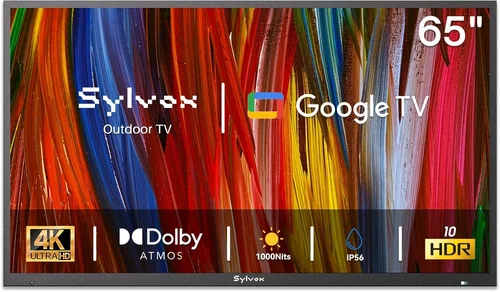
❌ Mistake: Using an Indoor TV Outdoors
Why it’s bad: Indoor TVs lack weatherproofing, proper brightness, and thermal management. Exposure to moisture, dust, or temperature extremes can cause immediate failure, electrical hazards, or voided warranties. Even brief rain exposure can fry internal components.
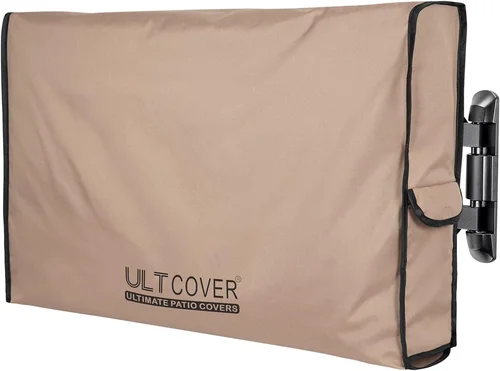
What to do instead: Invest in a purpose-built outdoor TV or at minimum use a high-quality outdoor TV enclosure with ventilation and UV protection—but note that enclosures don’t solve brightness or glare issues.
❌ Mistake: Ignoring Sunlight Conditions
Why it’s bad: A TV that looks great on a cloudy evening will be unwatchable at noon. Many buyers underestimate how much ambient light affects visibility, leading to frustration and wasted investment.
What to do instead: Assess your viewing area throughout the day. If direct sun hits the screen for more than an hour, choose a model with 1000+ nits and an anti-glare screen. Consider installing a retractable awning or pergola with shade cloth.
❌ Mistake: Overlooking Audio Needs
Why it’s bad: Relying solely on built-in speakers results in tinny, quiet audio that gets drowned out by outdoor noise. Movie dialogue becomes inaudible, and immersion is lost.
What to do instead: Budget for a weather-resistant sound system from day one. Wireless outdoor speakers or a soundbar with optical input can dramatically improve the experience.
❌ Mistake: Choosing the Wrong Size for Viewing Distance
Why it’s bad: A 55-inch TV might feel immersive indoors but appear tiny from 15 feet away in a large backyard. Conversely, an 85-inch screen too close can cause eye strain.
What to do instead: Use the 0.84 rule (viewing distance in inches × 0.84 = ideal screen size). Measure your space and test with a projector or temporary setup if unsure.
❌ Mistake: Skipping Professional Installation
Why it’s bad: Improper mounting can lead to water intrusion, structural damage, or TV detachment during wind storms. DIY errors often void warranties.
What to do instead: Hire a certified installer familiar with outdoor AV setups. They’ll ensure proper sealing, cable management, and compliance with local building codes.
❌ Mistake: Neglecting Power and Connectivity Planning
Why it’s bad: Running extension cords across the yard is unsafe and unsightly. Without nearby power outlets or network access, you’re limited in placement and functionality.
What to do instead: Plan electrical and Ethernet runs during initial setup. Use outdoor-rated GFCI outlets and shielded cables. Consider PoE (Power over Ethernet) for streaming devices if supported.
Budget Guidelines: How Much Should You Spend?
Entry-Level ($400 – $900): These are typically portable or partial-shade models with 43–55-inch screens, 500–700 nits brightness, and basic smart features. Ideal for covered patios or occasional use. Brands like RCA, Hisense, and Vizio offer budget-friendly options, though durability may be limited. Expect shorter warranties (1–2 years) and fewer weatherproofing details.
Mid-Range ($900 – $2,500): This is the sweet spot for most homeowners. You’ll find 55–65-inch TVs with 700–1000+ nits, IP55+ ratings, robust build quality, and reliable smart platforms. Models from SunBriteTV’s Veranda series, Seura’s Shadow Series, and Samsung’s The Terrace (partial-shade version) fall here. These offer excellent value with 2–3 year warranties and strong customer support.
Premium ($2,500 – $5,000): Designed for full sun exposure and permanent installation, these TVs feature 1000+ nits, IP65 ratings, advanced thermal management, and premium materials. Expect larger sizes (65–75 inches), QLED or high-end LED panels, and enhanced audio processing. SunBriteTV’s Pro Series and Samsung’s full-sun The Terrace models dominate this tier. Ideal for luxury backyards or frequent entertainers.
Luxury ($5,000+): For those who want the absolute best, luxury outdoor TVs offer 8K resolution, OLED-like contrast (in specialized models), commercial-grade durability, and custom finishes. These are often used in high-end resorts or estates. Features may include motorized lifts, integrated lighting, and 24/7 operation capability. Brands like Peerless and custom integrators provide bespoke solutions.
Expert Tips for Getting the Best Deal
1. Buy During Off-Season: Prices drop significantly in late fall and winter (November–February) when demand is lowest. Retailers often clear inventory before new models launch in spring.
2. Compare Retailers: While big-box stores offer convenience, specialty AV dealers and online retailers (like Crutchfield, Abt, or B&H) often provide better pricing, expert advice, and bundled installation services.
3. Look for Bundles: Many brands offer package deals including mounts, soundbars, or streaming devices. These can save $100–$300 compared to buying separately.
4. Check Return Policies: Outdoor TVs are expensive and hard to test beforehand. Ensure the retailer offers at least a 30-day return window with no restocking fees.
5. Negotiate Installation: Some dealers include free or discounted installation with purchase—especially during promotions. Don’t hesitate to ask.
6. Consider Refurbished or Open-Box: Certified refurbished models from reputable sellers can offer 20–30% savings with full warranties. Just verify outdoor-specific features are intact.
7. Read Real User Reviews: Look beyond star ratings. Search for long-term reviews (6+ months) that discuss durability, brightness in real conditions, and customer service experiences.
8. Future-Proof Your Purchase: Invest in HDMI 2.1, Wi-Fi 6, and HDR10+/Dolby Vision support to ensure compatibility with next-gen devices and content.

Frequently Asked Questions
Q: Can I use a regular TV outside if I cover it?
A: Technically yes, but it’s not recommended. Even with a cover, indoor TVs lack the brightness, thermal regulation, and sealing needed for reliable outdoor use. Moisture can still seep in, and overheating is likely. A purpose-built outdoor TV is a safer, longer-lasting investment.
Q: Do outdoor TVs need to be plugged in all the time?
A: Yes, unless you’re using a battery-powered portable model (rare and limited in size). Most outdoor TVs require constant power, so plan for a dedicated outdoor GFCI outlet near the mounting location.
Q: How do I clean my outdoor TV screen?
A: Use a microfiber cloth and distilled water only. Avoid ammonia-based cleaners (like Windex), which can damage anti-reflective coatings. For stubborn spots, lightly dampen the cloth—never spray liquid directly on the screen.
Q: Will my outdoor TV work in winter?
A: Most outdoor TVs are rated for cold temperatures down to -22°F (-30°C). However, performance may slow slightly in extreme cold. Built-in heaters (in premium models) help maintain responsiveness.
Q: Can I mount my outdoor TV on a pole or freestanding stand?
A: Yes, many manufacturers offer compatible outdoor-rated stands or pole mounts. Ensure the base is weighted or anchored to prevent tipping in wind.
Q: Do outdoor TVs support 4K and HDR?
A: Absolutely. Most modern outdoor TVs support 4K resolution and HDR formats like HDR10, HLG, and Dolby Vision (on select models). This ensures stunning picture quality for movies and streaming.
Q: How long do outdoor TVs last?
A: With proper installation and maintenance, high-quality outdoor TVs can last 7–10 years or more. Cheaper models may degrade faster due to inferior materials and sealing.
Q: Are outdoor TVs energy efficient?
A: Yes, especially newer LED models. Look for ENERGY STAR certification. Brightness settings can be adjusted to reduce power consumption during evening use.
Q: Can I control my outdoor TV with my smartphone?
A: Many smart outdoor TVs support companion apps for remote control, volume adjustment, and input switching. Check compatibility with your phone’s OS.
Our Final Recommendations
Best for Budget-Conscious Buyers: SunBriteTV Veranda Series (55-inch) – At around $1,200, this model offers excellent brightness (700 nits), IP55 rating, and reliable smart features. Perfect for covered patios and occasional use.
Best Overall Value: Samsung The Terrace Partial Sun (65-inch) – Priced around $2,200, it delivers 1000+ nits, QLED color, IP55 protection, and seamless integration with Samsung’s ecosystem. A balanced choice for most homeowners.
Best Premium Option: SunBriteTV Pro Series (75-inch) – For full sun exposure and maximum durability, this $4,500+ beast features 2,500 nits brightness, IP65 rating, and military-grade components. Ideal for serious entertainers.
Best for Beginners: Seura Shadow Series (55-inch) – Sleek design, easy setup, and strong performance in partial shade. Great for first-time buyers who want style and simplicity.
Best for Advanced Users: Peerless-AV Xtreme Outdoor Display (85-inch) – A commercial-grade powerhouse with 3,000 nits, 24/7 operation, and customizable mounting. Built for tech-savvy users who demand perfection.
Conclusion: Making the Right Choice
Choosing the right outdoor television is about more than just picture quality—it’s about creating a reliable, enjoyable, and lasting entertainment experience in your backyard. From battling glare under midday sun to surviving a sudden summer storm, your TV needs to be as tough as it is beautiful. By focusing on brightness, weather resistance, size, and smart features, and by avoiding common pitfalls like using indoor TVs or neglecting audio, you’ll set yourself up for countless memorable movie nights.
Remember, the best outdoor TV isn’t necessarily the most expensive—it’s the one that matches your specific environment, usage patterns, and budget. Take time to assess your space, read real user reviews, and consult with professionals if needed. And don’t forget the little details: a good sound system, proper mounting, and a cozy seating arrangement can elevate your setup just as much as the TV itself.
Your backyard deserves to be more than just a lawn—it can be a destination. With the right outdoor television, every sunset becomes a prelude to cinematic magic. So grab some popcorn, invite your friends, and press play. The show is about to begin.

