
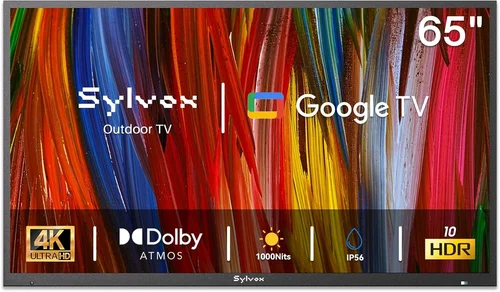
Outdoor living spaces have evolved far beyond simple patios and balconies—they’re now fully functional extensions of our homes. For apartment dwellers, especially those in urban environments, a small balcony or rooftop terrace can become a personal oasis for relaxation, entertainment, or even remote work. And what better way to elevate that experience than with an outdoor television? Whether you’re hosting a summer movie night under the stars or catching the big game while grilling, an outdoor TV transforms limited space into a vibrant social hub.
But here’s the catch: not all TVs are built to withstand the elements. Standard indoor televisions simply aren’t designed for exposure to sunlight, humidity, rain, or temperature swings—common conditions even in covered outdoor areas. That’s why choosing the right outdoor TV is critical. A poor choice could mean foggy screens, color distortion in bright light, premature wear, or even complete failure within months. This guide exists to help you avoid those pitfalls and make a smart, informed investment that lasts.
In this comprehensive buying guide, you’ll learn everything you need to know about selecting the best outdoor television for your apartment setup. We’ll walk you through key performance specs, durability requirements, smart features, and budget considerations—all tailored specifically for compact, often partially sheltered spaces like balconies, terraces, and covered patios. You’ll also discover the different types of outdoor TVs available, common mistakes to avoid, and expert tips to get the most value for your money. By the end, you’ll be equipped to choose a model that delivers stunning picture quality, reliable performance, and long-term resilience—no matter the weather.
The outdoor TV market has grown significantly in recent years, driven by increased demand for outdoor entertainment and smarter home integration. Major brands like Samsung, LG, Sony, and specialized manufacturers such as SunBriteTV and Seura now offer models specifically engineered for outdoor use. These aren’t just ruggedized versions of indoor TVs—they’re purpose-built with enhanced brightness, weatherproof casings, anti-glare coatings, and thermal management systems. However, with prices ranging from under $500 to well over $3,000, it’s easy to overspend—or worse, underspend and end up with a subpar product. This guide cuts through the noise to help you find the perfect balance of performance, protection, and price for your unique apartment lifestyle.

What to Look for When Buying Buying Guide
1. Brightness & Display Performance
One of the most critical factors in outdoor TV performance is screen brightness, measured in nits. Indoor TVs typically range from 300 to 600 nits, which is fine for dimly lit rooms but utterly inadequate under direct sunlight or even bright daylight on a balcony. Outdoor TVs need significantly higher brightness—ideally 700 nits or more—to remain visible and vibrant in ambient light. Look for models that specify “high-brightness” or “sunlight-readable” displays, often featuring OLED or high-end LED panels with local dimming.
But brightness alone isn’t enough. You also need excellent contrast ratio and color accuracy to maintain image depth and realism. Anti-reflective or anti-glare screen coatings are essential to reduce mirror-like reflections that can wash out the picture. Some premium models include optically bonded glass, which eliminates the air gap between the screen and protective layer, minimizing glare and improving clarity. If your viewing area gets morning or afternoon sun, prioritize these features—they make the difference between squinting at a washed-out image and enjoying crisp, vivid visuals.
2. Weather Resistance & IP Rating
Outdoor TVs must endure moisture, dust, extreme temperatures, and UV exposure. That’s why ingress protection (IP) ratings are non-negotiable. The IP rating consists of two digits: the first indicates protection against solid particles (like dust), and the second against liquids (like rain). For outdoor use, aim for at least IP55—this means the TV is dust-protected and resistant to water jets from any direction. Higher-end models may offer IP65 or IP66, providing even greater resilience.
However, IP ratings don’t tell the whole story. You also need to consider the TV’s operating temperature range. Most outdoor TVs function reliably between -22°F and 122°F (-30°C to 50°C), but cheaper models may fail in extreme cold or heat. If you live in a region with harsh winters or scorching summers, verify the manufacturer’s specified range. Additionally, ensure all ports, vents, and mounting hardware are sealed or shielded. Some units come with optional weatherproof covers for added protection during off-seasons or storms.
3. Build Quality & Durability
Unlike indoor TVs housed in lightweight plastic, outdoor models feature robust metal enclosures—often aluminum or powder-coated steel—that resist corrosion and physical damage. The chassis should feel solid, with no flex or creaking. Pay attention to hinge mechanisms if the TV includes a tilting or swiveling mount, as these endure repeated use and environmental stress.
Durability also extends to internal components. Outdoor TVs often use industrial-grade capacitors, reinforced circuit boards, and sealed cooling systems to prevent condensation and overheating. Avoid models that rely solely on passive cooling (no fans), as they may throttle performance or shut down in high heat. Active cooling with filtered vents is preferable, provided the system is designed to keep moisture out. Look for certifications like UL Listed for outdoor use or compliance with MIL-STD standards for ruggedness.
4. Smart Features & Connectivity
Modern outdoor TVs aren’t just dumb screens—they’re full-fledged smart platforms. Most support Wi-Fi, Bluetooth, and popular streaming services like Netflix, YouTube, and Disney+. Ensure the TV runs a current operating system (e.g., Android TV, webOS, or Tizen) with regular software updates. Voice control via Alexa or Google Assistant is a nice bonus, especially if you’re controlling the TV from a distance.
Connectivity options matter too. Look for multiple HDMI ports (preferably HDMI 2.1 for future-proofing), USB inputs, optical audio out, and Ethernet for stable wired internet. If you plan to connect a soundbar, gaming console, or streaming stick, confirm compatibility and port availability. Some models include built-in speakers, but they’re often underpowered—consider pairing your TV with weather-resistant outdoor speakers for richer audio.
5. Size & Viewing Distance
Apartment balconies and terraces are typically compact, so screen size must match your space. A 43-inch TV is ideal for most small outdoor areas, offering a cinematic experience without overwhelming the environment. For larger terraces or rooftop decks, 55-inch or 65-inch models work well, provided you have at least 6–8 feet of viewing distance.
Use the 1.5x rule: multiply the screen’s diagonal size (in inches) by 1.5 to get the minimum recommended viewing distance in inches. For example, a 50-inch TV should be viewed from at least 75 inches (6.25 feet) away. Also, consider the TV’s depth and weight—thinner profiles save space, while heavier units may require reinforced mounting solutions.
6. Mounting & Installation Flexibility
Since apartment dwellers often lack permanent structural modifications, look for TVs compatible with versatile mounting systems. Full-motion articulating mounts allow you to angle the screen toward seating areas or away from sun glare. Ceiling mounts work well for covered patios, while wall mounts save floor space.
Check if the TV includes VESA mounting compatibility (standard patterns like 200×200 or 400×400 mm). Some outdoor TVs come with proprietary mounts, which can limit flexibility and increase long-term costs. If you’re renting, ensure your lease allows mounting and that the wall or ceiling can support the weight. Always use stainless steel or galvanized hardware to prevent rust.
7. Brand Reputation & Reliability
Not all brands are created equal when it comes to outdoor electronics. Established names like Samsung and LG offer reliable smart platforms and strong customer support, but their outdoor models are often limited. Specialized manufacturers like SunBriteTV, Seura, and Avid Power focus exclusively on outdoor displays and typically deliver superior build quality and weatherproofing.
Research brand history, customer service responsiveness, and availability of replacement parts. Read professional reviews from outlets like CNET, Wirecutter, or RTINGS.com, and check user forums for long-term reliability reports. A brand with a proven track record in harsh environments is worth the premium.
8. Warranty & Support
Outdoor TVs are investments, and a solid warranty protects that investment. Most reputable brands offer 2–3 years of coverage, sometimes extendable. Pay attention to what’s included: does it cover screen burn-in, moisture damage, or power surges? Is on-site service available, or do you need to ship the unit?
Also, verify support channels—phone, email, live chat—and response times. Some companies provide dedicated outdoor product specialists, which can be invaluable if you encounter installation or performance issues. Avoid brands with vague warranty terms or those that exclude “environmental damage,” as that’s the primary risk for outdoor use.
Different Types of Buying Guide

Common Buying Mistakes to Avoid
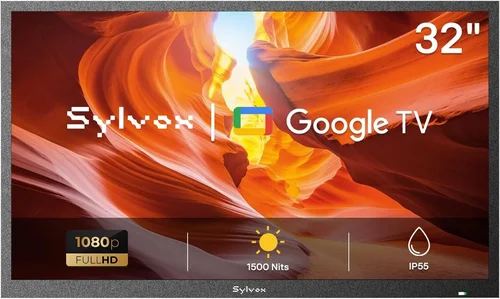
❌ Mistake: Buying a Standard Indoor TV for Outdoor Use
Why it’s bad: Indoor TVs lack weatherproofing, high brightness, and thermal management. Exposure to moisture or sunlight can cause screen fogging, color distortion, or permanent damage within weeks.
What to do instead: Invest in a purpose-built outdoor TV or use a certified weatherproof enclosure if budget is tight.
❌ Mistake: Ignoring Sunlight Exposure
Why it’s bad: Even shaded areas can have intense ambient light. A dim screen will look washed out and unwatchable during daytime hours.
What to do instead: Choose a model with at least 700 nits brightness and anti-glare coating. Test visibility in your specific location before finalizing.
❌ Mistake: Overlooking Mounting Requirements
Why it’s bad: Improper mounting can lead to instability, vibration, or detachment—especially in windy urban areas.
What to do instead: Use a certified outdoor mount rated for your TV’s weight and size. Consult a professional if unsure about structural integrity.
❌ Mistake: Skimping on Audio
Why it’s bad: Built-in outdoor TV speakers are often weak and muffled by wind or ambient noise.
What to do instead: Pair your TV with weather-resistant outdoor speakers or a soundbar designed for open spaces.
❌ Mistake: Neglecting Power and Cable Management
Why it’s bad: Exposed cords are tripping hazards and vulnerable to water damage.
What to do instead: Use conduit channels, outdoor-rated extension cords, and GFCI outlets. Consider wireless streaming to reduce cable clutter.
❌ Mistake: Assuming All “Outdoor” TVs Are Equal
Why it’s bad: Some brands label indoor TVs as “outdoor-ready” with minimal modifications, offering false security.
What to do instead: Verify IP ratings, operating temperature ranges, and third-party certifications. Stick to reputable outdoor specialists.
❌ Mistake: Forgetting About Seasonal Storage
Why it’s bad: Leaving a TV outside year-round in freezing climates can crack components or degrade seals.
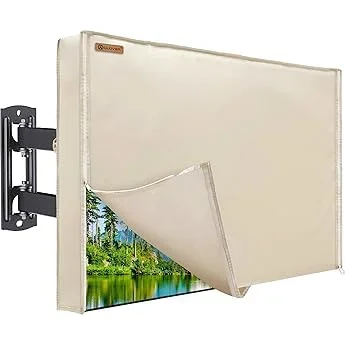
What to do instead: Use a weatherproof cover in winter or consider a removable setup for seasonal storage.
Budget Guidelines: How Much Should You Spend?
Entry-Level ($500 – $900): This tier includes indoor/outdoor convertible TVs or basic models with partial weather resistance. Expect lower brightness (500–600 nits), limited smart features, and shorter warranties. Best for covered balconies with minimal sun exposure and occasional use. Examples include modified indoor TVs in protective enclosures.
Mid-Range ($900 – $1,800): The sweet spot for most apartment dwellers. These TVs offer 700+ nits brightness, IP55 rating, reliable smart platforms, and solid build quality. Ideal for covered patios and terraces with moderate weather exposure. Brands like Avid Power and some LG outdoor variants fall here.
Premium ($1,800 – $3,000): Designed for enthusiasts and frequent entertainers. Features include 1000+ nits brightness, IP65 rating, advanced cooling, OLED panels, and premium audio. Perfect for partially exposed areas or those wanting top-tier performance. SunBriteTV and Seura dominate this space.
Luxury ($3,000+): Top-tier all-weather models with military-grade durability, 4K HDR, ultra-high brightness, and custom installation support. Built for year-round use in extreme climates. Often used in luxury condos or rooftop venues. Overkill for most apartments but unmatched in reliability.
Expert Tips for Getting the Best Deal
– Buy during off-seasons: Prices drop significantly in late fall and winter when demand is low. Look for Black Friday, Cyber Monday, or end-of-year clearance sales.
– Compare bundled packages: Some retailers offer TV + mount + speaker bundles at discounted rates. Calculate total cost before committing.
– Check refurbished or open-box deals: Certified pre-owned outdoor TVs from reputable sellers can save 20–30% with full warranty coverage.
– Negotiate with local installers: Many offer package discounts if you hire them for mounting and setup.
– Verify return policies: Ensure you can return the TV if it doesn’t perform as expected in your specific environment.
– Test in person if possible: Visit a showroom to evaluate brightness and color accuracy under simulated outdoor conditions.
– Subscribe to price alerts: Use tools like Honey or CamelCamelCamel to track price drops on your desired model.
– Consider energy efficiency: Outdoor TVs run longer hours—look for ENERGY STAR ratings to reduce electricity costs.

Frequently Asked Questions
Q: Can I use a regular TV outdoors if it’s under a roof?
A: Technically yes, but it’s risky. Even covered areas experience humidity, temperature swings, and indirect sunlight that can damage internal components over time. For reliable, long-term use, an outdoor-rated TV or enclosure is strongly recommended.
Q: Do outdoor TVs need special outlets?
A: Not necessarily, but they should be connected to a GFCI (Ground Fault Circuit Interrupter) outlet for safety, especially in damp locations. This protects against electrical shock if water enters the system.
Q: How do I clean an outdoor TV screen?
A: Use a microfiber cloth and distilled water only. Avoid ammonia-based cleaners or paper towels, which can scratch anti-glare coatings. Power off the TV and wait for it to cool before cleaning.
Q: Will an outdoor TV work in the rain?
A: Only if it has an appropriate IP rating (IP55 or higher). However, avoid direct heavy rain exposure unless the model is specifically rated for it (IP65+). Always use a cover during storms.
Q: Can I mount an outdoor TV on a balcony railing?
A: It depends on your lease agreement and the railing’s structural strength. Most balconies aren’t designed to support heavy loads. Wall or ceiling mounts are safer and more stable.
Q: Do outdoor TVs consume more power?
A: Yes, due to higher brightness and active cooling. However, modern models are relatively efficient. Look for units with auto-brightness sensors that adjust based on ambient light.
Q: What’s the lifespan of an outdoor TV?
A: With proper care, 7–10 years is typical. Harsh environments may shorten this, but quality models are built for longevity.
Q: Can I stream content wirelessly to an outdoor TV?
A: Absolutely. Most outdoor TVs support Wi-Fi and popular casting protocols like AirPlay, Chromecast, or Miracast. Ensure your home network has strong coverage in the outdoor area.
Q: Are outdoor TVs noisy due to cooling fans?
A: High-quality models use quiet, variable-speed fans that are barely audible during normal use. Avoid cheap units with loud, constant fan noise.
Q: Do I need a permit to install an outdoor TV in my apartment?
A: Possibly. Check with your building management or homeowners’ association. Some complexes restrict exterior modifications or require approval for mounting hardware.
Our Final Recommendations
Best for Budget-Conscious Buyers: Avid Power 43″ Partial-Cover Outdoor TV – At around $850, this model delivers 700 nits brightness, IP55 rating, and Android TV functionality. Ideal for covered balconies with limited sun exposure.
Best Overall Value: SunBriteTV Veranda Series 50″ – Priced near $1,600, it offers exceptional brightness (1000 nits), robust aluminum chassis, and reliable performance in partially exposed areas. A favorite among urban homeowners.
Best Premium Option: Seura Shadow 55″ Ultra-Bright Outdoor TV – With 1500 nits, IP65 rating, and cinematic color accuracy, this $2,800 TV is built for serious entertainers who refuse to compromise.
Best for Beginners: LG 43″ UQ7500 in a Weatherproof Enclosure – Combine an affordable indoor TV ($450) with a $250 outdoor case for a sub-$700 solution that’s easy to set up and remove seasonally.
Best for Advanced Users: SunBriteTV Pro Series 65″ with Integrated Soundbar – A fully integrated, all-weather system with 4K HDR, voice control, and premium audio—perfect for tech-savvy users wanting a seamless experience.
Conclusion: Making the Right Choice
Choosing the right outdoor television for your apartment isn’t just about picking the shiniest screen—it’s about matching technology to your environment, lifestyle, and long-term goals. From brightness and weather resistance to smart features and mounting flexibility, every detail matters when you’re investing in outdoor entertainment. Remember: a great outdoor TV doesn’t just survive the elements—it enhances your connection to nature, friends, and relaxation.
Prioritize your must-haves: if you watch mostly at night, brightness matters less than smart features. If your balcony gets afternoon sun, glare reduction is non-negotiable. And if you’re renting, portability and easy installation should top your list. Use this guide as your roadmap, avoid the common pitfalls, and don’t rush the decision. The right TV will reward you with years of enjoyment, whether you’re sipping coffee at sunrise or hosting a rooftop party under the stars.
Take the time to research, compare, and test. Your perfect outdoor viewing experience is within reach—just one smart purchase away.

