
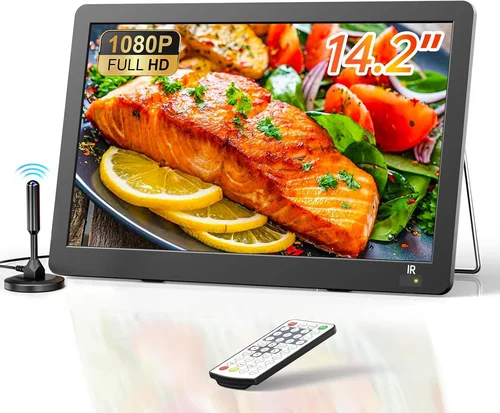
When it comes to choosing the right television for your apartment deck, many people overlook a critical detail: not all TVs are built to handle outdoor conditions. Whether you’re sipping coffee on a sunny morning, hosting a summer barbecue, or enjoying a quiet evening under string lights, having a reliable TV that performs well in an open-air environment can transform your outdoor living space. But here’s the catch—most indoor TVs simply aren’t designed for exposure to sunlight, humidity, temperature swings, or even light rain. That’s where a smart deck TV comes in.
This comprehensive buying guide is designed to help you navigate the often-confusing world of outdoor televisions with confidence. Whether you’re a first-time buyer or upgrading from an older model, we’ll walk you through everything you need to know to make a smart, informed decision. You’ll learn how to evaluate performance specs, understand build quality, compare brands, and avoid common pitfalls that lead to buyer’s remorse. We’ll also break down budget tiers, highlight expert tips for getting the best deal, and answer frequently asked questions based on real-world use cases. By the end, you’ll have a clear roadmap to finding the perfect smart deck TV that fits your space, lifestyle, and budget.
The market for outdoor TVs has evolved significantly in recent years. What once was a niche category dominated by bulky, expensive models has now expanded into a diverse ecosystem of sleek, weather-resistant, and feature-rich options. From fully enclosed outdoor displays to semi-outdoor models designed for covered decks, today’s smart deck TVs offer 4K resolution, HDR support, voice control, built-in streaming apps, and even solar-resistant screens. With advancements in display technology and growing demand for outdoor entertainment, manufacturers like Samsung, LG, Sony, and specialized brands like SunBriteTV and Seura have stepped up their game. This guide will help you cut through the marketing noise and focus on what truly matters—durability, performance, and value.
What to Look for When Buying Buying Guide
1. Weather Resistance & IP Rating
One of the most critical factors when selecting a smart deck TV is its ability to withstand outdoor elements. Unlike indoor TVs, deck TVs are exposed to sunlight, rain, dust, and temperature fluctuations. Look for models with a high IP (Ingress Protection) rating—specifically IP55 or higher. An IP55 rating means the TV is protected against dust and water jets from any direction, making it suitable for covered or semi-covered decks. For fully exposed areas, consider IP65 or IP66 ratings, which offer even greater protection against heavy rain and dust ingress. Additionally, check if the TV has a sealed cooling system to prevent overheating during hot summer days. Some premium models even include anti-glare coatings and UV-resistant materials to maintain screen clarity and longevity.
2. Screen Brightness & Anti-Glare Technology
Brightness is paramount for outdoor viewing. Indoor TVs typically range from 300 to 500 nits, but on a sunny deck, that’s barely enough to see the screen. For optimal visibility, aim for a smart deck TV with at least 700 nits, though 1000 nits or higher is ideal for direct sunlight. Many outdoor TVs now feature high-brightness LED or OLED panels specifically engineered for daylight use. Equally important is anti-glare or anti-reflective coating. Without it, sunlight reflecting off the screen can make content unwatchable. Look for models with matte finishes or specialized optical filters that reduce glare without sacrificing color accuracy. Some brands, like SunBriteTV, use proprietary “True Outdoor Brightness” technology that enhances contrast and brightness dynamically based on ambient light conditions.
3. Build Quality & Durability
Outdoor TVs must endure more than just weather—they’re also subject to vibrations, accidental bumps, and long-term wear. A well-built deck TV should feature a robust aluminum or powder-coated steel chassis that resists rust and corrosion. Pay attention to the quality of the mounting hardware; it should be heavy-duty and compatible with VESA standards. Internal components should be protected by sealed compartments to prevent moisture damage. Additionally, check if the TV has a fanless cooling system, which reduces noise and eliminates dust intake. For decks near the ocean or in high-humidity areas, corrosion-resistant screws and connectors are a must. Brands like Seura and Peerless-AV are known for their military-grade durability testing, ensuring their TVs can handle extreme conditions.
4. Smart Features & Connectivity
Just because a TV is built for the outdoors doesn’t mean it should skimp on smart functionality. Modern smart deck TVs come equipped with Wi-Fi, Bluetooth, and popular streaming platforms like Netflix, YouTube, and Disney+. Look for models with built-in voice assistants such as Google Assistant or Amazon Alexa for hands-free control—especially useful when your hands are full with a drink or grill tongs. HDMI ports, USB inputs, and optical audio outputs are essential for connecting soundbars, gaming consoles, or media players. Some advanced models even support wireless screen mirroring from smartphones or tablets. Ensure the TV’s operating system is up-to-date and receives regular firmware updates to maintain security and compatibility with new apps.
5. Size & Viewing Distance
Choosing the right screen size depends on your deck’s dimensions and typical seating arrangement. A general rule of thumb is that the viewing distance should be about 1.5 to 2.5 times the diagonal screen size. For example, a 55-inch TV is ideal for a viewing distance of 7 to 10 feet. On a small balcony, a 43-inch or 50-inch model may be more appropriate, while larger patios can accommodate 65-inch or even 75-inch screens. However, don’t sacrifice brightness or weather resistance just to go bigger—visibility in daylight is more important than sheer size. Also, consider the TV’s depth and weight; some outdoor models are thicker due to protective enclosures, which may affect mounting options.
6. Audio Performance & Sound Solutions
Outdoor environments are inherently noisy—wind, traffic, birds, and conversations can drown out TV audio. Most smart deck TVs have underpowered built-in speakers, so investing in external audio is often necessary. Look for models with optical audio outputs or Bluetooth connectivity to pair with weather-resistant outdoor speakers or a soundbar. Some premium outdoor TVs, like those from Samsung’s Terrace series, include enhanced audio systems with upward-firing speakers and Dolby Atmos support. If you plan to host gatherings, consider a setup with wireless surround sound or a multi-room audio system that syncs with your indoor speakers. Remember, audio quality can make or break the outdoor viewing experience.
7. Installation & Mounting Options
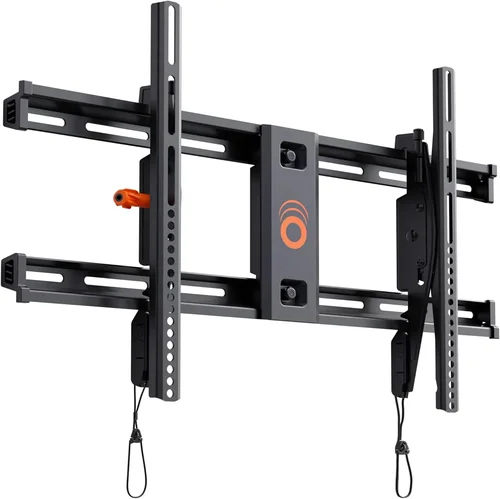
Proper installation is crucial for both performance and safety. Most smart deck TVs require a wall mount or ceiling mount, and the mounting hardware must be rated for outdoor use. Ensure your deck structure can support the TV’s weight—especially for larger models. Some brands offer all-in-one mounting kits with tilt, swivel, and extension features for optimal viewing angles. If your deck has a pergola or roof, consider a ceiling mount to keep the TV out of the way. For renters or those who want flexibility, portable outdoor TV stands with wheels are available, though they may not offer the same stability as fixed mounts. Always consult a professional installer if you’re unsure about structural integrity or electrical wiring.
8. Warranty & Customer Support
Outdoor TVs are a significant investment, so a strong warranty is essential. Look for models with at least a 2-year manufacturer warranty, though some premium brands offer 3 to 5 years. Check what the warranty covers—does it include damage from weather, power surges, or accidental drops? Also, verify if the warranty is valid only if installed by a certified technician. Customer support responsiveness is another key factor. Brands like SunBriteTV and Seura provide dedicated outdoor TV support teams, while mainstream manufacturers may route you through general customer service. Read user reviews to see how companies handle repairs, replacements, and technical issues. A good warranty and responsive support can save you hundreds in the long run.
Different Types of Buying Guide

Common Buying Mistakes to Avoid
❌ Mistake: Buying an Indoor TV for Outdoor Use
Why it’s bad: Indoor TVs lack weatherproofing, UV protection, and sufficient brightness for outdoor environments. Exposure to moisture can cause permanent damage, and glare will make the screen nearly unusable in daylight.
What to do instead: Always choose a TV specifically designed for outdoor or semi-outdoor use. If budget is a concern, consider an indoor TV paired with a certified outdoor enclosure, but never use an indoor model directly on a deck.
❌ Mistake: Ignoring Brightness Requirements
Why it’s bad: A dim screen will be washed out by sunlight, making it impossible to see details, especially during peak hours. This leads to frustration and underutilization of the TV.
What to do instead: Prioritize TVs with at least 700 nits of brightness, and opt for 1000+ nits if your deck gets direct sun. Check for anti-glare coatings and high contrast ratios to maintain image quality.
❌ Mistake: Overlooking Audio Needs
Why it’s bad: Built-in speakers on outdoor TVs are often weak and easily drowned out by ambient noise. Poor audio ruins the viewing experience, especially during movies or sports.
What to do instead: Plan for external audio from the start. Invest in weather-resistant speakers or a Bluetooth soundbar. Look for TVs with optical or HDMI ARC outputs for easy connectivity.
❌ Mistake: Choosing the Wrong Size
Why it’s bad: A TV that’s too small will be hard to see from a distance, while one that’s too large can overwhelm a small space and increase glare.
What to do instead: Measure your deck and seating area. Use the 1.5x to 2.5x rule for screen size versus viewing distance. Test with a tape measure or use online viewing distance calculators.
❌ Mistake: Skimping on Installation
Why it’s bad: Improper mounting can lead to instability, water intrusion, or even the TV falling, posing a safety hazard.
What to do instead: Use certified outdoor mounting hardware and consider professional installation. Ensure the mount is rated for the TV’s weight and weather conditions.
❌ Mistake: Not Checking Warranty Terms
Why it’s bad: Many warranties void coverage if the TV is used outdoors or installed incorrectly. You could end up paying full price for repairs.
What to do instead: Read the fine print. Choose brands that explicitly cover outdoor use and offer extended warranties. Register your product and keep installation records.
❌ Mistake: Buying Based on Price Alone
Why it’s bad: The cheapest option often lacks durability, brightness, or smart features, leading to early replacement and higher long-term costs.
What to do instead: Focus on value, not just price. Consider total cost of ownership, including audio upgrades, mounting, and potential repairs. Mid-range models often offer the best balance.
Budget Guidelines: How Much Should You Spend?
Entry-Level ($800 – $1,500): This tier includes portable outdoor TVs and indoor models with basic outdoor enclosures. Expect smaller screens (43″-50″), lower brightness (500-700 nits), and limited smart features. Ideal for covered balconies or occasional use. Brands like Hisense and TCL offer budget-friendly options, but durability may be a concern.
Mid-Range ($1,500 – $3,500): The sweet spot for most apartment deck owners. These TVs offer 55″-65″ screens, 700-1000 nits brightness, IP55 ratings, and full smart functionality. Models from Samsung Terrace, LG Outdoor, and SunBriteTV’s Veranda series fall here. They’re built for covered decks and provide excellent value with reliable performance and decent audio.
Premium ($3,500 – $6,000): Designed for enthusiasts and those with larger, exposed decks. Features include 1000+ nits brightness, IP65+ ratings, fanless cooling, and advanced anti-glare technology. Brands like Seura, Peerless-AV, and SunBriteTV Pro offer 4K HDR, Dolby Vision, and premium audio. These TVs are built to last 5-7 years with minimal maintenance.
Luxury ($6,000+): Top-tier models for luxury homes, hotels, or commercial use. Expect 75″+ screens, commercial-grade durability, 24/7 operation capability, and custom installation services. These TVs often include integrated lighting, motorized mounts, and remote monitoring. Ideal for those who want a seamless, high-end outdoor entertainment experience.
Expert Tips for Getting the Best Deal
Timing your purchase can save you hundreds. The best deals on smart deck TVs typically occur during Black Friday, Cyber Monday, and end-of-summer clearance sales (August-September). Retailers often discount older models to make room for new inventory. Sign up for newsletters from brands like Samsung, LG, and SunBriteTV to get early access to promotions.
Shop at authorized dealers rather than third-party sellers on marketplaces like Amazon or eBay. Authorized retailers offer full warranties, certified installation services, and better customer support. Stores like Best Buy, Crutchfield, and specialty outdoor electronics shops often have in-person demos, allowing you to test brightness and sound before buying.
Compare prices across multiple platforms, but also consider bundled deals. Some retailers offer free mounting, extended warranties, or discounted sound systems with TV purchases. Look for “outdoor entertainment packages” that include everything you need in one purchase.
Always check the return policy. Outdoor TVs are expensive, and you may need to test them in your specific environment. Choose retailers with at least a 30-day return window and free return shipping. Avoid stores with restocking fees or short return periods.
If you’re a renter or unsure about long-term use, consider renting a smart deck TV for a season. Some companies offer monthly rental programs with upgrade options. This lets you test different models and sizes without a large upfront investment.
For DIY enthusiasts, building a custom outdoor enclosure for an indoor TV can be cost-effective. Use marine-grade plywood, silicone seals, and a high-brightness indoor TV. However, this requires technical skill and may void warranties, so proceed with caution.
Finally, don’t overlook refurbished or open-box models. Many come with full warranties and are significantly discounted. Just ensure they’re certified by the manufacturer and include all original accessories.

Frequently Asked Questions
Q: Can I use a regular TV on my covered deck?
A: Technically yes, but it’s not recommended. Even covered decks can experience humidity, temperature swings, and indirect sunlight. A regular TV lacks weatherproofing and sufficient brightness, which can lead to premature failure. For best results, use a semi-outdoor TV or an indoor model with a certified outdoor enclosure.
Q: How do I protect my outdoor TV from rain?
A: Choose a TV with an IP55 or higher rating, which protects against water jets. Ensure it’s mounted under a roof, pergola, or awning. Use a weatherproof cover when not in use, especially during storms. Avoid placing the TV in low-lying areas where water might pool.
Q: Will my outdoor TV work in winter?
A: Most outdoor TVs are designed to operate in temperatures from -22°F to 122°F. However, extreme cold can affect battery life in remotes and slow response times. Store remotes indoors and allow the TV to warm up gradually. Some models have built-in heaters for cold climates.
Q: Can I stream Netflix on an outdoor TV?
A: Yes, as long as the TV has smart capabilities and a stable Wi-Fi connection. Ensure your deck has strong signal coverage. Consider a Wi-Fi extender or mesh network if the signal is weak. Most modern outdoor smart TVs support major streaming apps.
Q: How do I clean my outdoor TV screen?
A: Use a microfiber cloth and a mild cleaning solution designed for electronics. Avoid ammonia-based cleaners, which can damage anti-glare coatings. Turn off and unplug the TV before cleaning. For dust, a soft brush or compressed air works well.
Q: What’s the difference between OLED and LED for outdoor use?
A: OLED offers superior contrast and color but can be more susceptible to burn-in and is typically less bright than high-end LED models. For outdoor use, LED with full-array local dimming is often preferred due to higher peak brightness and better durability in sunlight.
Q: Can I mount my outdoor TV on a brick wall?
A: Yes, but you’ll need a masonry drill and appropriate anchors. Use a mounting kit rated for outdoor use and ensure the wall can support the TV’s weight. Consider hiring a professional for safe installation.
Q: Do outdoor TVs consume more power?
A: Not necessarily. While they may have brighter backlights, many are energy-efficient. Look for ENERGY STAR-certified models. Power consumption depends more on screen size and usage than outdoor design.
Q: How long do outdoor TVs last?
A: With proper care, a quality outdoor TV can last 5-7 years or more. Factors like climate, usage frequency, and maintenance play a role. Premium models with sealed components tend to have longer lifespans.
Q: Can I use voice control outdoors?
A: Yes, but wind and background noise can interfere with voice recognition. Place the TV in a sheltered area and use a remote with a built-in microphone for better accuracy. Some models support far-field voice control up to 10 feet.
Our Final Recommendations
Best for Budget-Conscious Buyers: Samsung The Terrace Partial Sun 55″ – At around $2,200, this model offers 1000 nits brightness, IP55 rating, and full smart features. Ideal for covered decks with partial sun exposure.
Best Overall Value: SunBriteTV Veranda Series 65″ – Priced at $3,200, it delivers excellent brightness, weather resistance, and a user-friendly interface. A reliable choice for most apartment decks.
Best Premium Option: Seura UltraBright 75″ – At $5,800, this TV boasts 2,000 nits brightness, IP66 rating, and a sleek design. Perfect for large, exposed decks with direct sunlight.
Best for Beginners: LG Outdoor 50″ Smart TV – With intuitive webOS, 800 nits brightness, and easy setup, this $1,800 model is great for first-time outdoor TV owners.
Best for Advanced Users: Peerless-AV Xtreme 65″ Pro – A commercial-grade TV with 1,500 nits, fanless cooling, and customizable mounting. Ideal for tech-savvy users who want maximum control and durability.
Conclusion: Making the Right Choice
Choosing the right smart deck TV for your apartment is about more than just screen size or price—it’s about finding a balance between durability, performance, and usability in an outdoor environment. From weather resistance and brightness to smart features and audio quality, every detail matters when you’re bringing entertainment outside. By understanding your specific needs, avoiding common mistakes, and following expert advice, you can invest in a TV that enhances your outdoor lifestyle for years to come.
Remember, the best TV for your deck is the one that fits your space, withstands your local climate, and delivers the viewing experience you want. Don’t rush the decision. Take time to compare models, read reviews, and consider long-term value over short-term savings. Whether you’re watching the sunset with a movie or catching the big game with friends, the right smart deck TV can turn your outdoor space into a true extension of your home.
Ready to upgrade your deck? Start by assessing your budget, measuring your space, and prioritizing the features that matter most to you. With this guide in hand, you’re well-equipped to make a confident, informed purchase. Happy viewing!

